Category: Car News

  • The Best Tyres For Wet UK Roads Without Ruining Dry Grip

    The Best Tyres For Wet UK Roads Without Ruining Dry Grip

    If you live here, you already know the struggle of hunting for the best tyres for wet UK roads without turning your car into a squealy understeering mess the second the sun comes out. The good news: you can have wet grip, steering feel and weekend B-road fun – if you pick the right rubber.
    What actually makes the best tyres for wet UK roads?

    Forget the brochure chat about “advanced polymers” for a second. Wet grip comes down to a few key things: tread pattern that can shift water, a compound that stays soft in typical UK temperatures, and a carcass that does not flop over the moment you lean on it in a corner.

    Those big grooves and sipes are there to move water out of the way so the rubber can actually touch tarmac. Too few grooves and you aquaplane. Too many and the tread blocks squirm, which kills steering feel and adds noise. The sweet spot is a pattern that clears water but still has solid shoulder blocks, so you get bite on turn in.

    For our climate, the magic is in a compound that works properly between about 5 and 20 degrees. Most decent sporty road tyres now grip well in that range, but cheaper ones can go plasticky when it is cold and greasy, which is exactly when you need them to wake up, not check out.

    Summer tyres vs all season tyres in the UK drizzle

    So which are actually the best tyres for wet UK roads for most people: summer or all season? It depends how you drive and where you live.

    Summer tyres are still the best choice for keen drivers in most of the UK. A good summer tyre will give you strong wet braking, sharp steering and proper dry grip when the weather behaves. The trade off is that they do not like snow, and some budget options can be sketchy in very cold, damp conditions.

    All season tyres are like the Swiss Army knife of rubber. They are fine in the dry, good in the wet, and much better than summers if you get the odd snow day or live somewhere rural with untreated roads. The downside is slightly softer steering response and less ultimate grip if you like to lean on the car hard. Think confidence and convenience over lap times.

    If your car is your daily, you rarely see snow, and you enjoy a spirited drive now and then, a quality summer tyre is usually the better shout. If you are covering big miles, see mixed conditions, or just want one set to deal with everything, a premium all season can still be one of the best tyres for wet UK roads in real life.

    Track-leaning road tyres: hero grip or hydroplaning horror?

    Track-leaning road tyres – those semi-slick style jobs with chunky shoulders and fewer grooves – are tempting. They look fast standing still and feel mega on a dry day. But are they the best tyres for wet UK roads? Usually not.

    These tyres are designed to handle heat and high loads, not constant drizzle and motorway puddles. Many have less tread depth and fewer water channels, which means they can aquaplane sooner. On a damp but drying road they can be brilliant, giving you huge lateral grip and solid feedback. In heavy rain on the M1, they can feel nervous and sketchy.

    If your car is a weekend toy that sees the odd track day and you are happy to tiptoe when the heavens open, they can make sense. For a daily that spends its life in traffic and standing water, a more road-focused performance tyre is a much better balance.

    Tyre labels vs real world: what actually matters

    Those EU-style tyre labels look handy: a letter for wet grip, one for efficiency, and a noise rating. Helpful, but not the full story.
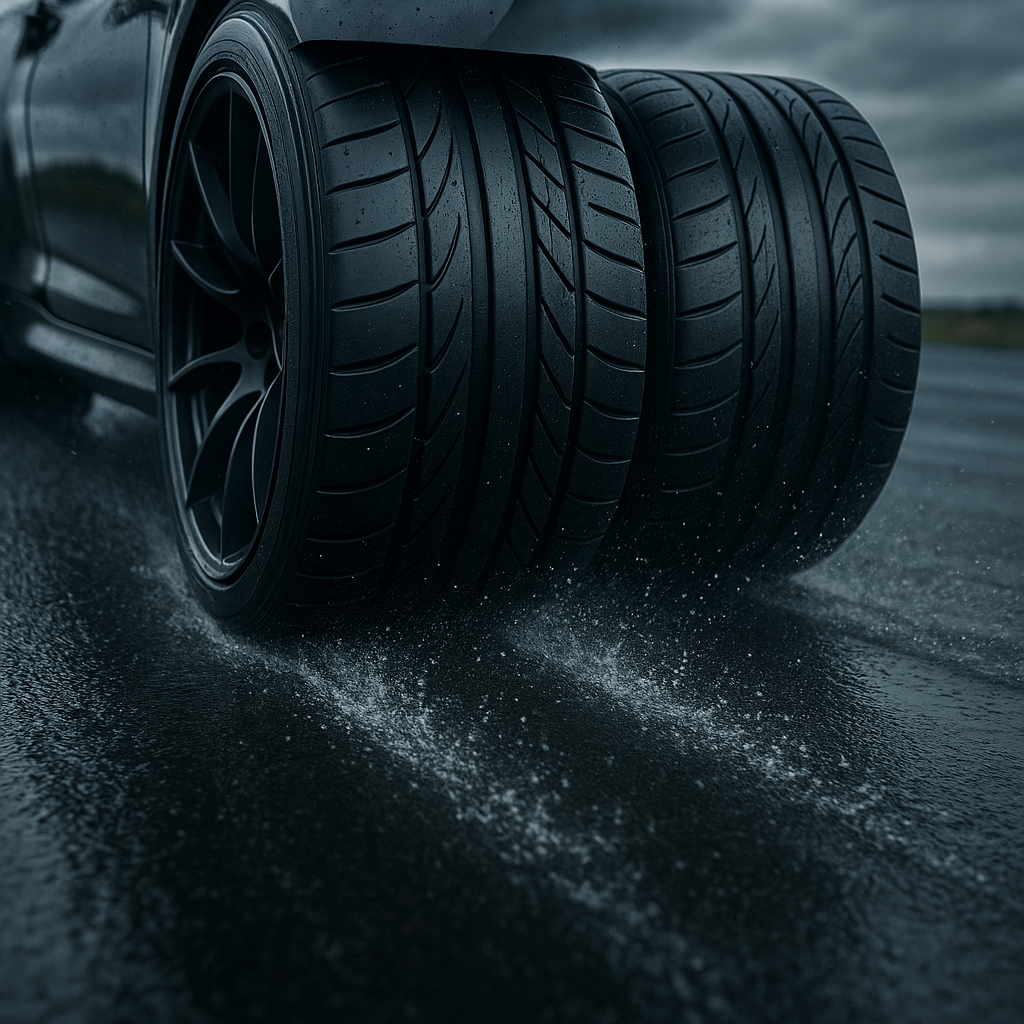
    Close-up of performance rubber gripping wet tarmac showing the best tyres for wet UK roads
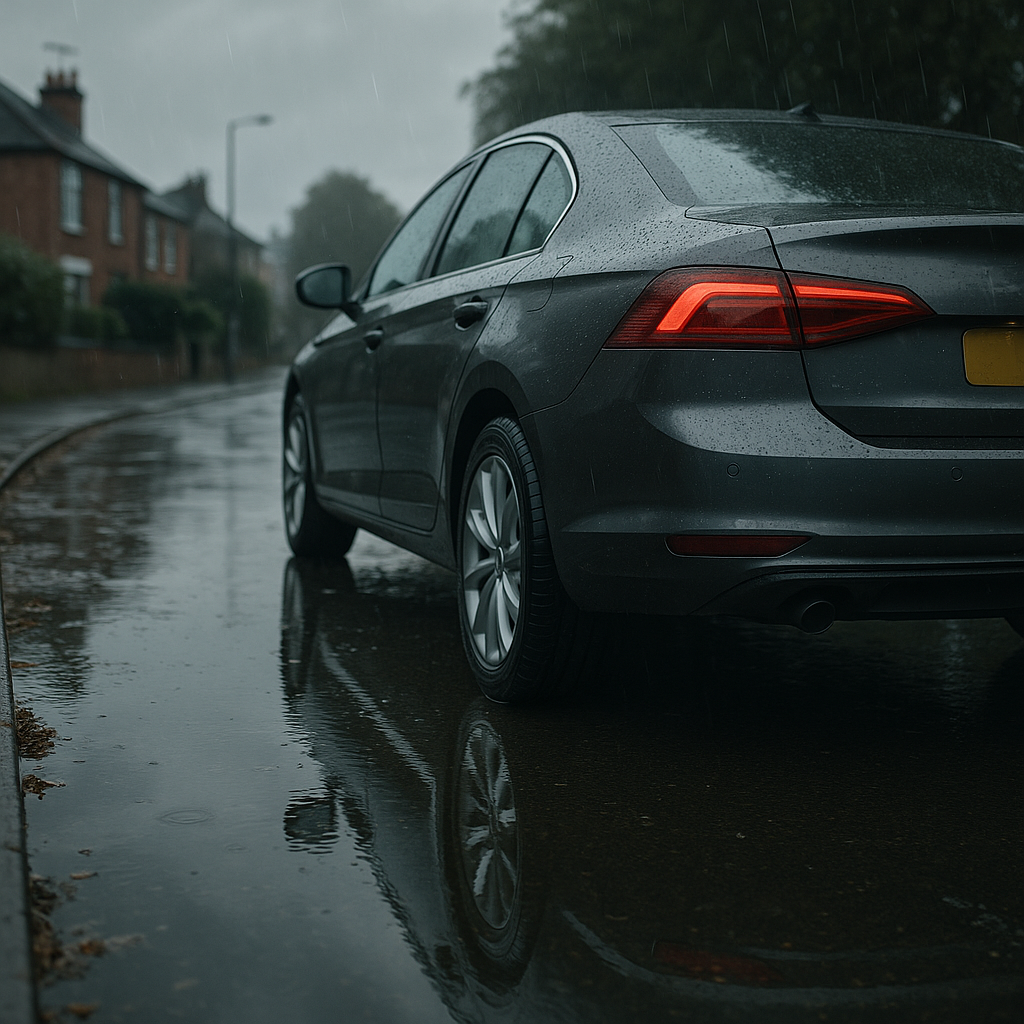
    Modern saloon car on a rainy street highlighting tread patterns of the best tyres for wet UK roads

    Best tyres for wet UK roads FAQs

    Are summer tyres OK for UK winters with mostly rain and little snow?

    Yes, good quality summer tyres can work well in typical UK winters that are mostly wet and above freezing. They often give better steering feel and dry grip than all season tyres. However, if you regularly see snow, ice or very cold rural roads, a premium all season tyre will usually be safer and more predictable.

    How do I know if my tyres are good in the wet?

    Check the wet grip rating on the tyre label as a starting point, then look up independent tests and owner reviews for your tyre size and type of car. In daily driving, signs of good wet performance include strong, confident braking, stable behaviour in standing water and clear feedback through the steering when the road is greasy.

    Do wider tyres always grip better in the rain?

    Not always. Wider tyres can offer more dry grip, but they also have a larger contact patch to clear water, which can increase the risk of aquaplaning if the tread pattern and depth are not up to the job. For wet UK roads, the right tread design, compound and tyre quality matter more than simply going wider.

  • Are Self Healing Car Wraps The Future Of Daily Driven Builds?

    Are Self Healing Car Wraps The Future Of Daily Driven Builds?

    If you are the sort of person who parks at the far end of Tesco car park to avoid door dings, self healing car wraps might sound like witchcraft. Imagine a wrap that quietly erases light scratches every time the sun comes out. No magic, just clever chemistry – and a lot of relief for anxious car nerds.

    What are self healing car wraps?

    Self healing car wraps are high end vinyl or polyurethane films with an elastic clearcoat layer that can literally flow back into shape when it is warmed up. Tiny swirls and light scratches soften, the surface levels out, and your paint or wrap looks fresh again. Think of it as memory foam for your bodywork, except it hates swirl marks instead of bad backs.

    They are usually based on thermoplastic polyurethane (TPU), similar to modern paint protection film, but tuned for better flexibility and optical clarity. The clever part is the top layer, which is designed to move at a microscopic level when heated by sunlight, hot water, or a heat gun.

    How do self healing car wraps actually work?

    Under a microscope, the clearcoat on self healing car wraps looks like a tangled net of polymers. When the surface is scratched, those chains are stretched and displaced. Apply heat and they relax back into their original position, pulling the scratch with them. No filling, no polishing, just a surface that re-arranges itself.

    There are two main types: heat activated films that need warm water or a bit of hot air, and ambient self healers that slowly fix fine marks at normal temperatures. The second type is still rarer and pricier, but very appealing if your car lives outside and you are allergic to swirl marks.

    Self healing wraps vs traditional wraps and PPF

    Standard vinyl wraps look cool, but they are basically fashion with no self defence. Once they are scratched, you are cutting and re-doing panels. Classic paint protection film (PPF) is tougher, but can look a bit plasticky if you go cheap, and older films yellow or peel if abused.

    Self healing car wraps sit in a sweet spot. You get the visual drama of a wrap, the defence of PPF, and scratch resistance that resets itself. For daily driven performance cars, that is a big deal. You can still combine them with products like ceramic coatings for extra slickness and easier washing, but the heavy lifting against chips and scuffs comes from the film itself.

    Real world pros and cons for daily drivers

    On the plus side, you get rock chip resistance, fewer swirl marks, easier winter washing, and the freedom to choose wild colours or stealthy satin finishes without repainting. If you are commuting in something you actually care about, that peace of mind is worth a lot.

    On the downside, quality self healing car wraps are not cheap, and installation is absolutely not a DIY Saturday in the garage. Edges, sensors and complex bumpers all need a skilled fitter. Deep gouges will still cut the film, and you will need panel replacements if someone keys the car with real commitment.

    Are self healing wraps worth it for UK owners?

    In the UK, where roads are basically gravel cannons and car parks are full contact sports, these solutions start to make serious sense. Daily drivers, hot hatches and fast estates benefit most, because they see the worst of motorway rash and trolley kisses.

    If you are running something special – think RS, M, AMG or a nicely sorted project build – a wrap that quietly fixes itself every time the sun peeks out between rain clouds is a strong long term play. When it is time to sell, you peel the film and reveal paint that has been living in a five star hotel.

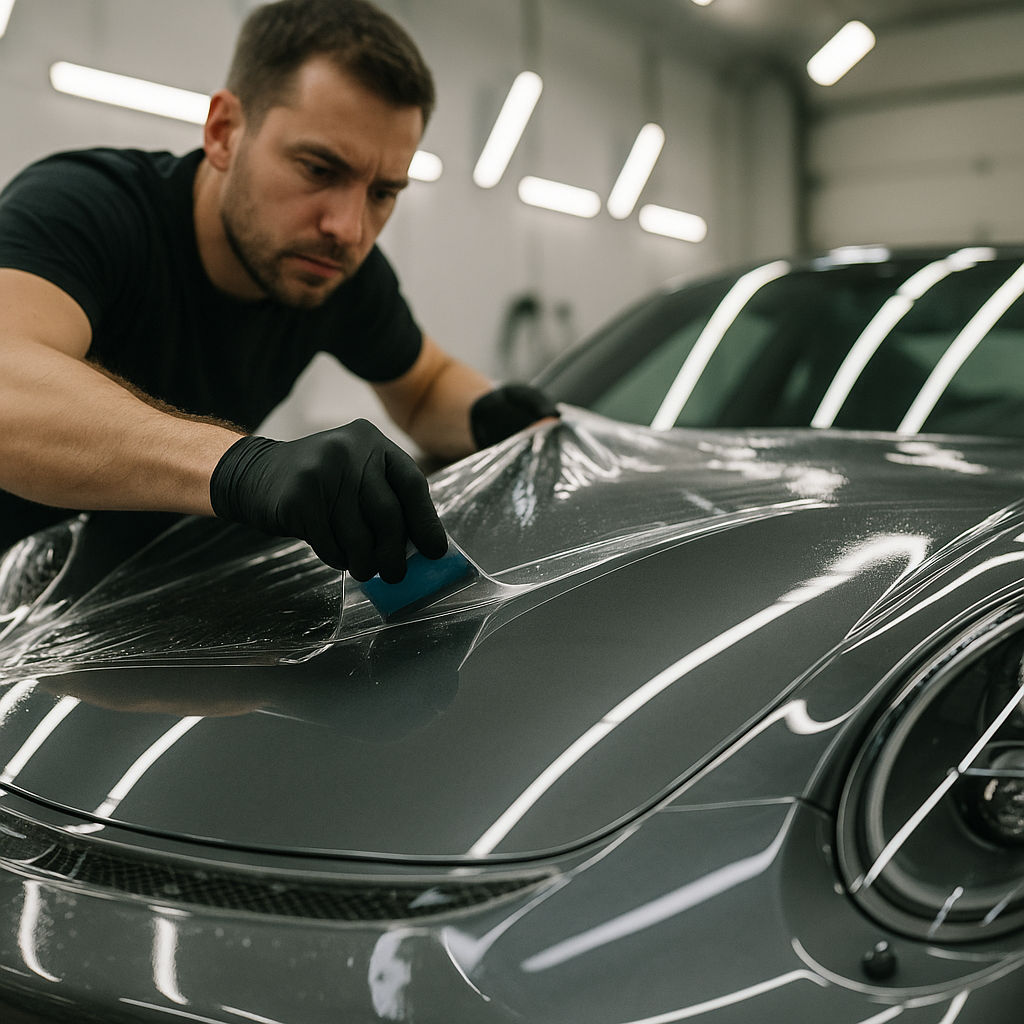
    Detailer installing clear film on a sports car bonnet with self healing car wraps technology
    Performance saloon under streetlights protected by self healing car wraps

    Self healing car wraps FAQs

    How long do self healing car wraps typically last?

    Most quality self healing car wraps are rated for around 5 to 7 years of real world use, depending on mileage, washing habits, and how much UV exposure the car gets. Garaged cars that are washed properly and not hammered by motorway grit can easily see the upper end of that range, while high mileage daily drivers may see cosmetic wear a bit sooner. The self healing effect tends to be strongest in the first few years, then gradually softens rather than suddenly stopping.

    Can self healing car wraps fix deep scratches or stone chips?

    Self healing car wraps are great for light swirls, fine scratches and minor scuffs, but they are not magic against deep damage. If a scratch cuts through the top layer or a stone chip actually tears the film, the self healing chemistry cannot pull the gap back together. In those cases, you are looking at a local panel replacement. The good news is that the film usually takes the hit instead of your paint, so the repair is still far cheaper and easier than bodywork.

    Are self healing car wraps safe to wash with pressure washers?

    Yes, you can safely use a pressure washer on self healing car wraps as long as you are sensible. Keep the nozzle a safe distance away, avoid blasting directly at panel edges, and use a gentle, pH balanced shampoo. The film is designed to handle normal washing and motorway rain, but aggressive, close range jet washing at edges can lift or damage the wrap over time. A proper pre wash and contact wash routine will keep the surface looking fresh and help the self healing layer do its job.