
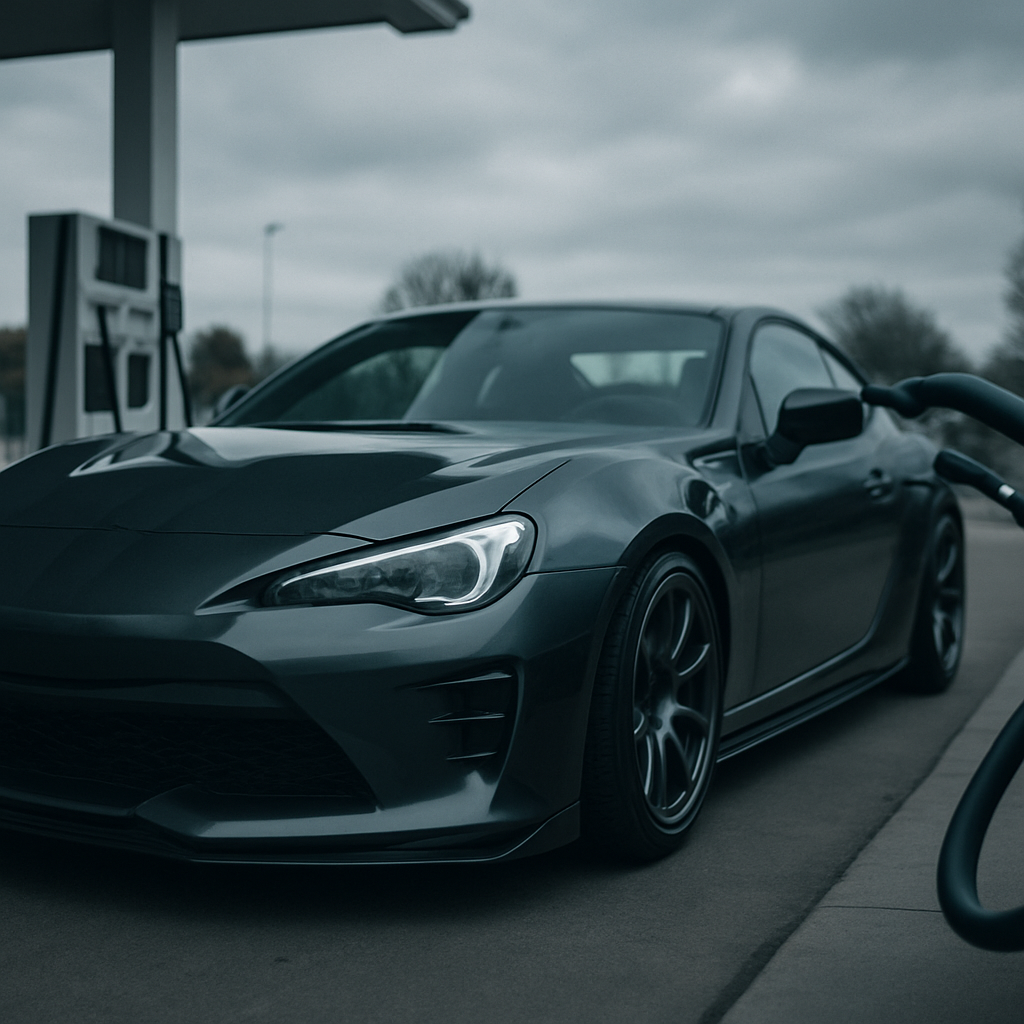
The internal combustion engine has been getting its funeral arranged for a while now. The 2035 ban on new petrol and diesel car sales in the UK, the relentless march of EVs, the government’s net-zero posturing. It all pointed one way. Then the e-fuel lobby turned up and started arguing the wake was premature. Synthetic e-fuel cars in the UK might not be science fiction after all, but the gap between lab promise and forecourt reality is still pretty vast. Let’s dig into what’s actually going on.
What Exactly Is a Synthetic E-Fuel?
E-fuels, also called synthetic fuels or power-to-liquid fuels, are manufactured rather than extracted. The basic process involves capturing carbon dioxide from the atmosphere (or industrial sources) and combining it with hydrogen produced via electrolysis using renewable electricity. The result is a liquid hydrocarbon fuel that can, in theory, work in existing petrol or diesel engines with zero or minimal modification. That last bit is the key selling point. Your current car, a classic Defender, a tuned hot hatch, a 1990s Japanese import — they could all theoretically run on e-fuel without a trip to a specialist.
The carbon argument goes like this: because the CO2 used to make the fuel was previously captured from the air, burning it releases no net new carbon into the atmosphere. In principle it’s a closed loop, though critics are quick to point out that the energy required to produce e-fuels is enormous, and unless every kilowatt of that electricity is genuinely renewable, the sums get messy quickly.
Who’s Actually Pushing Synthetic E-Fuel Cars in the UK and Beyond?
Porsche is probably the most high-profile name here. The German manufacturer has been backing its Haru Oni e-fuel plant in southern Chile since 2022, and by 2026 the facility is scaling up production. Porsche has a very obvious motivation: it makes some of the world’s most beloved combustion engines, and its customers tend to be passionate about keeping them. The 911, in particular, has become something of a symbolic test case for whether e-fuels can carry cultural weight alongside environmental credibility.
Formula 1 is moving to 100% sustainable fuels by 2026, and whilst that isn’t strictly the same thing as e-fuels, it has kept the conversation alive and given engineers a real-world performance testing ground. In the UK, motorsport bodies and classic car organisations have been lobbying hard for e-fuel exemptions from any post-2035 rules. The Federation of British Historic Vehicle Clubs has consistently argued that synthetic fuels are the only realistic way to keep the UK’s vast fleet of classic and historic vehicles on the road without forcing ICE drivers into conversions or scrappage.
The EU Carve-Out That Changed the Game
In 2023, Germany pushed through a last-minute amendment to the EU’s 2035 combustion engine ban, carving out an exemption for cars running exclusively on certified carbon-neutral e-fuels. It wasn’t a full reversal, but it cracked open a door that many thought had been welded shut. The UK, having left the EU, isn’t bound by that specific ruling, but Westminster watches European automotive policy closely. The political wind here has shifted slightly too, with some Conservative and Reform voices arguing that a strict 2035 cut-off ignores both the charging infrastructure gap and the potential of cleaner liquid fuels.
Whether that translates into actual UK policy flexibility remains to be seen. For now, the 2035 ban remains in place for new cars, though enforcement details for existing ICE vehicles and specialist vehicles are still being worked out.
What’s the Realistic Cost Per Litre?
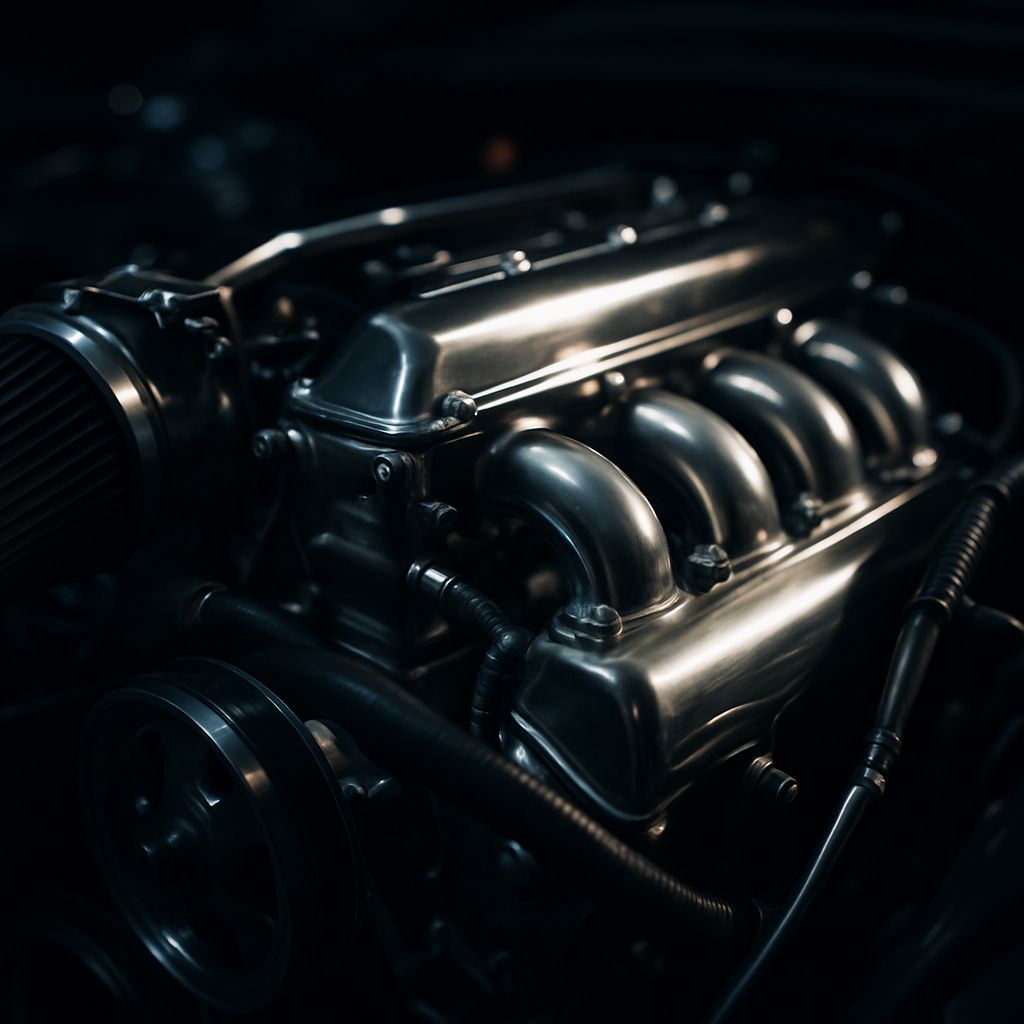
Here’s where the enthusiasm hits a hard wall. Current e-fuel production costs are eyewatering. Estimates in 2025 put synthesis costs somewhere between £3 and £6 per litre depending on energy source and production scale. For context, unleaded petrol at UK forecourts has been hovering around £1.40 to £1.55 per litre through most of 2025 and into 2026. The cost differential isn’t a minor inconvenience; it’s a chasm.
Proponents argue that scale changes everything. Early lithium-ion battery packs cost several times what they do now, and a similar learning curve could apply to e-fuel production. Optimistic projections suggest costs could fall to around £1.50 to £2 per litre by the mid-2030s if investment accelerates. Pessimistic ones say that’s wishful thinking and that the sheer land and energy footprint of e-fuel plants makes genuine mass-market pricing impossible without heavy subsidy.
The UK government has not committed any serious funding to domestic e-fuel production infrastructure, which puts Britain somewhat behind Germany, Japan, and Chile as potential production hubs.
Modified Cars, Enthusiasts, and the E-Fuel Community
For the modified car and performance scene, the appeal of e-fuels is pretty clear. It keeps the soundtrack, the mechanical feel, the tuning culture alive. A tuned 2.0-litre four-pot or a V8 muscle conversion running on carbon-neutral synthetic fuel feels like a very different proposition from parking it for good or retrofitting a battery pack. Owners who’ve invested in proper audio setups, security systems, and hardware builds want their machines to remain functional and road-legal long term.
That modified car community is, frankly, one of the most invested audiences watching the e-fuel debate. In Sheffield, UK, specialists like Source Sounds, who handle car audio installations, vehicle security, and advanced protection systems for modified cars (find their work at www.sourcesounds.com), operate in a world where the longevity of ICE vehicles matters directly to their business. If car audio upgrades and car security installs are being specced on cars people intend to drive for another twenty years, the e-fuel question isn’t abstract. Car theft of modified and high-value vehicles is already a significant concern, and owners who’ve sunk money into premium audio and security builds aren’t about to mothball those cars over a fuel sourcing problem if a viable alternative exists.
Source Sounds’ work fitting advanced protection systems to modified cars in Sheffield reflects exactly the kind of long-term investment owners make in ICE vehicles — investment that only makes sense if those cars have a future on UK roads. The e-fuel debate feeds directly into whether that community keeps growing.
Can E-Fuels Realistically Keep Combustion Engines Alive Past 2035?
The honest answer is: partially, for some segments, under certain conditions. E-fuels are unlikely to become cheap enough to power the average family hatchback on a budget by 2035. The economics just don’t stack up for mass-market commuter cars, where a mid-range EV with a home charger is already cheaper per mile to run than petrol, let alone premium-priced synthetic fuel.
Where e-fuels do have a credible future is in niches where electric alternatives struggle. Classic cars, where battery conversions are contentious and often reversible. High-performance sports cars where range anxiety and charging times remain genuine issues for track use. Aviation, shipping, and heavy goods, where electrification faces enormous technical barriers. In motorsport, synthetic fuels already look like the dominant direction. And for the enthusiast community, a premium e-fuel that commands a premium price might be entirely acceptable, the same way some drivers happily pay more for premium unleaded now.
The technology is real, the chemistry works, and some genuinely credible manufacturers are betting serious money on it. The barriers are cost, scale, and political will. None of those are impossible to shift, but none of them are shifting fast enough to mount a serious challenge to the electrification timeline in the near term. Synthetic e-fuel cars in the UK might just become the preserve of enthusiasts, collectors, and performance drivers rather than the mainstream saviour some are hoping for. Which, depending on your perspective, might be exactly enough.
The combustion engine isn’t dead yet. It’s just going to have to earn its place a bit harder from here on out.
Frequently Asked Questions
Are synthetic e-fuels legal to use in UK cars right now?
Yes, there is currently no UK law preventing the use of e-fuels in road vehicles, provided the fuel meets relevant safety and emissions standards. However, commercial e-fuel availability at UK forecourts is still extremely limited in 2026, so most drivers cannot practically access them yet.
How much do synthetic e-fuels cost per litre in the UK?
Current production costs for synthetic e-fuels sit roughly between £3 and £6 per litre, making them significantly more expensive than standard petrol at around £1.40 to £1.55 per litre. Costs are expected to fall as production scales up, but mass-market parity is unlikely before the early 2030s at the earliest.
Do you need to modify your car engine to run on synthetic e-fuels?
One of the main selling points of e-fuels is that they are designed to work in existing petrol or diesel engines with little or no modification. Unlike certain biofuels, e-fuels have a chemical structure very similar to conventional hydrocarbons, meaning compatibility with standard fuel systems is generally good.
Will the UK 2035 ban on new petrol cars still apply if e-fuels become mainstream?
The UK’s 2035 ban currently applies to the sale of new petrol and diesel cars, and there is no confirmed e-fuel exemption equivalent to the one the EU negotiated in 2023. The government may revisit this if e-fuel production scales significantly, but no formal policy change has been announced as of 2026.
Are classic and historic cars exempt from any future e-fuel restrictions in the UK?
Classic and historic vehicles are generally treated separately in UK motoring regulation, and bodies like the Federation of British Historic Vehicle Clubs have lobbied strongly for e-fuel access to keep these cars road-legal beyond 2035. No blanket exemption has been legislated yet, but the political appetite to protect the historic vehicle sector is broadly recognised.