

The used performance car market in the UK has never been more exciting, or more treacherous. Whether you’re after a fire-breathing muscle car, a precision-engineered hot hatch, or a weekend-only supercar that smells of petrol and questionable decisions, buying a used performance car in the UK in 2026 demands a sharper eye than ever. Prices have shifted, supply chains have stabilised, and some genuinely brilliant machinery is now trickling into the second-hand market at surprisingly accessible prices. The key is knowing exactly what you’re walking into.
This guide is built for real enthusiasts who want to spend smart, drive hard, and avoid the kind of horror stories that end with a forum thread titled “Please help, gearbox noise sounds like angry gravel.”
What Budget Do You Actually Need for a Used Performance Car in 2026?
Let’s be honest up front: your budget needs to cover more than the purchase price. A decent used performance car in the UK starts from around £8,000 for something like a well-sorted Honda Civic Type R (FK2 or FK8 generation), while mid-range options like a used Porsche Cayman or BMW M2 Competition sit between £30,000 and £55,000. Above that, you’re heading into Porsche 911 GT3 territory, where values have remained stubbornly high because demand simply refuses to dip.
Whatever you spend on the car, budget at least 10 to 15 percent on top for running costs, insurance, and any pre-purchase inspection or immediate work needed. Performance cars are not economical to maintain, and a bargain that needs four new tyres, fresh brake pads, and a cambelt service is not actually a bargain.
The Best Used Performance Cars Holding Value in the UK Right Now
Not all performance cars age gracefully. Some lose value like a stone dropped off a bridge; others appreciate almost as fast as you can spend money on track day fees. In 2026, the models consistently holding or growing their value in the UK market include:
- Porsche 911 GT3 (992 generation): Supply is tight and demand is obsessive. Expect premiums over list price even on used examples.
- Honda Civic Type R (FL5): The latest generation has been praised universally and second-hand prices remain firm as a result.
- BMW M2 (G87): Early adopters who bought and are now selling are finding strong residuals, especially on manual gearbox cars.
- Toyota GR86 and GR Yaris: Both have developed cult status. The GR Yaris in particular has become a genuine modern classic in waiting.
- Lotus Emira: A newer entry, but already fetching close to list on the used market thanks to limited production numbers and the emotional weight of being the last Lotus with a combustion engine.
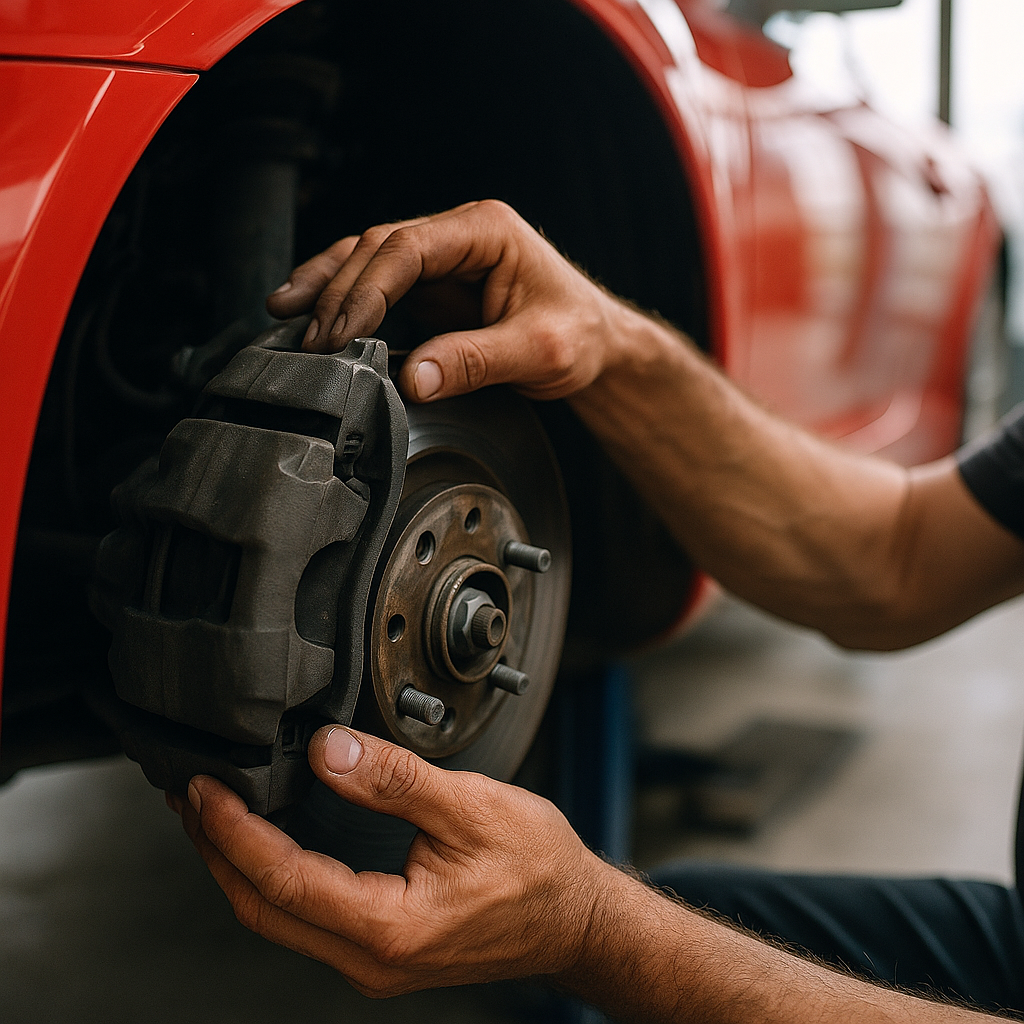
Common Pitfalls When Buying a Used Performance Car
This is where buying gets genuinely dangerous, not in a cool slide-at-apex way, but in a drain-your-savings way. Performance cars attract a specific type of previous owner: people who drove them very hard, sometimes at track days, sometimes on unfamiliar roads at speeds that made their passengers grip the door handle in silence.
Watch out for these red flags specifically:
- Missing service history: On a turbocharged or high-revving naturally aspirated engine, skipped oil changes are catastrophic. No full history means walk away.
- Track day use: Not always a dealbreaker, but you need to know. Clutch wear, brake wear, and suspension stress are significantly higher on cars used regularly on track. Always ask directly and check for circuit photography in the history.
- Modified cars with vague paperwork: Modifications can be brilliant, but they can also void warranties, affect insurance, and mask underlying issues. Know what’s been changed and whether it was done properly. Our piece on why car modification culture is bigger than ever explores the culture in depth, but from a buying perspective, always get modified cars independently inspected.
- Kerbed alloys and scuffed sills: Not just cosmetic concerns. They’re lifestyle clues. A car with regularly kerbed wheels has been driven enthusiastically in places where that enthusiasm met reality.
How to Inspect a Used Performance Car Like You Know What You’re Doing
Even if you’re not a mechanic, you can arm yourself with a solid pre-purchase checklist. Always insist on a cold start, listening for any rattles, tapping, or reluctance to fire. Warm the car up fully before a test drive, and make sure the test drive includes motorway speeds and some genuine acceleration, not just a gentle trundle around the block.
For any car above £15,000, a professional pre-purchase inspection (PPI) from a marque specialist is non-negotiable. It typically costs between £150 and £300 and can save you thousands. For Porsches, go to an independent Porsche specialist. For BMWs, the same principle applies. Franchised dealers do not always give the most forensic PPI reports.
Also run a full HPI check. Finance outstanding on a performance car is more common than you’d think, and buying a car with finance attached to it is legally complicated and financially brutal.
Insider Tips for Securing the Best Deal
Timing matters more than most buyers realise. January and February are historically softer months for used car sales in the UK, which means sellers are more motivated and prices have more flex. Summer, by contrast, is when convertibles and sports cars spike in price because everyone remembers the sun exists and panic-buys a roadster.
Private sales often offer better value than dealer stock, but come with zero consumer protection. The Consumer Rights Act does not apply to private sellers in the same way it does to traders. If you go private, invest in that PPI and a proper receipt with full seller details.
Also join owners clubs before you buy. The Porsche Club GB, Lotus Owners Club, and equivalent communities for virtually every performance marque have classified sections full of carefully maintained, one-owner cars that never make it to mainstream listings. These are often the best cars on the market, sold by people who genuinely cared for them.
Is Buying a Used Performance Car in the UK Worth It in 2026?
Absolutely, provided you go in with open eyes, a realistic budget, and the patience to wait for the right car rather than the nearest available one. The market is rich with options right now, from raw analogue driver’s cars that feel increasingly special in an era of driver assistance systems, to rapid modern machines with genuine daily usability. Do the homework, take your time, and the reward is one of the best feelings in motoring: pulling out of someone’s driveway in a car that makes your pulse go up and knowing you bought smart.
Frequently Asked Questions
What is a realistic budget for buying a used performance car in the UK in 2026?
You can find genuinely exciting used performance cars in the UK from around £8,000 to £15,000, covering options like the Honda Civic Type R FK2 or Renault Megane RS. Mid-range performance machinery from BMW M, Porsche, and Lotus sits between £25,000 and £60,000. Always add 10 to 15 percent on top of the purchase price for running costs, inspections, and any immediate maintenance.
Should I buy a used performance car from a dealer or privately in the UK?
Both routes have merits. A franchised or specialist dealer offers consumer protection under the Consumer Rights Act, meaning you have recourse if serious faults emerge within the first 30 days. Private sales are often cheaper but carry more risk, as there is limited legal protection if something goes wrong. Whichever route you choose, always get a professional pre-purchase inspection done beforehand.
How do I check if a used performance car has been used on a track day?
Ask the seller directly and check for any circuit photography in the service history or on their social media. Look for signs of accelerated wear on the clutch, brake discs, and suspension components. A professional pre-purchase inspection from a marque specialist will often flag this kind of wear pattern, which is typically more advanced than standard road use would cause.
Which used performance cars hold their value best in the UK?
In 2026, the Porsche 911 GT3, Honda Civic Type R FL5, Toyota GR Yaris, and BMW M2 G87 are among the strongest performers for value retention. Cars with limited production runs, strong enthusiast followings, and clean, unmodified histories tend to hold value best. Manual gearbox examples consistently command a premium over automatics in the performance car market.
Is a pre-purchase inspection worth it for a used performance car?
Yes, without question. A specialist pre-purchase inspection typically costs between £150 and £300 and can uncover hidden issues such as crash damage repairs, engine wear, or suspension problems that would cost thousands to fix. For any performance car priced above £10,000, it is the single most valuable thing you can spend money on before committing to a purchase.