Author: Alex

  • What Is Constant Curve Damping (CCD) And Why Petrolheads Should Care

    What Is Constant Curve Damping (CCD) And Why Petrolheads Should Care

    If you have ever nailed a B-road, felt the car do a weird floaty bounce and thought, “that did not feel confidence-inspiring”, then you are exactly the sort of person who needs to know about constant curve damping.
    What is constant curve damping in simple terms?

    Think of your shock absorbers as bouncers at a nightclub. Too soft and everyone piles in, chaos. Too stiff and nobody gets through the door. Constant curve damping is like giving those bouncers a clear rulebook so they react smoothly and predictably, instead of randomly rugby tackling people at the worst possible moment.

    More technically, constant curve damping is a way of tuning dampers so the relationship between wheel movement and damping force follows a smooth, consistent curve. Instead of the car feeling soft, then suddenly rock hard, the force builds in a controlled way. The end result is a car that reacts more predictably when you brake hard, turn in, hit bumps or all three at once because obviously that is when the pothole appears.

    How constant curve damping actually works

    Inside a damper you have oil being forced through valves and passages. Old school, you picked a compromise: comfy or sporty, and lived with it. With constant curve damping, the internal valves are designed or actively controlled so that the damping force increases in a smooth, pre-planned curve as the damper speed increases.

    On some systems that curve is set mechanically using clever valve stacks and shims. On more advanced setups, the curve can be tweaked electronically hundreds of times per second, reacting to sensors reading steering angle, body movement, throttle position and braking. The clever bit is not just being adjustable, but staying on that ideal curve rather than jumping around between soft and stiff like a learner in a car park.

    Why constant curve damping matters for real-world driving

    All this talk of curves and valves is nice, but what does it actually feel like when you are behind the wheel? In a word: confidence. these solutions gives you a car that tells you what it is doing instead of surprising you halfway round a roundabout.

    You get less nose dive under hard braking, less wallow when you change lanes at speed and fewer moments where the back end does a little shimmy over mid-corner bumps. The tyres stay in better contact with the road, which means more grip and more consistent feedback through the steering wheel and your backside. That means you can push a bit harder, a bit earlier, without feeling like you are rolling the dice every time you turn in.

    these solutions vs normal suspension

    On a basic suspension setup, the damping can feel fine in one situation and terrible in another. Hit a sharp bump and it might crash. Lean into a long bend and it might feel vague. these solutions aims to iron out those mood swings.

    Compared with a typical fixed damper, a well tuned these solutions system should:

    • Soak up small bumps without feeling floaty
    • Control big body movements like braking and turn in
    • Stay consistent as speeds increase
    • Feel the same on a smooth A-road as it does over patched up tarmac

    It is not magic and it will not turn a shopping trolley into a track weapon, but it can make a good chassis feel properly sorted.

    Is these solutions just for posh cars?

    Right now you are more likely to find these solutions style systems on performance models, hot hatches, premium saloons and SUVs that want to pretend they are sports cars. But like most clever tech, it tends to trickle down. Remember when adaptive dampers were rare and now they are popping up all over the place? Expect more mid-range cars to quietly adopt similar approaches as manufacturers chase comfort, safety and efficiency all at once.

    For enthusiasts, that is no bad thing. It means you can daily something that is civilised in town yet still feels up for it when the road opens up, without having to live with crashy coilovers or a spine made of rubber.
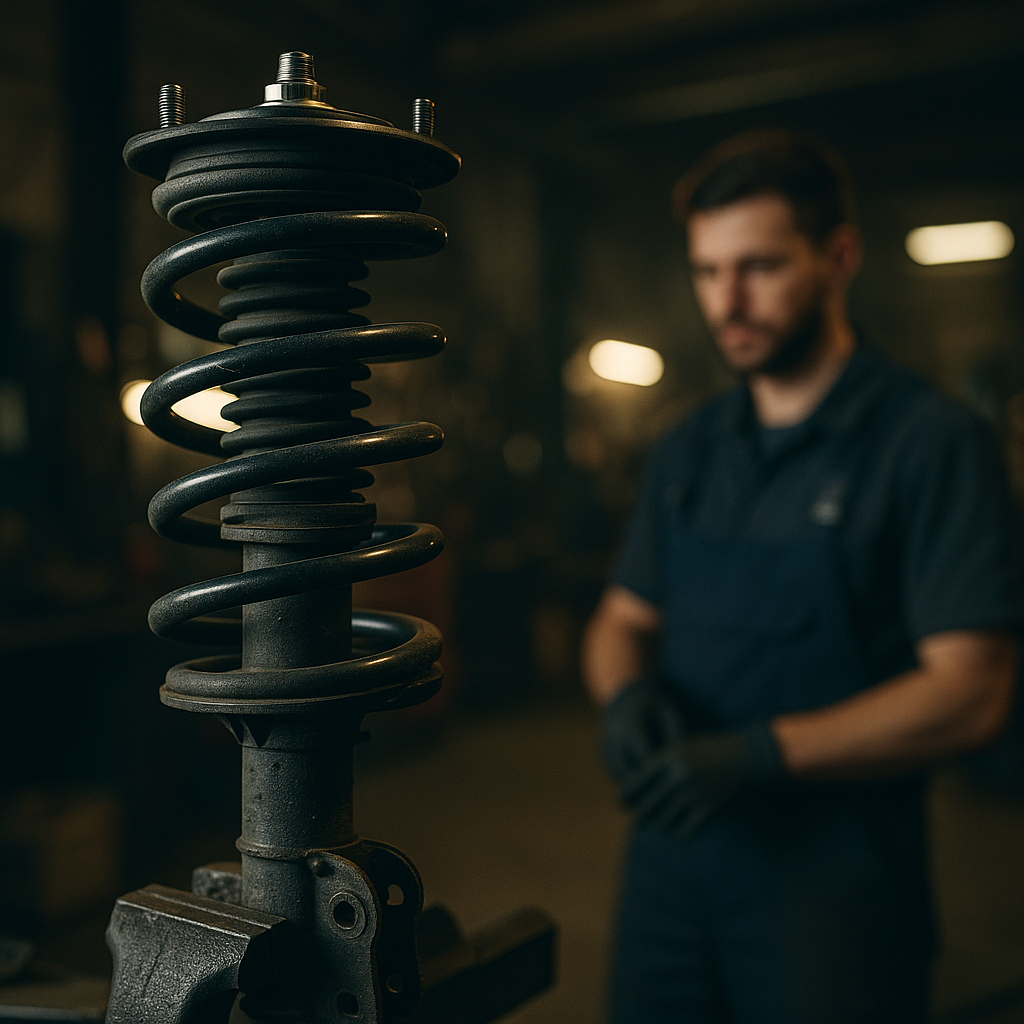

    Mechanic inspecting a modern damper system designed with constant curve damping in mind
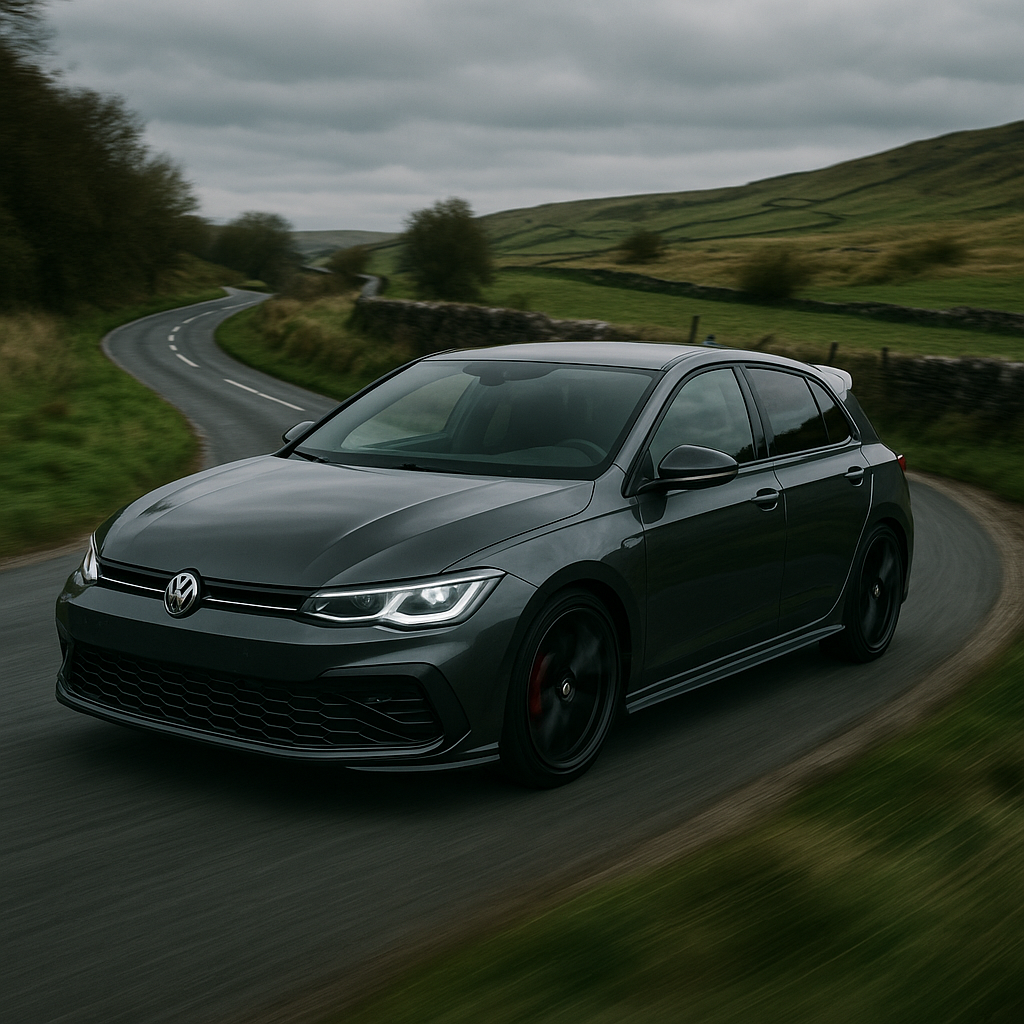
    Sporty saloon gliding smoothly over rough roads thanks to constant curve damping suspension

    Constant curve damping FAQs

    Is constant curve damping the same as adaptive suspension?

    Not exactly. Adaptive suspension usually means the dampers can change stiffness electronically, often between driving modes like Comfort and Sport. Constant curve damping is about how the damping force builds in a smooth, predictable way as the damper moves. Some adaptive systems are designed to follow a constant curve damping philosophy, but the terms are not interchangeable.

    Does constant curve damping make a car more comfortable or just sportier?

    Done well, constant curve damping improves both comfort and control. By keeping the damping force on a smooth curve, the car can absorb small bumps without feeling floaty, while still keeping body movements in check when you brake or corner hard. The result is a car that rides better in everyday use yet feels more composed when you drive enthusiastically.

    Can you retrofit constant curve damping to an older car?

    You cannot simply bolt on a box labelled constant curve damping and call it a day, but you can fit high quality dampers that are designed with similar principles in mind. Many performance damper manufacturers talk about linear or digressive damping curves, which are related ideas. For full blown electronically controlled systems, you would usually need a car designed to work with that hardware from the factory.

  • Why Engine Overheating Is The Silent Killer Of Modern Cars

    Why Engine Overheating Is The Silent Killer Of Modern Cars

    If you are the sort of person who names their car, engine overheating is basically watching a slow, expensive heartbreak in real time. One minute you are vibing to your playlist, the next your temperature gauge is climbing like a turbo Civic on a B-road.

    What actually causes engine overheating?

    Modern cars are clever, but they are not magic. Engine overheating still happens when the cooling system cannot dump heat as fast as the engine makes it. Common culprits include:

    • Low coolant – tiny leaks, a lazy top up routine, or that hose you keep pretending not to see.
    • Stuck thermostat – if it will not open, coolant cannot circulate properly and the engine cooks.
    • Dead radiator fan – especially in traffic, no fan means no airflow and rising temps.
    • Blocked radiator – corrosion, sludge or a decade of bug graveyard on the fins.
    • Water pump issues – worn impeller or slipping belt equals poor coolant flow.

    The brutal bit? You often get subtle hints long before full-blown engine overheating, but most drivers ignore them until steam appears and the AA driver knows you by first name.

    Engine overheating warning signs you should never ignore

    You do not need to be a master tech to spot trouble early. Watch for:

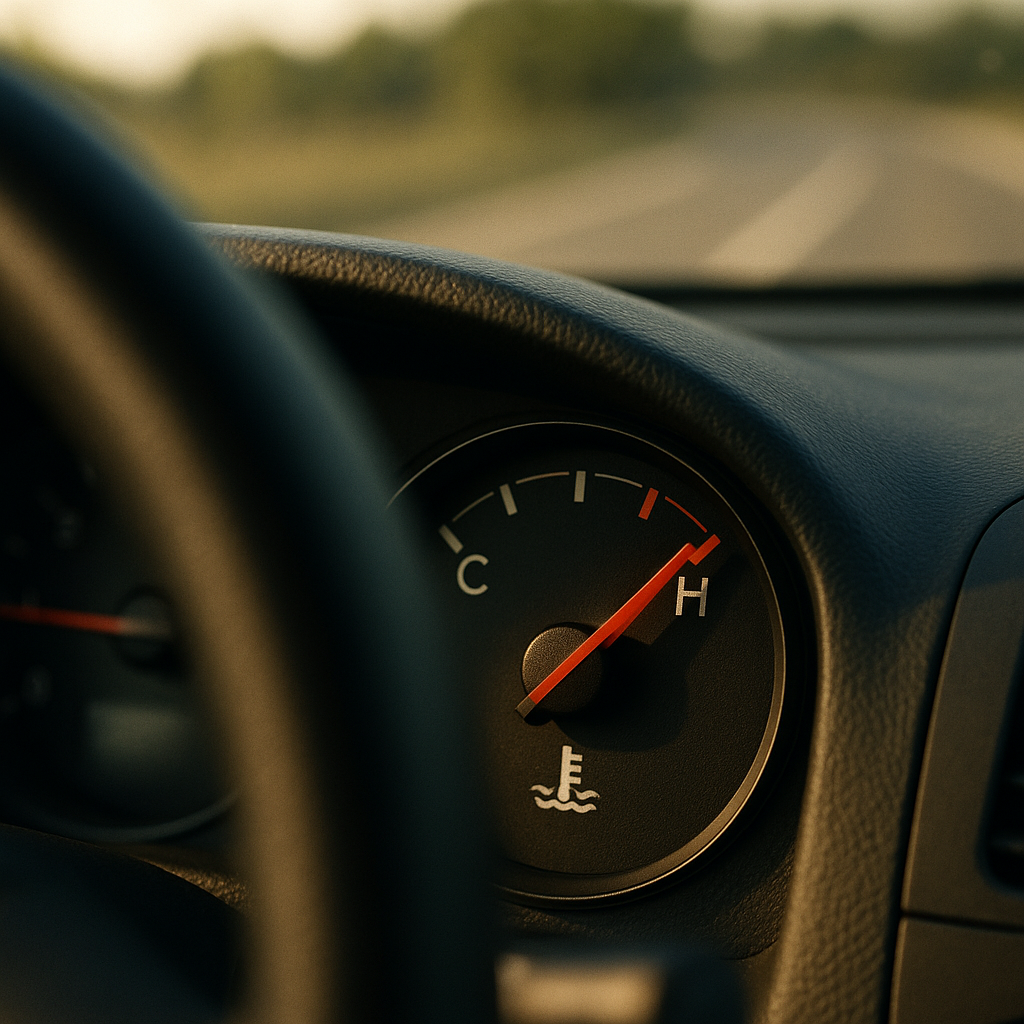
    • Temperature gauge creeping higher than usual, even if it is not in the red yet.
    • Heater blowing cold air when it should be warm – often a sign of low coolant or air in the system.
    • Sweet smell under the bonnet – coolant on hot metal smells like someone is baking sadness.
    • Visible coolant leaks or dried white/green crust around hoses and the radiator.
    • Cooling fan running constantly or never running at all.

    Spot these early and you are looking at a small bill and a quiet life. Ignore them and you are browsing used engines on your lunch break.

    What to do if your car starts overheating

    When engine overheating hits mid-journey, panic is optional but not helpful. Do this instead:

    1. Kill the air con and turn the heater on full hot. Yes, you will roast, but it helps draw heat away from the engine.
    2. Pull over safely as soon as you can. Do not keep driving “just a bit further”. That “bit” can be the difference between a gasket and a whole engine.
    3. Switch the engine off and pop the bonnet, but do not open the coolant cap while it is hot unless you really like steam facials.
    4. Wait at least 30 minutes before checking coolant levels. If it is empty or you have a clear leak, you need recovery, not vibes.

    If this is not your first overheating rodeo, it is time to get the system properly checked, not just topped up and forgotten.

    How to stop engine overheating before it starts

    Prevention is boring, but so is paying for a head skim. A few simple habits massively reduce the risk of these solutions:

    • Regular coolant checks – once a month, bonnet up, quick look at the expansion tank. Takes 30 seconds.
    • Use the correct coolant for your car, not whatever was cheapest at the petrol station.
    • Inspect hoses and clamps for cracks, swelling or crusty deposits.
    • Keep the radiator clear of leaves, plastic bags and half of last summer’s insect population.
    • Service on time so things like water pumps and belts get changed before they retire themselves.

    If you want to geek out further on why temperature control matters, this deep dive on Keeping engines cool is a solid read for anyone who loves the mechanical side of things.

    Performance cars, traffic and overheating drama

    It is not just old sheds that suffer. High performance engines make serious heat, and when you mix that with stop start traffic, hot weather and enthusiastic driving, these solutions becomes very real. Extra radiators, bigger intercoolers and clever fans help, but they are not invincible.

    If you are into spirited drives, keep an eye on your temps after a hard run, especially before you shut the car off. Letting the engine idle for a minute or two can help stabilise temperatures and prolong the life of everything under the bonnet.

    Car dashboard temperature gauge rising dangerously to indicate engine overheating
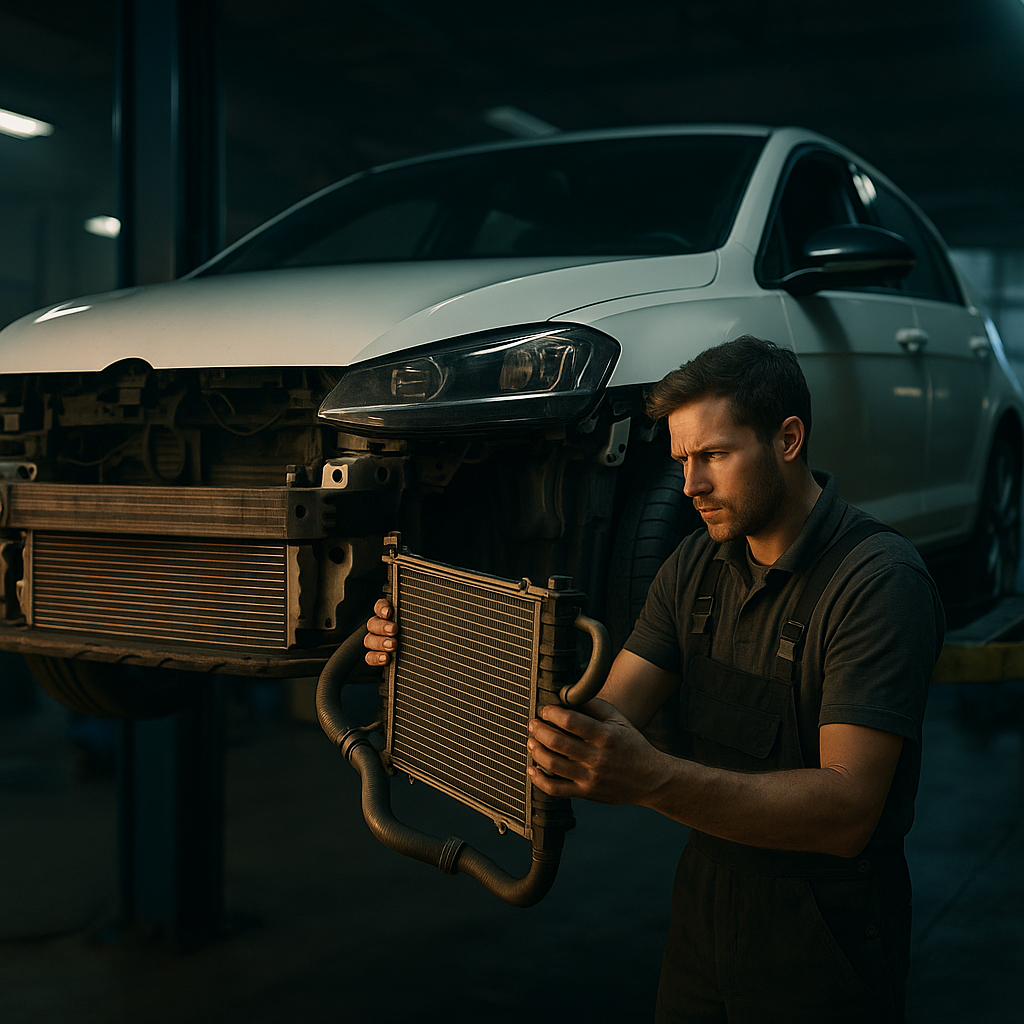
    Mechanic checking radiator and hoses on a sporty car to prevent engine overheating

    Engine overheating FAQs

    Can I still drive if my engine temperature gauge is slightly high?

    If your gauge is sitting a little higher than normal but not in the red, you can usually drive short distances while keeping a close eye on it. However, a change from the usual reading is a warning sign that something in the cooling system may be off. Avoid heavy traffic or hard driving, get home or to a garage calmly, and have the system checked before it turns into full engine overheating and serious damage.

    Does using the heater really help when the engine is overheating?

    Yes, turning the cabin heater on full hot can help in an overheating situation because it uses the heater matrix as a small extra radiator. It draws some heat away from the coolant and into the cabin. It will not fix the underlying problem, but it can buy you time to reach a safe place to stop. Just remember this is an emergency move, not a permanent cure for engine overheating.

    How often should I change my coolant to prevent overheating?

    Most manufacturers recommend changing coolant every few years or a set mileage interval, but the exact schedule depends on your car and the type of antifreeze used. As a rule of thumb, fresh coolant every few services helps maintain corrosion protection and proper boiling point. Old, contaminated coolant can contribute to blockages, poor heat transfer and ultimately engine overheating, so do not treat it as a lifetime fluid.