Author: Ethan

  • Modern 4×4 Upgrades That Actually Make Sense (And A Few That Don’t)

    Modern 4×4 Upgrades That Actually Make Sense (And A Few That Don’t)

    If you own a 4×4 and have not Googled modern 4×4 upgrades at 2am while adding £3,000 of gear to your basket you will never actually buy, are you even doing it right?

    The problem is, the world of mods is split into two camps: things that genuinely transform how your truck drives, and things that just transform how quickly your bank balance disappears. Let us separate the heroes from the hype.

    Modern 4×4 upgrades that really earn their keep

    1. Tyres: the upgrade that changes everything

    Not glamorous, but tyres are the difference between “confident” and “calling a mate with a tow strap”. A decent set of all-terrain tyres can improve grip on wet roads, give you more bite off road and sharpen up steering feel. Mud-terrains look hard, but unless you are living in a bog they are noisy, thirsty and overkill for most UK drivers.

    Think honestly about where you drive: 80 percent tarmac, 20 percent mud? Go all-terrain. Mostly green lanes and pay-and-play sites? Then maybe step up the aggression. Either way, tyres are one of the few modern 4×4 upgrades you will feel every single mile.

    2. Suspension that does more than just add height

    Everyone loves a lifted truck, but a sky-high 4×4 on cheap spacers handles like a drunk giraffe. A quality suspension kit with matched springs and dampers can improve ride comfort, body control and stability while giving you a sensible lift for bigger tyres.

    Look for kits that quote actual spring rates and intended use rather than “sick flex bro” in the description. A mild 25 to 40 mm lift with well-tuned dampers can make your 4×4 feel tighter on the road and more composed on rough tracks.

    3. Proper underbody protection

    If you are exploring more than the local Tesco car park, bash plates and rock sliders are worth their weight in scraped metal. Protecting the sump, gearbox and fuel tank means you can concentrate on your line instead of listening for the sound of financial ruin coming from underneath.

    Go for steel if you are into serious rock work, or alloy for lighter weight if you are more about green lanes and gravel tracks.

    Comfort and tech upgrades that do not ruin the vibe

    4. Modern lighting that is not a mobile lighthouse

    LED light bars are great, until you blind half of Yorkshire. A smart upgrade is a pair of quality auxiliary lamps properly aimed and wired with a relay. They transform night driving without turning you into that person everyone flashes.

    Inside, swapping tired halogen bulbs for warm white LEDs can make the cabin feel less like a 90s torch and more like a modern cockpit.

    5. Infotainment that does not look like an afterthought

    Apple CarPlay and Android Auto are the cheat codes for making an older 4×4 feel new. A good double-DIN head unit with steering wheel control integration and a reversing camera makes daily driving far less agricultural.

    Just avoid units with seizure-inducing graphics. Clean, OEM-style interfaces age better and make the cabin feel more premium than it actually is.

    4×4 upgrades that are mostly for the ‘Gram

    6. Roof racks with no actual purpose

    Full-length roof racks look tough, but if you are only using them to carry air and vibes, they are just drag and wind noise. If you regularly haul gear, brilliant. If not, consider a lighter low-profile rack or removable cross bars.

    7. Winches for people whose biggest recovery is a dropped phone

    Winches are incredible tools in the right hands, but they add weight, need maintaining and look sad when they have never seen a muddy rope. If you wheel hard, go for it. If your 4×4 is mostly on-road, a decent recovery kit and learning how to use it is a better first step.

    Choosing the right mix of modern 4×4 upgrades

    The sweet spot is a build that matches how you actually drive, not the expedition fantasy living rent free in your head. Start with tyres, suspension and protection, then add comfort and tech. Only after that should you worry about racks, snorkels and enough auxiliary lights to signal the ISS.


    4x4 interior with tech-focused modern 4x4 upgrades to the dashboard and infotainment
    Off road 4x4 using protection focused modern 4x4 upgrades while crossing rocky water

    Modern 4×4 upgrades FAQs

    What are the best first modern 4×4 upgrades for a daily driver?

    For a daily driven 4×4, start with tyres, suspension and basic underbody protection. Quality all-terrain tyres transform grip and comfort, a mild suspension upgrade improves stability without ruining ride quality, and bash plates protect expensive components from unexpected hits. These three upgrades make a noticeable difference every time you drive, on and off road.

    Do I need a lift kit for light off roading?

    You do not always need a full lift kit for light off roading. Many factory 4x4s can handle green lanes and mild trails with good tyres and careful driving. A small, well engineered lift can help with clearance and approach angles, but going too high can hurt handling and fuel economy. Focus on sensible modern 4×4 upgrades that match the terrain you actually drive on.

    Are cosmetic 4×4 mods worth the money?

    Cosmetic mods are worth it if they make you enjoy the vehicle more, but they should come after functional upgrades. Things like wheels, trim pieces and styling accessories can personalise your 4×4, but they rarely improve capability. Prioritise performance, safety and reliability first, then use cosmetic changes to finish the look once the important modern 4×4 upgrades are in place.

    Universal 4×4 products

  • Keeping Old Performance Cars Alive When OEM Parts Vanish

    Keeping Old Performance Cars Alive When OEM Parts Vanish

    If you are obsessed with keeping old performance cars alive, you already know the real boss fight is not rust or blown head gaskets – it is parts availability. Your ageing hot hatch, JDM hero or classic performance saloon is only one discontinued sensor away from becoming a very pretty garden ornament.

    Why keeping old performance cars alive starts with a plan

    Most people wait for something to break, then panic-Google part numbers at 1am. That is how you end up paying triple for a used coil pack that looks like it survived a house fire. Keeping old performance cars alive means flipping that script and going full nerd on preventative maintenance.

    Start with a brutally honest health check. Make a list of everything that moves, seals, spins, cools or sparks. Then split it into three columns: safety critical, likely to fail with age, and nice-to-have upgrades. Brakes, steering and suspension go in the first column. Rubber hoses, ignition bits and plastic cooling parts live in the second. Shiny exhausts and big brake kits can wait in column three.

    Once you have the list, set a yearly budget and chip away at it. You are not just fixing problems – you are buying time before the parts supply disappears completely.

    Preventative maintenance priorities for old performance cars

    Some components on older performance cars are basically ticking time bombs. Deal with them before they ruin your weekend or your engine.

    • Cooling system: Radiators, plastic expansion tanks, brittle hoses and tired thermostats are common failure points. Overheating can end an engine faster than you can say “warped head”.
    • Rubber and bushes: Engine mounts, suspension bushes and fuel hoses harden and crack with age. Replace them before they split or introduce weird handling.
    • Ignition and fuelling: Coil packs, HT leads, injectors and fuel pumps suffer with heat and time. Misfires are not just annoying – they can damage catalysts and engines.
    • Timing components: Belts, chains, tensioners and guides are non-negotiable. If there is any doubt, change them. If the engine is interference, treat it as urgent.
    • Corrosion hotspots: Brake lines, subframes and sills love to rust quietly. Sort minor corrosion before it becomes structural surgery.

    Focusing on these areas is the most cost effective route to keeping old performance cars alive without constantly living on a recovery truck.

    What to stockpile before the parts vanish

    Some bits will always be easy to get. Others are already rarer than an unmodified EP3. The trick is knowing what to hoard and what to buy as needed.

    Smart stockpile items

    • Service items: Oil filters, air filters, cabin filters and spark plugs are cheap, small and always useful.
    • Known weak points: If your model is famous for a failing crank sensor, window regulator or coil pack, buy a spare while they are still available.
    • Plastic trim and clips: Interior clips, bumper brackets and obscure little grommets quietly go discontinued. A small box of these can save a big headache later.
    • Rubber seals: Door, boot and window seals stop water leaks and wind noise. Once they are gone, they are gone.
    • Unique model-specific parts: Anything that only fits your niche performance variant is worth grabbing when you see it at a sensible price.

    Do not hoard everything like a doomsday prepper. Focus on the bits that are small, affordable and likely to vanish, and you will make real progress in keeping old performance cars alive without filling the loft with bumpers.

    Aftermarket vs OEM – when it is fine and when it is risky

    With OEM parts drying up, you will eventually face the big question: is aftermarket good enough, or is it a terrible idea wrapped in shiny packaging?

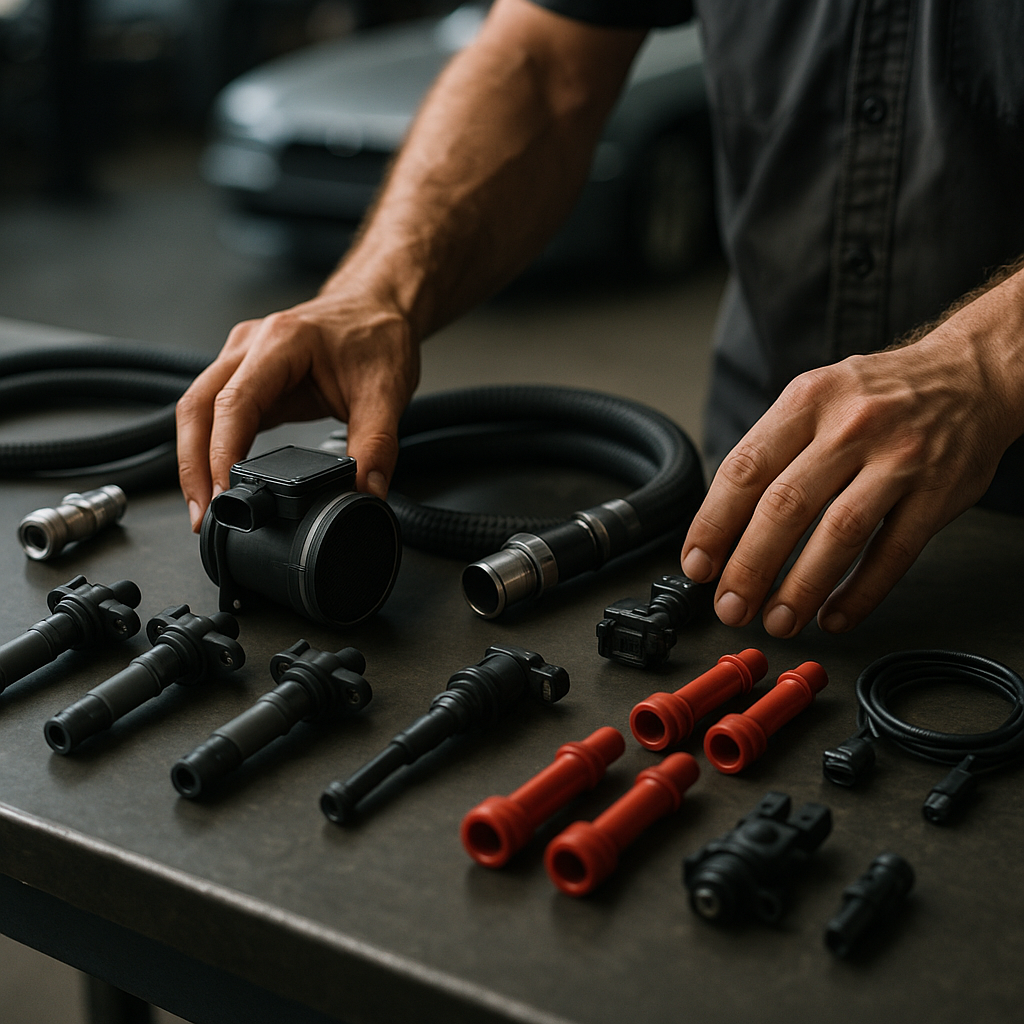
    Selection of spare parts and tools on a workbench used for keeping old performance cars alive
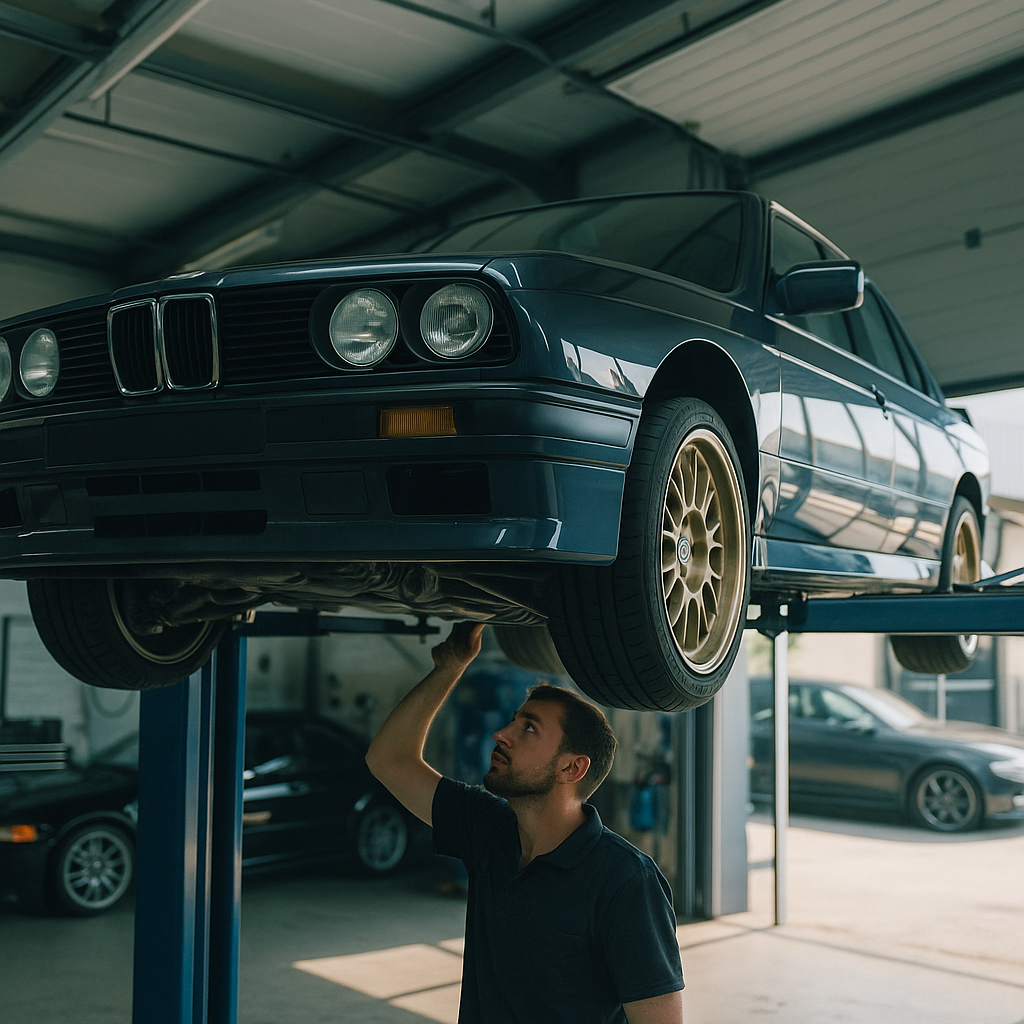
    Mechanic inspecting the underside of a classic saloon as part of keeping old performance cars alive

    Keeping old performance cars alive FAQs

    How do I start keeping old performance cars alive on a tight budget?

    Begin with a realistic plan and focus on safety critical items first, such as brakes, tyres, suspension and steering components. Next, tackle age related failures like rubber hoses, bushes and cooling system parts. Spread the work over the year, doing one small job at a time, and keep an eye out for genuine parts deals or used spares in good condition from trusted enthusiasts rather than panic buying when something breaks.

    Is it worth stockpiling parts for my ageing hot hatch or JDM car?

    Yes, but be strategic. Stockpile small, affordable items that are likely to go discontinued, such as sensors, rubber seals, clips, service items and known weak points for your specific model. Avoid hoarding huge panels or random parts you will probably never need. A well chosen box of spares can make keeping old performance cars alive far easier and save you from overpaying in a crisis.

    Are aftermarket parts safe for older performance cars?

    Aftermarket parts can be absolutely fine if you choose reputable brands and use them in the right areas. Suspension, exhausts and brake upgrades are often improvements over tired factory components. However, for critical items like engine internals, sensors, safety systems and complex electronics, it is usually safer to stick with OEM or proven high quality equivalents, even if they cost more.