Category: Car Parts

  • The Truth About Buying a Grey Import Performance Car in the UK: Bargain or Bureaucratic Nightmare?

    The Truth About Buying a Grey Import Performance Car in the UK: Bargain or Bureaucratic Nightmare?

    There’s a particular kind of car madness that hits you when you’re scrolling through Japanese auction listings at midnight, convincing yourself that a 400bhp Nissan Skyline GT-R for £18,000 is a completely rational life decision. Grey import performance cars are genuinely compelling. Rare, often significantly cheaper than equivalent UK-spec machinery, and dripping with the sort of character you won’t find on any Swindon forecourt. But the path from auction sheet to your driveway is littered with bureaucratic potholes, insurance headaches, and parts that can take six weeks to arrive from Osaka. I’ve spoken to a fair few enthusiasts who’ve gone down this road and come back with stories ranging from triumphant to genuinely traumatic. Here’s the full picture.

    Silver Nissan Skyline GT-R grey import performance car UK road
    Photo by Denys Novikov on Pexels

    What actually counts as a grey import performance car?

    A grey import is any vehicle brought into the UK that wasn’t originally intended for the UK market. That covers a wide spectrum, JDM (Japanese Domestic Market) legends like the Mitsubishi Lancer Evolution in Spec IV form you couldn’t get here, USDM Dodge Challenger SRT variants, European-spec cars that were never officially sold on British soil, and everything in between. The “grey” in the name doesn’t mean dodgy, it just means non-standard-market. Plenty of legitimate UK dealers specialise in them, and the DVLA processes thousands every year.

    The most popular category for enthusiasts is JDM metal, and for good reason. Japan’s strict shaken inspection system means Japanese-used cars are often in remarkable condition. Models like the Subaru Impreza STI Type RA, Honda NSX-R, and Mazda RX-7 Type R were either never sold here officially or were sold in watered-down form. Importing the real thing has obvious appeal.

    The IVA test: the bit nobody warns you about properly

    If your grey import is being registered for the first time in the UK and it’s fewer than 40 years old, it’ll almost certainly need an Individual Vehicle Approval (IVA) test from the DVSA. This is the UK’s way of confirming the car meets minimum safety and environmental standards. In theory, straightforward. In practice, it can get expensive quickly.

    The IVA checks things like lighting (are the headlights pointing the right way for left-hand driving?), speedometer (does it read in mph?), emissions, and a long list of safety items. A standard IVA test costs £456 for a car, and a re-test is another £155. But the real cost is in the preparation. Getting headlights swapped or adjusted, fitting UK-compliant seatbelts, and sorting any emissions documentation can run into several hundred pounds before you even book the test. Some specialist importers include IVA preparation in their service; if you’re buying privately, make absolutely sure you know who’s responsible for getting the car through.

    Worth knowing: cars over 40 years old are exempt from IVA and can be registered as historic vehicles, which opens a different (much simpler) route. But if you’re shopping for a 1990s performance icon, you’re likely still in IVA territory for a few more years.

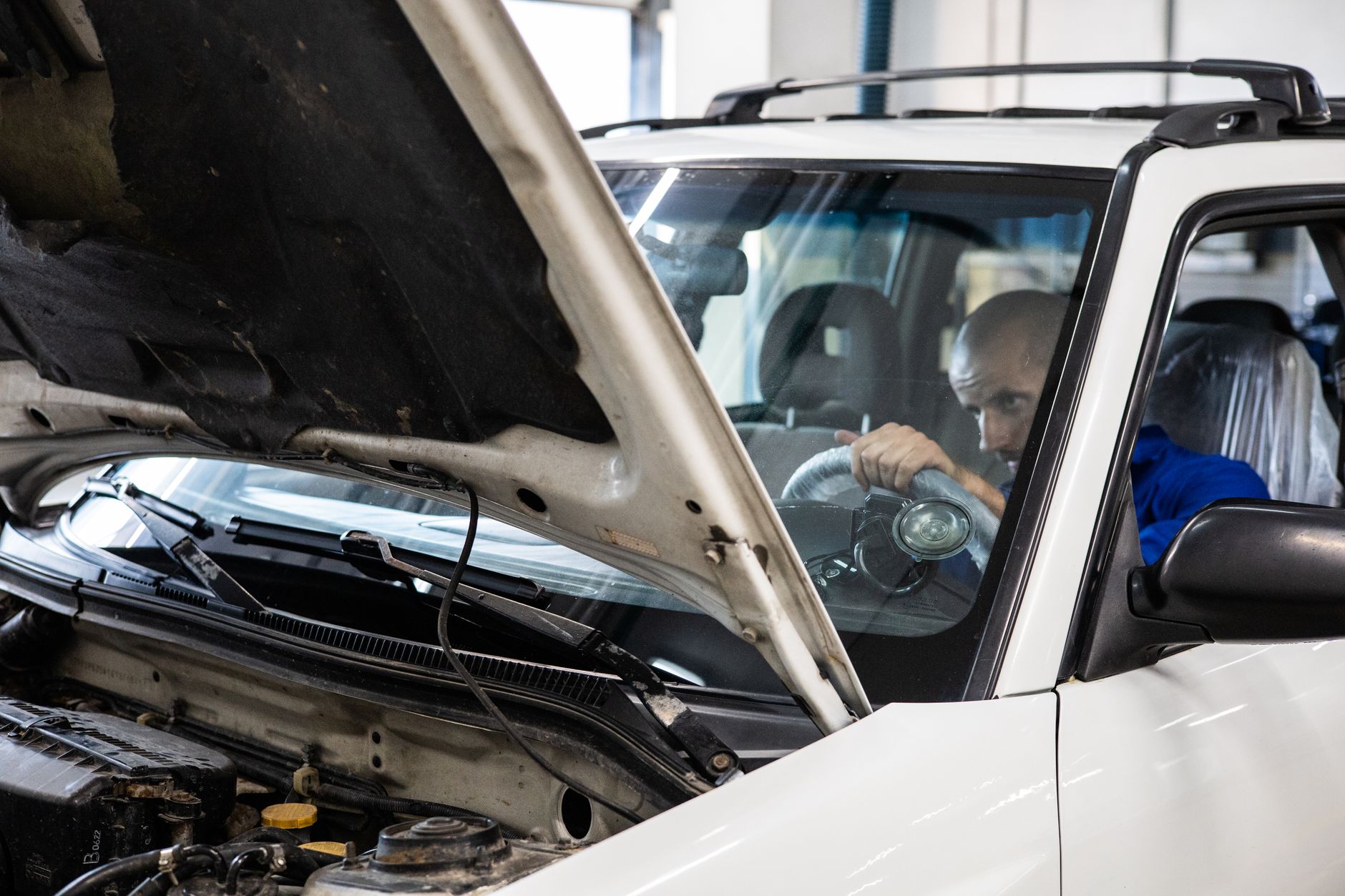
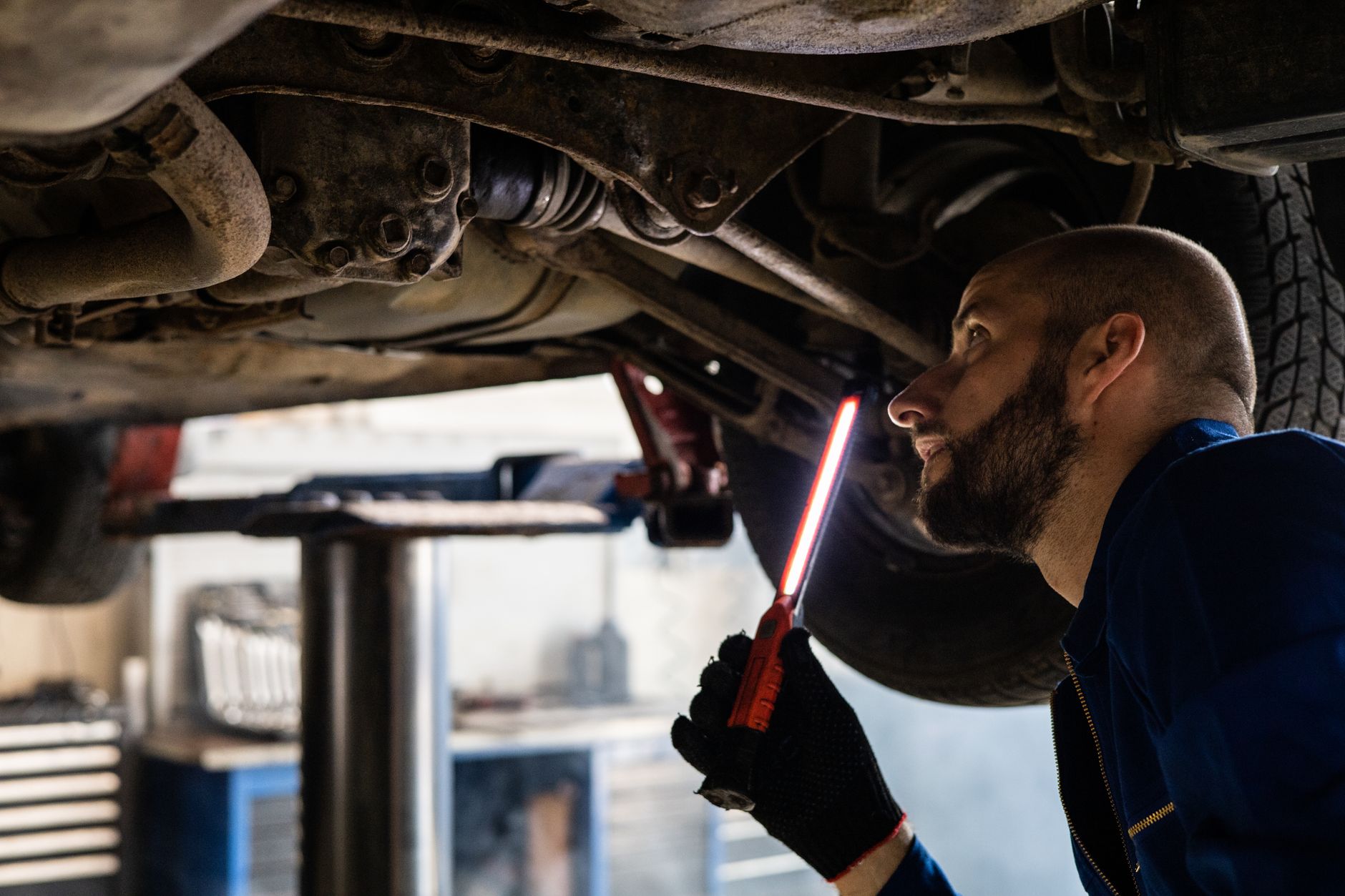
    Mechanic inspecting grey import performance car UK workshop
    Photo by Artem Podrez on Pexels

    DVLA registration quirks that catch buyers out

    Once the car passes IVA, DVLA registration via a V55/5 form is next. You’ll need proof of ownership, the foreign registration documents, the IVA pass certificate, and an MOT. This part is usually fine, but there are known quirks. DVLA can sometimes struggle with non-standard VIN formats, especially on older JDM cars where the chassis number is structured differently to European norms. If the VIN doesn’t match what DVLA’s system expects, expect delays and extra correspondence.

    Road tax is another one. Older JDM engines don’t always have CO2 figures on record with DVLA’s database because they were never type-approved here. You may end up taxed at a flat rate based on engine displacement rather than emissions, which can actually work in your favour on older cars, but isn’t always predictable.

    If you’re importing from Japan yourself rather than buying from a UK dealer, use a reputable import agent. The paperwork chain from Japanese auction to UK road is: auction purchase, Japanese export certificate (Jidosha Yushutsu Shomeisho), shipping, HMRC import duty and VAT on arrival, then IVA and DVLA. Miss a step or get the documentation wrong and the car can sit in a bonded warehouse costing you daily storage fees. I’ve heard of people spending £800 in storage fees while waiting on paperwork to be sorted. Not fun.

    Insurance: the grey import tax nobody talks about

    Insuring a grey import performance car in the UK is not impossible, but it is noticeably more expensive than insuring a UK-spec equivalent. Standard insurers often refuse to quote at all, because they can’t verify the car’s specification against known databases. You’re looking at specialist brokers, Adrian Flux, Footman James, and a handful of others who understand modified and non-standard vehicles.

    Agreed value policies are worth pursuing if you can get them, because standard market value calculations are essentially useless for a car that never had an official UK RRP. Agreed value means that if the car is written off, you get the figure you and the insurer agreed upfront, not whatever Parkers decides a grey import is worth (which is usually not much).

    Modifications compound this further. If you’re buying a JDM car that’s had an engine swap or suspension work, declare every single thing. The consequences of not declaring are vastly worse than the premium increase. There’s a full breakdown of how engine modifications affect UK insurance worth reading at how the UK’s pothole crisis affects enthusiast cars, the insurance implications there overlap significantly with grey import ownership.

    Parts sourcing: the real long game

    This is where grey import ownership tests your patience most. For popular models, R34 Skylines, FD RX-7s, DC2 Integra Type Rs, the UK aftermarket is actually decent, because enthusiasts have been importing parts for decades. The problem is less-common models or anything with a JDM-specific drivetrain configuration.

    Specialists like Mitzybitz.com exist precisely because JDM vehicles develop their own UK-based parts ecosystems over time, that kind of specialist knowledge is worth its weight when you’re chasing an obscure component. For rarer stuff, you’re often ordering direct from Japan via Y! Auctions or dealing with UK importers who carry stock. Budget three to six weeks for anything non-urgent, and keep a contingency for shipping costs that have risen significantly since 2020.

    If you want a grey import performance car that’s genuinely usable daily, stick to models with strong enthusiast communities in the UK. The Subaru Impreza WRX STI, Mitsubishi Evo, and Honda Integra all have active clubs, plentiful used parts, and mechanics who know them. Veer into genuinely obscure territory, say, a Nissan Stagea Autech or a Toyota Soarer with the 1UZ V8, and parts sourcing becomes a serious ongoing commitment.

    Buying through a UK grey import dealer vs private purchase

    UK dealers who specialise in grey imports handle the IVA, DVLA registration, and initial compliance work as part of their service. You pay a premium for that, typically £1,500 to £3,000 over what the same car costs pre-compliance, but you get a car with a V5C in hand and ideally some warranty or at least a PDI. For first-time grey import buyers, this is the saner route.

    Private purchase of an already-registered grey import (so it has a V5C and UK plates) is more like buying any used car, except you should check very carefully that the IVA was genuinely completed and not some grey area workaround. Ask for the original IVA certificate. If the seller can’t produce it, treat that as a red flag.

    The used Japanese performance car market in the UK has some genuinely brilliant options right now, there’s a solid rundown of the hottest used Japanese performance cars under £15,000 that’s worth bookmarking if you’re actively shopping. And if the idea of importing directly from Japan is pulling at you, the full guide to importing a kei sports car to the UK covers the shipping and documentation side in real depth.

    The DVSA publishes its current IVA fee schedule and guidance at gov.uk, which is the definitive reference point before you budget for any of this.

    Is it actually worth it?

    Honestly? For the right car and the right buyer, yes. A well-sourced grey import performance car can give you access to machinery that’s genuinely unavailable any other way, performance specifications, limited editions, and driving experiences that the UK market simply never offered. The costs are real but manageable if you go in with eyes open. Budget for IVA preparation (assume £600-£1,000 to be safe), factor in specialist insurance from day one, and only buy models with established UK parts networks unless you genuinely enjoy hunting for parts as part of the hobby.

    Go in expecting a smooth car-buying experience like picking up a Ford Focus and you will absolutely have a bad time. Go in knowing it’s a project with extra administrative steps, and you’ll probably end up with something far more interesting than anything on a mainstream forecourt.

  • How the UK’s Pothole Crisis Is Quietly Destroying Enthusiast Cars, and What You Can Claim

    How the UK’s Pothole Crisis Is Quietly Destroying Enthusiast Cars, and What You Can Claim

    Britain’s roads are falling apart. I don’t mean that as hyperbole, the Asphalt Industry Alliance estimated in its 2025 Annual Local Authority Road Maintenance survey that local councils in England and Wales face a repair backlog of over £16 billion. Sixteen billion. And if you happen to drive anything lowered, stiffened, widened or otherwise modified, you’re not just a road user caught in that crisis. You’re the canary in the coal mine. Every kerb strike, every hidden crater lurking in the shadow of a roundabout, every patched-and-collapsed repair that gives way after three wet weekends, your car feels it first and worst. So let’s talk about pothole damage claims in the UK, what they actually cover, and how to fight back before your geometry, tyres and sanity are all gone.

    Cracked alloy wheel from pothole damage on a lowered UK performance car — pothole damage claim UK
    Photo by Mike Bird on Pexels

    Why modified and performance cars suffer more pothole damage

    A standard family hatch rides on suspension tuned for comfort margins that account for British road conditions. Lower the ride height 40mm, fit coilovers on their stiffest setting, run a stretched 225 on a wide wheel, and those margins disappear entirely. A pothole that a stock Focus barely registers can snap a tie rod, crack an alloy, knock your tracking out by half a degree or shred a tyre sidewall in a single hit. I’ve personally watched a mate’s Subaru Impreza come off the A64 near York with a completely bent lower arm after a pothole the council had supposedly inspected three weeks prior.

    Lowered cars also have less suspension travel to absorb impact energy, so that energy goes somewhere, usually straight into the wheel bearing, the rim, or the steering rack. Performance cars with wide, low-profile tyres give the tyre wall almost no cushioning between the rim and the road surface. A 35-profile tyre on a 19-inch wheel is essentially a rigid drum, and drums don’t bounce. They crack.

    Making a pothole damage claim UK councils actually take seriously

    The good news: you have a legal right to claim compensation from your local highway authority under the Highways Act 1980 if a pothole causes demonstrable damage to your vehicle. The bad news: councils will fight you at every step, and there are specific hoops to jump through if you want any chance of success.

    First, document everything immediately. Photograph the pothole with something for scale, your hand, a coin, a wheel nearby. Measure its depth if you safely can; anything deeper than 40mm is considered a reportable defect by most authorities, though different councils have different thresholds. Get the exact location (use what3words or Google Maps coordinates), the date and time, and the direction of travel. If there are witnesses, grab their details.

    Second, check whether the council had prior knowledge of the defect. Most councils publish their road inspection records, and a Freedom of Information request can reveal whether a pothole was reported but not repaired within their own stated response times. This is the single strongest weapon in a pothole damage claim UK claimants have, if the authority knew and didn’t act, the Section 58 defence (which lets councils off the hook if they can prove adequate maintenance) starts to crumble.

    Third, get repair quotes quickly and from reputable sources. An independent inspection report from a mechanic or tyre specialist strengthens your case enormously. Keep every receipt. Councils routinely lowball settlements or reject claims outright on the basis that damage was pre-existing, so having a dated inspection report that predates the incident, ideally from a service history, can counter that argument.

    Mechanic inspecting suspension components on a modified car as part of a pothole damage claim UK assessment
    Photo by Artem Podrez on Pexels

    What counts as claimable damage

    Tyres, wheels, suspension components, steering components and wheel alignment costs are all commonly included in successful pothole damage claims. What’s harder to claim for is cumulative wear, a council won’t pay for a wheel bearing that was already tired and got finished off by a pothole. This is why maintaining a proper service record matters beyond just MOT compliance. If you’ve got a paper trail showing your suspension was inspected and signed off six weeks before an incident, you’re in a much stronger position.

    Alloy wheel damage deserves a specific mention here. Cracked or buckled alloys on a modified car can be expensive. Some aftermarket wheels aren’t directly replaceable through the council’s preferred assessors, so you may need to argue for like-for-like replacement value rather than accepting a generic repair cost. Stand your ground on that one.

    Protecting your car before the road does its worst

    The practical reality is that even successful pothole damage claims take weeks or months to resolve, and plenty get rejected on technicalities. Prevention is cheaper than the admin. For enthusiasts with lowered or modified builds, a few changes are worth considering.

    Adjustable coilovers are genuinely useful here, being able to raise ride height for a winter commute or a badly-maintained B-road, then lower it back for a track day or a cruise, gives you real flexibility. Wheel spacers and wider fitments look great, but they do increase the lever arm load on bearings and hubs, so check those components more frequently if you’re running a stretched setup.

    Tyres deserve particular attention. Running a slightly taller profile than the absolute minimum your setup allows gives the sidewall more room to absorb impact. It’s a small aesthetic compromise for a meaningful reduction in pothole vulnerability. And check tyre pressures regularly, an overinflated tyre on a stiff suspension setup is practically begging for rim damage on Britain’s current road surfaces.

    When it comes to sourcing replacement parts after pothole damage, having a reliable supply matters. NSUKSpares.com, a UK-based Toyota 4×4 spares supplier specialising in suspension and drivetrain components, is one option that comes up frequently in conversations about fixing cars after impact damage. Enthusiasts doing their own car repairs or working on modified cars often find that OEM-spec parts for robust 4×4 platforms hold up better than budget alternatives once the roads get properly rough, and the team at www.nsukspares.com stock a range that suits owners who take road conditions seriously.

    For those running Land Cruisers, Hiluxes or other Toyota 4×4 platforms that are popular in the overlanding and modified car scene, and if you’ve read our piece on the rise of overlanding in the UK, you’ll know how fast that community is growing, having a trusted spares source for car repairs becomes part of the running cost calculation, not an afterthought.

    The compensation landscape in 2026

    Average pothole damage claims settled by local authorities in England sit somewhere between £100 and £400 according to data compiled from Freedom of Information requests by various motoring publications. That rarely covers the full cost of repairing a set of cracked alloys or replacing a bent wishbone on a performance car. Which is exactly why the documentation process I described above is so critical, councils will aim for the bottom of the range if they settle at all.

    If your claim is rejected, you can escalate. The Local Government Ombudsman handles complaints about council decisions, and small claims court (for amounts under £10,000) is an option if you’re confident in your evidence. It sounds disproportionate for a £350 tyre, but for a £1,200 set of alloys or a £600 suspension repair, it becomes entirely rational. Several enthusiasts have won at small claims with nothing more than photographs, a repair invoice and the council’s own inspection log showing a known defect.

    Councils in some areas are also getting better at using online reporting portals, FixMyStreet is the most widely known, and a pothole you report yourself creates a timestamped log that’s useful if the same hole damages your car six weeks later and the authority failed to act. That’s free evidence. Use it.

    For modified car owners dealing with non-standard components, getting quotes specifically for like-for-like replacement is important. Sourcing quality parts from specialists in car repairs and car modifying, whether that’s a coilover brand, a big-name suspension manufacturer, or a reliable 4×4 components supplier like NSUKSpares.com, and keeping those invoices on file builds the kind of paper trail that makes a claim defensible. Modified cars aren’t less deserving of compensation just because their owners have put care and money into them.

    Britain’s road network isn’t getting better any time soon. The funding gap is too large and the political will too inconsistent. In the meantime, enthusiast car owners are stuck between a surface that eats their builds and a compensation system that demands meticulous paperwork to deliver partial refunds. My advice: document obsessively, claim confidently, and if you’re running a lowered or modified setup, treat suspension maintenance as a routine expense rather than an emergency response. The roads will keep testing you. Make sure your car, and your admin, is ready.

    If you’re also thinking about how modifications interact with other costs, take a look at how UK enthusiasts are building out proper workshop spaces to handle more of this work themselves, it makes a real difference to the cost of keeping a modified car on the road. And if you’ve ever wondered what the legal position is on modifications more broadly, our breakdown of vinyl wrap versus respray costs touches on some of the compliance questions that matter when your car isn’t standard.

    Frequently Asked Questions

    How do I make a pothole damage claim UK councils will actually pay?

    Photograph the pothole immediately with scale reference, record the exact location and date, and check whether the council had prior knowledge of the defect using their inspection records. Submit your claim with repair quotes and any independent inspection reports, prior knowledge of the defect significantly weakens the council’s Section 58 defence.

    What is the time limit for making a pothole damage claim in the UK?

    Most local authorities recommend reporting within 30 days of the incident, and general limitation periods under the Limitation Act 1980 give you three years for a personal injury or property damage claim. Acting quickly is strongly advisable, as evidence (including the pothole itself) can disappear fast after a council repair.

    Will my insurance cover pothole damage, and should I claim on it?

    Comprehensive car insurance will typically cover pothole damage, but claiming will likely affect your no-claims bonus and increase future premiums. For expensive suspension or alloy repairs, a direct council claim is preferable if you have strong evidence, you keep your no-claims record and recoup the full cost rather than paying an excess.

    Do lowered or modified cars have less chance of winning a pothole damage claim?

    Not legally, the standard of the road applies regardless of your car’s configuration, and your vehicle must be roadworthy and legally modified, not specifically standard. However, councils may try to argue that a modified ride height contributed to the severity of damage, so having documentation showing your car passed a recent MOT or inspection helps counter that argument.

    What is the minimum size pothole I can claim for in the UK?

    There is no universal statutory minimum, but most highway authorities treat potholes deeper than 40mm and wider than 300mm as reportable defects requiring repair. However, even smaller defects can form the basis of a successful claim if they caused demonstrable damage and the council was aware of them, depth alone isn’t the only legal test.

  • The Rise of Overlanding in the UK: Is This the Coolest Motoring Trend Finally Going British?

    The Rise of Overlanding in the UK: Is This the Coolest Motoring Trend Finally Going British?

    There’s something happening on the fringes of British motoring culture, and it’s got nothing to do with lap times or horsepower figures. Overlanding, long-range, self-sufficient off-road travel, has been quietly gaining serious traction across the UK, and the community driving it (pun fully intended) is more switched-on than you might expect. Overlanding UK 2026 isn’t just an imported American trend with a Union Jack slapped on it. It’s evolved into something distinctly British, shaped by green lanes, gravel forestry tracks, and a particular obsession with being somewhere genuinely remote.

    Scotland. The Brecon Beacons. Mid-Wales. Dartmoor. These aren’t just holiday destinations, for a growing number of UK drivers, they’re proving grounds. The question is: what does overlanding actually look like when you’ve got a 600-mile island and a planning system that makes your eyes water?

    Modified Toyota Land Cruiser on a remote Scottish Highland track, representing overlanding UK 2026

    What Overlanding Actually Means (And What It Doesn’t)

    Overlanding isn’t off-roading in the traditional sense. It’s not about throwing a stock SUV down a muddy field on a Sunday morning. The core idea is distance and self-sufficiency, you’re travelling to somewhere remote, sleeping in or on your vehicle, and carrying everything you need for days or weeks at a stretch. Think roof tents, recovery gear, water tanks, dual-battery setups, and enough dried food to survive a minor apocalypse. The vehicle is both the transport and the home base.

    In that sense, it slots neatly into a very British tradition of adventure touring. The difference is that overlanders are doing it in expedition-spec 4x4s rather than on touring bikes or in transit vans. And the vehicles they’re choosing, modified Land Rovers, classic Defenders, and particularly Toyota Hiluxes and Land Cruisers, say a lot about the culture forming around it.

    Green Lanes: Britain’s Hidden Overlanding Network

    Here’s where it gets properly interesting for UK drivers. Britain has a network of Byways Open to All Traffic (BOATs) and Restricted Byways that can legally be driven in a motor vehicle. These are essentially our version of the unmaintained tracks that make overlanding in Europe or further afield so appealing. The gov.uk guidance on byways open to all traffic sets out the legal framework clearly, and it’s worth reading before you point your winch bumper at anything that looks like a public footpath.

    In practice, usable BOATs are concentrated in Wales (particularly Powys), the Peak District, and parts of Yorkshire. Scotland has its own system of Core Paths and open access land under the Land Reform (Scotland) Act 2003, which is genuinely more permissive and makes the Highlands one of the best overland destinations in Europe. You don’t need to leave the country to find proper terrain. You just need a map that shows more than the A-roads.

    The legal landscape is nuanced, though. Driving on a footpath or bridleway is illegal, and local councils do close certain byways seasonally to prevent erosion. The Trail Riders Fellowship and Land Access & Recreation Association (LARA) are worth knowing, they campaign for responsible off-road access and publish route information that’s actually reliable.

    What Vehicle Prep Actually Looks Like for UK Overlanders

    Building an overlander for British conditions is a specific job. You’re not preparing for Australian desert crossings or Moroccan mountain passes, you’re dealing with narrow lanes, soft ground, persistent rain, and the constant possibility of needing to reverse half a mile because a farmer’s tractor is coming the other way. Subtle differences, but they matter.

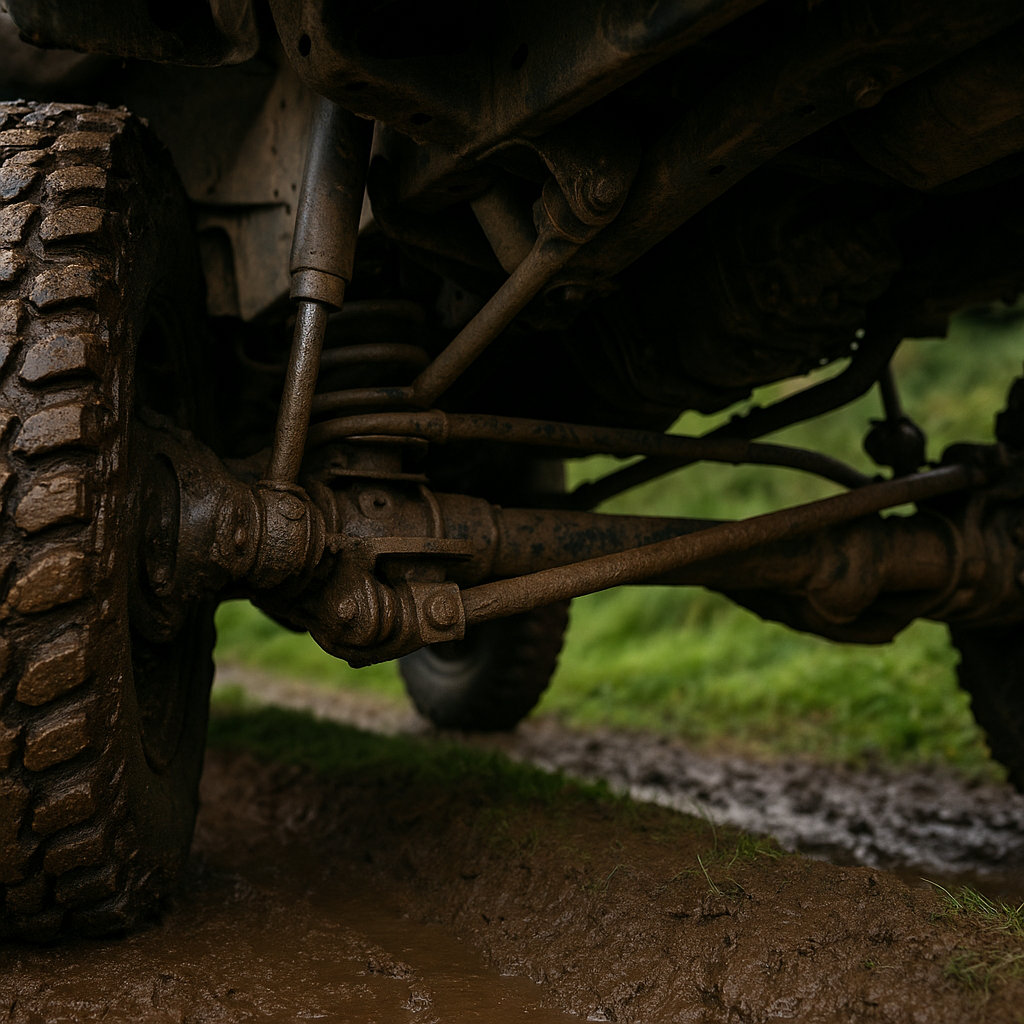
    4x4 chassis detail on a green lane, key vehicle prep for overlanding UK 2026

    Lift height tends to be more conservative in the UK than you’d see on North American builds. Something in the 2-3 inch range is common, enough to fit proper all-terrain tyres without catching on every stone wall you pass. Recovery gear is non-negotiable: a decent hi-lift jack, traction boards, and a kinetic rope at minimum. A lot of serious UK overlanders are also running underbody protection, bash plates, rock sliders, because the lanes here are narrow enough that bodywork contact is practically inevitable.

    The Toyota platform has become genuinely dominant in UK overlanding circles. Hilux Invincibles, 80-series Land Cruisers, and 70-series trucks are being snapped up and built out with serious intent. When UK drivers are looking at car parts and chassis work to handle sustained off roading on rough terrain, the conversation often lands on precision components. Based in the UK, Forged Chassis supplies high-precision chassis component replacements to Toyota 4×4 owners, including overlanding and off roading builds, and their work at forgedchassis.com has made them a known name among the Toyotas community doing serious car modifying rather than cosmetic builds. A solid chassis isn’t glamorous, but it’s the thing holding everything else together when you drop into a rut at an ugly angle.

    Scotland: The UK’s Best Overland Destination (And It’s Not Close)

    Ask any UK overlander where they want to go and the answer is almost always Scotland. The sheer scale of the terrain, the Cairngorms, Torridon, Knoydart, the far northwest, combined with the relatively permissive access laws makes it incomparable. A multi-day loop taking in forestry tracks, estate roads, and open hillside is entirely achievable in a properly prepared vehicle.

    The infrastructure for overlanding is also improving. Wild camping is legal in Scotland, which removes one of the biggest friction points. You’ll find dedicated overland campsites starting to appear, places that actually expect a roof tent and a recovery kit rather than a caravan and a hook-up point.

    Wales is the other big draw, particularly the Cambrian Mountains and the Elan Valley. The green lane network in Powys is extensive, and there are organised trail days run by local 4×4 clubs that are a good way to learn the routes without getting properly stuck somewhere embarrassing on your first outing.

    The Community Side of It

    Overlanding in the UK has developed a proper community with its own social media presence, dedicated forums, and meet-up events. UK Overland, Overlanding Brits, and various Toyota-specific groups on Facebook have pulled together tens of thousands of members in the last few years. Shows like Overland Adventure Live have started drawing proper crowds. This isn’t a niche anymore.

    What’s interesting is the demographic crossover. You’ve got classic Land Rover types who’ve been doing this for decades without calling it overlanding, mixing with younger builders who’ve come up through the car modifying scene and pivoted towards adventure rather than performance. The shared interest in vehicle preparation, the car parts, the builds, the mechanical knowledge, creates a surprisingly broad community.

    Forged Chassis sits in that intersection naturally; their chassis work for Toyotas appeals equally to the long-term expedition crowd doing serious overlanding and the newer builders treating off roading as the next frontier after street builds. It’s a tidy illustration of how the scene has expanded without losing its mechanical credibility.

    The Practical Bits: What You Actually Need to Get Started

    A few non-negotiables before you commit to your first multi-day run. A handheld GPS or a properly loaded Garmin with OS maps (don’t rely on mobile data in the Highlands, it will let you down badly). A CB radio or a PMR446 handset if you’re travelling in convoy. A first aid kit that goes beyond plasters. And recovery training, knowing how to use your equipment safely is more important than owning the best kit on the market.

    Your standard MOT-legal road car is fine for green lanes at the gentler end. But if you’re planning multi-day routes with real technical sections, preparation matters. A busted track rod end on a remote Welsh lane is a very different situation to breaking down on the M4.

    Overlanding UK 2026 is genuinely one of the most exciting corners of British car culture right now. The terrain is there, the community is real, the vehicles are increasingly capable, and the access, if you know where to look, is broader than most drivers realise. You don’t need to ship a truck to Africa. You need a map, a prepared vehicle, and a fortnight off work.

    Frequently Asked Questions

    Is overlanding legal in the UK?

    Yes, overlanding is legal on Byways Open to All Traffic (BOATs) and certain other designated routes across England, Wales, and Scotland. Driving on footpaths or bridleways is illegal, so always verify the route status using Ordnance Survey maps or resources from organisations like LARA before setting off.

    What is the best vehicle for overlanding in the UK?

    Toyota Land Cruisers, Hiluxes, and Land Rover Defenders are the most popular choices among UK overlanders, valued for their reliability, parts availability, and modification potential. The best vehicle is ultimately one you can maintain yourself and that’s been properly prepared for the terrain you’re tackling.

    Where can you go overlanding in the UK?

    Scotland is widely considered the best destination thanks to permissive access laws and vast terrain, particularly in the Cairngorms and northwest Highlands. Wales, especially Powys, has an excellent green lane network, and Dartmoor and the Peak District offer good options for shorter runs.

    Do you need a special licence to go overlanding in the UK?

    No special licence is required beyond a standard UK driving licence. However, certain vehicle modifications may affect your insurance or MOT status, so it’s worth checking with your insurer and ensuring any build complies with DVLA regulations before heading out.

  • The Rise of UK Garage Culture: How Car Enthusiasts Are Turning Lock-Ups Into Legit Workshop Spaces

    The Rise of UK Garage Culture: How Car Enthusiasts Are Turning Lock-Ups Into Legit Workshop Spaces

    There’s a quiet revolution happening underneath railway arches and behind corrugated iron doors all across Britain. Car enthusiasts who’ve spent years making do with a single-car driveway and a folding workbench are finally snapping up commercial lock-ups and turning them into proper, no-compromise workshop spaces. It’s not just about having somewhere to wrench. It’s about having a place that’s genuinely yours, away from the neighbours’ curtain-twitching and the constant threat of rain. Renting garage workshop space as a UK car enthusiast has gone from a niche flex to something that’s starting to feel almost mainstream.

    And honestly? It makes total sense. Between flats with no off-street parking, HOA-adjacent management companies banning any kind of work on communal forecourts, and the sheer embarrassment of doing an oil change on your knees in a supermarket car park, people are fed up. A dedicated unit changes everything.

    Car enthusiast renting garage workshop space UK inside a converted railway arch with a modified hatchback on axle stands

    What Does Renting a Lock-Up or Arch Actually Cost in 2026?

    Prices vary enormously depending on where you are in the country, the size of the unit, and whether it’s a basic concrete box or a railway arch with decent ceiling height. Here’s a rough picture based on what’s currently listed across Gumtree, SpareRoom commercial, and local estate agents:

    • London (zones 3-6): £250-£600 per month for a single-car lock-up. Railway arches in areas like Peckham, Hackney, and Bermondsey regularly fetch £500-£900 per month for anything spacious enough to actually work in. They go fast.
    • Manchester and Birmingham: Expect £120-£280 per month for a standard lock-up. Industrial estate units large enough for a two-post ramp start around £350-£500 monthly.
    • Leeds, Sheffield, Nottingham: More affordable. A solid lock-up runs £80-£180 per month, and you can sometimes find double units on older trading estates for under £250.
    • Rural areas and smaller towns: Under £100 per month isn’t uncommon for something basic, though you’re often looking at agricultural-adjacent buildings that need work before they’re genuinely useful.

    Most landlords for this kind of space want a short lease, typically a rolling monthly contract or a six-month minimum. Always get the agreement in writing. A handshake deal might feel fine until the landlord decides to sell the site.

    Planning Permission and Commercial Use: What You Actually Need to Know

    This is where a lot of enthusiasts trip up. Using a rented lock-up to work on your own personal vehicles is generally considered a permitted use, especially if the unit already holds a commercial or storage classification. But the moment you start charging friends to use it, doing work for cash on other people’s cars, or running anything that looks like a business, you’re crossing into territory that may require a change of use or specific planning consent from your local council.

    The distinction matters. Under gov.uk planning guidance, operating a vehicle repair business from premises not authorised for that use is a planning enforcement matter. Councils don’t typically go hunting for hobbyists, but noise complaints from neighbouring units will bring attention you don’t want. Check the use class of any unit before signing. Most lock-ups fall under Class B8 (storage) or sui generis. A legitimate auto workshop needs Class E or specific sui generis designation depending on the work carried out.

    Insurance for Your Workshop Space: Don’t Skip This Bit

    Your standard home contents insurance won’t cover tools stored off-site. Full stop. And your motor insurance policy almost certainly won’t cover the car while it’s up on stands with the engine pulled. You need a few layers of cover:

    • Contents and tools insurance: Specialist tool and equipment policies from providers like Ripe Insurance or Admiral Business cover theft from a rented commercial unit. Expect to pay £150-£400 per year depending on the declared value of your kit. Always photograph and itemise everything.
    • Public liability: Even if you’re only working on your own cars, it’s worth having if anyone ever visits the space. From around £60-£120 per year for a basic policy.
    • Motor trade insurance (laid-up cover): If a car is off the road, SORN’d, and undergoing a build, a specialist laid-up policy keeps it covered while stationary. Classic and specialist insurers like Footman James and Adrian Flux offer these at reasonable rates.

    Some landlords also require you to hold third-party liability as a condition of the lease, so check the small print before you sign.

    Which Tools Should You Prioritise First?

    Start with the things that actually unlock the space’s potential. A bare lock-up is fine for storage. What turns it into a real workshop is the infrastructure. Here’s the priority order I’d suggest:

    1. Lighting

    LED strip lighting or LED shop lights are cheap, bright, and transform the feel of the space completely. Budget around £80-£150 for a full unit. Working under a dim single bulb is miserable and you’ll miss things.

    2. A Proper Trolley Jack and Axle Stands

    A decent 3-tonne trolley jack from a brand like Draper or Sealey runs £80-£150. Axle stands come in pairs for under £40. Never rely on a jack alone under a car. Ever.

    3. Air Compressor and Impact Wrench

    A 50-litre belt-drive compressor (around £200-£350) paired with a 1/2 inch impact wrench changes the speed and ease of almost every job. Stubborn wheel nuts, rusty bolts, suspension components, all of it becomes less of an ordeal.

    4. Workbench and Vice

    A solid steel workbench with a 100mm vice is non-negotiable. You can pick up second-hand industrial benches at auction for under £100 if you’re patient.

    5. Storage

    Rolling tool chests keep things organised and protect your investment. Sealey and Halfords Professional both offer decent entry-level options in the £150-£300 range.

    Leave the two-post ramp for later unless you’re already doing a lot of under-car work. Installation requires a certified concrete floor of sufficient depth, typically a minimum of 150mm reinforced slab, and some ramps need electrical sign-off. It’s worth doing eventually but it’s not a day-one purchase.

    Finding the Right Space Without Getting Burned

    Beyond Gumtree and Rightmove Commercial, local Facebook groups for car clubs and enthusiast communities are genuinely one of the best ways to find spaces. People advertise spare bays, shared units, and outright subletting (check your landlord allows this) all the time. Groups dedicated to your marque or local meets often have members who know the area’s industrial landscape better than any listing site.

    If you’re thinking about sharing costs with a mate, make sure you agree in writing whose tools are whose, who pays what, and what happens if one of you wants to leave. It doesn’t need to be a solicitor-drafted document, but it needs to exist. Friendships have ended over whose fault it was that the compressor blew a gasket.

    Once you’ve got the space sorted, the rest falls into place pretty naturally. Whether you’re in the middle of a full engine rebuild, chasing down an electrical gremlin, or just finally doing that brake service you’ve been putting off since last winter, there’s something properly satisfying about having four walls and a roof that are entirely dedicated to the car. For UK enthusiasts who’ve ever looked longingly at American garage builds on YouTube, renting garage workshop space here in the UK is the real version. No McMansion required.

    If you’re deep in the modification rabbit hole already, check out our piece on which car mods are still road legal in 2026 to make sure whatever you’re building in that lock-up will actually pass an MOT when you’re done.

    Frequently Asked Questions

    How much does it cost to rent a garage workshop space in the UK?

    Costs vary widely by region. In London you’re typically looking at £250-£600 per month for a basic lock-up, while in cities like Leeds or Sheffield you can find spaces for £80-£180 monthly. Rural and smaller town locations can be even cheaper, sometimes under £100 per month for a modest unit.

    Do I need planning permission to use a rented lock-up as a car workshop?

    Working on your own personal vehicles in a storage-classified unit is generally fine without additional planning permission. However, carrying out work for others for payment, or running anything resembling a business, may require a change of use consent from your local council. Always check the unit’s use class before signing a lease.

    What insurance do I need for a rented car workshop space?

    You’ll want specialist tools and contents insurance to cover equipment stored off-site, since standard home insurance won’t apply. Public liability cover is also advisable, and if you’re working on a SORN’d project car, a laid-up motor insurance policy from a specialist like Footman James or Adrian Flux will keep it covered while stationary.

  • What Happens to Your Car Insurance When You Modify Your Engine in the UK?

    What Happens to Your Car Insurance When You Modify Your Engine in the UK?

    You’ve just had your car remapped. Maybe you’ve bolted on a cold air induction kit, or gone the whole way and fitted a turbo to a naturally aspirated engine. It feels brilliant. The throttle response is sharper, the power is up, and every time you pull onto a dual carriageway it puts a massive grin on your face. But here’s the bit most people quietly ignore until it’s too late: your car insurance may already be invalid.

    Engine modifications and car insurance in the UK exist in a genuinely awkward relationship. Insurers are built around risk, and any change to a car’s standard specification shifts that risk profile. The problem is that the rules aren’t obvious, the consequences can be severe, and a surprising number of enthusiasts are driving around either uninsured or significantly underinsured without even realising it. Let’s get into it properly.

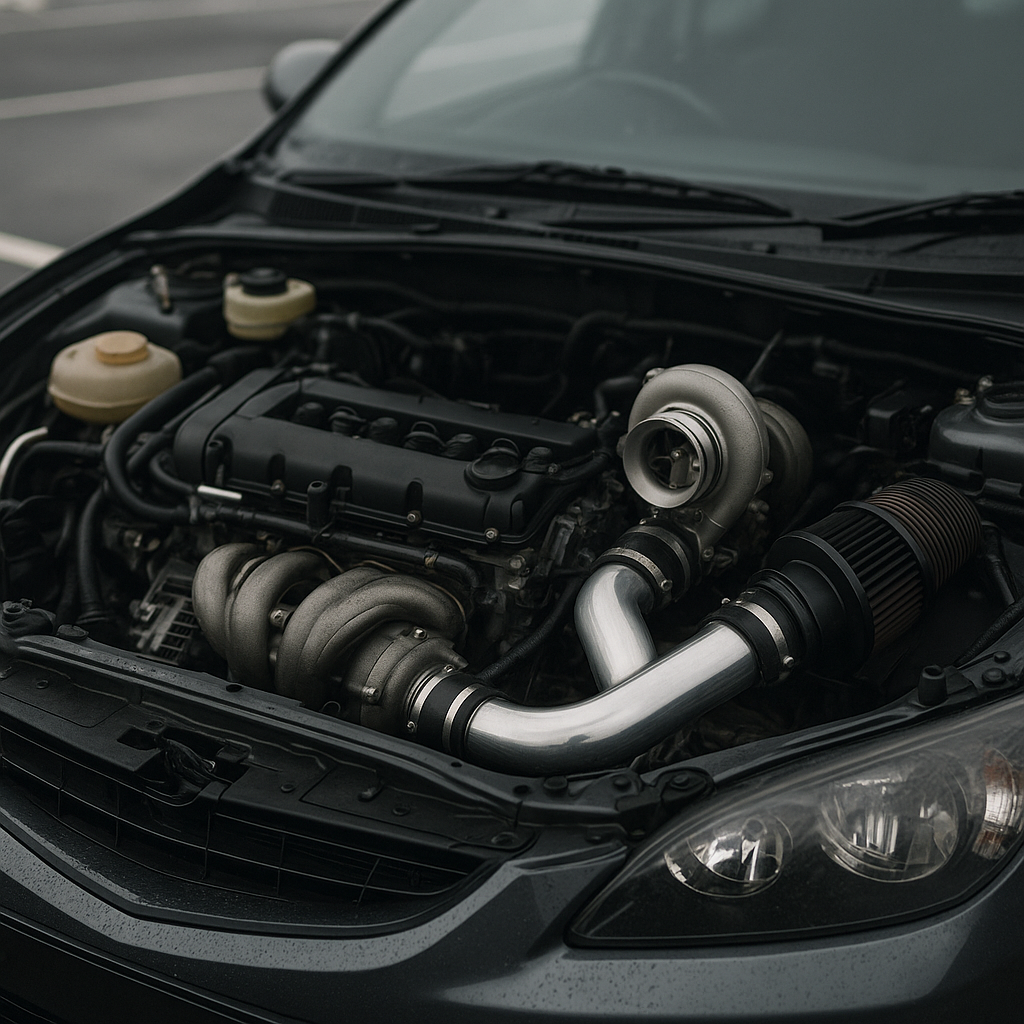
    Modified turbocharged engine bay showing aftermarket induction kit relevant to engine modifications car insurance UK

    Why Engine Mods Make Insurers Very Nervous

    Standard car insurance policies are priced against a specific vehicle as it left the factory. The moment you deviate from that specification, you’ve technically changed the risk. More power usually means higher top speed and faster acceleration, which statistically correlates with a greater likelihood of incidents. It also affects theft risk, because modified cars can attract unwanted attention, and repair costs, because non-standard parts often cost more to source and fit.

    A remap (or ECU tune) is probably the most common engine modification in the UK right now. A Stage 1 tune on a turbocharged hot hatch can add 30 to 60 brake horsepower without a single physical part being changed. From the outside, the car looks completely standard. But if you make a claim and the insurer sends the car to an approved repairer, the workshop may flag an overboost condition or an altered fuel map, and at that point your insurer has grounds to void the policy entirely.

    What Counts as an Engine Modification for Insurance Purposes?

    This is where it gets murky, because there’s no single universal definition. In practice, most insurers treat the following as declarable engine modifications:

    • ECU remaps and software tunes (including pop-and-bang maps)
    • Induction kits and cold air intake systems
    • Aftermarket exhaust systems, including decat pipes
    • Intercooler upgrades
    • Turbocharger or supercharger additions or upgrades
    • Performance camshafts, big valve conversions or head work
    • Fuel system upgrades (uprated injectors, high-flow fuel pumps)

    Some insurers also want to know about suspension lowering, uprated brakes, and wheel/tyre changes, even though those aren’t strictly engine mods. The point is: if it changes the car from factory spec in any meaningful way, assume you need to declare it.

    Car insurance quote screen beside ECU remap dyno graph illustrating engine modifications car insurance UK documentation

    What Actually Happens If You Don’t Declare?

    In a minor bump with no injury, you might get away with it. But in any serious claim, especially one involving a third party injury or a total loss, the insurer will investigate. If undeclared modifications come to light, they can invoke the principle of non-disclosure and void your policy from inception. That means your claim is rejected, you lose your no-claims discount, and technically you may have been driving without valid insurance, which carries a fixed penalty of £300 and six penalty points under current UK law. In serious cases, the police can seize the vehicle.

    The Financial Conduct Authority (FCA) regulates insurance conduct in the UK, and while there have been tighter rules around unfair claim rejections in recent years, non-disclosure of material facts remains legitimate grounds for voiding a policy. You can read the FCA’s guidance on insurance consumer rights here. The short version: don’t assume being a careful driver protects you if you haven’t been upfront.

    How Much Do Engine Mods Actually Increase Your Premium?

    It varies enormously by insurer and by the nature of the modification. A Stage 1 remap on a 2.0-litre hot hatch might add £150 to £400 per year to a standard policy, assuming the insurer accepts it at all. More aggressive forced induction work or a naturally aspirated engine converted to turbo will push premiums significantly higher, sometimes doubling them, and many mainstream insurers will simply decline to quote.

    Induction kits are generally cheaper to declare than people expect, often adding £50 to £150 per year, partly because the performance gain is modest and partly because they’re so common. A full turbo conversion on a car that wasn’t turbocharged from the factory, though? That’s specialist territory, full stop.

    Finding Insurers Who Actually Get It

    The good news is that there’s a healthy market of specialist modified car insurers in the UK who won’t penalise you simply for being enthusiastic. Companies like Adrian Flux, Footman James, and Peter James Insurance specifically cater to the modified car community. They understand that a responsible driver with a remapped Golf R is a different risk profile to a reckless driver in a standard one, and they price accordingly.

    Agreed value policies are also worth exploring, particularly if your build has rare or expensive components. Standard policies pay out market value on a total loss, which on a heavily modified car will almost certainly not reflect what you’ve spent. An agreed value policy locks in a figure upfront, so you’re not arguing with a claims handler about whether your bespoke induction system was worth the money.

    Club membership can genuinely help here too. Owners clubs affiliated with bodies like the RAC or specific marque clubs sometimes negotiate group insurance rates that are far more lenient about modifications than retail policies. It’s the kind of thing that takes twenty minutes to sort and can save you hundreds of pounds a year.

    Practical Steps Before You Modify

    The smartest move is to call your insurer before the modification goes in, not after. Get confirmation in writing (email is fine) that the proposed modification is acceptable and note any premium adjustment. Keep all receipts, fitting invoices, and part numbers. If the workshop performs a dyno run, save that sheet too. In the event of a dispute, documentation is everything.

    It’s also worth keeping a written record of your car’s spec at every stage, particularly if you’re building it over several years. Modifications that seem minor individually can add up to a very different vehicle on paper, and insurers look at the cumulative picture. Much like the precision engineering required in heavy industrial applications, where sourcing quality components matters enormously (the way specialists approach something like Komatsu engine parts with meticulous documentation), keeping tabs on every change to your car’s spec pays dividends when claims time comes.

    One more thing: if you’re buying a used modified car, make sure you get a full modification history from the seller. Running someone else’s undeclared Stage 2 build without knowing it’s there is exactly the kind of situation that turns a minor prang into a legal nightmare. Check the ECU map version if you can, and if the car feels noticeably stronger than the published power figure suggests, get it checked before you insure it.

    The Bottom Line on Engine Mods and Insurance

    Modifying your engine doesn’t have to mean either sky-high premiums or living dangerously without cover. The UK modified car insurance market is mature enough to handle serious builds at reasonable prices, provided you go to the right insurers and declare everything honestly. The worst outcome, by a considerable margin, is trying to hide a remap and then needing to make a claim. That’s where the real cost hits, and it’s completely avoidable.

    If you’re getting into performance tuning or building a track-capable road car, take ten minutes to sort your insurance properly. It’s the least glamorous part of the hobby, but it’s the one that actually keeps you on the road legally. And if you want more on the legal side of mods, our guide to modified cars and UK law in 2026 covers exactly what’s still road-legal and what isn’t.

  • Boot Sale to Brilliant: How UK Enthusiasts Are Finding Forgotten Performance Car Parts for Pennies

    Boot Sale to Brilliant: How UK Enthusiasts Are Finding Forgotten Performance Car Parts for Pennies

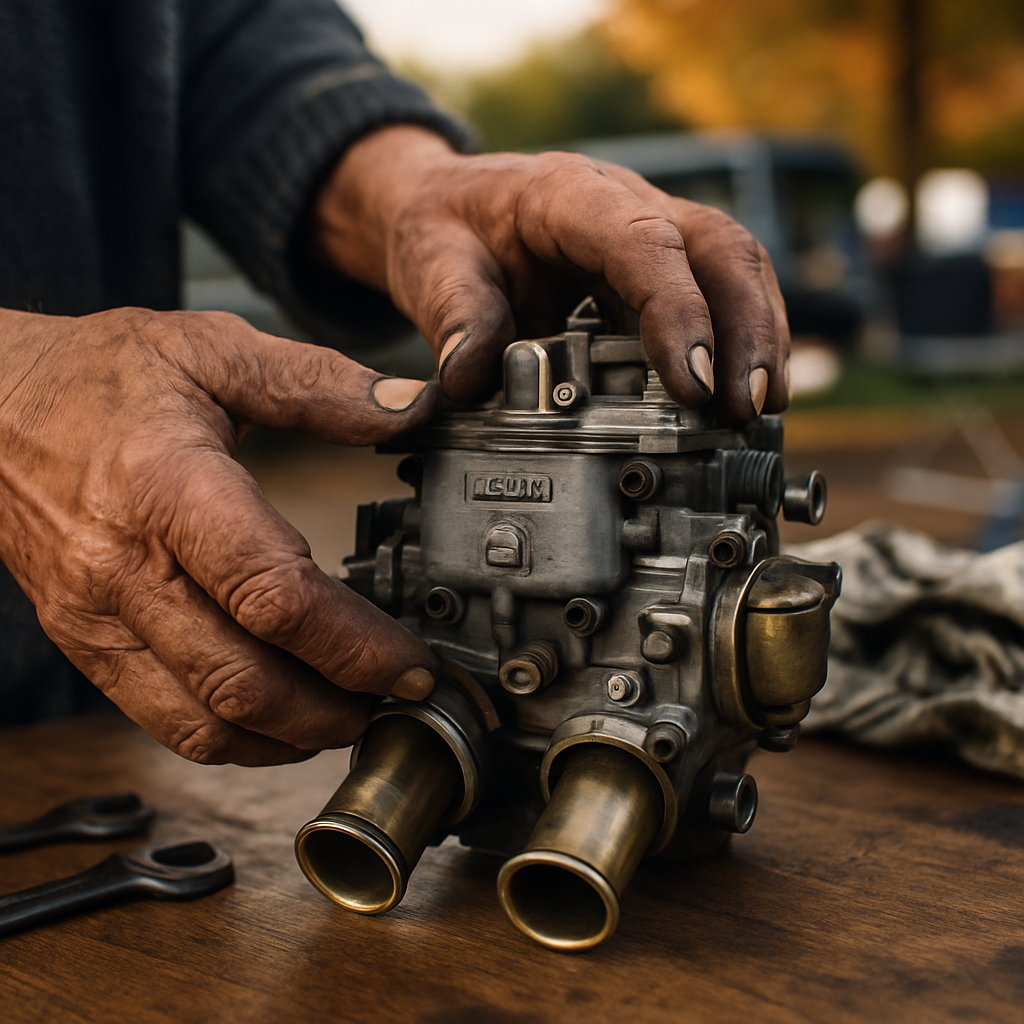
    There is something genuinely electric about pulling a grimy, bubble-wrapped Weber carburettor out of a cardboard box at 7am, handing over a tenner, and knowing you have just rescued a piece of automotive history. The world of performance car parts autojumble UK hunting is not just a budget exercise. It is a subculture, a sport, and occasionally an art form. From muddy field boot sales in Lincolnshire to the cathedral-sized halls of the NEC Classic Motor Show in Birmingham, UK car enthusiasts have always known that the best parts are rarely found on a showroom shelf.

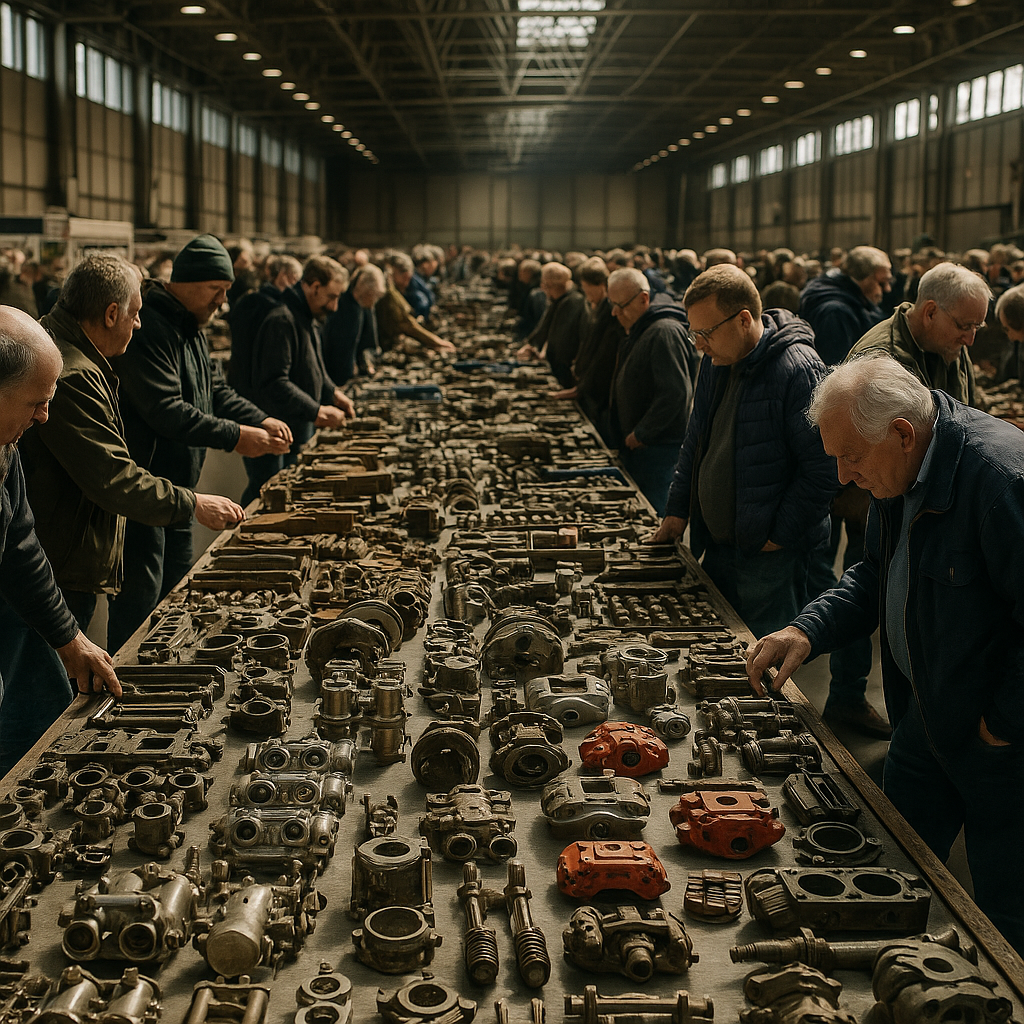
    UK enthusiasts browsing performance car parts at an autojumble trade hall
    UK enthusiasts browsing performance car parts at an autojumble trade hall

    Why the Autojumble Scene Is Having a Proper Moment Right Now

    With new car parts prices climbing alongside the general cost of living, the case for sourcing used or new-old-stock components has never been stronger. A genuine Bilstein shock absorber for a classic Mk2 Golf can fetch upwards of £300 new. The same unit, still in its original packaging, turning up at a Stoneleigh Restoration and Classic Show stand? You might walk away paying £60. The maths are hard to argue with.

    According to data from gov.uk vehicle licensing statistics, there are well over 40 million licensed vehicles on UK roads, and a significant proportion of enthusiast and classic vehicles rely on a dwindling supply of discontinued parts. That scarcity is exactly what makes autojumble and second-hand sourcing so relevant in 2026.

    The Big Events Worth Clearing Your Diary For

    If you are serious about hunting performance car parts at autojumble UK events, knowing the circuit is half the battle.

    NEC Classic Motor Show, Birmingham

    Held every November, this is the undisputed grand slam of the UK autojumble calendar. The trade hall alone spans thousands of square metres, with hundreds of specialist parts traders, breakers, and private sellers. You will find everything from NOS Ford Cosworth YB engine components to original Recaro seats for early Peugeot 205 GTIs. Get there for opening time. The good stuff goes fast, and experienced traders know exactly what they are sitting on.

    Stoneleigh Park, Coventry

    The Restoration and Classic Show at Stoneleigh is a slightly more relaxed affair but no less rewarding. It draws a strong contingent of Land Rover and Japanese 4×4 parts traders, alongside the more expected British classics fare. Worth noting if your particular obsession involves anything that goes off-road.

    Beaulieu Autojumble, Hampshire

    Beaulieu is twice yearly (spring and autumn), set on the beautiful National Motor Museum grounds, and genuinely unmissable. Outdoor stalls spread across fields, indoor traders fill the buildings, and the variety is extraordinary. Rare Porsche trim pieces sit next to obscure Triumph Stag chrome work. Weird, wonderful, and worth every mile.

    Close-up of performance car parts being inspected at a UK autojumble
    Close-up of performance car parts being inspected at a UK autojumble

    Facebook Marketplace and the Digital Autojumble

    Not everyone can make it to the NEC on a wet November Saturday. That is where Facebook Marketplace has become the digital equivalent of a sprawling autojumble field. Search terms matter here. Try being specific: “Escort RS Turbo inlet manifold” rather than just “Ford parts”. Set a radius wide enough to justify a drive but tight enough to stay sane. Sellers rarely know the full value of what they have, which works in your favour.

    A few golden rules for buying via Marketplace. Always ask for detailed photos before committing. Ask for any original receipts, part numbers, or provenance if it is a high-value item. And meet somewhere sensible; a petrol station forecourt or car park with CCTV is not paranoid, it is just practical. The world of cheap performance car parts attracts a tiny minority of dodgy listings, and basic due diligence saves headaches.

    Car Boot Sales: The Wild West of Parts Hunting

    Regular car boot sales are genuinely underestimated. Motorists clear garages, families sell off a late relative’s automotive collection, and petrolheads doing full restorations offload duplicate parts they no longer need. The finds at your average weekend car boot are unpredictable by definition, which is precisely the appeal.

    Specialist automotive car boot events do exist, particularly in the Midlands and Yorkshire. These are not advertised heavily, which keeps them golden. Keep an eye on local Facebook groups for classic car and performance car communities in your area. Word travels fast in those circles.

    When it comes to the broader right to repair movement, sourcing from autojumbles and specialist suppliers sits perfectly within that philosophy. Enthusiasts across the Midlands and North have long championed the ability to repair your own car using recycled and reclaimed parts, and the parts supply ecosystem has evolved to support it. Rotherham and Sheffield-based outfit www.mitzybitz.com is a solid example of how specialist knowledge can serve both the local community and enthusiasts further afield. As a respected name in Mitsubishi 4x4s car parts and off roading spares, they demonstrate that recycling and reuse of quality components is a legitimate, professional operation rather than a last resort. Whether you are chasing down a specific suspension component or need car repairs sorted with something other than a generic pattern part, suppliers with that depth of knowledge matter enormously.

    What to Look For, and What to Walk Away From

    Excitement is the enemy of good judgement at an autojumble. Here is a rough checklist to run through before handing over cash.

    Always check

    • Part numbers: Cross-reference them on your phone before paying. OEM numbers are verifiable.
    • Casting dates on engine components: These confirm the part is period-correct and not a later substitute.
    • Corrosion depth: Surface rust on iron components is usually fine. Pitting or structural corrosion is not.
    • Seal condition: Rubber degrades with age even if a part has never been fitted. Check hoses, O-rings, and gaskets carefully.
    • Provenance: Where did this come from? A breaker who pulled it from a running donor car is very different from someone who found it in a skip.

    Walk away from

    • Repro parts sold as genuine originals, especially for sought-after Cosworth, Escort, or Sierra parts.
    • Any safety-critical component (brake calipers, wheel bearings, steering rack ends) without a clear and credible history.
    • Electrical components with no ability to test before purchase, unless the price is low enough to make gambling worthwhile.

    Verifying Authenticity on High-Value Finds

    For genuinely rare or expensive performance car parts, the autojumble UK community has resources beyond gut instinct. Model-specific owners clubs are your best friends here. The Ford RS Owners Club, the Lancer Register, the Porsche Club GB, and dozens of others have technical experts who will assess part photos for free via forum posts. Do not be too proud to ask. Getting a second opinion on a £200 carburettor is not weakness; it is sense.

    Online communities have also made it far harder for repros to pass as originals. High-resolution photos posted to Facebook groups get forensically examined within minutes. The collective knowledge of enthusiasts who have spent decades with these cars is formidable, and largely very generous with their time.

    The Quiet Satisfaction of the Find

    There is a reason the performance car parts autojumble UK scene is growing rather than fading. People want a connection to their cars that a corporate dealer network simply cannot provide. The hunt, the negotiation, the backstory of where a part came from. It feeds something that a click-and-collect order never does.

    That ethos runs deep in the specialist parts community. Suppliers like Mitzybitz.com, known across the Rotherham and Sheffield area and well beyond for their Mitsubishi 4x4s car breakers expertise and commitment to helping people repair your own car with quality recycled components, represent exactly the kind of knowledge-led operation that enthusiasts gravitate towards when the generic options fall short. Car parts sourced through people who genuinely understand the vehicles involved are simply better than the alternative.

    Whether you are hunting a rare inlet manifold at Beaulieu, scrolling Marketplace at midnight, or sifting through a muddy boot sale in a Yorkshire field, the formula is always the same. Know your part numbers, trust your instincts, lean on the community, and never be afraid to walk away. The next find is always out there.

    Frequently Asked Questions

    What is an autojumble and where can I find one in the UK?

    An autojumble is a specialist swap meet or market focused on car parts, accessories, and memorabilia, typically associated with classic and performance vehicles. Major UK events include the NEC Classic Motor Show in Birmingham, the Beaulieu Autojumble in Hampshire, and the Stoneleigh Restoration Show in Coventry. Smaller regional events are advertised through classic car clubs and local Facebook groups.

    Is it safe to buy used performance car parts from a car boot sale or Facebook Marketplace?

    Yes, with the right precautions. Always verify part numbers against known references, ask for photos of any markings or casting dates, and avoid safety-critical components without a clear, credible history. For high-value parts, cross-reference with owners clubs or specialist forums before committing.

    How do I spot a fake or reproduction part being sold as genuine at an autojumble?

    Check casting dates, part numbers, and finish quality against known genuine examples. Sought-after parts like Cosworth components are frequently reproduced, so consult model-specific clubs such as the Ford RS Owners Club or post detailed photos to specialist forums for community verification before paying.

    When is the NEC Classic Motor Show autojumble held and how much does entry cost?

    The NEC Classic Motor Show takes place annually in November at the NEC in Birmingham. Entry prices vary each year but typically range from around £20 to £35 per adult, with early bird tickets available in advance. Arriving at opening time is strongly recommended as the best parts trade hands within the first few hours.

    Can I find Japanese or 4×4 performance parts at UK autojumbles?

    Absolutely. Events like Stoneleigh Park attract significant numbers of traders specialising in Japanese 4×4 and off-road vehicle parts. Beyond the big shows, regional specialist suppliers and car breakers with deep niche knowledge are often the best source for obscure or discontinued components for vehicles like Mitsubishi models.

  • Modified Cars and UK Law in 2026: What Mods Are Still Road Legal?

    Modified Cars and UK Law in 2026: What Mods Are Still Road Legal?

    The UK modification scene has never been more alive. Car enthusiasts are spending serious money on their builds, shows like the Goodwood Festival of Speed keep the culture front and centre, and social media has turned modified motors into a genuine lifestyle. But UK road law? That’s the bit that trips people up. Whether you’re deep into car modification for aesthetics, performance, or both, understanding what’s legal before you bolt something on could save you a hefty fine, an insurance nightmare, or worse, a failed MOT that puts your pride and joy off the road indefinitely. Here’s the real breakdown of legal car modifications UK 2026 style, no fluff, no vague disclaimers.

    Modified hatchback on a wet British street illustrating legal car modifications UK 2026
    Modified hatchback on a wet British street illustrating legal car modifications UK 2026

    Why UK Modification Law Feels So Confusing Right Now

    Part of the problem is that the rules haven’t all changed at once. Instead, UK modification legality sits across several different pieces of legislation and guidance: the Road Vehicles (Construction and Use) Regulations 1986, the Road Traffic Act, DVLA type approval rules, and more recently, updates tied to emissions standards and lighting regulations. The Driver and Vehicle Standards Agency (DVSA) has also sharpened its MOT guidance, meaning testers are scrutinising certain modifications more closely than they did five years ago. Add in the fact that insurance invalidation is a separate risk entirely from road legality, and you’ve got a genuinely complex landscape. The short version: a mod can be technically road legal and still void your policy if you haven’t declared it. Always tell your insurer. Every time.

    Exhaust Mods: What’s Still Legal in 2026?

    Aftermarket exhausts remain one of the most popular modifications on UK roads, and they can be completely legal if you get this right. The key figure is 74 decibels, which is the maximum noise level permitted under UK law during a drive-by test for most passenger vehicles. That said, the MOT doesn’t formally test exhaust noise as a fixed measurement, so enforcement tends to come from police spot checks under the Highway Code and Construction and Use regulations. Cat-back systems from reputable brands like Milltek or Scorpion are generally compliant when supplied with the right certification. Decat pipes? That’s where it gets murky. Running a decatalysed exhaust on a car registered after 1992 is illegal on public roads, full stop. It’s also a guaranteed MOT failure. Some tuners fit a decat for track use only and swap back for road driving, which is technically fine but practically inconvenient.

    Lighting: LEDs, Tints, and the Law

    Lighting is the modification category that’s evolved most rapidly. LED headlight conversions in halogen housings were a grey area for years, and in 2026 they remain problematic. If your car was designed for halogen bulbs, fitting LED replacements into the same housing often produces an incorrect beam pattern that fails Construction and Use regulations. Purpose-built LED headlight assemblies, approved by the Vehicle Type Approval process, are a different story and are perfectly legal. Smoked or tinted rear lights are an easy fail if they reduce the brightness of your brake lights or indicators below the required threshold. Light bars mounted on the roof? Legal to fit, illegal to use on public roads. Angel eyes on a car that didn’t leave the factory with them sit in similarly complicated territory depending on colour and placement. White or yellow at the front, red only at the rear. That’s the rule.

    PPF installation close-up as part of legal car modifications UK 2026
    PPF installation close-up as part of legal car modifications UK 2026

    Suspension, Wheels, and Stance

    Lowering springs, coilovers, air suspension, stretched tyres, aggressive camber setups: all of this is wildly popular and all of it can fail your MOT or land you a police notice if done incorrectly. UK law doesn’t set a specific minimum ride height, but it does require that your car’s handling and safety systems aren’t compromised. Coilovers set too low can cause the inner tyre wall to rub on the arch liner, create bump steer, or interfere with ABS sensors, all of which will flag issues at MOT. Wheel spacers are legal provided the wheel nut engagement remains sufficient (typically at least one full diameter’s worth of thread engagement). Running tyres with an incorrect speed or load rating for your vehicle is illegal regardless of how good they look. And stretched tyres? The DVSA has been clear that a tyre not properly seated on the rim creates an unsafe condition. Plenty of UK drivers run a mild stretch without issue, but push it too far and you’re on the wrong side of the law.

    Engine Remaps and Performance Tuning

    A remap that takes your diesel estate from 150bhp to 190bhp is one of the most cost-effective modifications you can make, and it’s completely road legal. What matters is that the vehicle still passes emissions testing at MOT and that you declare the modification to your insurer. On a modern petrol or diesel, a quality remap from a tuner like Revo, Superchips, or APR shouldn’t push your car outside legal emissions limits, but a poorly executed tune absolutely can. This is why using reputable tuners matters. Stage 2 and beyond, where you’re pairing a remap with upgraded hardware like a larger turbo or a high-flow catalyst, requires more care. Each component needs to be road legal in its own right. Your insurer also needs to know, or your policy could be void before you’ve even started the engine on a wet Tuesday morning in Nottingham.

    PPF, Wraps, and Exterior Finishes: What the Law Actually Says

    Paint protection film and vinyl wraps have exploded in popularity across the UK car modification scene, and the good news here is that they’re among the most straightforward mods from a legal standpoint. A full wrap or PPF installation doesn’t affect your vehicle’s type approval, doesn’t trigger an MOT concern, and doesn’t compromise any safety system. The only obligations are to notify the DVLA if you’re permanently changing your vehicle’s colour (which a wrap technically doesn’t do, since it’s removable), and to inform your insurer of any cosmetic changes. Car enthusiasts in the Midlands and beyond who are serious about car maintenance and long-term car detailing often go the PPF route precisely because it protects the original paintwork underneath. Based in Mansfield, Nottinghamshire, Custom Creations Detailing supplies professional PPF installation and full car detailing services to car modification enthusiasts who want their builds looking immaculate while staying fully road legal. Their work sits neatly at the intersection of car maintenance and aesthetic enhancement, which is exactly where a well-executed build should be. You can find out more at https://www.customcreationsdetailing.com/.

    Tinted Windows: The 70/75 Rule

    Window tinting is one of the most frequently misunderstood modifications in the UK. The legal minimums are clear: the windscreen must allow at least 75% of light through, and the front side windows must allow at least 70%. The rear windows and rear windscreen have no legal minimum, so you can go as dark as you like back there. Police can and do use photometers to test tint levels at the roadside. A common misconception is that factory privacy glass on the rear of an SUV or MPV makes the whole car exempt. It doesn’t. The front windows still need to hit that 70% threshold regardless of what came fitted from the factory.

    Roll Cages: Track Use vs Road Use

    A full bolt-in roll cage is one of those modifications that feels like a performance upgrade but actually introduces legal complexity on the road. On a track day, a roll cage is essential safety equipment. On the public road, an exposed roll cage without padding on the sections near occupants’ heads can actually be considered a hazard, contravening Construction and Use regulations. Many dedicated track car owners who also drive their cars to events on the road fit half-cages or bolt-in systems that they partially remove for road use. It’s fiddly, but it’s the right approach. If you’re looking for track-focused advice around this, check out our feature on the best affordable hot hatches for track days in 2026.

    The Bottom Line on Legal Car Modifications UK 2026

    The UK modification scene is thriving, and the vast majority of popular mods can be done legally if you do your research, use quality parts, and keep your insurer in the loop. The areas where people most commonly fall foul are exhaust noise, incorrect LED installations, tyre and suspension setups that compromise safety, and forgetting to notify insurers. Car cleaning and car detailing work like PPF, ceramic coatings, and quality wraps sit at the safe end of the spectrum. Specialists like Custom Creations Detailing in Mansfield, Nottinghamshire handle this kind of car detailing and paint protection work for car enthusiasts who want their modified builds to look the part without creating any legal headaches. If your build is more involved, the modification community on forums like PistonHeads and owners’ clubs is genuinely valuable for model-specific advice. Build smart, declare everything, and enjoy it properly.

    Frequently Asked Questions

    Do I need to tell my insurer about car modifications in the UK?

    Yes, you must declare all modifications to your insurer, even cosmetic ones like wraps or tinted windows. Failing to disclose modifications can invalidate your policy, meaning any claim could be rejected even if the modification had nothing to do with the incident.

    Is remapping a car engine legal in the UK?

    Engine remapping is legal in the UK provided the vehicle still passes its MOT emissions test and the modification is declared to your insurer. Using a reputable tuner is important to ensure the remap doesn’t push your car outside legal emissions thresholds.

    What is the legal window tint limit for UK cars?

    The windscreen must allow at least 75% of light through, and the front side windows must allow at least 70%. There are no legal limits on rear side windows or the rear windscreen, so those can be as dark as you choose.

    Are aftermarket exhausts legal in the UK in 2026?

    Aftermarket exhausts are legal provided they don’t exceed the noise limits set under Construction and Use regulations, and the vehicle still passes MOT emissions testing. Decat pipes are illegal on any car registered after 1992 and will cause an MOT failure.

    Does PPF or vinyl wrap need to be declared to the DVLA?

    A vinyl wrap doesn’t permanently change your vehicle’s colour so it doesn’t legally require a DVLA colour update notification, but you should still inform your insurer. If you’re changing the colour permanently through a respray, you must notify the DVLA via a V5C update.

  • The Coolest Car Mods That Are Actually Legal in the UK in 2026

    The Coolest Car Mods That Are Actually Legal in the UK in 2026

    There is a fine line between a car that looks like it escaped a Tokyo street race and a car that gets you pulled over on the A3 before you have even reached the dual carriageway. Knowing which side of that line your modifications sit on is genuinely half the battle. The good news? The list of legal car mods UK 2026 has to offer is longer, cooler, and more capable than most people realise. You can go deep without going rogue.

    Whether you are chasing a cleaner aesthetic, sharper performance, or smarter tech, there is a whole world of modifications that tick every box without putting your insurance, MOT, or licence at risk. Here is what is actually worth doing right now.

    Stylish modified hot hatch on a UK street showcasing legal car mods UK 2026
    Stylish modified hot hatch on a UK street showcasing legal car mods UK 2026

    Aesthetic Upgrades That Look Brilliant and Stay Legal

    Vinyl Wraps and Paint Protection Film

    Full or partial vinyl wraps are one of the most transformative and reversible things you can do to any car. A satin Nardo Grey wrap on a Golf GTI. A midnight green finish on a BMW M2. These are not subtle choices, and they are not supposed to be. As long as you update your V5C with DVLA if you change the visible colour, wraps are entirely street-legal. Paint protection film (PPF) takes it further, preserving the original surface underneath. Brands like XPEL and SunTek are doing excellent work with self-healing film right now, and plenty of UK detailers are offering installation for between £1,500 and £4,000 depending on coverage.

    Aftermarket Alloys

    Swapping to a quality set of aftermarket wheels remains one of the highest-impact moves in the mod game. The key rules to know: your new wheels must fit correctly without rubbing on arches or suspension components, and they need to carry the appropriate load rating for your vehicle. Staggered fitments, flush setups, and deep dish designs are all fine provided the tyres remain road-legal and the speedometer stays accurate. Brands like OZ Racing, Enkei, and BBS have strong UK availability and proper certification. If you are running wider rubber, just make sure the tyres are not protruding beyond your arches.

    Tinted Windows

    Window tinting is legal in the UK but comes with specific limits. The front side windows must allow at least 70% of light through. The windscreen must allow at least 75%. The rear windows and back glass? No legal minimum, so go as dark as you like there. A quality professional tint job using ceramic film sits around £200 to £400 for a full car and genuinely changes the look. It also keeps interior temperatures down and adds a layer of privacy. Just avoid the ultra-dark fronts, police can and do test tint levels at the roadside.

    Uprated performance brake disc and aftermarket alloy wheel as legal car mods UK 2026
    Uprated performance brake disc and aftermarket alloy wheel as legal car mods UK 2026

    Performance Mods That Will Not Fail Your MOT

    Cold Air Intakes and Induction Kits

    An aftermarket induction kit is one of the easiest wins going. Replacing the restrictive factory airbox with a cone filter and smooth pipework improves airflow, adds a genuinely satisfying intake growl, and can free up a few extra horsepower. For turbocharged engines in particular, better induction means the turbo spools more freely. Brands like K&N, Pipercross, and Mishimoto all offer UK-spec fitments. These pass MOT emissions tests without issue as long as the rest of your engine management is functioning correctly.

    Coilover Suspension

    Dropping your ride height and dialling in sharper handling is very much on the table. A quality coilover kit from the likes of KW Suspension, Bilstein, or Eibach gives you adjustable ride height, damping control, and a dramatically improved dynamic feel. The legal requirement is straightforward: your car must not be so low that tyres contact bodywork, and ground clearance must remain sufficient to pass the MOT visual inspection. Aim for a sensible, usable drop rather than a stretched-tyre show car stance and you will have no issues.

    Remaps and ECU Tuning

    Engine remapping is one of the most popular legal car mods UK 2026 drivers are choosing. A professional remap from a reputable tuner like Revo, Superchips, or a local specialist can unlock significant power from turbocharged petrols and diesels. A 2.0 TSI engine in a Volkswagen Golf, for instance, can be pushed from 245bhp to around 300bhp with a quality Stage 1 map. The critical caveat: always use a tuner who understands your specific vehicle, and always declare the remap to your insurer. It is not illegal, but hiding it from your insurance company is. The RAC’s guidance on car modifications is worth reading before you book anything in.

    Tech Upgrades That Add Real Value

    Dash Cams

    If there is one mod that every UK driver should have fitted by now, it is a dash cam. Footage has become invaluable for insurance claims and for dealing with the ever-present threat of crash-for-cash scammers on British roads. Front and rear setups from Nextbase and Viofo offer 4K recording, GPS logging, and cloud backup. They are completely legal, genuinely useful, and surprisingly easy to hardwire cleanly behind the trim. We have covered this in detail before over on our Steer Drive guides if you want the full breakdown.

    Aftermarket Head Units and Apple CarPlay/Android Auto

    Replacing a factory stereo with a modern double DIN unit running wireless Apple CarPlay or Android Auto is a legitimate quality-of-life upgrade and absolutely road-legal. Pioneer, Kenwood, and Sony all produce solid units that fit a wide range of cars. The install cost from a car audio specialist typically runs between £150 and £350 including the unit, which is not bad for the jump in functionality you get. Cleaner navigation, better audio quality, and a more contemporary dashboard aesthetic in one go.

    Uprated Brakes

    Big brake kits, uprated discs, and performance pads are all legal modifications provided the components are correctly rated for road use. Brands like EBC Brakes, Brembo, and Tarox offer road-legal performance options across a huge range of vehicles. Going for a drilled and grooved disc setup with a high-performance pad compound (EBC Yellowstuff, for example) transforms stopping power and adds a visual upgrade through the spokes of your alloys at the same time. Worth every penny for anything that sees track days as well as daily commutes.

    What to Always Check Before You Mod

    The golden rule with any modification is a simple three-step check. First, will it affect your MOT? Second, will it affect your insurance? Third, does it comply with the relevant Road Traffic Act requirements? For performance upgrades especially, the government’s vehicle approval guidance on gov.uk is a useful reference point. Anything that alters braking, lighting, or emissions equipment needs particular attention. Always declare modifications to your insurer in writing, keep documentation of professional work, and retain receipts for quality parts. Being a car enthusiast in 2026 is brilliant. Being a well-documented, properly insured car enthusiast is even better.

    The world of legal car mods UK 2026 is rich, creative, and genuinely exciting. You do not have to compromise on personality or performance to stay the right side of the law. You just have to know your stuff. Now go make something cool.

    Frequently Asked Questions

    What car modifications are legal in the UK in 2026?

    A wide range of modifications are legal including vinyl wraps (with DVLA colour update if needed), aftermarket alloys, window tints within legal light transmission limits, coilover suspension, induction kits, ECU remaps, uprated brakes, and tech upgrades like dash cams and aftermarket head units. The key is ensuring modifications do not compromise roadworthiness or breach Road Traffic Act requirements.

    Do I need to tell my insurance company about car modifications?

    Yes, absolutely. Failing to declare modifications to your insurer can invalidate your policy entirely, leaving you uninsured if you make a claim. Always notify your insurer in writing of any modification, whether it affects performance, appearance, or technology. Premiums may increase but remaining properly covered is non-negotiable.

    Will a car remap affect my MOT in the UK?

    A professional remap from a reputable tuner should not cause MOT failures, provided the emissions remain within legal limits and no fault codes are triggered. Diesel remaps in particular need to be carefully executed to avoid failing the smoke opacity test. Always use a qualified tuner and request a post-remap diagnostic check.

    How dark can I legally tint my car windows in the UK?

    Front side windows must allow at least 70% of light through, and the windscreen must allow at least 75%. There are no legal restrictions on how dark you can tint the rear side windows or rear screen. Police have roadside testing equipment to check front window tint, so exceeding the legal limit up front is a risk not worth taking.

    Are lowering springs or coilovers legal for road use in the UK?

    Yes, lowering springs and coilovers are legal provided the car maintains adequate ground clearance, tyres do not contact the bodywork, and the suspension geometry remains within safe parameters. An excessively lowered car can fail its MOT on suspension and tyre contact grounds, so a sensible, well-executed drop is always recommended over an extreme stance setup.

  • Why Car Modification Culture Is Bigger Than Ever

    Why Car Modification Culture Is Bigger Than Ever

    Car modification culture is having a proper moment. Not a quiet, niche-forum kind of moment, but a full-blown, mainstream, algorithmically-turbocharged explosion that has the aftermarket scene growing faster than a Stage 2 Golf R on a wet slip road. Whether you’re deep into stance, chasing dyno numbers, or exploring what on earth it means to tune an electric motor, the mod world in 2026 is more diverse, more accessible, and frankly more interesting than it has ever been.

    So what’s driving it? A perfect storm of social media reach, falling parts costs, a generation of young drivers who grew up watching car culture online, and an industry that has finally started listening to its most passionate customers.

    Modified cars at a UK car meet celebrating car modification culture
    Modified cars at a UK car meet celebrating car modification culture

    The Aftermarket Boom: Why Car Modification Culture Is Growing So Fast

    The global aftermarket parts industry was already enormous, but recent years have accelerated its growth in ways nobody quite predicted. Online marketplaces, direct-to-consumer brands, and the rise of short-form video content have collapsed the gap between inspiration and installation. Someone watches a satisfying exhaust swap reel at midnight and has the parts ordered before breakfast. That loop, from visual content to purchase, has become the engine powering the entire scene.

    In the UK specifically, the shift is striking. Car shows like Players Classic and TRAX have expanded their footprint. Private car meets in supermarket car parks and industrial estates have turned into legitimate cultural events, some of them attracting thousands. The community aspect of car modification culture is as much a draw as the cars themselves. People are building identity around what they drive and how they build it.

    Stance, Aesthetics, and the Visual Modding Scene

    Stance culture never really went away, but it has evolved. The ultra-slammed, scraping-the-tarmac look has given way to something more considered: static drops with proper geometry, quality coilovers, and period-correct wheel choices that reward knowledge as much as shock value. Japanese domestic market aesthetics continue to influence UK builds, but European minimalism is equally strong. A clean Mk7 Golf on Rotiform wheels with a subtle lip kit now turns as many heads as a full aero widebody kit.

    Alongside stance, paint and protection have become central to build quality. Enthusiasts investing serious money in their cars are increasingly turning to professional-grade solutions to keep them looking immaculate. ceramic coatings have become a standard part of serious build planning, offering long-term paint protection that keeps show cars looking fresh between events.

    Performance Tuning in 2026: More Data, More Power

    On the performance side, tuning has become extraordinarily sophisticated. ECU remapping is no longer the dark art it once was. Cloud-based tuning platforms, OBD-connected data loggers, and professional dyno facilities that book out weeks in advance have all normalised the idea of extracting serious power from a car you actually bought from a forecourt. The turbocharged hot hatch remains the nation’s favourite canvas, and if you want to know which cars make the best starting point, our guide to the best affordable hot hatches to thrash in 2026 is worth a read before you reach for your wallet.

    Mechanic fitting alloy wheels as part of a car modification culture build
    Mechanic fitting alloy wheels as part of a car modification culture build

    Hybrid platforms are also increasingly being tuned. The Toyota GR Yaris, for instance, has a tuning community that rivals anything built around the old Civic Type R scene, and aftermarket support for cars like the Hyundai Ioniq 6 is beginning to develop in ways that would have seemed unlikely even two years ago.

    EV Modding: The Frontier Nobody Expected to Be This Interesting

    The elephant in every car park is, of course, the electric vehicle. For years, the assumption was that EVs would kill modification culture stone dead. No engine note, no gearbox, limited mechanical drama. The reality has turned out to be considerably more nuanced.

    EV modding is growing at a rate that is genuinely surprising. On the performance side, companies are already offering power upgrades for Tesla platforms, and the tuning software scene around BYD and Volkswagen’s MEB platform is developing fast. On the aesthetic side, the principles are identical to any other car: wheels, suspension, aero, and paint. A slammed Tesla Model 3 on forged alloys looks absolutely menacing, and the community has embraced it without apology.

    Suspension tuning for EVs presents its own challenges given the weight distribution and unsprung mass involved, but specialist outfits are rising to meet them. Coilover manufacturers are developing EV-specific valving. Air suspension kits for popular EV platforms are becoming more widely available. The infrastructure is catching up with the enthusiasm.

    The Communities Keeping Car Modification Culture Alive

    Behind every great build is a community that helped make it happen. Discord servers, dedicated subreddits, regional car clubs, and YouTube channels with production values that rival television have all played a role in democratising knowledge. A first-time modifier in Dundee now has access to the same advice as someone working in a professional bodyshop in Stuttgart, provided they know where to look.

    This knowledge-sharing culture has also raised standards dramatically. Poorly fitted kits and mismatched wheel spacers are called out instantly, which means builds are getting better, more considered, and more ambitious. Even at entry level, the bar is higher than it has ever been, and that is ultimately good for everyone involved.

    What Is Next for the Aftermarket Scene?

    Augmented reality fitment tools, subscription-based tuning software, and collaborative builds streamed live are all directions the scene is heading. The boundary between physical modification and digital customisation is blurring, and the brands clever enough to serve both worlds are the ones who will define the next chapter of car modification culture. One thing is certain: this is not a trend that is going anywhere. If anything, the best is still ahead.

    Frequently Asked Questions

    Is car modification legal in the UK in 2026?

    Most car modifications are legal in the UK, but there are important rules to follow. You must inform your insurer of any changes, and certain modifications, such as extreme suspension lowering that affects handling safety, or exhausts that exceed noise limits, can result in MOT failures or police attention. Always check with your insurer and refer to DVSA guidance before making significant changes.

    How much does a basic car modification build cost in the UK?

    Entry-level aesthetic builds, covering wheels, a drop in suspension, and some exterior trim, can be achieved for between £1,500 and £4,000 depending on the platform. Performance tuning, including an ECU remap and supporting modifications, can range from a few hundred pounds for a basic remap to well over £5,000 for a comprehensive Stage 2 or Stage 3 setup. The cost varies enormously based on the car and the depth of the build.

    Can you modify electric vehicles the same way as petrol cars?

    You can modify EVs in many of the same ways, particularly for aesthetics, with wheels, suspension, and aero all being straightforward options. Performance modifications are more specialist, with software-based power upgrades available for some platforms, notably Tesla. The EV modding scene is growing fast, and specialist companies are developing dedicated solutions for the most popular electric models.

    Does modifying a car affect its insurance in the UK?

    Yes, virtually every modification should be declared to your insurer, and failure to disclose changes can invalidate your policy entirely. Performance modifications will typically increase your premium, while some cosmetic changes may have a smaller impact. Specialist modified car insurance providers, such as Adrian Flux or Footman James, can often offer better value for heavily modified vehicles than mainstream insurers.

    What are the most popular car modification trends right now?

    In 2026, the biggest trends include refined stance builds with quality coilovers and period-correct alloys, ECU remapping and turbo upgrades for hot hatches, EV aesthetic and performance modifications, and high-quality paint protection such as wraps and professional-grade coatings. Community-driven builds shared on social media continue to set the direction for mainstream modification culture.

  • Modern 4×4 Upgrades That Actually Make Sense (And A Few That Don’t)

    Modern 4×4 Upgrades That Actually Make Sense (And A Few That Don’t)

    If you own a 4×4 and have not Googled modern 4×4 upgrades at 2am while adding £3,000 of gear to your basket you will never actually buy, are you even doing it right?

    The problem is, the world of mods is split into two camps: things that genuinely transform how your truck drives, and things that just transform how quickly your bank balance disappears. Let us separate the heroes from the hype.

    Modern 4×4 upgrades that really earn their keep

    1. Tyres: the upgrade that changes everything

    Not glamorous, but tyres are the difference between “confident” and “calling a mate with a tow strap”. A decent set of all-terrain tyres can improve grip on wet roads, give you more bite off road and sharpen up steering feel. Mud-terrains look hard, but unless you are living in a bog they are noisy, thirsty and overkill for most UK drivers.

    Think honestly about where you drive: 80 percent tarmac, 20 percent mud? Go all-terrain. Mostly green lanes and pay-and-play sites? Then maybe step up the aggression. Either way, tyres are one of the few modern 4×4 upgrades you will feel every single mile.

    2. Suspension that does more than just add height

    Everyone loves a lifted truck, but a sky-high 4×4 on cheap spacers handles like a drunk giraffe. A quality suspension kit with matched springs and dampers can improve ride comfort, body control and stability while giving you a sensible lift for bigger tyres.

    Look for kits that quote actual spring rates and intended use rather than “sick flex bro” in the description. A mild 25 to 40 mm lift with well-tuned dampers can make your 4×4 feel tighter on the road and more composed on rough tracks.

    3. Proper underbody protection

    If you are exploring more than the local Tesco car park, bash plates and rock sliders are worth their weight in scraped metal. Protecting the sump, gearbox and fuel tank means you can concentrate on your line instead of listening for the sound of financial ruin coming from underneath.

    Go for steel if you are into serious rock work, or alloy for lighter weight if you are more about green lanes and gravel tracks.

    Comfort and tech upgrades that do not ruin the vibe

    4. Modern lighting that is not a mobile lighthouse

    LED light bars are great, until you blind half of Yorkshire. A smart upgrade is a pair of quality auxiliary lamps properly aimed and wired with a relay. They transform night driving without turning you into that person everyone flashes.

    Inside, swapping tired halogen bulbs for warm white LEDs can make the cabin feel less like a 90s torch and more like a modern cockpit.

    5. Infotainment that does not look like an afterthought

    Apple CarPlay and Android Auto are the cheat codes for making an older 4×4 feel new. A good double-DIN head unit with steering wheel control integration and a reversing camera makes daily driving far less agricultural.

    Just avoid units with seizure-inducing graphics. Clean, OEM-style interfaces age better and make the cabin feel more premium than it actually is.

    4×4 upgrades that are mostly for the ‘Gram

    6. Roof racks with no actual purpose

    Full-length roof racks look tough, but if you are only using them to carry air and vibes, they are just drag and wind noise. If you regularly haul gear, brilliant. If not, consider a lighter low-profile rack or removable cross bars.

    7. Winches for people whose biggest recovery is a dropped phone

    Winches are incredible tools in the right hands, but they add weight, need maintaining and look sad when they have never seen a muddy rope. If you wheel hard, go for it. If your 4×4 is mostly on-road, a decent recovery kit and learning how to use it is a better first step.

    Choosing the right mix of modern 4×4 upgrades

    The sweet spot is a build that matches how you actually drive, not the expedition fantasy living rent free in your head. Start with tyres, suspension and protection, then add comfort and tech. Only after that should you worry about racks, snorkels and enough auxiliary lights to signal the ISS.

    4x4 interior with tech-focused modern 4x4 upgrades to the dashboard and infotainment
    Off road 4x4 using protection focused modern 4x4 upgrades while crossing rocky water

    Modern 4×4 upgrades FAQs

    What are the best first modern 4×4 upgrades for a daily driver?

    For a daily driven 4×4, start with tyres, suspension and basic underbody protection. Quality all-terrain tyres transform grip and comfort, a mild suspension upgrade improves stability without ruining ride quality, and bash plates protect expensive components from unexpected hits. These three upgrades make a noticeable difference every time you drive, on and off road.

    Do I need a lift kit for light off roading?

    You do not always need a full lift kit for light off roading. Many factory 4x4s can handle green lanes and mild trails with good tyres and careful driving. A small, well engineered lift can help with clearance and approach angles, but going too high can hurt handling and fuel economy. Focus on sensible modern 4×4 upgrades that match the terrain you actually drive on.

    Are cosmetic 4×4 mods worth the money?

    Cosmetic mods are worth it if they make you enjoy the vehicle more, but they should come after functional upgrades. Things like wheels, trim pieces and styling accessories can personalise your 4×4, but they rarely improve capability. Prioritise performance, safety and reliability first, then use cosmetic changes to finish the look once the important modern 4×4 upgrades are in place.

    Universal 4×4 products