
If you have ever nailed a B-road, felt the car do a weird floaty bounce and thought, “that did not feel confidence-inspiring”, then you are exactly the sort of person who needs to know about constant curve damping.

What is constant curve damping in simple terms?
Think of your shock absorbers as bouncers at a nightclub. Too soft and everyone piles in, chaos. Too stiff and nobody gets through the door. Constant curve damping is like giving those bouncers a clear rulebook so they react smoothly and predictably, instead of randomly rugby tackling people at the worst possible moment.
More technically, constant curve damping is a way of tuning dampers so the relationship between wheel movement and damping force follows a smooth, consistent curve. Instead of the car feeling soft, then suddenly rock hard, the force builds in a controlled way. The end result is a car that reacts more predictably when you brake hard, turn in, hit bumps or all three at once because obviously that is when the pothole appears.
How constant curve damping actually works
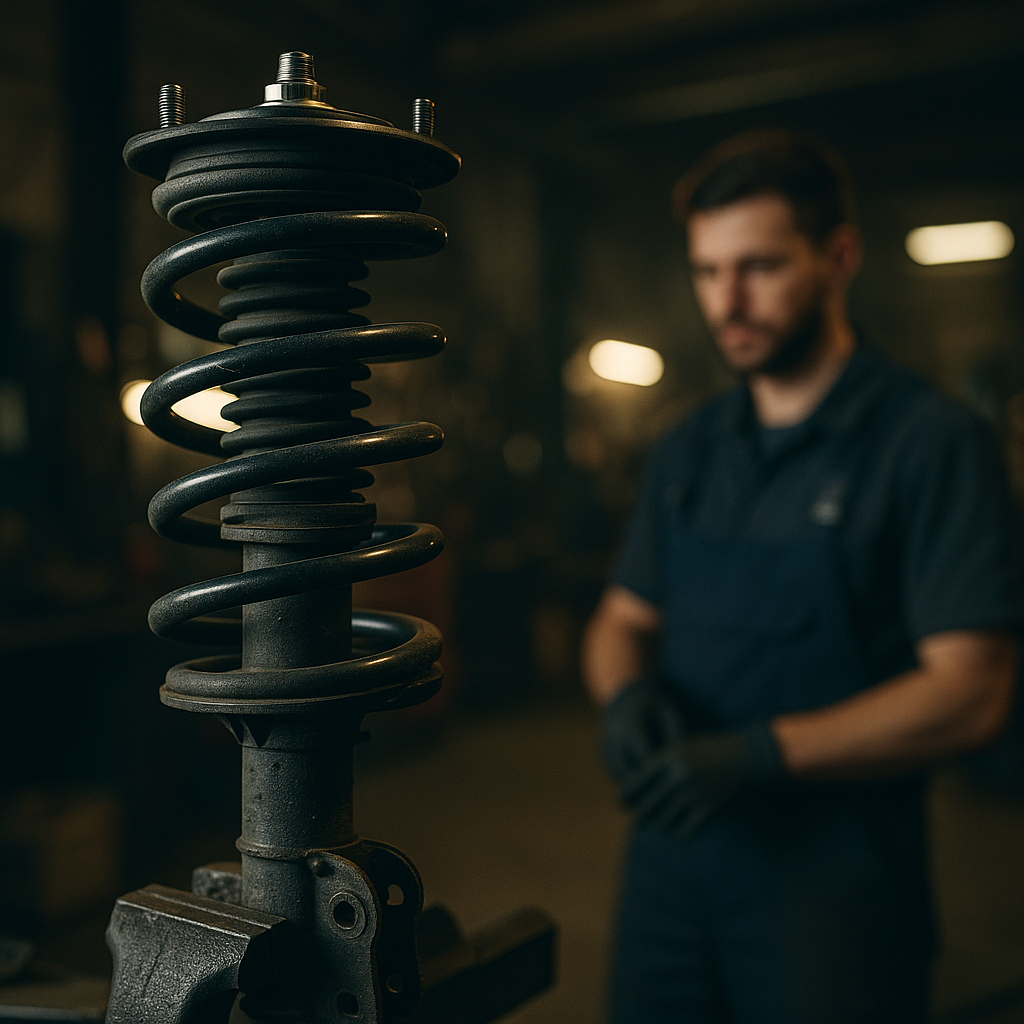
Inside a damper you have oil being forced through valves and passages. Old school, you picked a compromise: comfy or sporty, and lived with it. With constant curve damping, the internal valves are designed or actively controlled so that the damping force increases in a smooth, pre-planned curve as the damper speed increases.
On some systems that curve is set mechanically using clever valve stacks and shims. On more advanced setups, the curve can be tweaked electronically hundreds of times per second, reacting to sensors reading steering angle, body movement, throttle position and braking. The clever bit is not just being adjustable, but staying on that ideal curve rather than jumping around between soft and stiff like a learner in a car park.
Why constant curve damping matters for real-world driving
All this talk of curves and valves is nice, but what does it actually feel like when you are behind the wheel? In a word: confidence. these solutions gives you a car that tells you what it is doing instead of surprising you halfway round a roundabout.
You get less nose dive under hard braking, less wallow when you change lanes at speed and fewer moments where the back end does a little shimmy over mid-corner bumps. The tyres stay in better contact with the road, which means more grip and more consistent feedback through the steering wheel and your backside. That means you can push a bit harder, a bit earlier, without feeling like you are rolling the dice every time you turn in.
these solutions vs normal suspension
On a basic suspension setup, the damping can feel fine in one situation and terrible in another. Hit a sharp bump and it might crash. Lean into a long bend and it might feel vague. these solutions aims to iron out those mood swings.
Compared with a typical fixed damper, a well tuned these solutions system should:
- Soak up small bumps without feeling floaty
- Control big body movements like braking and turn in
- Stay consistent as speeds increase
- Feel the same on a smooth A-road as it does over patched up tarmac
It is not magic and it will not turn a shopping trolley into a track weapon, but it can make a good chassis feel properly sorted.
Is these solutions just for posh cars?
Right now you are more likely to find these solutions style systems on performance models, hot hatches, premium saloons and SUVs that want to pretend they are sports cars. But like most clever tech, it tends to trickle down. Remember when adaptive dampers were rare and now they are popping up all over the place? Expect more mid-range cars to quietly adopt similar approaches as manufacturers chase comfort, safety and efficiency all at once.
For enthusiasts, that is no bad thing. It means you can daily something that is civilised in town yet still feels up for it when the road opens up, without having to live with crashy coilovers or a spine made of rubber.

Constant curve damping FAQs
Is constant curve damping the same as adaptive suspension?
Not exactly. Adaptive suspension usually means the dampers can change stiffness electronically, often between driving modes like Comfort and Sport. Constant curve damping is about how the damping force builds in a smooth, predictable way as the damper moves. Some adaptive systems are designed to follow a constant curve damping philosophy, but the terms are not interchangeable.
Does constant curve damping make a car more comfortable or just sportier?
Done well, constant curve damping improves both comfort and control. By keeping the damping force on a smooth curve, the car can absorb small bumps without feeling floaty, while still keeping body movements in check when you brake or corner hard. The result is a car that rides better in everyday use yet feels more composed when you drive enthusiastically.
Can you retrofit constant curve damping to an older car?
You cannot simply bolt on a box labelled constant curve damping and call it a day, but you can fit high quality dampers that are designed with similar principles in mind. Many performance damper manufacturers talk about linear or digressive damping curves, which are related ideas. For full blown electronically controlled systems, you would usually need a car designed to work with that hardware from the factory.