
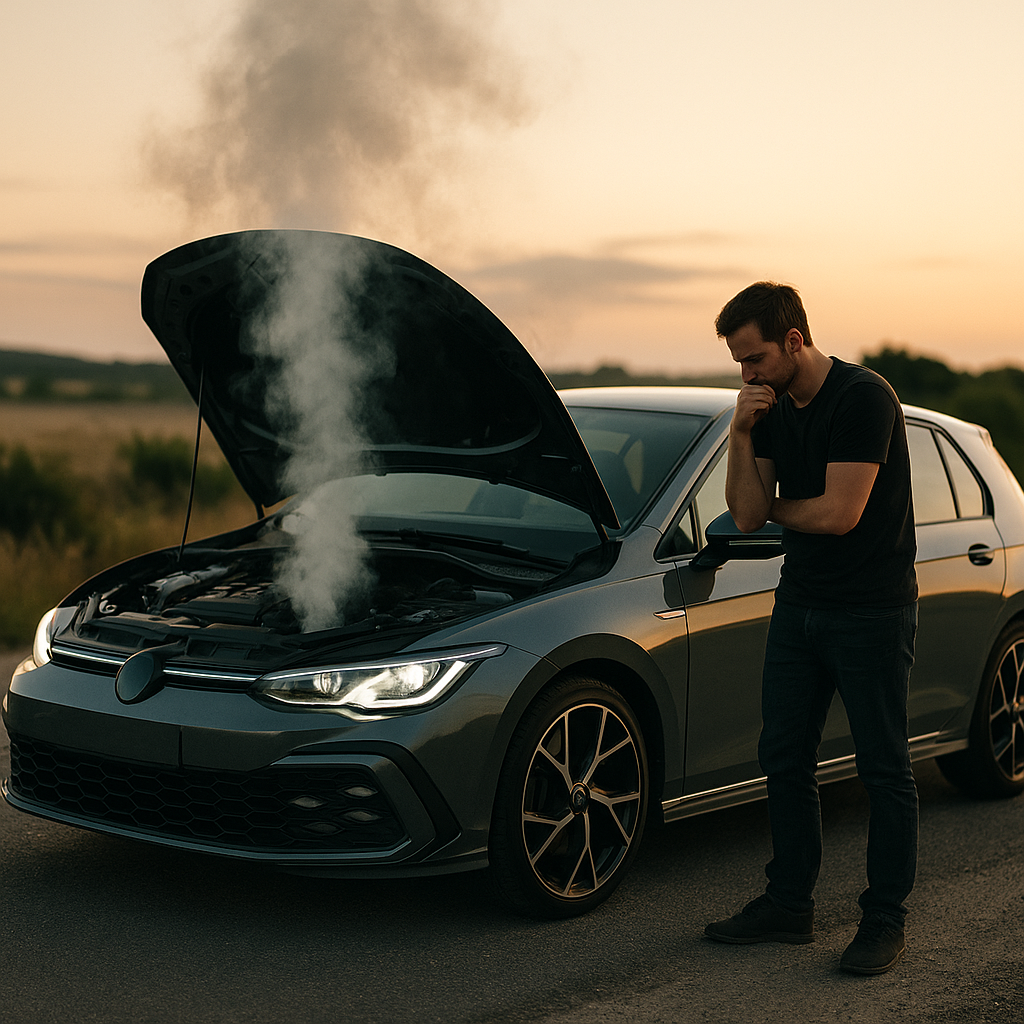
If you are the sort of person who names their car, engine overheating is basically watching a slow, expensive heartbreak in real time. One minute you are vibing to your playlist, the next your temperature gauge is climbing like a turbo Civic on a B-road.
What actually causes engine overheating?
Modern cars are clever, but they are not magic. Engine overheating still happens when the cooling system cannot dump heat as fast as the engine makes it. Common culprits include:
- Low coolant – tiny leaks, a lazy top up routine, or that hose you keep pretending not to see.
- Stuck thermostat – if it will not open, coolant cannot circulate properly and the engine cooks.
- Dead radiator fan – especially in traffic, no fan means no airflow and rising temps.
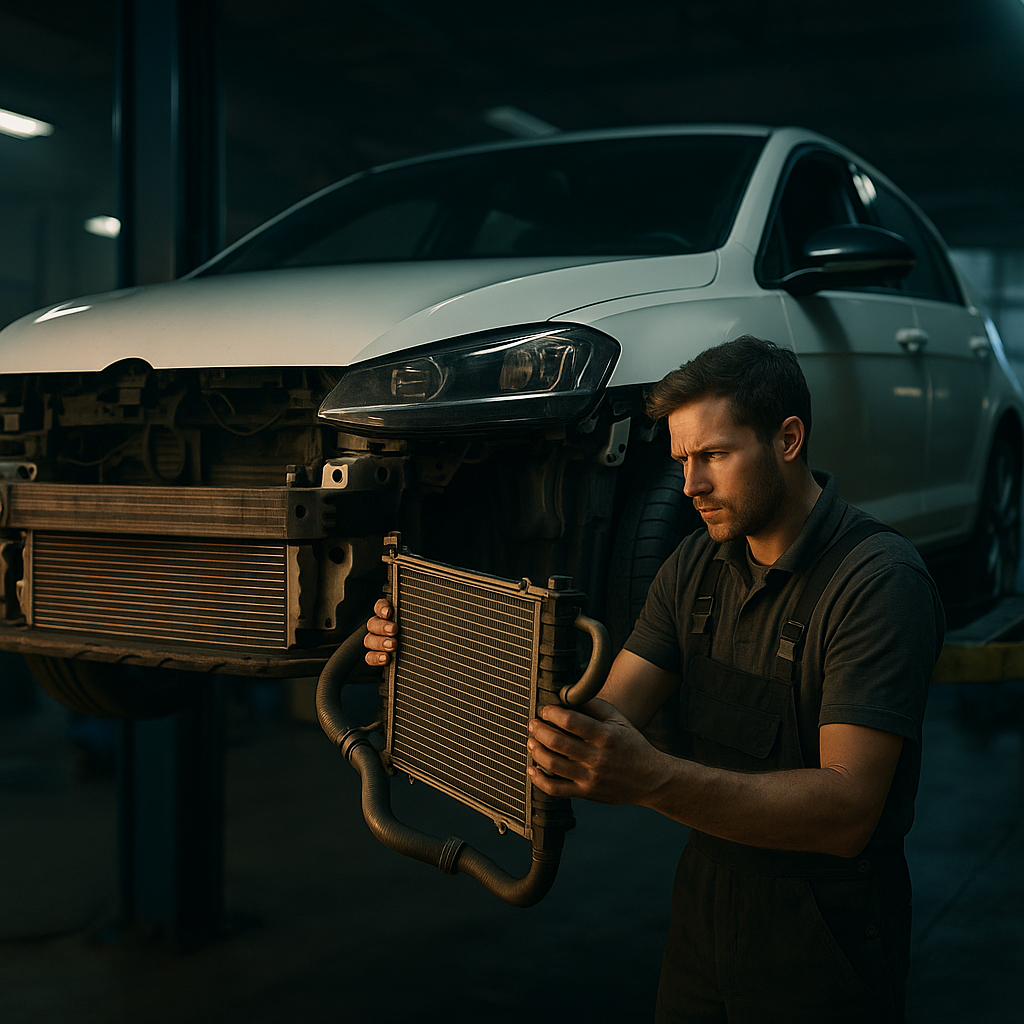
- Blocked radiator – corrosion, sludge or a decade of bug graveyard on the fins.
- Water pump issues – worn impeller or slipping belt equals poor coolant flow.
The brutal bit? You often get subtle hints long before full-blown engine overheating, but most drivers ignore them until steam appears and the AA driver knows you by first name.
Engine overheating warning signs you should never ignore
You do not need to be a master tech to spot trouble early. Watch for:
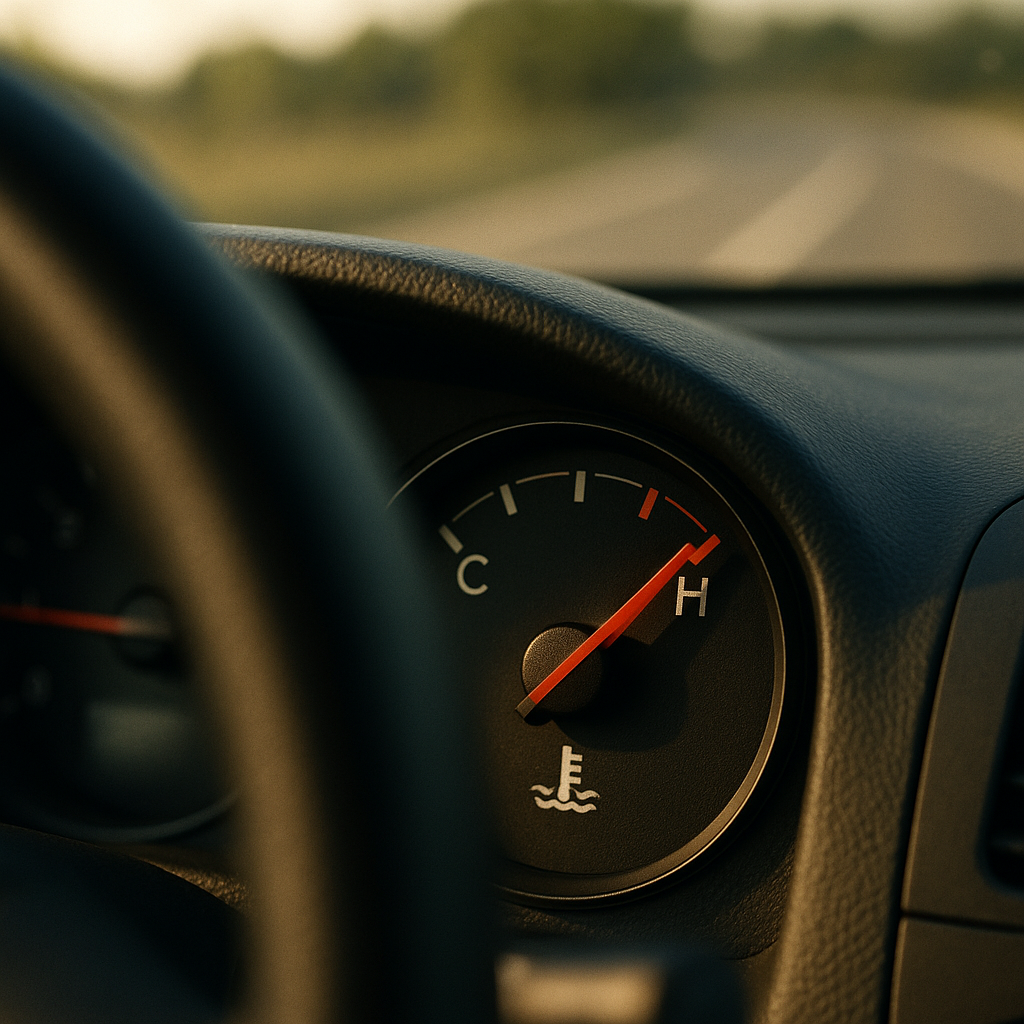
- Temperature gauge creeping higher than usual, even if it is not in the red yet.
- Heater blowing cold air when it should be warm – often a sign of low coolant or air in the system.
- Sweet smell under the bonnet – coolant on hot metal smells like someone is baking sadness.
- Visible coolant leaks or dried white/green crust around hoses and the radiator.
- Cooling fan running constantly or never running at all.
Spot these early and you are looking at a small bill and a quiet life. Ignore them and you are browsing used engines on your lunch break.
What to do if your car starts overheating
When engine overheating hits mid-journey, panic is optional but not helpful. Do this instead:
- Kill the air con and turn the heater on full hot. Yes, you will roast, but it helps draw heat away from the engine.
- Pull over safely as soon as you can. Do not keep driving “just a bit further”. That “bit” can be the difference between a gasket and a whole engine.
- Switch the engine off and pop the bonnet, but do not open the coolant cap while it is hot unless you really like steam facials.
- Wait at least 30 minutes before checking coolant levels. If it is empty or you have a clear leak, you need recovery, not vibes.
If this is not your first overheating rodeo, it is time to get the system properly checked, not just topped up and forgotten.
How to stop engine overheating before it starts
Prevention is boring, but so is paying for a head skim. A few simple habits massively reduce the risk of these solutions:
- Regular coolant checks – once a month, bonnet up, quick look at the expansion tank. Takes 30 seconds.
- Use the correct coolant for your car, not whatever was cheapest at the petrol station.
- Inspect hoses and clamps for cracks, swelling or crusty deposits.
- Keep the radiator clear of leaves, plastic bags and half of last summer’s insect population.
- Service on time so things like water pumps and belts get changed before they retire themselves.
If you want to geek out further on why temperature control matters, this deep dive on Keeping engines cool is a solid read for anyone who loves the mechanical side of things.
Performance cars, traffic and overheating drama
It is not just old sheds that suffer. High performance engines make serious heat, and when you mix that with stop start traffic, hot weather and enthusiastic driving, these solutions becomes very real. Extra radiators, bigger intercoolers and clever fans help, but they are not invincible.
If you are into spirited drives, keep an eye on your temps after a hard run, especially before you shut the car off. Letting the engine idle for a minute or two can help stabilise temperatures and prolong the life of everything under the bonnet.
Engine overheating FAQs
Can I still drive if my engine temperature gauge is slightly high?
If your gauge is sitting a little higher than normal but not in the red, you can usually drive short distances while keeping a close eye on it. However, a change from the usual reading is a warning sign that something in the cooling system may be off. Avoid heavy traffic or hard driving, get home or to a garage calmly, and have the system checked before it turns into full engine overheating and serious damage.
Does using the heater really help when the engine is overheating?
Yes, turning the cabin heater on full hot can help in an overheating situation because it uses the heater matrix as a small extra radiator. It draws some heat away from the coolant and into the cabin. It will not fix the underlying problem, but it can buy you time to reach a safe place to stop. Just remember this is an emergency move, not a permanent cure for engine overheating.
How often should I change my coolant to prevent overheating?
Most manufacturers recommend changing coolant every few years or a set mileage interval, but the exact schedule depends on your car and the type of antifreeze used. As a rule of thumb, fresh coolant every few services helps maintain corrosion protection and proper boiling point. Old, contaminated coolant can contribute to blockages, poor heat transfer and ultimately engine overheating, so do not treat it as a lifetime fluid.