
If you are obsessed with keeping old performance cars alive, you already know the real boss fight is not rust or blown head gaskets – it is parts availability. Your ageing hot hatch, JDM hero or classic performance saloon is only one discontinued sensor away from becoming a very pretty garden ornament.
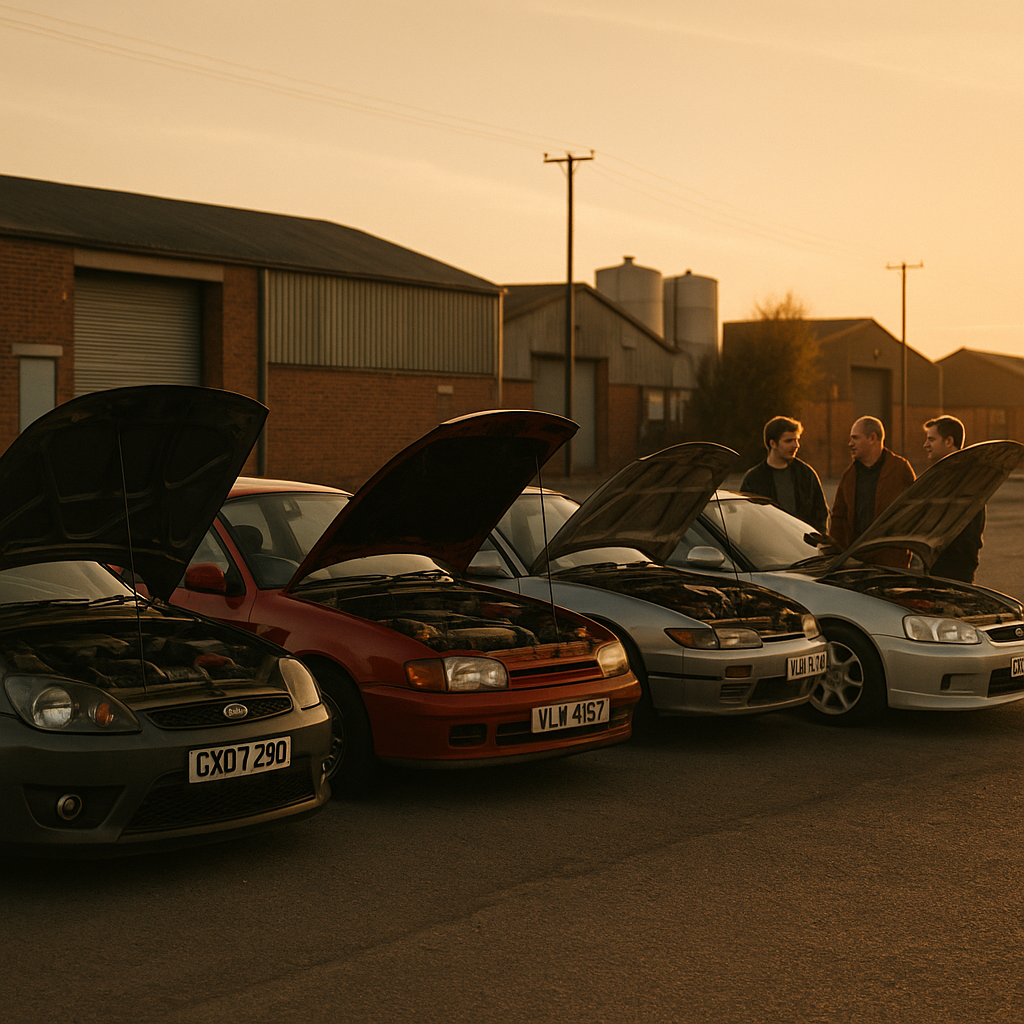
Why keeping old performance cars alive starts with a plan
Most people wait for something to break, then panic-Google part numbers at 1am. That is how you end up paying triple for a used coil pack that looks like it survived a house fire. Keeping old performance cars alive means flipping that script and going full nerd on preventative maintenance.
Start with a brutally honest health check. Make a list of everything that moves, seals, spins, cools or sparks. Then split it into three columns: safety critical, likely to fail with age, and nice-to-have upgrades. Brakes, steering and suspension go in the first column. Rubber hoses, ignition bits and plastic cooling parts live in the second. Shiny exhausts and big brake kits can wait in column three.
Once you have the list, set a yearly budget and chip away at it. You are not just fixing problems – you are buying time before the parts supply disappears completely.
Preventative maintenance priorities for old performance cars
Some components on older performance cars are basically ticking time bombs. Deal with them before they ruin your weekend or your engine.
- Cooling system: Radiators, plastic expansion tanks, brittle hoses and tired thermostats are common failure points. Overheating can end an engine faster than you can say “warped head”.
- Rubber and bushes: Engine mounts, suspension bushes and fuel hoses harden and crack with age. Replace them before they split or introduce weird handling.
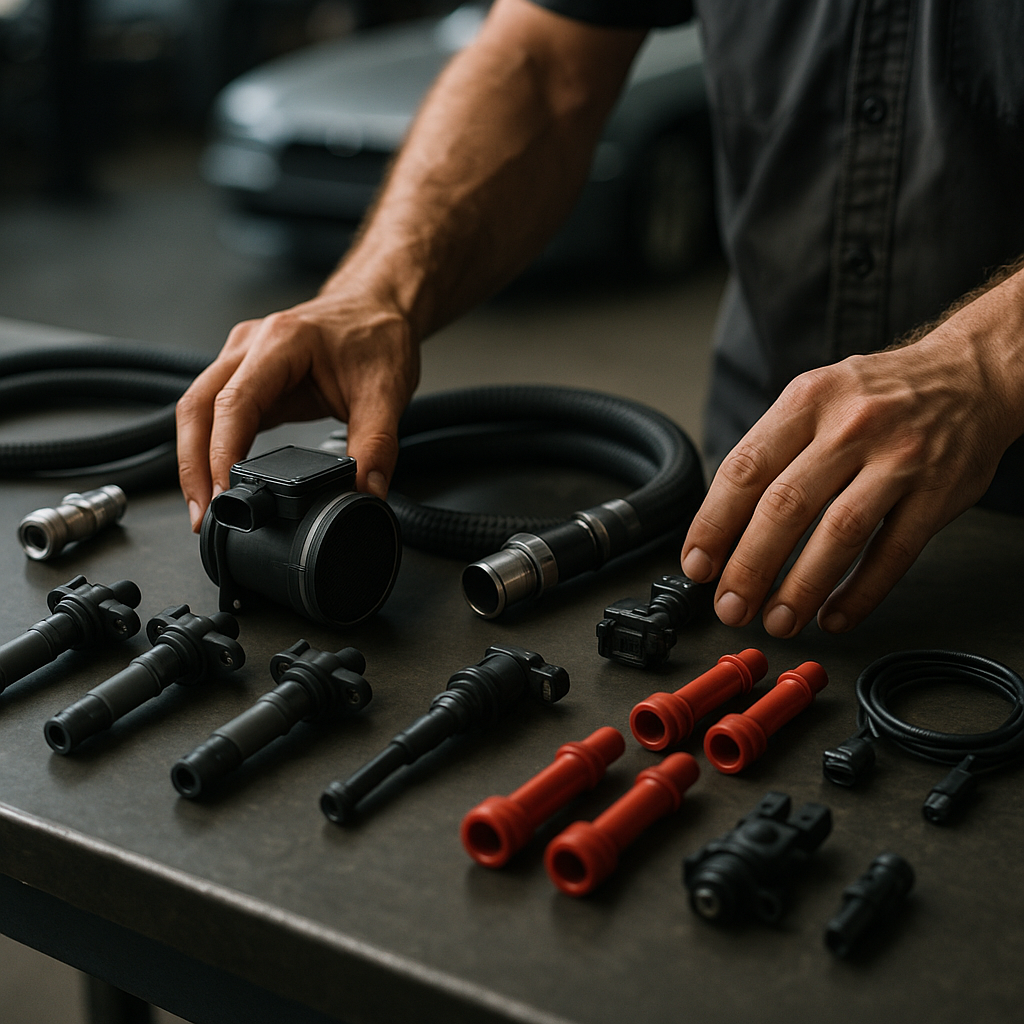
- Ignition and fuelling: Coil packs, HT leads, injectors and fuel pumps suffer with heat and time. Misfires are not just annoying – they can damage catalysts and engines.
- Timing components: Belts, chains, tensioners and guides are non-negotiable. If there is any doubt, change them. If the engine is interference, treat it as urgent.
- Corrosion hotspots: Brake lines, subframes and sills love to rust quietly. Sort minor corrosion before it becomes structural surgery.
Focusing on these areas is the most cost effective route to keeping old performance cars alive without constantly living on a recovery truck.
What to stockpile before the parts vanish
Some bits will always be easy to get. Others are already rarer than an unmodified EP3. The trick is knowing what to hoard and what to buy as needed.
Smart stockpile items
- Service items: Oil filters, air filters, cabin filters and spark plugs are cheap, small and always useful.
- Known weak points: If your model is famous for a failing crank sensor, window regulator or coil pack, buy a spare while they are still available.
- Plastic trim and clips: Interior clips, bumper brackets and obscure little grommets quietly go discontinued. A small box of these can save a big headache later.
- Rubber seals: Door, boot and window seals stop water leaks and wind noise. Once they are gone, they are gone.
- Unique model-specific parts: Anything that only fits your niche performance variant is worth grabbing when you see it at a sensible price.
Do not hoard everything like a doomsday prepper. Focus on the bits that are small, affordable and likely to vanish, and you will make real progress in keeping old performance cars alive without filling the loft with bumpers.
Aftermarket vs OEM – when it is fine and when it is risky
With OEM parts drying up, you will eventually face the big question: is aftermarket good enough, or is it a terrible idea wrapped in shiny packaging?
Keeping old performance cars alive FAQs
How do I start keeping old performance cars alive on a tight budget?
Begin with a realistic plan and focus on safety critical items first, such as brakes, tyres, suspension and steering components. Next, tackle age related failures like rubber hoses, bushes and cooling system parts. Spread the work over the year, doing one small job at a time, and keep an eye out for genuine parts deals or used spares in good condition from trusted enthusiasts rather than panic buying when something breaks.
Is it worth stockpiling parts for my ageing hot hatch or JDM car?
Yes, but be strategic. Stockpile small, affordable items that are likely to go discontinued, such as sensors, rubber seals, clips, service items and known weak points for your specific model. Avoid hoarding huge panels or random parts you will probably never need. A well chosen box of spares can make keeping old performance cars alive far easier and save you from overpaying in a crisis.
Are aftermarket parts safe for older performance cars?
Aftermarket parts can be absolutely fine if you choose reputable brands and use them in the right areas. Suspension, exhausts and brake upgrades are often improvements over tired factory components. However, for critical items like engine internals, sensors, safety systems and complex electronics, it is usually safer to stick with OEM or proven high quality equivalents, even if they cost more.