
There is a moment in every used car market cycle where the sensible money quietly moves before everyone else notices. The Mk1 and Mk2 Mazda MX-5 are right in the middle of one of those moments. Values have been creeping north on UK classifieds for the past two or three years, clean examples are getting harder to find, and the community around these cars is fiercely protective of their worth. I’ve been watching this market for a while, and my take is simple: the window to buy a genuinely good Mazda MX-5 classic investment UK buyers can be proud of is still open, but it won’t stay that way for long.

What’s actually driving MX-5 values upward?
The short answer is scarcity combined with passion. The Mk1 (NA, 1989 to 1997) and Mk2 (NB, 1998 to 2005) were built in enormous numbers globally, but the British climate has done its worst to the UK fleet for three decades. Sills rot. Arches go crusty. Floors bubble from the inside out. Every genuinely rust-free or properly restored example that surfaces on AutoTrader or PistonHeads gets snapped up fast, and that’s tightening supply consistently.
According to DVLA data examined through the MOT testing service on gov.uk, the number of Mk1 MX-5s still registered and presenting for MOT tests has dropped noticeably over the past five years. Fewer survivors means higher values for the ones that remain. That’s not sentiment, that’s basic arithmetic.
The community element matters too. MX-5 owners in the UK are almost aggressively organised. The MX-5 Owners Club runs regular track days, restoration guides, and technical forums that keep knowledge alive and parts moving between members. That collective enthusiasm creates a floor under the market. Nobody is panic-selling an MX-5 into a void, there is always a buyer within the community who knows what they’re looking at.
Rust hotspots every buyer must check
This is where the split between a bargain and a money pit lives. Get under any MX-5 you’re considering and check these areas without compromise.
The sill ends are the most notorious. Water gets trapped behind the plastic sill covers and just sits there, quietly dissolving the metal underneath. Prod the ends with a screwdriver if you have to. Soft metal is a rebuild job, not a repair. The front and rear wheel arches are next, bubbling paint on the arch lips usually means the rot has already started behind the liner. Floor pans on the driver’s side suffer if a previous owner removed the carpet without resealing, particularly on cars that have been used in winter.
On the Mk2 specifically, check the area around the hood mechanism where it folds into the bodywork. Water sits there, and on cars where the hood seal has gone even slightly, the consequences are expensive. Chassis legs, the boot floor, and the area behind the rear light clusters round out the checklist. A proper inspection from a marque-specialist or an independent inspection service is worth every penny on these.
Parts availability and what it costs to keep one running
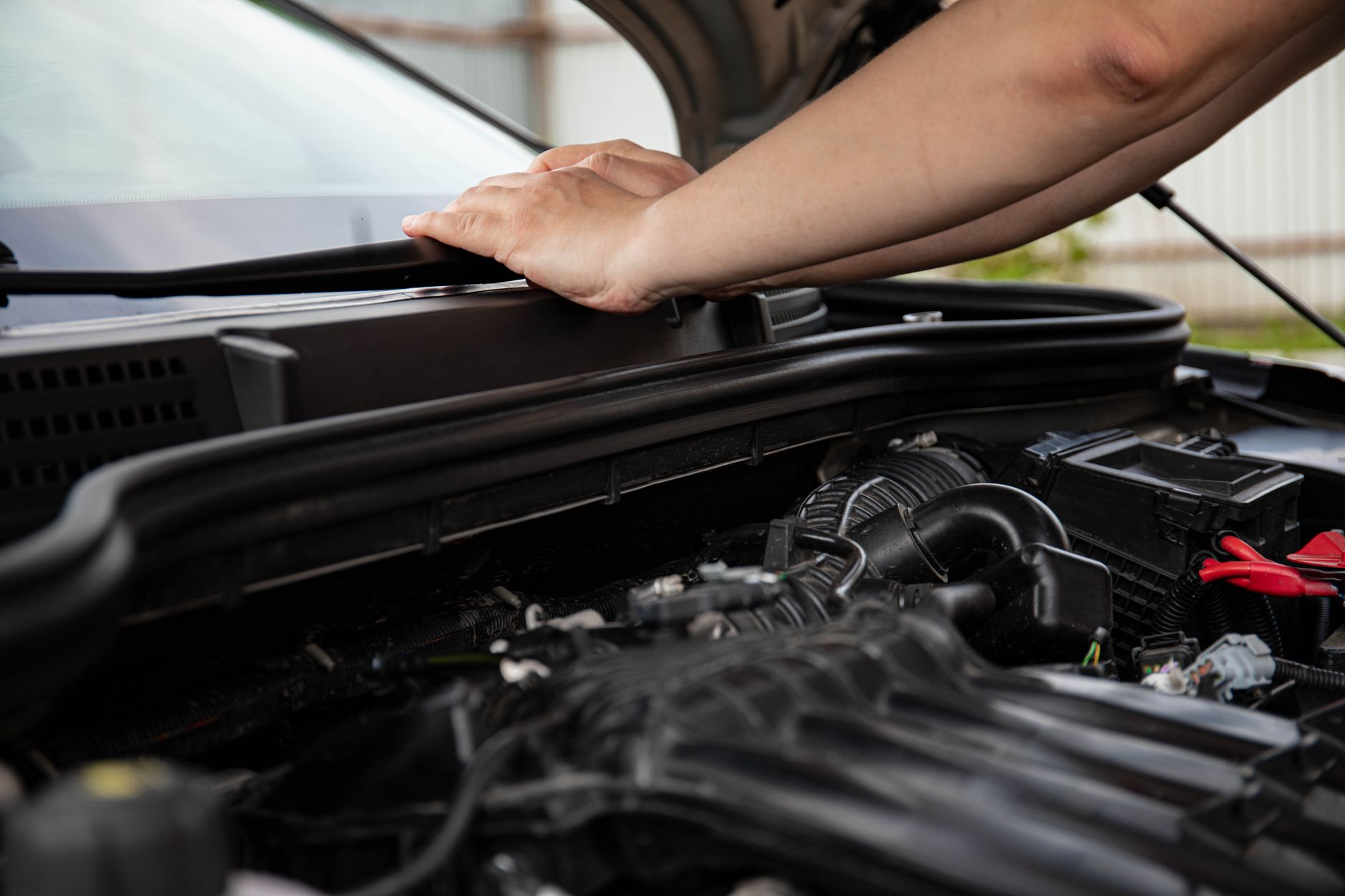
Here is where the MX-5 genuinely earns its reputation as a sensible enthusiast buy. Parts availability is exceptional for a car of this age. Mazda supported the model globally for so long, and the aftermarket followed suit so thoroughly, that you can source almost everything, mechanical, electrical, and body, without much difficulty.
Specialists like Moss Europe stock a comprehensive range of Mk1 and Mk2 specific parts, and the second-hand market through Facebook groups and forums is thriving. Engine components, suspension bushes, soft-top hoods, and even relatively obscure interior trim pieces are findable without months of searching. If you’re used to hunting for parts for something more obscure (I’ve spent time trawling listings for bits for a first-generation Honda Integra Type R, it builds character, I’ll say that much), the MX-5 ecosystem feels almost luxurious by comparison.
It’s worth noting that if you’re already into Japanese sports cars from this era, the community mindset around parts sourcing is similar. Owners of other compact Japanese machines of the period, from Mitsubishi and Honda to the occasional Subaru lightweight, tend to share the same ethos of keeping cars alive through community trading. Sites like Mitzybitz.com show how active these parts communities can be for other Japanese classics of the same generation, and the MX-5 benefits from exactly that same energy.
Insurance groupings and running costs
One of the more practical reasons the MX-5 makes sense as a Mazda MX-5 classic investment UK enthusiasts can actually afford to run is the insurance position. Both the Mk1 and Mk2 sit in low to mid insurance groups, typically between 10 and 20 depending on the specific model and engine. The 1.6-litre variants are particularly affordable to insure, which is a genuine draw for younger buyers getting into classics for the first time.
For cars over 25 years old (which all Mk1s now are, and early Mk2s fast approaching), agreed-value classic car insurance through specialists like Hagerty UK or Adrian Flux can bring premiums down significantly, especially if the car is a weekend or show use vehicle with limited annual mileage. I’d always recommend agreed value over market value on a classic, it’s the only way you actually know what you’ll get if the worst happens.
Running costs are modest by sports car standards. The 1.6 and 1.8 DOHC engines are sturdy, parts are cheap, and a competent independent mechanic can service one without needing specialist tools. Annual servicing, tyres, and the occasional rubber refresh for bushes and seals, budget around £600 to £900 a year for a well-maintained example used for weekend drives and the occasional track day.
What UK classifieds pricing looks like right now
In early 2026, UK classifieds tell a clear story. Rough, high-mileage Mk1s with MOT advisories still open around the £2,500 to £4,000 mark, but the market for those is thin because buyers are wise to the restoration bills. Mid-grade tidy examples in good running order with a history file sit between £5,000 and £8,000. And genuinely excellent, low-mileage, rust-free Mk1s, particularly the special editions like the Eunos import variants, are pushing £12,000 to £15,000 and sometimes beyond.
The Mk2 is slightly more affordable at the top end for now, with the best NB examples sitting between £7,000 and £10,000. The NBFL (the facelifted 2001-onward Mk2.5, as enthusiasts call it) commands a small premium for its revised styling. Both generations have risen meaningfully in the past three years, and the trajectory is still upward. If you want a comparison for how this kind of appreciation cycle plays out, have a look at what’s happened with the Porsche 996 market in the UK, the mechanics of enthusiast-led appreciation are almost identical, just at a very different price point.
Why the community keeps values buoyant
The MX-5 community in the UK is one of the most active and genuinely welcoming in British car culture. Track days at Brands Hatch and Silverstone regularly feature large MX-5 contingents. Restoration threads on forums go into forensic detail. Knowledge is shared freely, and that keeps more cars on the road than would otherwise survive.
That survivorship is what sustains values. Compare this to something like the broader used Japanese performance car market in the UK, where enthusiast communities vary wildly in size and organisation. The MX-5’s community is uniquely good at this, and it shows in the numbers. When values rise, there are always enough informed buyers at the next level to absorb the supply.
If you’re thinking about getting into one, my honest advice is to take your time on the inspection, join the owners club before you buy (the forum knowledge alone is worth the membership fee), and don’t chase the cheapest car you can find. The MX-5 rewards patience and punishes corner-cutting. Find a clean, honest car with a paper trail and the rest will look after itself. These things drive brilliantly, cost relatively little to maintain, and are going up in value while you enjoy them. That’s a rare combination in any market.