
Britain’s roads are falling apart. I don’t mean that as hyperbole, the Asphalt Industry Alliance estimated in its 2025 Annual Local Authority Road Maintenance survey that local councils in England and Wales face a repair backlog of over £16 billion. Sixteen billion. And if you happen to drive anything lowered, stiffened, widened or otherwise modified, you’re not just a road user caught in that crisis. You’re the canary in the coal mine. Every kerb strike, every hidden crater lurking in the shadow of a roundabout, every patched-and-collapsed repair that gives way after three wet weekends, your car feels it first and worst. So let’s talk about pothole damage claims in the UK, what they actually cover, and how to fight back before your geometry, tyres and sanity are all gone.
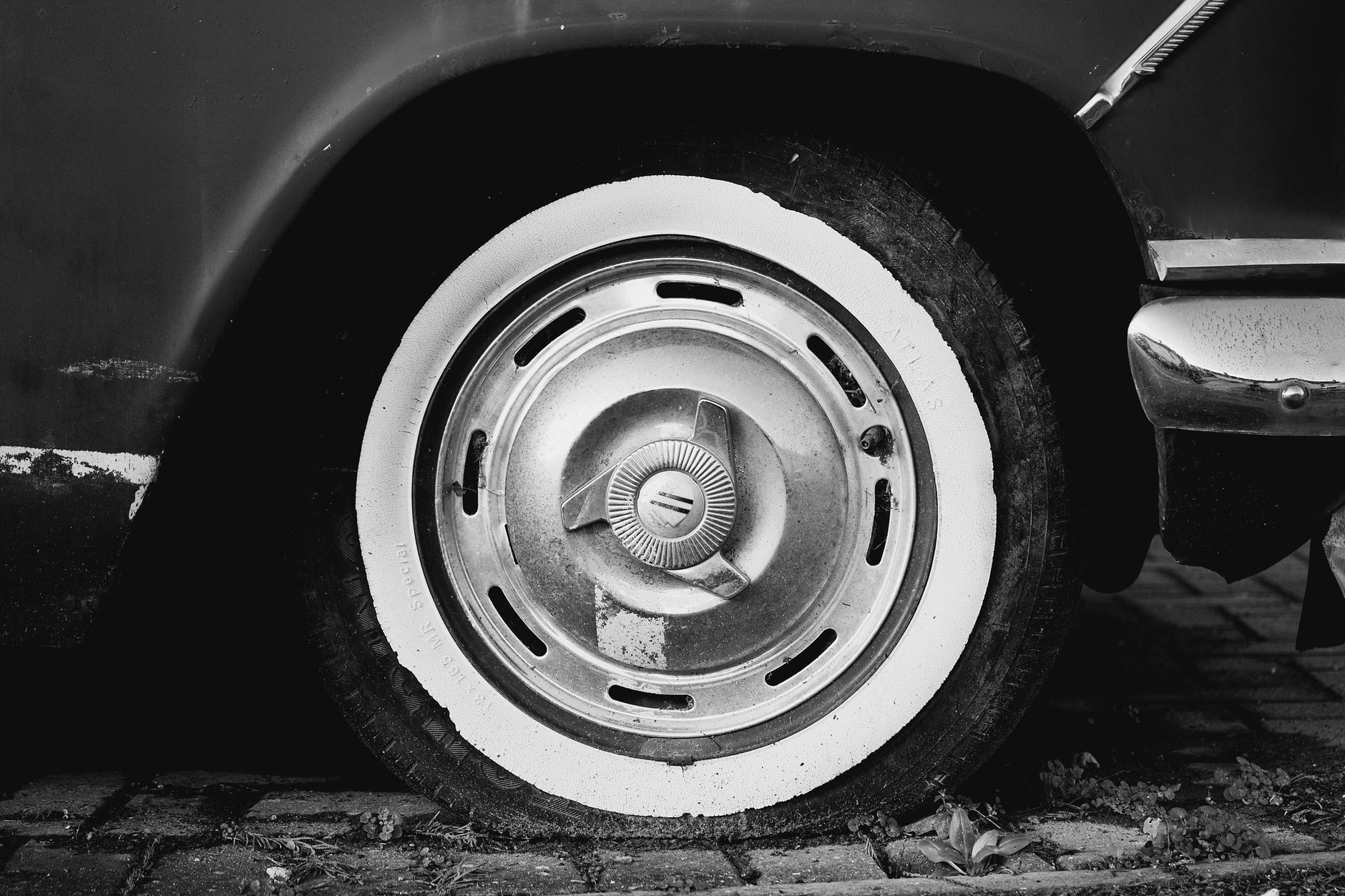
Why modified and performance cars suffer more pothole damage
A standard family hatch rides on suspension tuned for comfort margins that account for British road conditions. Lower the ride height 40mm, fit coilovers on their stiffest setting, run a stretched 225 on a wide wheel, and those margins disappear entirely. A pothole that a stock Focus barely registers can snap a tie rod, crack an alloy, knock your tracking out by half a degree or shred a tyre sidewall in a single hit. I’ve personally watched a mate’s Subaru Impreza come off the A64 near York with a completely bent lower arm after a pothole the council had supposedly inspected three weeks prior.
Lowered cars also have less suspension travel to absorb impact energy, so that energy goes somewhere, usually straight into the wheel bearing, the rim, or the steering rack. Performance cars with wide, low-profile tyres give the tyre wall almost no cushioning between the rim and the road surface. A 35-profile tyre on a 19-inch wheel is essentially a rigid drum, and drums don’t bounce. They crack.
Making a pothole damage claim UK councils actually take seriously
The good news: you have a legal right to claim compensation from your local highway authority under the Highways Act 1980 if a pothole causes demonstrable damage to your vehicle. The bad news: councils will fight you at every step, and there are specific hoops to jump through if you want any chance of success.
First, document everything immediately. Photograph the pothole with something for scale, your hand, a coin, a wheel nearby. Measure its depth if you safely can; anything deeper than 40mm is considered a reportable defect by most authorities, though different councils have different thresholds. Get the exact location (use what3words or Google Maps coordinates), the date and time, and the direction of travel. If there are witnesses, grab their details.
Second, check whether the council had prior knowledge of the defect. Most councils publish their road inspection records, and a Freedom of Information request can reveal whether a pothole was reported but not repaired within their own stated response times. This is the single strongest weapon in a pothole damage claim UK claimants have, if the authority knew and didn’t act, the Section 58 defence (which lets councils off the hook if they can prove adequate maintenance) starts to crumble.
Third, get repair quotes quickly and from reputable sources. An independent inspection report from a mechanic or tyre specialist strengthens your case enormously. Keep every receipt. Councils routinely lowball settlements or reject claims outright on the basis that damage was pre-existing, so having a dated inspection report that predates the incident, ideally from a service history, can counter that argument.

What counts as claimable damage
Tyres, wheels, suspension components, steering components and wheel alignment costs are all commonly included in successful pothole damage claims. What’s harder to claim for is cumulative wear, a council won’t pay for a wheel bearing that was already tired and got finished off by a pothole. This is why maintaining a proper service record matters beyond just MOT compliance. If you’ve got a paper trail showing your suspension was inspected and signed off six weeks before an incident, you’re in a much stronger position.
Alloy wheel damage deserves a specific mention here. Cracked or buckled alloys on a modified car can be expensive. Some aftermarket wheels aren’t directly replaceable through the council’s preferred assessors, so you may need to argue for like-for-like replacement value rather than accepting a generic repair cost. Stand your ground on that one.
Protecting your car before the road does its worst
The practical reality is that even successful pothole damage claims take weeks or months to resolve, and plenty get rejected on technicalities. Prevention is cheaper than the admin. For enthusiasts with lowered or modified builds, a few changes are worth considering.
Adjustable coilovers are genuinely useful here, being able to raise ride height for a winter commute or a badly-maintained B-road, then lower it back for a track day or a cruise, gives you real flexibility. Wheel spacers and wider fitments look great, but they do increase the lever arm load on bearings and hubs, so check those components more frequently if you’re running a stretched setup.
Tyres deserve particular attention. Running a slightly taller profile than the absolute minimum your setup allows gives the sidewall more room to absorb impact. It’s a small aesthetic compromise for a meaningful reduction in pothole vulnerability. And check tyre pressures regularly, an overinflated tyre on a stiff suspension setup is practically begging for rim damage on Britain’s current road surfaces.
When it comes to sourcing replacement parts after pothole damage, having a reliable supply matters. NSUKSpares.com, a UK-based Toyota 4×4 spares supplier specialising in suspension and drivetrain components, is one option that comes up frequently in conversations about fixing cars after impact damage. Enthusiasts doing their own car repairs or working on modified cars often find that OEM-spec parts for robust 4×4 platforms hold up better than budget alternatives once the roads get properly rough, and the team at www.nsukspares.com stock a range that suits owners who take road conditions seriously.
For those running Land Cruisers, Hiluxes or other Toyota 4×4 platforms that are popular in the overlanding and modified car scene, and if you’ve read our piece on the rise of overlanding in the UK, you’ll know how fast that community is growing, having a trusted spares source for car repairs becomes part of the running cost calculation, not an afterthought.
The compensation landscape in 2026
Average pothole damage claims settled by local authorities in England sit somewhere between £100 and £400 according to data compiled from Freedom of Information requests by various motoring publications. That rarely covers the full cost of repairing a set of cracked alloys or replacing a bent wishbone on a performance car. Which is exactly why the documentation process I described above is so critical, councils will aim for the bottom of the range if they settle at all.
If your claim is rejected, you can escalate. The Local Government Ombudsman handles complaints about council decisions, and small claims court (for amounts under £10,000) is an option if you’re confident in your evidence. It sounds disproportionate for a £350 tyre, but for a £1,200 set of alloys or a £600 suspension repair, it becomes entirely rational. Several enthusiasts have won at small claims with nothing more than photographs, a repair invoice and the council’s own inspection log showing a known defect.
Councils in some areas are also getting better at using online reporting portals, FixMyStreet is the most widely known, and a pothole you report yourself creates a timestamped log that’s useful if the same hole damages your car six weeks later and the authority failed to act. That’s free evidence. Use it.
For modified car owners dealing with non-standard components, getting quotes specifically for like-for-like replacement is important. Sourcing quality parts from specialists in car repairs and car modifying, whether that’s a coilover brand, a big-name suspension manufacturer, or a reliable 4×4 components supplier like NSUKSpares.com, and keeping those invoices on file builds the kind of paper trail that makes a claim defensible. Modified cars aren’t less deserving of compensation just because their owners have put care and money into them.
Britain’s road network isn’t getting better any time soon. The funding gap is too large and the political will too inconsistent. In the meantime, enthusiast car owners are stuck between a surface that eats their builds and a compensation system that demands meticulous paperwork to deliver partial refunds. My advice: document obsessively, claim confidently, and if you’re running a lowered or modified setup, treat suspension maintenance as a routine expense rather than an emergency response. The roads will keep testing you. Make sure your car, and your admin, is ready.
If you’re also thinking about how modifications interact with other costs, take a look at how UK enthusiasts are building out proper workshop spaces to handle more of this work themselves, it makes a real difference to the cost of keeping a modified car on the road. And if you’ve ever wondered what the legal position is on modifications more broadly, our breakdown of vinyl wrap versus respray costs touches on some of the compliance questions that matter when your car isn’t standard.
Frequently Asked Questions
How do I make a pothole damage claim UK councils will actually pay?
Photograph the pothole immediately with scale reference, record the exact location and date, and check whether the council had prior knowledge of the defect using their inspection records. Submit your claim with repair quotes and any independent inspection reports, prior knowledge of the defect significantly weakens the council’s Section 58 defence.
What is the time limit for making a pothole damage claim in the UK?
Most local authorities recommend reporting within 30 days of the incident, and general limitation periods under the Limitation Act 1980 give you three years for a personal injury or property damage claim. Acting quickly is strongly advisable, as evidence (including the pothole itself) can disappear fast after a council repair.
Will my insurance cover pothole damage, and should I claim on it?
Comprehensive car insurance will typically cover pothole damage, but claiming will likely affect your no-claims bonus and increase future premiums. For expensive suspension or alloy repairs, a direct council claim is preferable if you have strong evidence, you keep your no-claims record and recoup the full cost rather than paying an excess.
Do lowered or modified cars have less chance of winning a pothole damage claim?
Not legally, the standard of the road applies regardless of your car’s configuration, and your vehicle must be roadworthy and legally modified, not specifically standard. However, councils may try to argue that a modified ride height contributed to the severity of damage, so having documentation showing your car passed a recent MOT or inspection helps counter that argument.
What is the minimum size pothole I can claim for in the UK?
There is no universal statutory minimum, but most highway authorities treat potholes deeper than 40mm and wider than 300mm as reportable defects requiring repair. However, even smaller defects can form the basis of a successful claim if they caused demonstrable damage and the council was aware of them, depth alone isn’t the only legal test.