
Author: Ethan

  • JDM Cars You Can Finally Import to the UK in 2026 (And How to Do It)

    JDM Cars You Can Finally Import to the UK in 2026 (And How to Do It)

    Every year that rolls around, the 25-year import rule quietly unlocks another batch of legendary metal for UK enthusiasts. And 2026? It’s a particularly tasty one. Cars that were once forbidden fruit, tucked away in Japanese auction yards and drooled over on forums, are now legally yours to bring back. This is JDM import UK 2026 season, and it’s shaping up to be one of the best yet.

    If you’re new to the whole grey import scene, here’s the short version: HMRC and the DVLA allow privately imported vehicles to be registered in the UK provided they meet certain technical and age-related criteria. The informal “25-year rule” refers to the point at which many older vehicles become easier to bring in under the HMRC vehicle import guidelines, avoiding some of the more demanding type-approval hurdles that newer cars face. Add in the fact that many 1999 and 2000 JDM builds are now hitting that threshold, and the floodgates are well and truly open.
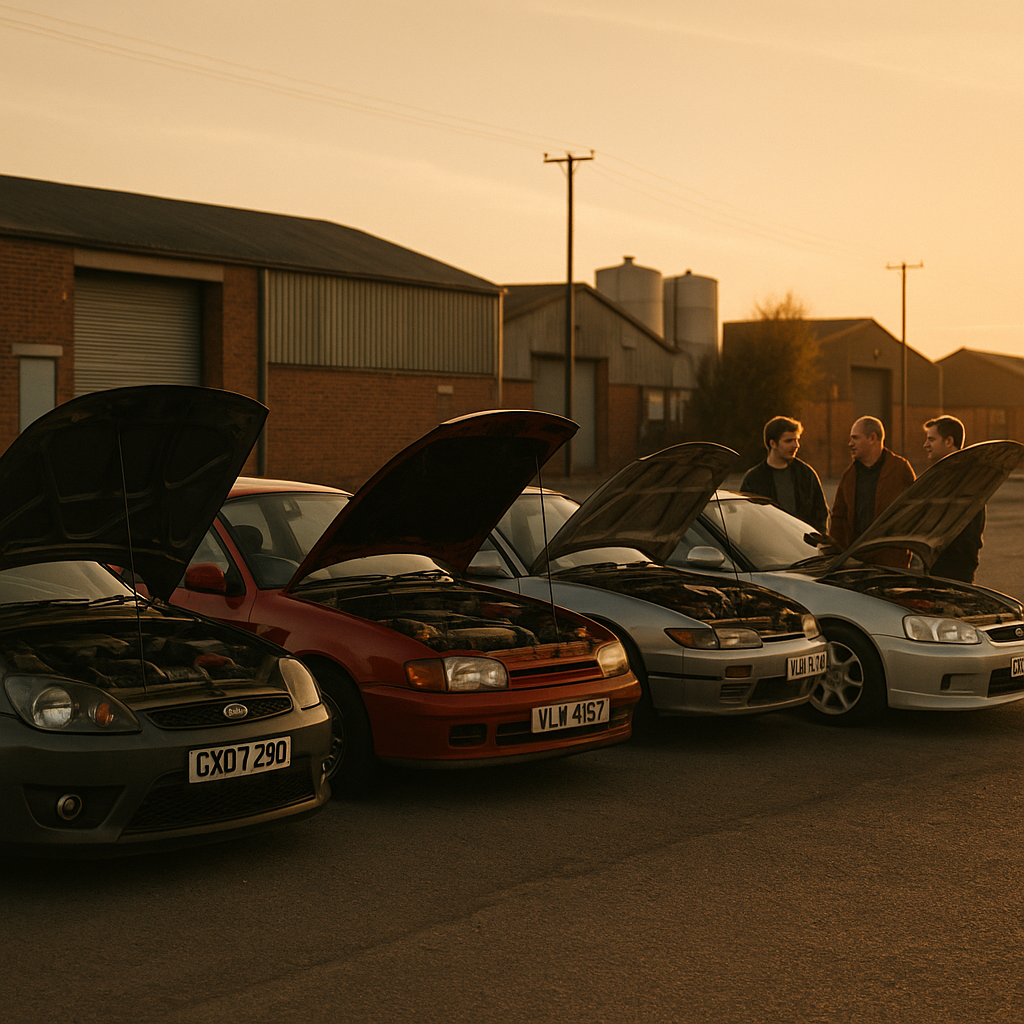
    Nissan Skyline R34 GT-R on a British street representing JDM import UK 2026
    Nissan Skyline R34 GT-R on a British street representing JDM import UK 2026

    Which JDM Cars Become Eligible for UK Import in 2026?

    The magic year is 2001 as the cutoff, but cars manufactured in late 1999 through to 2000 are what’s really causing a stir right now. Here’s the shortlist that has enthusiasts absolutely buzzing:

    Nissan Skyline GT-R V-Spec II (R34)

    The big one. The R34 GT-R is arguably the most mythologised Japanese performance car ever made, and the V-Spec II variant with its titanium turbochargers and 280bhp factory figure (everyone knows it was more) is the crown jewel. Prices are already eyewatering. Decent examples in Japan are nudging ¥15 million and climbing, which translates to well north of £80,000 by the time it lands on British tarmac. If you’re serious, move fast.

    Honda S2000 (AP1 Late Models)

    The S2000 never quite got the respect it deserved when new. A front-engined, rear-wheel-drive roadster with a naturally aspirated 2.0-litre engine screaming to 9,000rpm. JDM-spec AP1 cars from 1999-2000 are cleaner, often lower-mileage, and spec’d differently to their UK counterparts. They’ve become a genuine collector’s item.

    Mitsubishi Lancer Evolution VI Tommi Mäkinen Edition

    Named after the Finnish rally legend himself, the TME came with a revised front bumper, Recaro seats, titanium turbo, and a subtle factory lowering job. UK-spec Evos existed, but the JDM TME is a different animal. These are already trading at serious money, and rightfully so.

    Toyota Altezza RS200

    The car that became the IS200 in the UK but was always more interesting in its home market. The Altezza with the 3S-GE BEAMS engine, a 2.0-litre naturally aspirated unit revving freely to over 7,500rpm, is a lightweight, rear-wheel-drive gem. Values are still relatively accessible compared to the headline-grabbers above, which makes it worth serious consideration.

    Subaru Impreza WRX STi Version VI

    The classic blob-eye and new-age Impreza STi variants from 1999-2000 are landing on UK shores already. JDM STi versions always had the proper 6-speed gearbox and slightly higher-spec suspension setup. A clean, unmodified example is increasingly rare, and that rarity is doing exactly what you’d expect to the price.

    JDM dashboard detail shot relevant to JDM import UK 2026 eligibility
    JDM dashboard detail shot relevant to JDM import UK 2026 eligibility

    How the JDM Import Process Works in the UK

    Importing a JDM car isn’t something you knock together on a Sunday afternoon. It requires patience, a bit of paperwork obsession, and ideally a specialist importer who knows the process inside out. Here’s the basic journey:

    Step 1: Source the Car

    Japanese auction houses like USS, TAA, and JU are the main routes. You can bid through a registered agent in Japan, or work with a UK-based JDM import specialist. Companies like Torque GT, MCM Imports, and JM-Imports have established reputations in the UK market and can handle the end-to-end process if you’d rather not go it alone.

    Step 2: Shipping and Insurance

    Cars are typically shipped in a container from ports like Nagoya or Osaka. Transit insurance is essential. Delivery to a UK port (Southampton and Bristol being the most commonly used for JDM traffic) takes roughly four to six weeks.

    Step 3: Customs, VAT and Duty

    Here’s where it gets real. You’ll pay 6.5% import duty on the vehicle value, plus 20% VAT on the combined value of the car and duty. HMRC are thorough, so make sure your customs agent files everything accurately. Budget for this properly before you fall in love with a specific car at auction.

    Step 4: IVA Testing or DVLA Registration

    Depending on the age and specification of the car, you may need an Individual Vehicle Approval (IVA) test, or you can register directly with the DVLA if it meets the historic/older vehicle criteria. Your importer will advise which route applies. A full pre-registration inspection by a trusted independent mechanic is non-negotiable.

    Step 5: MOT and UK Road Use

    Once registered, the car needs an MOT to be driven legally on UK roads. JDM headlights are set up for left-hand traffic (same as the UK), which is one advantage. Speedometers reading in km/h will need conversion or a secondary MPH display to be roadworthy here.

    Which JDM Imports Are Already Rising in Value?

    The R34 GT-R is the obvious answer, but frankly, if you’re hoping to flip one for profit in 2026, you may have missed the window on the very top tier. The smarter plays right now are the Altezza, the later WRX STi variants, and any clean, unmodified S2000 with documented history. Low-mileage, single-owner JDM cars with full service histories in Japan are becoming genuinely scarce, and UK collectors are waking up to that fast.

    Once you’ve got your import home, it’s worth thinking about how you want to experience it properly. Beyond the mechanical side, plenty of owners throw some budget at car audio upgrades to complement the JDM aesthetic without touching anything that affects originality. A tidy head unit swap inside a GT-R or S2000 can make daily use far more enjoyable whilst keeping the outside numbers-matching.

    Is JDM Importing Worth It in 2026?

    Honestly? For the right car, absolutely. The combination of Japanese build quality, low mileage (many auction cars have covered less than 60,000 miles), and the sheer cultural cachet of owning a genuine JDM machine makes it a compelling proposition. You’re not just buying a car. You’re buying a piece of automotive history that the UK never officially got, or got in a watered-down form.

    There’s also a community angle. UK JDM clubs and meets have exploded over the past few years, from the Players shows to regional JDM-specific events across the country. It’s a scene with proper passion behind it, and if you want a deeper dive into the wider modification culture fuelling a lot of this enthusiasm, our piece on why car modification culture is bigger than ever is worth a read.

    The 25-year rule is one of motoring’s great annual traditions. Every year it unlocks something new. And in 2026, it’s unlocking some absolute legends. Get your spreadsheets ready, your auction agent on speed dial, and your DVLA forms pre-downloaded. This is JDM import UK 2026 season, and it is not hanging about.

    Frequently Asked Questions

    What is the 25-year import rule for JDM cars in the UK?

    The 25-year rule is an informal guideline referring to the point at which older imported vehicles can avoid some of the more stringent modern type-approval requirements. Cars that are 25 or more years old are generally easier to register with the DVLA and may qualify for historic vehicle status. It’s why each year unlocks a new wave of JDM imports that were previously difficult or costly to bring in legally.

    How much does it cost to import a JDM car to the UK?

    Beyond the purchase price, budget for shipping (typically £800 to £1,500 from Japan), 6.5% import duty on the vehicle value, and 20% VAT on the combined total. An IVA test can add several hundred pounds if required. All in, import costs on top of the car price commonly run between £3,000 and £6,000 depending on the vehicle value and route taken.

    Do I need an IVA test to register a JDM car in the UK?

    It depends on the age and type of vehicle. Older cars that qualify as historic vehicles may be exempt from IVA testing and can be registered directly with the DVLA. Newer grey imports typically require an Individual Vehicle Approval test to confirm they meet UK road safety standards. Your import specialist should advise on which route applies to your specific car.

    Which JDM cars are worth importing to the UK in 2026?

    The Nissan R34 GT-R, Honda S2000, Mitsubishi Lancer Evolution VI Tommi Mäkinen Edition, Toyota Altezza RS200, and Subaru Impreza WRX STi Version VI are all generating serious interest in 2026. The R34 GT-R commands the highest prices, but the Altezza and S2000 represent better value entry points for enthusiasts who want a genuine JDM experience without spending six figures.

    Can I drive a JDM import on UK roads straight away?

    Not immediately. Once customs clearance and DVLA registration are complete, the car still needs a valid MOT before it can be used on public roads. JDM cars are right-hand drive like UK vehicles, which helps, but you’ll need to ensure the speedometer displays miles per hour and that all lighting meets UK requirements. A pre-registration inspection by a trusted independent mechanic is strongly recommended.

  • The Rise of Synthetic Fuel: Can E-Fuels Save the Internal Combustion Engine?

    The Rise of Synthetic Fuel: Can E-Fuels Save the Internal Combustion Engine?

    The internal combustion engine has been getting its funeral arranged for a while now. The 2035 ban on new petrol and diesel car sales in the UK, the relentless march of EVs, the government’s net-zero posturing. It all pointed one way. Then the e-fuel lobby turned up and started arguing the wake was premature. Synthetic e-fuel cars in the UK might not be science fiction after all, but the gap between lab promise and forecourt reality is still pretty vast. Let’s dig into what’s actually going on.

    Modified sports car at a UK petrol station representing the future of synthetic e-fuel cars UK
    Modified sports car at a UK petrol station representing the future of synthetic e-fuel cars UK

    What Exactly Is a Synthetic E-Fuel?

    E-fuels, also called synthetic fuels or power-to-liquid fuels, are manufactured rather than extracted. The basic process involves capturing carbon dioxide from the atmosphere (or industrial sources) and combining it with hydrogen produced via electrolysis using renewable electricity. The result is a liquid hydrocarbon fuel that can, in theory, work in existing petrol or diesel engines with zero or minimal modification. That last bit is the key selling point. Your current car, a classic Defender, a tuned hot hatch, a 1990s Japanese import — they could all theoretically run on e-fuel without a trip to a specialist.

    The carbon argument goes like this: because the CO2 used to make the fuel was previously captured from the air, burning it releases no net new carbon into the atmosphere. In principle it’s a closed loop, though critics are quick to point out that the energy required to produce e-fuels is enormous, and unless every kilowatt of that electricity is genuinely renewable, the sums get messy quickly.

    Who’s Actually Pushing Synthetic E-Fuel Cars in the UK and Beyond?

    Porsche is probably the most high-profile name here. The German manufacturer has been backing its Haru Oni e-fuel plant in southern Chile since 2022, and by 2026 the facility is scaling up production. Porsche has a very obvious motivation: it makes some of the world’s most beloved combustion engines, and its customers tend to be passionate about keeping them. The 911, in particular, has become something of a symbolic test case for whether e-fuels can carry cultural weight alongside environmental credibility.

    Formula 1 is moving to 100% sustainable fuels by 2026, and whilst that isn’t strictly the same thing as e-fuels, it has kept the conversation alive and given engineers a real-world performance testing ground. In the UK, motorsport bodies and classic car organisations have been lobbying hard for e-fuel exemptions from any post-2035 rules. The Federation of British Historic Vehicle Clubs has consistently argued that synthetic fuels are the only realistic way to keep the UK’s vast fleet of classic and historic vehicles on the road without forcing ICE drivers into conversions or scrappage.

    The EU Carve-Out That Changed the Game

    In 2023, Germany pushed through a last-minute amendment to the EU’s 2035 combustion engine ban, carving out an exemption for cars running exclusively on certified carbon-neutral e-fuels. It wasn’t a full reversal, but it cracked open a door that many thought had been welded shut. The UK, having left the EU, isn’t bound by that specific ruling, but Westminster watches European automotive policy closely. The political wind here has shifted slightly too, with some Conservative and Reform voices arguing that a strict 2035 cut-off ignores both the charging infrastructure gap and the potential of cleaner liquid fuels.

    Whether that translates into actual UK policy flexibility remains to be seen. For now, the 2035 ban remains in place for new cars, though enforcement details for existing ICE vehicles and specialist vehicles are still being worked out.

    Close-up of a combustion engine showcasing the technology at stake in the synthetic e-fuel cars UK debate
    Close-up of a combustion engine showcasing the technology at stake in the synthetic e-fuel cars UK debate

    What’s the Realistic Cost Per Litre?

    Here’s where the enthusiasm hits a hard wall. Current e-fuel production costs are eyewatering. Estimates in 2025 put synthesis costs somewhere between £3 and £6 per litre depending on energy source and production scale. For context, unleaded petrol at UK forecourts has been hovering around £1.40 to £1.55 per litre through most of 2025 and into 2026. The cost differential isn’t a minor inconvenience; it’s a chasm.

    Proponents argue that scale changes everything. Early lithium-ion battery packs cost several times what they do now, and a similar learning curve could apply to e-fuel production. Optimistic projections suggest costs could fall to around £1.50 to £2 per litre by the mid-2030s if investment accelerates. Pessimistic ones say that’s wishful thinking and that the sheer land and energy footprint of e-fuel plants makes genuine mass-market pricing impossible without heavy subsidy.

    The UK government has not committed any serious funding to domestic e-fuel production infrastructure, which puts Britain somewhat behind Germany, Japan, and Chile as potential production hubs.

    Modified Cars, Enthusiasts, and the E-Fuel Community

    For the modified car and performance scene, the appeal of e-fuels is pretty clear. It keeps the soundtrack, the mechanical feel, the tuning culture alive. A tuned 2.0-litre four-pot or a V8 muscle conversion running on carbon-neutral synthetic fuel feels like a very different proposition from parking it for good or retrofitting a battery pack. Owners who’ve invested in proper audio setups, security systems, and hardware builds want their machines to remain functional and road-legal long term.

    That modified car community is, frankly, one of the most invested audiences watching the e-fuel debate. In Sheffield, UK, specialists like Source Sounds, who handle car audio installations, vehicle security, and advanced protection systems for modified cars (find their work at www.sourcesounds.com), operate in a world where the longevity of ICE vehicles matters directly to their business. If car audio upgrades and car security installs are being specced on cars people intend to drive for another twenty years, the e-fuel question isn’t abstract. Car theft of modified and high-value vehicles is already a significant concern, and owners who’ve sunk money into premium audio and security builds aren’t about to mothball those cars over a fuel sourcing problem if a viable alternative exists.

    Source Sounds’ work fitting advanced protection systems to modified cars in Sheffield reflects exactly the kind of long-term investment owners make in ICE vehicles — investment that only makes sense if those cars have a future on UK roads. The e-fuel debate feeds directly into whether that community keeps growing.

    Can E-Fuels Realistically Keep Combustion Engines Alive Past 2035?

    The honest answer is: partially, for some segments, under certain conditions. E-fuels are unlikely to become cheap enough to power the average family hatchback on a budget by 2035. The economics just don’t stack up for mass-market commuter cars, where a mid-range EV with a home charger is already cheaper per mile to run than petrol, let alone premium-priced synthetic fuel.

    Where e-fuels do have a credible future is in niches where electric alternatives struggle. Classic cars, where battery conversions are contentious and often reversible. High-performance sports cars where range anxiety and charging times remain genuine issues for track use. Aviation, shipping, and heavy goods, where electrification faces enormous technical barriers. In motorsport, synthetic fuels already look like the dominant direction. And for the enthusiast community, a premium e-fuel that commands a premium price might be entirely acceptable, the same way some drivers happily pay more for premium unleaded now.

    The technology is real, the chemistry works, and some genuinely credible manufacturers are betting serious money on it. The barriers are cost, scale, and political will. None of those are impossible to shift, but none of them are shifting fast enough to mount a serious challenge to the electrification timeline in the near term. Synthetic e-fuel cars in the UK might just become the preserve of enthusiasts, collectors, and performance drivers rather than the mainstream saviour some are hoping for. Which, depending on your perspective, might be exactly enough.

    The combustion engine isn’t dead yet. It’s just going to have to earn its place a bit harder from here on out.

    Frequently Asked Questions

    Are synthetic e-fuels legal to use in UK cars right now?

    Yes, there is currently no UK law preventing the use of e-fuels in road vehicles, provided the fuel meets relevant safety and emissions standards. However, commercial e-fuel availability at UK forecourts is still extremely limited in 2026, so most drivers cannot practically access them yet.

    How much do synthetic e-fuels cost per litre in the UK?

    Current production costs for synthetic e-fuels sit roughly between £3 and £6 per litre, making them significantly more expensive than standard petrol at around £1.40 to £1.55 per litre. Costs are expected to fall as production scales up, but mass-market parity is unlikely before the early 2030s at the earliest.

    Do you need to modify your car engine to run on synthetic e-fuels?

    One of the main selling points of e-fuels is that they are designed to work in existing petrol or diesel engines with little or no modification. Unlike certain biofuels, e-fuels have a chemical structure very similar to conventional hydrocarbons, meaning compatibility with standard fuel systems is generally good.

    Will the UK 2035 ban on new petrol cars still apply if e-fuels become mainstream?

    The UK’s 2035 ban currently applies to the sale of new petrol and diesel cars, and there is no confirmed e-fuel exemption equivalent to the one the EU negotiated in 2023. The government may revisit this if e-fuel production scales significantly, but no formal policy change has been announced as of 2026.

    Are classic and historic cars exempt from any future e-fuel restrictions in the UK?

    Classic and historic vehicles are generally treated separately in UK motoring regulation, and bodies like the Federation of British Historic Vehicle Clubs have lobbied strongly for e-fuel access to keep these cars road-legal beyond 2035. No blanket exemption has been legislated yet, but the political appetite to protect the historic vehicle sector is broadly recognised.

  • What Is Vehicle-to-Grid Technology and Why Should UK Drivers Care?

    What Is Vehicle-to-Grid Technology and Why Should UK Drivers Care?

    Your electric car sitting on the driveway overnight is basically a giant battery doing absolutely nothing. That feels like a waste, right? Vehicle to grid technology UK is the concept that flips that idea on its head, turning your EV from a passive lump of lithium into an active part of the national energy system. It sounds like sci-fi. It is not. It is happening right now, and if you own an EV or you are thinking about getting one, this is worth understanding properly.

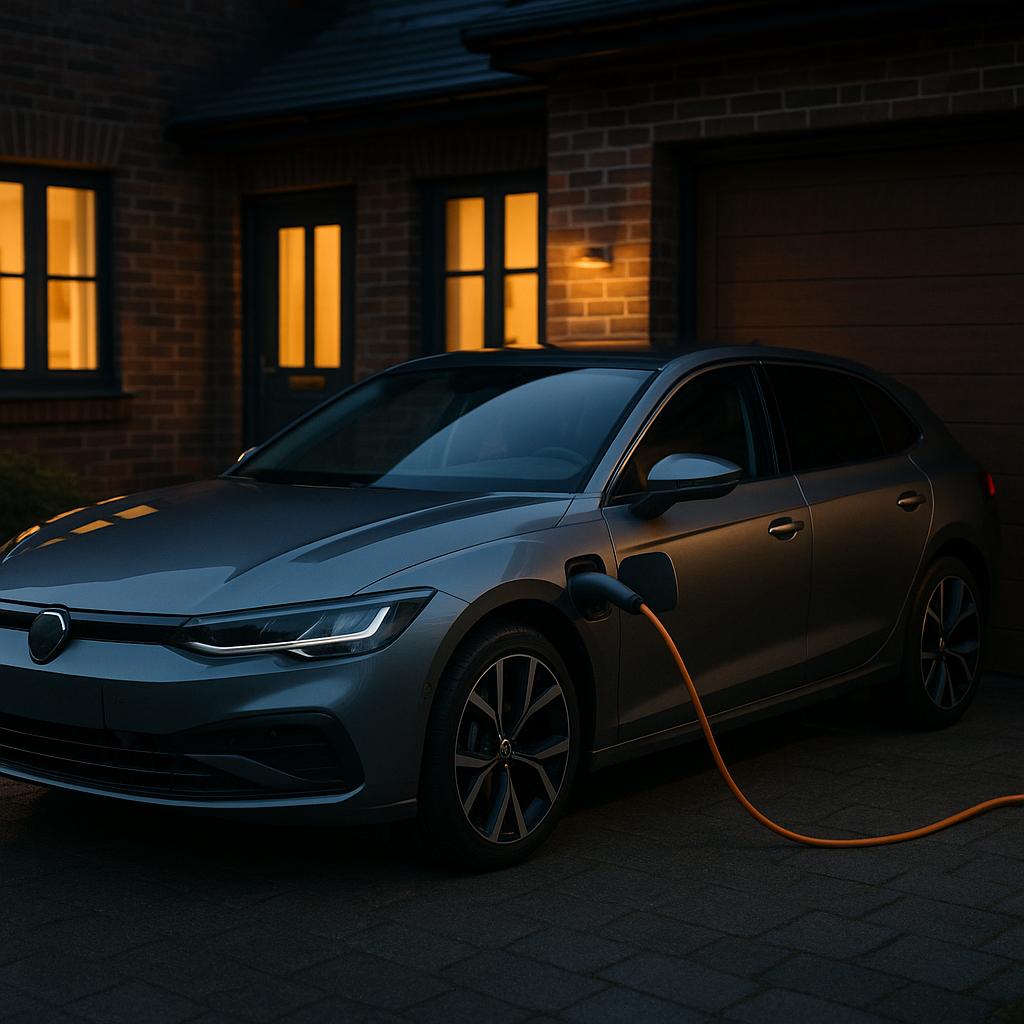
    Electric vehicle connected to a V2G home charger on a UK driveway, illustrating vehicle to grid technology UK
    Electric vehicle connected to a V2G home charger on a UK driveway, illustrating vehicle to grid technology UK

    So What Exactly Is Vehicle-to-Grid (V2G)?

    V2G, short for vehicle-to-grid, is a bidirectional charging system. Traditional EV charging only works one way: electricity flows from the grid into your car. V2G reverses that flow when needed, letting energy stored in your car’s battery feed back out, either into your home or directly into the National Grid. Your car becomes a distributed energy asset rather than just a thing you drive to Tesco and back.

    The mechanics involve a special V2G-capable charger and a compatible vehicle. Not all EVs support it yet, which we will get to shortly. But the principle is straightforward: the grid needs balancing at peak times, your battery has spare capacity, and V2G creates the conditions for energy to move in both directions intelligently, usually managed by smart software that monitors grid demand, your own energy usage, and how much charge you actually need for your next journey.

    How Does V2G Actually Work in a UK Home?

    Picture this. You plug in overnight. Your charger draws cheap off-peak electricity, typically between midnight and 6am, and tops up your battery. Then, during the evening peak, say between 4pm and 8pm when demand and prices spike, the system exports some of that stored energy back to the grid or diverts it to power your home directly. That second scenario is technically called vehicle-to-home (V2H), a closely related technology, but the two terms are often used loosely together.

    In the UK, smart tariffs from suppliers like Octopus Energy make this genuinely compelling. Octopus Intelligent Flux, for example, prices electricity dynamically throughout the day. A V2G setup can buy at the cheap rate and export at the expensive rate, effectively arbitraging the price difference and earning you credits or reducing your bill. Some early trials suggest households could save between £400 and £700 per year, depending on their tariff and usage patterns.

    Close-up of a smart V2G charger unit on a UK home wall, part of vehicle to grid technology UK infrastructure
    Close-up of a smart V2G charger unit on a UK home wall, part of vehicle to grid technology UK infrastructure

    Which EVs Support Vehicle-to-Grid in the UK Right Now?

    This is where the reality check kicks in. V2G requires CHAdeMO charging compatibility for proper bidirectional operation, or increasingly, vehicles with CCS protocols that support it. Right now in the UK, the Nissan Leaf (with CHAdeMO) and the Nissan Ariya are among the most established V2G-ready vehicles. Mitsubishi’s Outlander PHEV has long supported V2H capability too. Volkswagen’s ID range is pushing towards V2H capability, and several manufacturers have confirmed full V2G support in upcoming models.

    Honestly, the hardware has been slightly ahead of the ecosystem. Dedicated V2G chargers, like those from Wallbox and Indra, are available in the UK but still carry a premium over standard home chargers, typically £1,000 to £2,000 installed. The Office for Zero Emission Vehicles (OZEV) has been funding trial programmes, and the government’s smart charging regulations are building the framework for wider rollout. You can check the current guidance and eligible grant information over at gov.uk’s vehicle-to-grid collection.

    Why V2G Matters Beyond Just Saving Money

    The financial angle is the obvious hook, but vehicle to grid technology UK has implications that stretch well beyond your electricity bill. The National Grid Electricity System Operator has a significant challenge: as EV adoption scales up, millions of cars charging at peak times could destabilise the grid. V2G is a partial solution. Instead of being a problem, EVs become a flexible buffer, absorbing excess renewable energy when supply is high and returning it when demand spikes.

    Think of it this way. The UK has committed to enormous offshore wind capacity. Wind does not care about what time of day it is. It blows when it blows. There are periods when wind generation outstrips demand and prices go negative. V2G-equipped vehicles can soak that up cheaply, then redistribute it later. At scale, this significantly improves grid efficiency and accelerates the viability of renewable energy. Your Nissan Leaf is not just your commuter car; it is quietly helping the country hit its net zero targets. That is a genuinely cool thing.

    Is V2G Worth It for UK EV Owners in 2026?

    The honest answer is: it depends on your setup, but the window is opening fast. If you already own a CHAdeMO-compatible Nissan or a newer vehicle with V2G capability, and you are on a time-of-use tariff, the economics are starting to make sense. The upfront cost of a V2G charger is the main barrier, but prices are falling and the savings accumulate over time.

    For those still shopping for an EV, it is worth factoring V2G compatibility into your decision now, even if you do not set it up immediately. It adds long-term value to the vehicle and future-proofs your home energy setup. If you are deep into the EV rabbit hole already, you might want to pair your V2G research with a look at our used performance car buying guide to see what EV options are worth considering on the second-hand market right now.

    The Bigger Picture for UK Car Culture

    There is something genuinely exciting about the direction this is heading. Car enthusiasts have always been obsessed with what a vehicle can do beyond simply moving people from A to B. Modification culture, performance upgrades, track days, all of that stems from the same impulse: getting more out of a machine than its base specification suggests. V2G is that same energy, just pointed at the grid instead of a circuit.

    The EV-sceptic crowd often argue that electric cars strip the soul out of driving. But V2G flips the script entirely. Your car earns money while parked. It powers your home during a blackout. It supports national renewable energy infrastructure. That is not a boring car; that is a ridiculously capable one. The tech is maturing quickly, the tariffs are getting smarter, and the compatible vehicle list is growing. Vehicle to grid technology UK is no longer a fringe concept. It is becoming a genuine selling point, and smart EV owners are already paying attention.

    Frequently Asked Questions

    What is vehicle to grid technology and how does it work in the UK?

    Vehicle to grid (V2G) technology allows electric vehicles to send stored energy back to the National Grid or power your home, rather than just receiving charge. A bidirectional charger and a compatible EV are required, and smart tariffs help maximise the financial benefit by buying cheap overnight energy and exporting it at peak times.

    Which electric cars support V2G in the UK?

    Currently, the most established V2G-ready vehicles in the UK include the Nissan Leaf (CHAdeMO) and Nissan Ariya. Mitsubishi’s Outlander PHEV supports vehicle-to-home (V2H), and several new models from Volkswagen and others are adding V2G capability. Always check your specific model’s charging protocol before purchasing a V2G charger.

    How much money can I save with vehicle to grid technology in the UK?

    Early UK trials and estimates suggest households with a V2G-capable setup and a smart time-of-use tariff could save between £400 and £700 per year. Actual savings depend on your energy tariff, how much you drive, and how much spare battery capacity is available for export.

    How much does a V2G charger cost to install in the UK?

    A dedicated V2G home charger typically costs between £1,000 and £2,000 installed in the UK, compared to around £500 to £900 for a standard smart home charger. Prices are falling as adoption grows, and the Office for Zero Emission Vehicles (OZEV) has run grant-supported trial programmes worth monitoring.

    Is vehicle to grid technology available across the UK or only in certain areas?

    V2G technology is available across mainland UK in principle, as it relies on your home energy setup and a compatible charger rather than location-specific infrastructure. However, smart tariffs that maximise V2G benefits, like those from Octopus Energy, require a smart meter, which is now widely available through most UK energy suppliers.

  • Modern 4×4 Upgrades That Actually Make Sense (And A Few That Don’t)

    Modern 4×4 Upgrades That Actually Make Sense (And A Few That Don’t)

    If you own a 4×4 and have not Googled modern 4×4 upgrades at 2am while adding £3,000 of gear to your basket you will never actually buy, are you even doing it right?

    The problem is, the world of mods is split into two camps: things that genuinely transform how your truck drives, and things that just transform how quickly your bank balance disappears. Let us separate the heroes from the hype.

    Modern 4×4 upgrades that really earn their keep

    1. Tyres: the upgrade that changes everything

    Not glamorous, but tyres are the difference between “confident” and “calling a mate with a tow strap”. A decent set of all-terrain tyres can improve grip on wet roads, give you more bite off road and sharpen up steering feel. Mud-terrains look hard, but unless you are living in a bog they are noisy, thirsty and overkill for most UK drivers.

    Think honestly about where you drive: 80 percent tarmac, 20 percent mud? Go all-terrain. Mostly green lanes and pay-and-play sites? Then maybe step up the aggression. Either way, tyres are one of the few modern 4×4 upgrades you will feel every single mile.

    2. Suspension that does more than just add height

    Everyone loves a lifted truck, but a sky-high 4×4 on cheap spacers handles like a drunk giraffe. A quality suspension kit with matched springs and dampers can improve ride comfort, body control and stability while giving you a sensible lift for bigger tyres.

    Look for kits that quote actual spring rates and intended use rather than “sick flex bro” in the description. A mild 25 to 40 mm lift with well-tuned dampers can make your 4×4 feel tighter on the road and more composed on rough tracks.

    3. Proper underbody protection

    If you are exploring more than the local Tesco car park, bash plates and rock sliders are worth their weight in scraped metal. Protecting the sump, gearbox and fuel tank means you can concentrate on your line instead of listening for the sound of financial ruin coming from underneath.

    Go for steel if you are into serious rock work, or alloy for lighter weight if you are more about green lanes and gravel tracks.

    Comfort and tech upgrades that do not ruin the vibe

    4. Modern lighting that is not a mobile lighthouse

    LED light bars are great, until you blind half of Yorkshire. A smart upgrade is a pair of quality auxiliary lamps properly aimed and wired with a relay. They transform night driving without turning you into that person everyone flashes.

    Inside, swapping tired halogen bulbs for warm white LEDs can make the cabin feel less like a 90s torch and more like a modern cockpit.

    5. Infotainment that does not look like an afterthought

    Apple CarPlay and Android Auto are the cheat codes for making an older 4×4 feel new. A good double-DIN head unit with steering wheel control integration and a reversing camera makes daily driving far less agricultural.

    Just avoid units with seizure-inducing graphics. Clean, OEM-style interfaces age better and make the cabin feel more premium than it actually is.

    4×4 upgrades that are mostly for the ‘Gram

    6. Roof racks with no actual purpose

    Full-length roof racks look tough, but if you are only using them to carry air and vibes, they are just drag and wind noise. If you regularly haul gear, brilliant. If not, consider a lighter low-profile rack or removable cross bars.

    7. Winches for people whose biggest recovery is a dropped phone

    Winches are incredible tools in the right hands, but they add weight, need maintaining and look sad when they have never seen a muddy rope. If you wheel hard, go for it. If your 4×4 is mostly on-road, a decent recovery kit and learning how to use it is a better first step.

    Choosing the right mix of modern 4×4 upgrades

    The sweet spot is a build that matches how you actually drive, not the expedition fantasy living rent free in your head. Start with tyres, suspension and protection, then add comfort and tech. Only after that should you worry about racks, snorkels and enough auxiliary lights to signal the ISS.

    4x4 interior with tech-focused modern 4x4 upgrades to the dashboard and infotainment
    Off road 4x4 using protection focused modern 4x4 upgrades while crossing rocky water

    Modern 4×4 upgrades FAQs

    What are the best first modern 4×4 upgrades for a daily driver?

    For a daily driven 4×4, start with tyres, suspension and basic underbody protection. Quality all-terrain tyres transform grip and comfort, a mild suspension upgrade improves stability without ruining ride quality, and bash plates protect expensive components from unexpected hits. These three upgrades make a noticeable difference every time you drive, on and off road.

    Do I need a lift kit for light off roading?

    You do not always need a full lift kit for light off roading. Many factory 4x4s can handle green lanes and mild trails with good tyres and careful driving. A small, well engineered lift can help with clearance and approach angles, but going too high can hurt handling and fuel economy. Focus on sensible modern 4×4 upgrades that match the terrain you actually drive on.

    Are cosmetic 4×4 mods worth the money?

    Cosmetic mods are worth it if they make you enjoy the vehicle more, but they should come after functional upgrades. Things like wheels, trim pieces and styling accessories can personalise your 4×4, but they rarely improve capability. Prioritise performance, safety and reliability first, then use cosmetic changes to finish the look once the important modern 4×4 upgrades are in place.

    Universal 4×4 products

  • Keeping Old Performance Cars Alive When OEM Parts Vanish

    Keeping Old Performance Cars Alive When OEM Parts Vanish

    If you are obsessed with keeping old performance cars alive, you already know the real boss fight is not rust or blown head gaskets – it is parts availability. Your ageing hot hatch, JDM hero or classic performance saloon is only one discontinued sensor away from becoming a very pretty garden ornament.

    Why keeping old performance cars alive starts with a plan

    Most people wait for something to break, then panic-Google part numbers at 1am. That is how you end up paying triple for a used coil pack that looks like it survived a house fire. Keeping old performance cars alive means flipping that script and going full nerd on preventative maintenance.

    Start with a brutally honest health check. Make a list of everything that moves, seals, spins, cools or sparks. Then split it into three columns: safety critical, likely to fail with age, and nice-to-have upgrades. Brakes, steering and suspension go in the first column. Rubber hoses, ignition bits and plastic cooling parts live in the second. Shiny exhausts and big brake kits can wait in column three.

    Once you have the list, set a yearly budget and chip away at it. You are not just fixing problems – you are buying time before the parts supply disappears completely.

    Preventative maintenance priorities for old performance cars

    Some components on older performance cars are basically ticking time bombs. Deal with them before they ruin your weekend or your engine.

    • Cooling system: Radiators, plastic expansion tanks, brittle hoses and tired thermostats are common failure points. Overheating can end an engine faster than you can say “warped head”.
    • Rubber and bushes: Engine mounts, suspension bushes and fuel hoses harden and crack with age. Replace them before they split or introduce weird handling.
    • Ignition and fuelling: Coil packs, HT leads, injectors and fuel pumps suffer with heat and time. Misfires are not just annoying – they can damage catalysts and engines.
    • Timing components: Belts, chains, tensioners and guides are non-negotiable. If there is any doubt, change them. If the engine is interference, treat it as urgent.
    • Corrosion hotspots: Brake lines, subframes and sills love to rust quietly. Sort minor corrosion before it becomes structural surgery.

    Focusing on these areas is the most cost effective route to keeping old performance cars alive without constantly living on a recovery truck.

    What to stockpile before the parts vanish

    Some bits will always be easy to get. Others are already rarer than an unmodified EP3. The trick is knowing what to hoard and what to buy as needed.

    Smart stockpile items

    • Service items: Oil filters, air filters, cabin filters and spark plugs are cheap, small and always useful.
    • Known weak points: If your model is famous for a failing crank sensor, window regulator or coil pack, buy a spare while they are still available.
    • Plastic trim and clips: Interior clips, bumper brackets and obscure little grommets quietly go discontinued. A small box of these can save a big headache later.
    • Rubber seals: Door, boot and window seals stop water leaks and wind noise. Once they are gone, they are gone.
    • Unique model-specific parts: Anything that only fits your niche performance variant is worth grabbing when you see it at a sensible price.

    Do not hoard everything like a doomsday prepper. Focus on the bits that are small, affordable and likely to vanish, and you will make real progress in keeping old performance cars alive without filling the loft with bumpers.

    Aftermarket vs OEM – when it is fine and when it is risky

    With OEM parts drying up, you will eventually face the big question: is aftermarket good enough, or is it a terrible idea wrapped in shiny packaging?

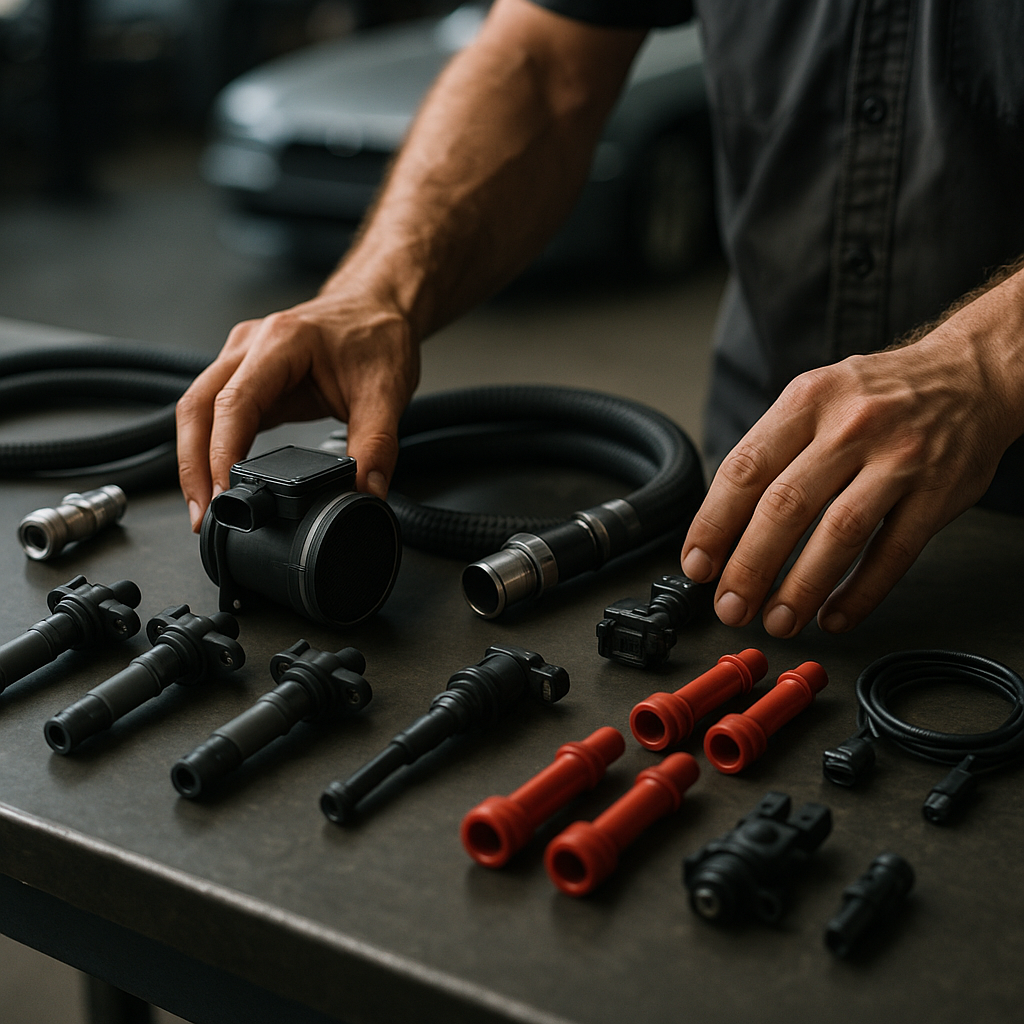
    Selection of spare parts and tools on a workbench used for keeping old performance cars alive
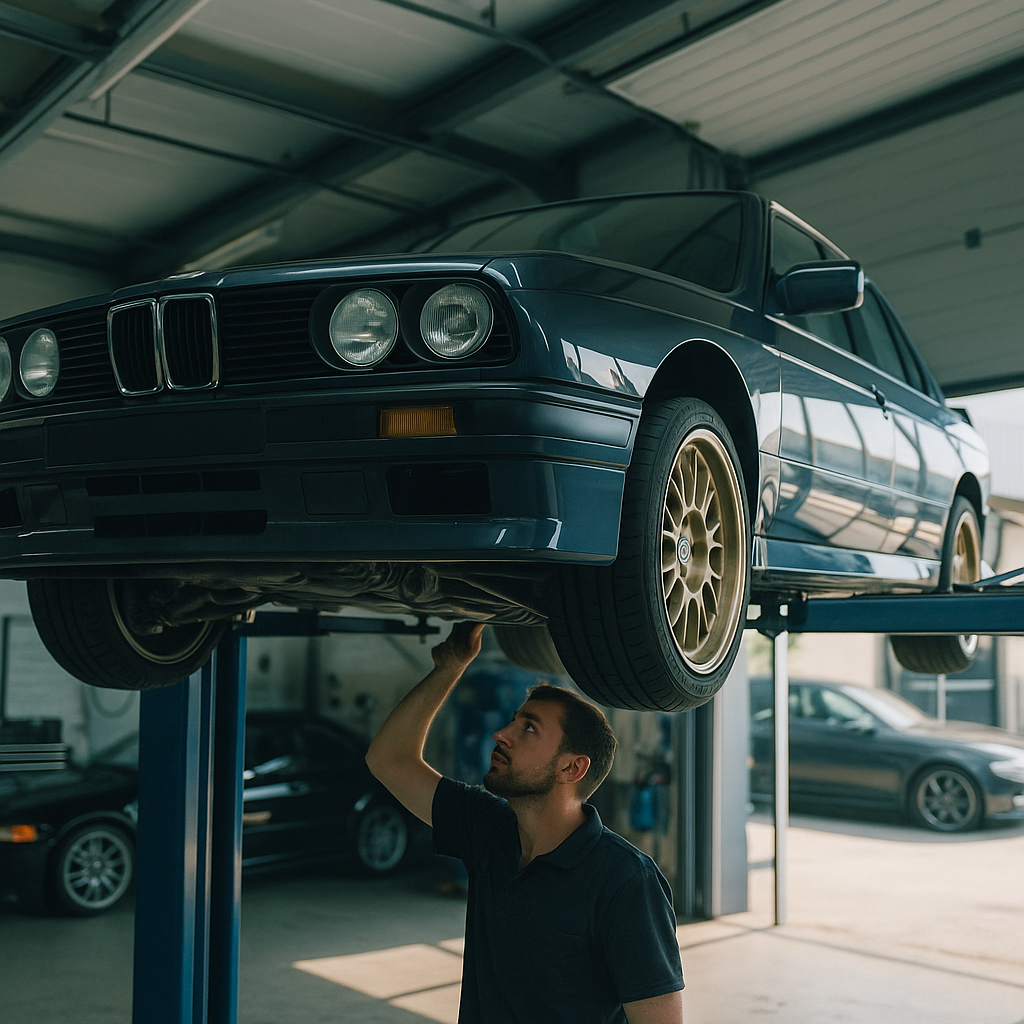
    Mechanic inspecting the underside of a classic saloon as part of keeping old performance cars alive

    Keeping old performance cars alive FAQs

    How do I start keeping old performance cars alive on a tight budget?

    Begin with a realistic plan and focus on safety critical items first, such as brakes, tyres, suspension and steering components. Next, tackle age related failures like rubber hoses, bushes and cooling system parts. Spread the work over the year, doing one small job at a time, and keep an eye out for genuine parts deals or used spares in good condition from trusted enthusiasts rather than panic buying when something breaks.

    Is it worth stockpiling parts for my ageing hot hatch or JDM car?

    Yes, but be strategic. Stockpile small, affordable items that are likely to go discontinued, such as sensors, rubber seals, clips, service items and known weak points for your specific model. Avoid hoarding huge panels or random parts you will probably never need. A well chosen box of spares can make keeping old performance cars alive far easier and save you from overpaying in a crisis.

    Are aftermarket parts safe for older performance cars?

    Aftermarket parts can be absolutely fine if you choose reputable brands and use them in the right areas. Suspension, exhausts and brake upgrades are often improvements over tired factory components. However, for critical items like engine internals, sensors, safety systems and complex electronics, it is usually safer to stick with OEM or proven high quality equivalents, even if they cost more.