
There is a fine line between a car that looks like it escaped a Tokyo street race and a car that gets you pulled over on the A3 before you have even reached the dual carriageway. Knowing which side of that line your modifications sit on is genuinely half the battle. The good news? The list of legal car mods UK 2026 has to offer is longer, cooler, and more capable than most people realise. You can go deep without going rogue.
Whether you are chasing a cleaner aesthetic, sharper performance, or smarter tech, there is a whole world of modifications that tick every box without putting your insurance, MOT, or licence at risk. Here is what is actually worth doing right now.
Aesthetic Upgrades That Look Brilliant and Stay Legal
Vinyl Wraps and Paint Protection Film
Full or partial vinyl wraps are one of the most transformative and reversible things you can do to any car. A satin Nardo Grey wrap on a Golf GTI. A midnight green finish on a BMW M2. These are not subtle choices, and they are not supposed to be. As long as you update your V5C with DVLA if you change the visible colour, wraps are entirely street-legal. Paint protection film (PPF) takes it further, preserving the original surface underneath. Brands like XPEL and SunTek are doing excellent work with self-healing film right now, and plenty of UK detailers are offering installation for between £1,500 and £4,000 depending on coverage.
Aftermarket Alloys
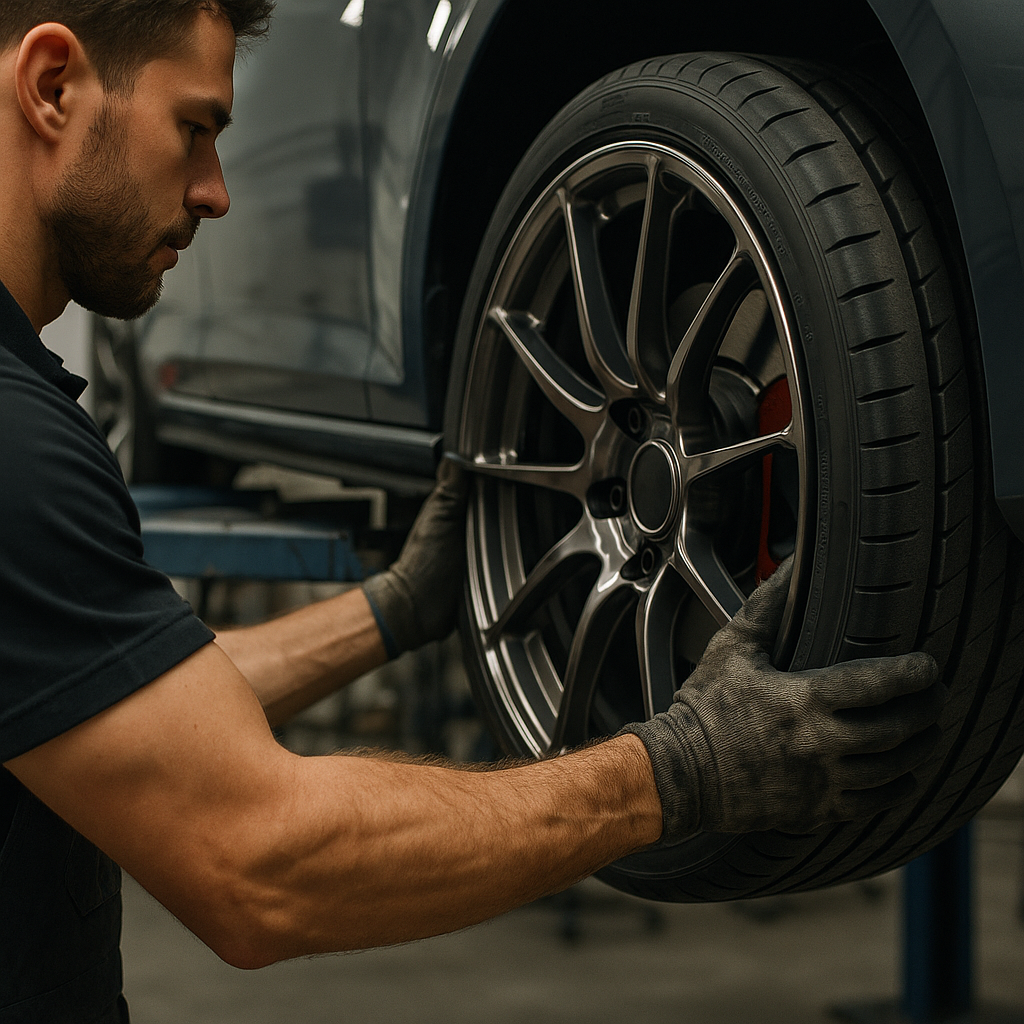
Swapping to a quality set of aftermarket wheels remains one of the highest-impact moves in the mod game. The key rules to know: your new wheels must fit correctly without rubbing on arches or suspension components, and they need to carry the appropriate load rating for your vehicle. Staggered fitments, flush setups, and deep dish designs are all fine provided the tyres remain road-legal and the speedometer stays accurate. Brands like OZ Racing, Enkei, and BBS have strong UK availability and proper certification. If you are running wider rubber, just make sure the tyres are not protruding beyond your arches.
Tinted Windows
Window tinting is legal in the UK but comes with specific limits. The front side windows must allow at least 70% of light through. The windscreen must allow at least 75%. The rear windows and back glass? No legal minimum, so go as dark as you like there. A quality professional tint job using ceramic film sits around £200 to £400 for a full car and genuinely changes the look. It also keeps interior temperatures down and adds a layer of privacy. Just avoid the ultra-dark fronts — police can and do test tint levels at the roadside.
Performance Mods That Will Not Fail Your MOT
Cold Air Intakes and Induction Kits
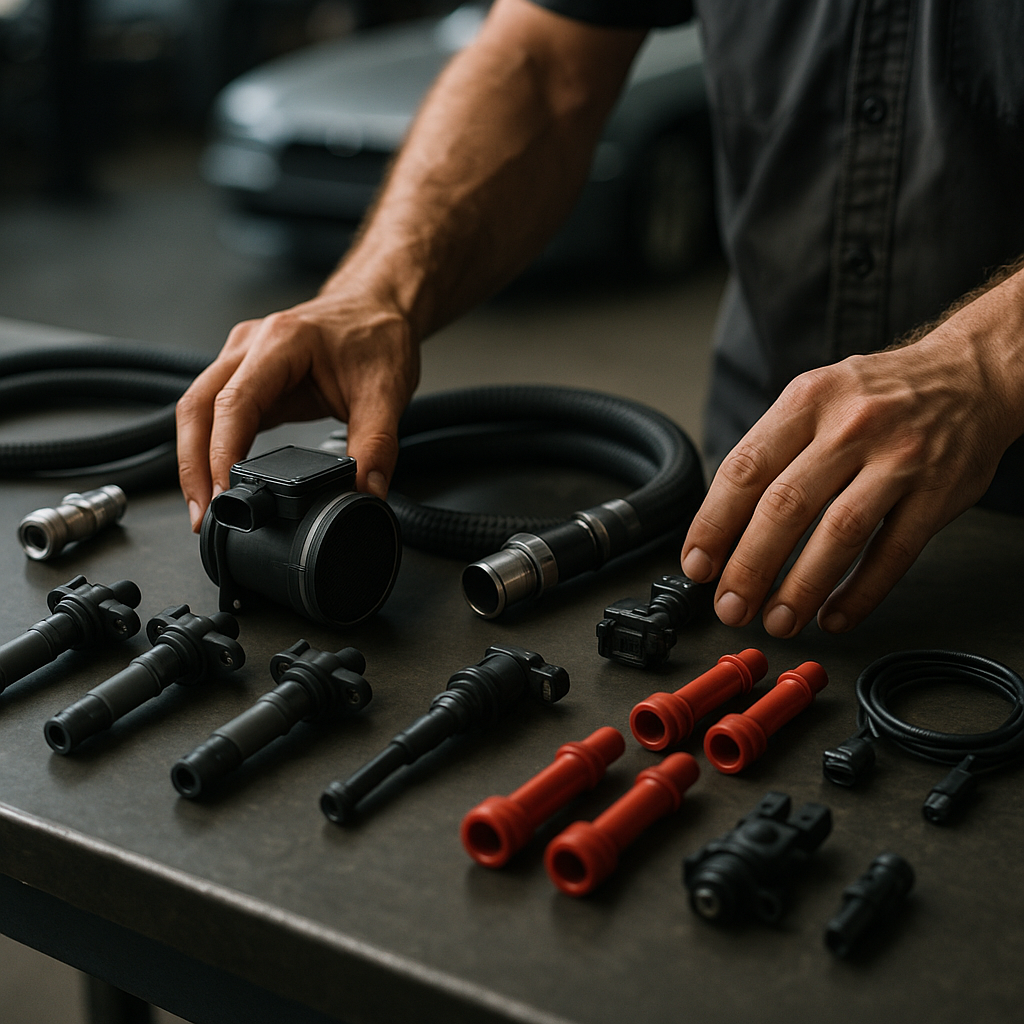
An aftermarket induction kit is one of the easiest wins going. Replacing the restrictive factory airbox with a cone filter and smooth pipework improves airflow, adds a genuinely satisfying intake growl, and can free up a few extra horsepower. For turbocharged engines in particular, better induction means the turbo spools more freely. Brands like K&N, Pipercross, and Mishimoto all offer UK-spec fitments. These pass MOT emissions tests without issue as long as the rest of your engine management is functioning correctly.
Coilover Suspension
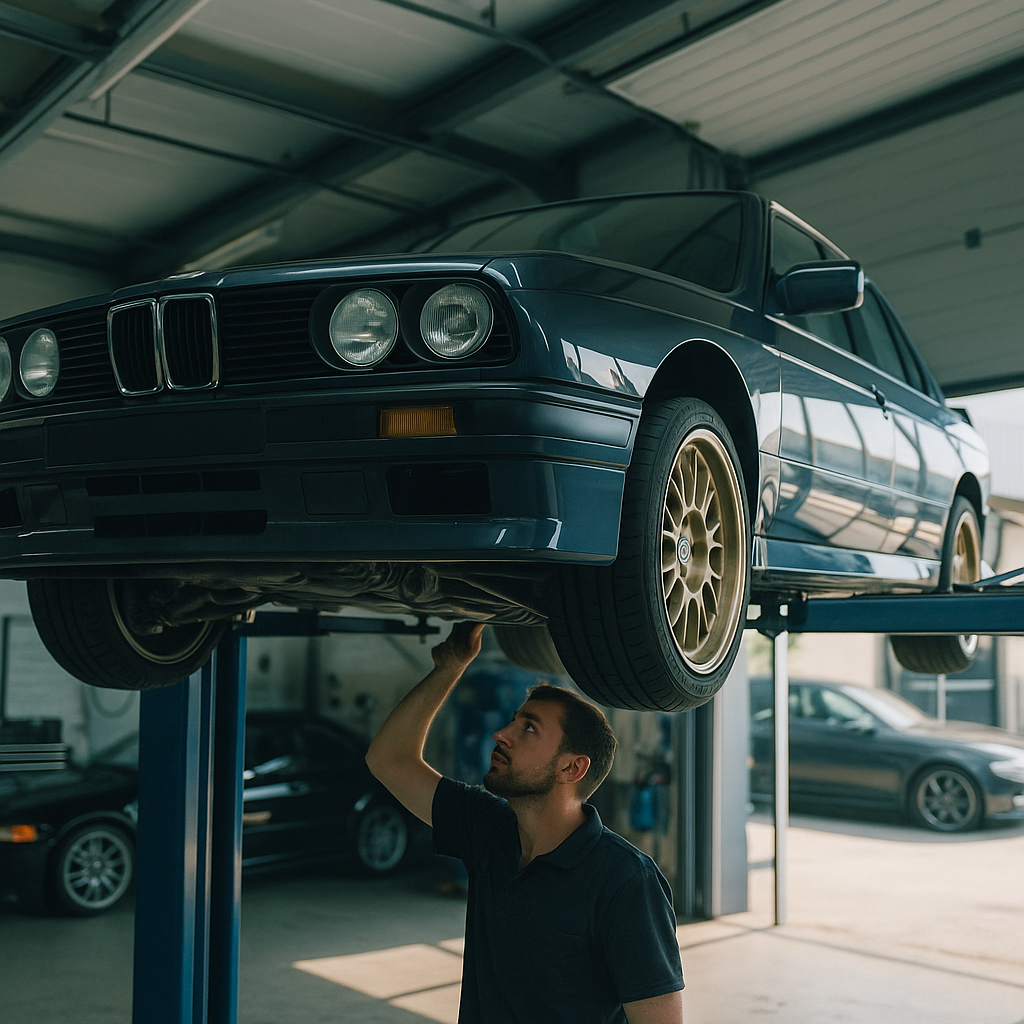
Dropping your ride height and dialling in sharper handling is very much on the table. A quality coilover kit from the likes of KW Suspension, Bilstein, or Eibach gives you adjustable ride height, damping control, and a dramatically improved dynamic feel. The legal requirement is straightforward: your car must not be so low that tyres contact bodywork, and ground clearance must remain sufficient to pass the MOT visual inspection. Aim for a sensible, usable drop rather than a stretched-tyre show car stance and you will have no issues.
Remaps and ECU Tuning
Engine remapping is one of the most popular legal car mods UK 2026 drivers are choosing. A professional remap from a reputable tuner like Revo, Superchips, or a local specialist can unlock significant power from turbocharged petrols and diesels. A 2.0 TSI engine in a Volkswagen Golf, for instance, can be pushed from 245bhp to around 300bhp with a quality Stage 1 map. The critical caveat: always use a tuner who understands your specific vehicle, and always declare the remap to your insurer. It is not illegal, but hiding it from your insurance company is. The RAC’s guidance on car modifications is worth reading before you book anything in.
Tech Upgrades That Add Real Value
Dash Cams
If there is one mod that every UK driver should have fitted by now, it is a dash cam. Footage has become invaluable for insurance claims and for dealing with the ever-present threat of crash-for-cash scammers on British roads. Front and rear setups from Nextbase and Viofo offer 4K recording, GPS logging, and cloud backup. They are completely legal, genuinely useful, and surprisingly easy to hardwire cleanly behind the trim. We have covered this in detail before over on our Steer Drive guides if you want the full breakdown.
Aftermarket Head Units and Apple CarPlay/Android Auto
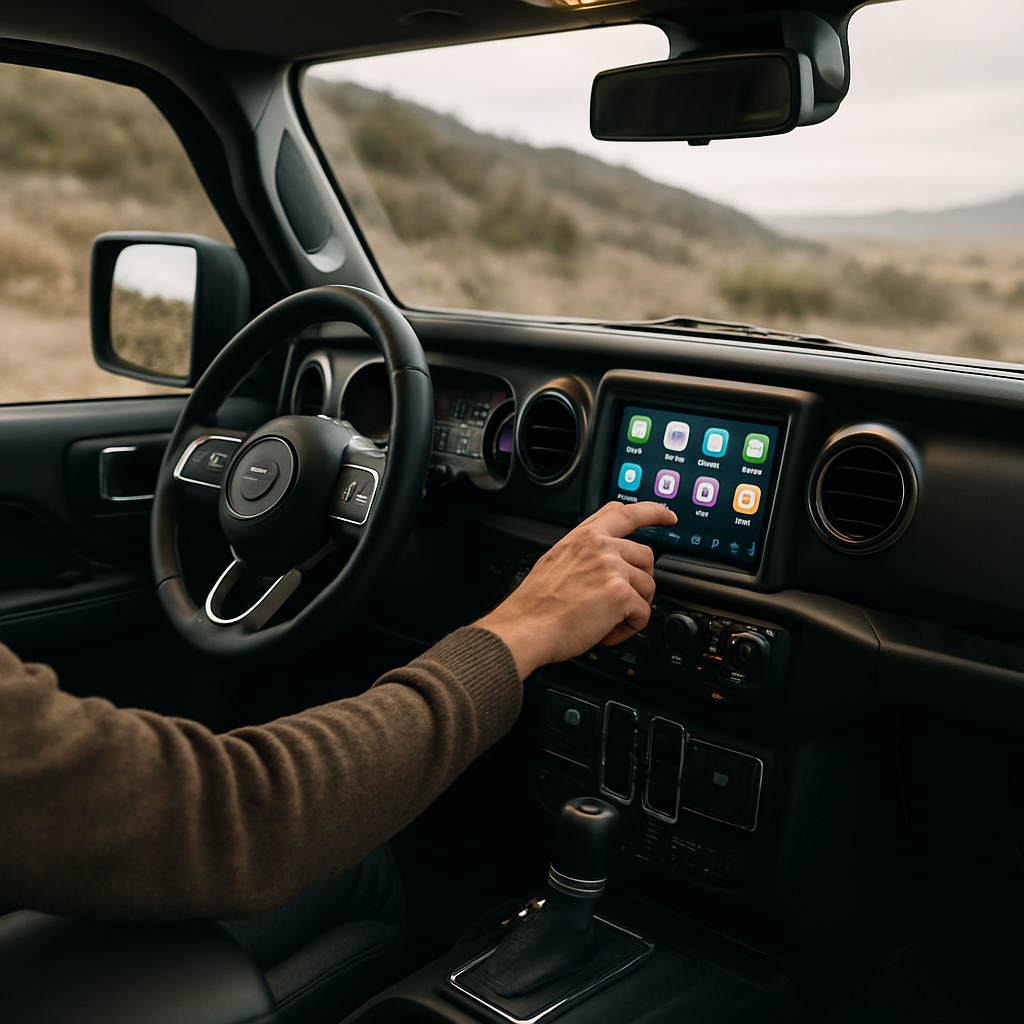
Replacing a factory stereo with a modern double DIN unit running wireless Apple CarPlay or Android Auto is a legitimate quality-of-life upgrade and absolutely road-legal. Pioneer, Kenwood, and Sony all produce solid units that fit a wide range of cars. The install cost from a car audio specialist typically runs between £150 and £350 including the unit, which is not bad for the jump in functionality you get. Cleaner navigation, better audio quality, and a more contemporary dashboard aesthetic in one go.
Uprated Brakes
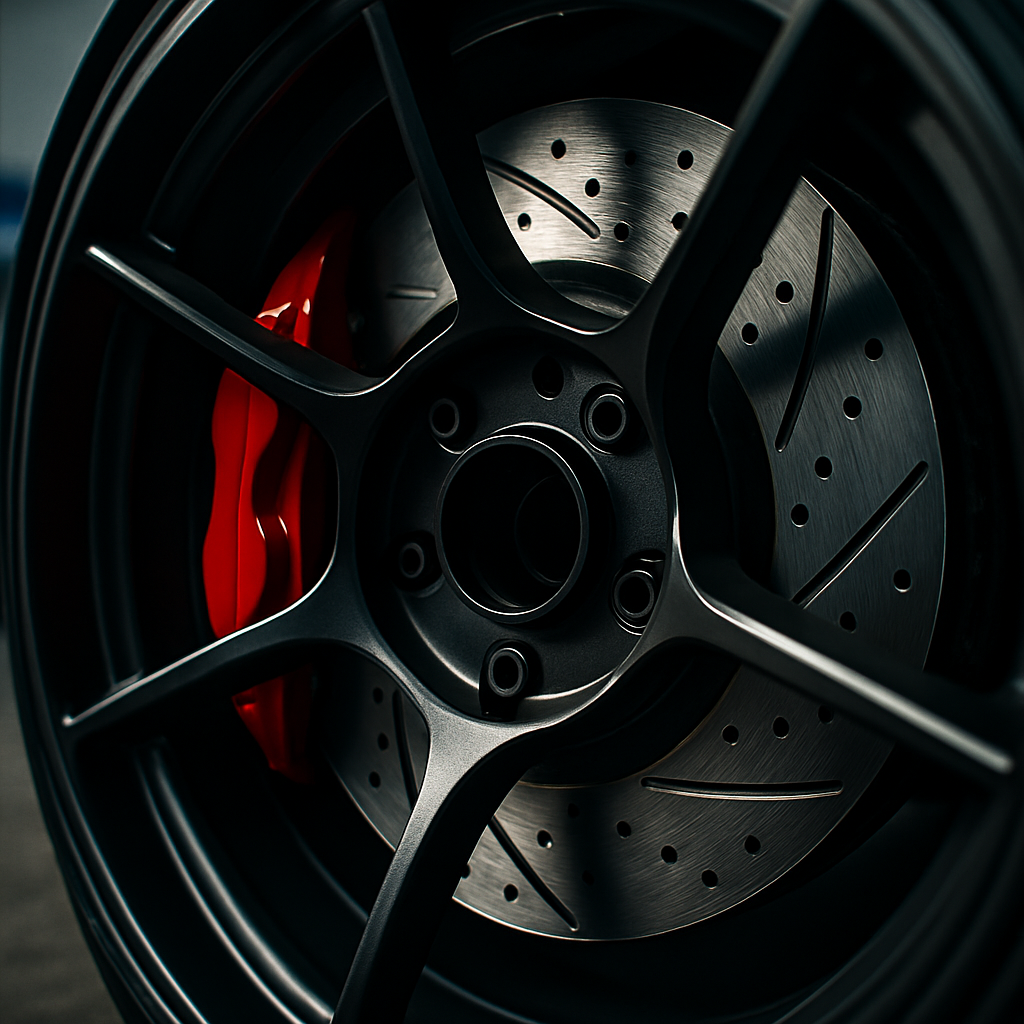
Big brake kits, uprated discs, and performance pads are all legal modifications provided the components are correctly rated for road use. Brands like EBC Brakes, Brembo, and Tarox offer road-legal performance options across a huge range of vehicles. Going for a drilled and grooved disc setup with a high-performance pad compound (EBC Yellowstuff, for example) transforms stopping power and adds a visual upgrade through the spokes of your alloys at the same time. Worth every penny for anything that sees track days as well as daily commutes.
What to Always Check Before You Mod
The golden rule with any modification is a simple three-step check. First, will it affect your MOT? Second, will it affect your insurance? Third, does it comply with the relevant Road Traffic Act requirements? For performance upgrades especially, the government’s vehicle approval guidance on gov.uk is a useful reference point. Anything that alters braking, lighting, or emissions equipment needs particular attention. Always declare modifications to your insurer in writing, keep documentation of professional work, and retain receipts for quality parts. Being a car enthusiast in 2026 is brilliant. Being a well-documented, properly insured car enthusiast is even better.
The world of legal car mods UK 2026 is rich, creative, and genuinely exciting. You do not have to compromise on personality or performance to stay the right side of the law. You just have to know your stuff. Now go make something cool.
Frequently Asked Questions
What car modifications are legal in the UK in 2026?
A wide range of modifications are legal including vinyl wraps (with DVLA colour update if needed), aftermarket alloys, window tints within legal light transmission limits, coilover suspension, induction kits, ECU remaps, uprated brakes, and tech upgrades like dash cams and aftermarket head units. The key is ensuring modifications do not compromise roadworthiness or breach Road Traffic Act requirements.
Do I need to tell my insurance company about car modifications?
Yes, absolutely. Failing to declare modifications to your insurer can invalidate your policy entirely, leaving you uninsured if you make a claim. Always notify your insurer in writing of any modification, whether it affects performance, appearance, or technology. Premiums may increase but remaining properly covered is non-negotiable.
Will a car remap affect my MOT in the UK?
A professional remap from a reputable tuner should not cause MOT failures, provided the emissions remain within legal limits and no fault codes are triggered. Diesel remaps in particular need to be carefully executed to avoid failing the smoke opacity test. Always use a qualified tuner and request a post-remap diagnostic check.
How dark can I legally tint my car windows in the UK?
Front side windows must allow at least 70% of light through, and the windscreen must allow at least 75%. There are no legal restrictions on how dark you can tint the rear side windows or rear screen. Police have roadside testing equipment to check front window tint, so exceeding the legal limit up front is a risk not worth taking.
Are lowering springs or coilovers legal for road use in the UK?
Yes, lowering springs and coilovers are legal provided the car maintains adequate ground clearance, tyres do not contact the bodywork, and the suspension geometry remains within safe parameters. An excessively lowered car can fail its MOT on suspension and tyre contact grounds, so a sensible, well-executed drop is always recommended over an extreme stance setup.