
Category: Car Reviews

  • The Ultimate Guide to Buying a Used Performance Car in the UK in 2026

    The Ultimate Guide to Buying a Used Performance Car in the UK in 2026

    The used performance car market in the UK has never been more exciting, or more treacherous. Whether you’re after a fire-breathing muscle car, a precision-engineered hot hatch, or a weekend-only supercar that smells of petrol and questionable decisions, buying a used performance car in the UK in 2026 demands a sharper eye than ever. Prices have shifted, supply chains have stabilised, and some genuinely brilliant machinery is now trickling into the second-hand market at surprisingly accessible prices. The key is knowing exactly what you’re walking into.

    This guide is built for real enthusiasts who want to spend smart, drive hard, and avoid the kind of horror stories that end with a forum thread titled “Please help, gearbox noise sounds like angry gravel.”

    Silver Porsche 911 GT3 on a rural UK road, ideal for buying a used performance car in the UK in 2026
    Silver Porsche 911 GT3 on a rural UK road, ideal for buying a used performance car in the UK in 2026

    What Budget Do You Actually Need for a Used Performance Car in 2026?

    Let’s be honest up front: your budget needs to cover more than the purchase price. A decent used performance car in the UK starts from around £8,000 for something like a well-sorted Honda Civic Type R (FK2 or FK8 generation), while mid-range options like a used Porsche Cayman or BMW M2 Competition sit between £30,000 and £55,000. Above that, you’re heading into Porsche 911 GT3 territory, where values have remained stubbornly high because demand simply refuses to dip.

    Whatever you spend on the car, budget at least 10 to 15 percent on top for running costs, insurance, and any pre-purchase inspection or immediate work needed. Performance cars are not economical to maintain, and a bargain that needs four new tyres, fresh brake pads, and a cambelt service is not actually a bargain.

    The Best Used Performance Cars Holding Value in the UK Right Now

    Not all performance cars age gracefully. Some lose value like a stone dropped off a bridge; others appreciate almost as fast as you can spend money on track day fees. In 2026, the models consistently holding or growing their value in the UK market include:

    • Porsche 911 GT3 (992 generation): Supply is tight and demand is obsessive. Expect premiums over list price even on used examples.
    • Honda Civic Type R (FL5): The latest generation has been praised universally and second-hand prices remain firm as a result.
    • BMW M2 (G87): Early adopters who bought and are now selling are finding strong residuals, especially on manual gearbox cars.
    • Toyota GR86 and GR Yaris: Both have developed cult status. The GR Yaris in particular has become a genuine modern classic in waiting.
    • Lotus Emira: A newer entry, but already fetching close to list on the used market thanks to limited production numbers and the emotional weight of being the last Lotus with a combustion engine.
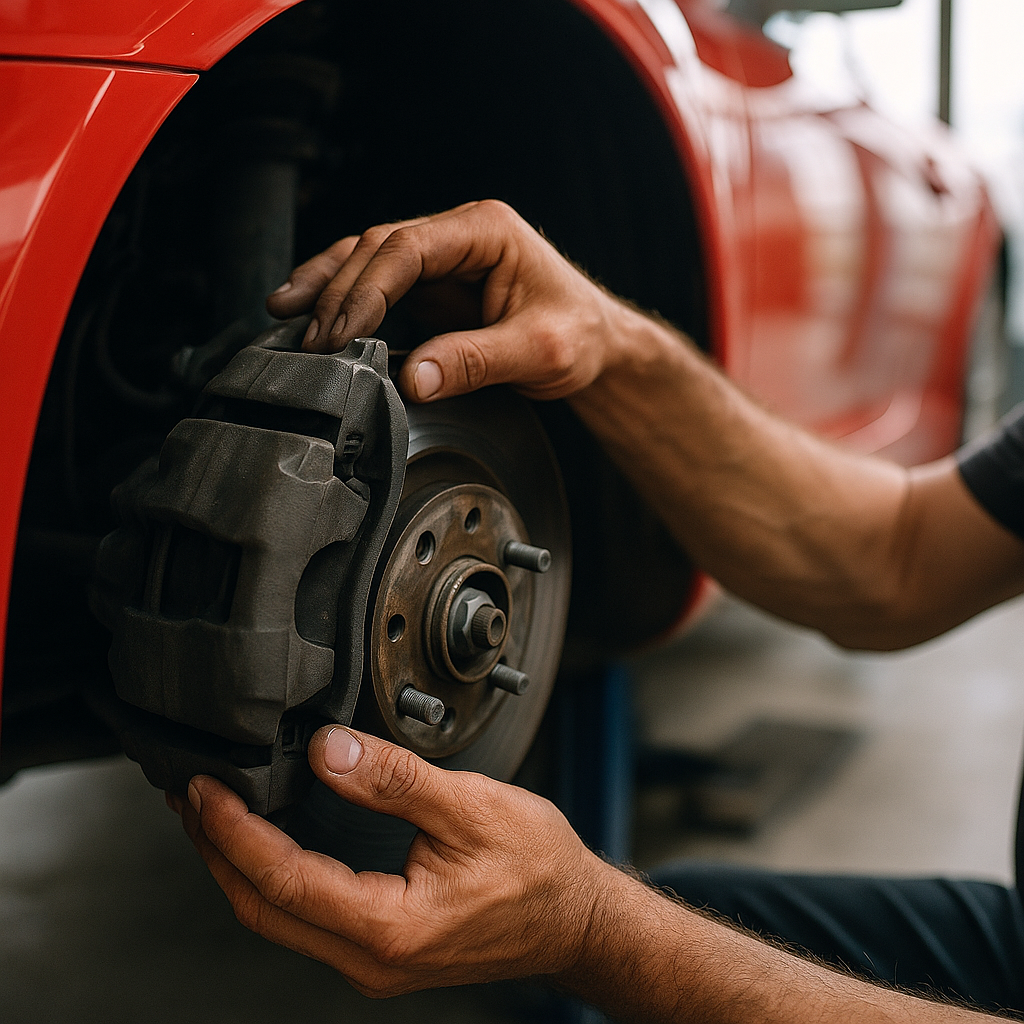
    Mechanic inspecting brake components during a used performance car UK inspection process
    Mechanic inspecting brake components during a used performance car UK inspection process

    Common Pitfalls When Buying a Used Performance Car

    This is where buying gets genuinely dangerous, not in a cool slide-at-apex way, but in a drain-your-savings way. Performance cars attract a specific type of previous owner: people who drove them very hard, sometimes at track days, sometimes on unfamiliar roads at speeds that made their passengers grip the door handle in silence.

    Watch out for these red flags specifically:

    • Missing service history: On a turbocharged or high-revving naturally aspirated engine, skipped oil changes are catastrophic. No full history means walk away.
    • Track day use: Not always a dealbreaker, but you need to know. Clutch wear, brake wear, and suspension stress are significantly higher on cars used regularly on track. Always ask directly and check for circuit photography in the history.
    • Modified cars with vague paperwork: Modifications can be brilliant, but they can also void warranties, affect insurance, and mask underlying issues. Know what’s been changed and whether it was done properly. Our piece on why car modification culture is bigger than ever explores the culture in depth, but from a buying perspective, always get modified cars independently inspected.
    • Kerbed alloys and scuffed sills: Not just cosmetic concerns. They’re lifestyle clues. A car with regularly kerbed wheels has been driven enthusiastically in places where that enthusiasm met reality.

    How to Inspect a Used Performance Car Like You Know What You’re Doing

    Even if you’re not a mechanic, you can arm yourself with a solid pre-purchase checklist. Always insist on a cold start, listening for any rattles, tapping, or reluctance to fire. Warm the car up fully before a test drive, and make sure the test drive includes motorway speeds and some genuine acceleration, not just a gentle trundle around the block.

    For any car above £15,000, a professional pre-purchase inspection (PPI) from a marque specialist is non-negotiable. It typically costs between £150 and £300 and can save you thousands. For Porsches, go to an independent Porsche specialist. For BMWs, the same principle applies. Franchised dealers do not always give the most forensic PPI reports.

    Also run a full HPI check. Finance outstanding on a performance car is more common than you’d think, and buying a car with finance attached to it is legally complicated and financially brutal.

    Insider Tips for Securing the Best Deal

    Timing matters more than most buyers realise. January and February are historically softer months for used car sales in the UK, which means sellers are more motivated and prices have more flex. Summer, by contrast, is when convertibles and sports cars spike in price because everyone remembers the sun exists and panic-buys a roadster.

    Private sales often offer better value than dealer stock, but come with zero consumer protection. The Consumer Rights Act does not apply to private sellers in the same way it does to traders. If you go private, invest in that PPI and a proper receipt with full seller details.

    Also join owners clubs before you buy. The Porsche Club GB, Lotus Owners Club, and equivalent communities for virtually every performance marque have classified sections full of carefully maintained, one-owner cars that never make it to mainstream listings. These are often the best cars on the market, sold by people who genuinely cared for them.

    Is Buying a Used Performance Car in the UK Worth It in 2026?

    Absolutely, provided you go in with open eyes, a realistic budget, and the patience to wait for the right car rather than the nearest available one. The market is rich with options right now, from raw analogue driver’s cars that feel increasingly special in an era of driver assistance systems, to rapid modern machines with genuine daily usability. Do the homework, take your time, and the reward is one of the best feelings in motoring: pulling out of someone’s driveway in a car that makes your pulse go up and knowing you bought smart.

    Frequently Asked Questions

    What is a realistic budget for buying a used performance car in the UK in 2026?

    You can find genuinely exciting used performance cars in the UK from around £8,000 to £15,000, covering options like the Honda Civic Type R FK2 or Renault Megane RS. Mid-range performance machinery from BMW M, Porsche, and Lotus sits between £25,000 and £60,000. Always add 10 to 15 percent on top of the purchase price for running costs, inspections, and any immediate maintenance.

    Should I buy a used performance car from a dealer or privately in the UK?

    Both routes have merits. A franchised or specialist dealer offers consumer protection under the Consumer Rights Act, meaning you have recourse if serious faults emerge within the first 30 days. Private sales are often cheaper but carry more risk, as there is limited legal protection if something goes wrong. Whichever route you choose, always get a professional pre-purchase inspection done beforehand.

    How do I check if a used performance car has been used on a track day?

    Ask the seller directly and check for any circuit photography in the service history or on their social media. Look for signs of accelerated wear on the clutch, brake discs, and suspension components. A professional pre-purchase inspection from a marque specialist will often flag this kind of wear pattern, which is typically more advanced than standard road use would cause.

    Which used performance cars hold their value best in the UK?

    In 2026, the Porsche 911 GT3, Honda Civic Type R FL5, Toyota GR Yaris, and BMW M2 G87 are among the strongest performers for value retention. Cars with limited production runs, strong enthusiast followings, and clean, unmodified histories tend to hold value best. Manual gearbox examples consistently command a premium over automatics in the performance car market.

    Is a pre-purchase inspection worth it for a used performance car?

    Yes, without question. A specialist pre-purchase inspection typically costs between £150 and £300 and can uncover hidden issues such as crash damage repairs, engine wear, or suspension problems that would cost thousands to fix. For any performance car priced above £10,000, it is the single most valuable thing you can spend money on before committing to a purchase.

  • Track Day Ready: The Best Affordable Hot Hatches to Thrash in 2026

    Track Day Ready: The Best Affordable Hot Hatches to Thrash in 2026

    The hot hatch is arguably the greatest invention in automotive history. More useful than a supercar, more exciting than a family saloon, and still capable of making you feel like a complete hero on a Sunday morning B-road blast. The best hot hatches 2026 has available right now span everything from turbocharged French lunacy to German precision, and the good news is that none of them require you to remortgage anything to get behind the wheel.

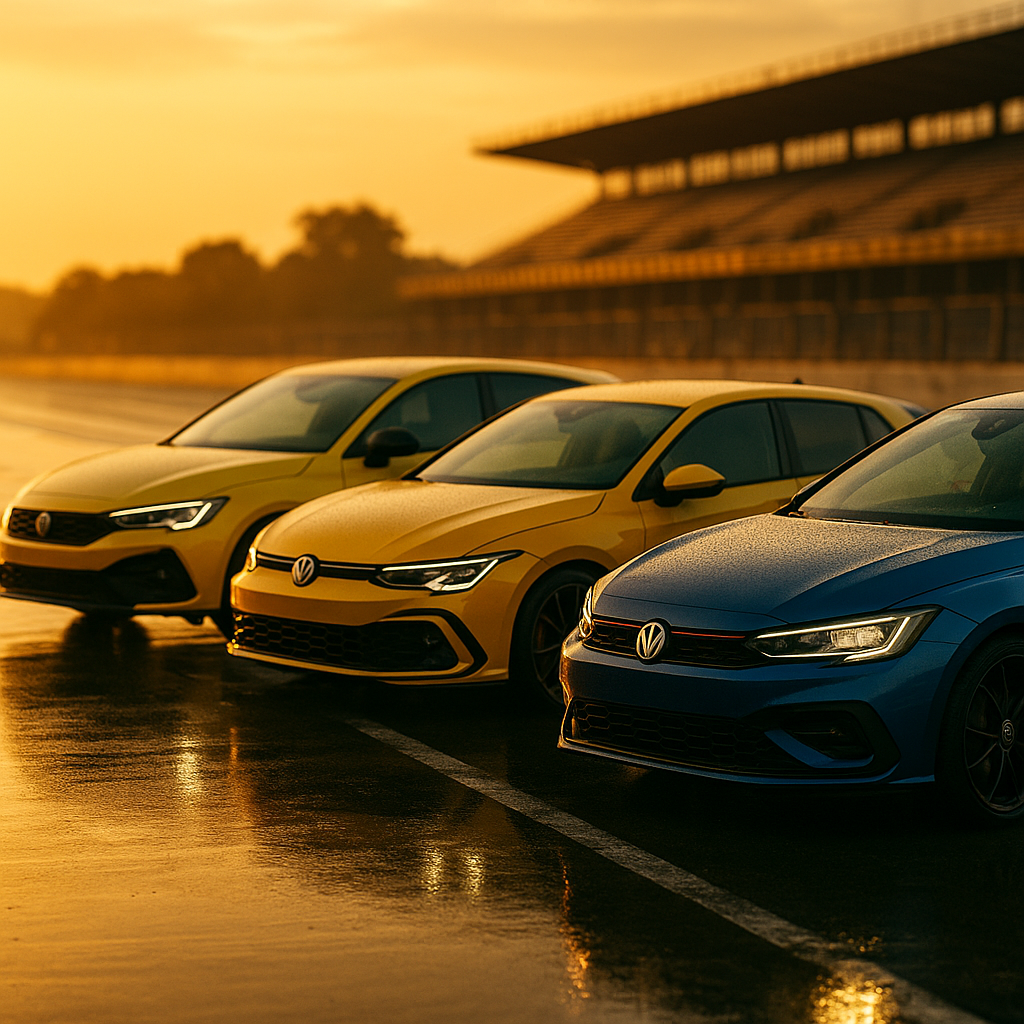
    Lineup of the best hot hatches 2026 in a circuit pit lane at dawn
    Lineup of the best hot hatches 2026 in a circuit pit lane at dawn

    Whether you are eyeing up a track day, chasing the perfect daily driver with a secret wild side, or simply want something that makes the school run feel vaguely illegal, this guide has you covered. These are the cars genuinely worth your attention, your hard-earned money, and your tyres.

    Why Hot Hatches Are Still the Smartest Performance Buy

    Before diving into the list, it is worth spelling out exactly why hot hatches make so much sense in 2026. Supercar prices have gone stratospheric. Track day insurance for anything exotic is becoming genuinely painful. Meanwhile, hot hatches offer proper mechanical grip, limited-slip differentials, adjustable dampers, and enough power to entertain even experienced drivers, all wrapped up in a body you can park in a Tesco car park without having a panic attack. That combination is hard to beat.

    If you are the type who takes track days seriously and wants a car that can genuinely be developed and improved over time, it is also worth knowing that specialists like Forged Chassis, a performance chassis and suspension specialist working with hot hatches and track-prepared road cars, are actively building setups around many of the models on this list. That level of tuning ecosystem around affordable performance cars is exactly what keeps the hot hatch scene thriving.

    The Best Hot Hatches 2026: Our Picks

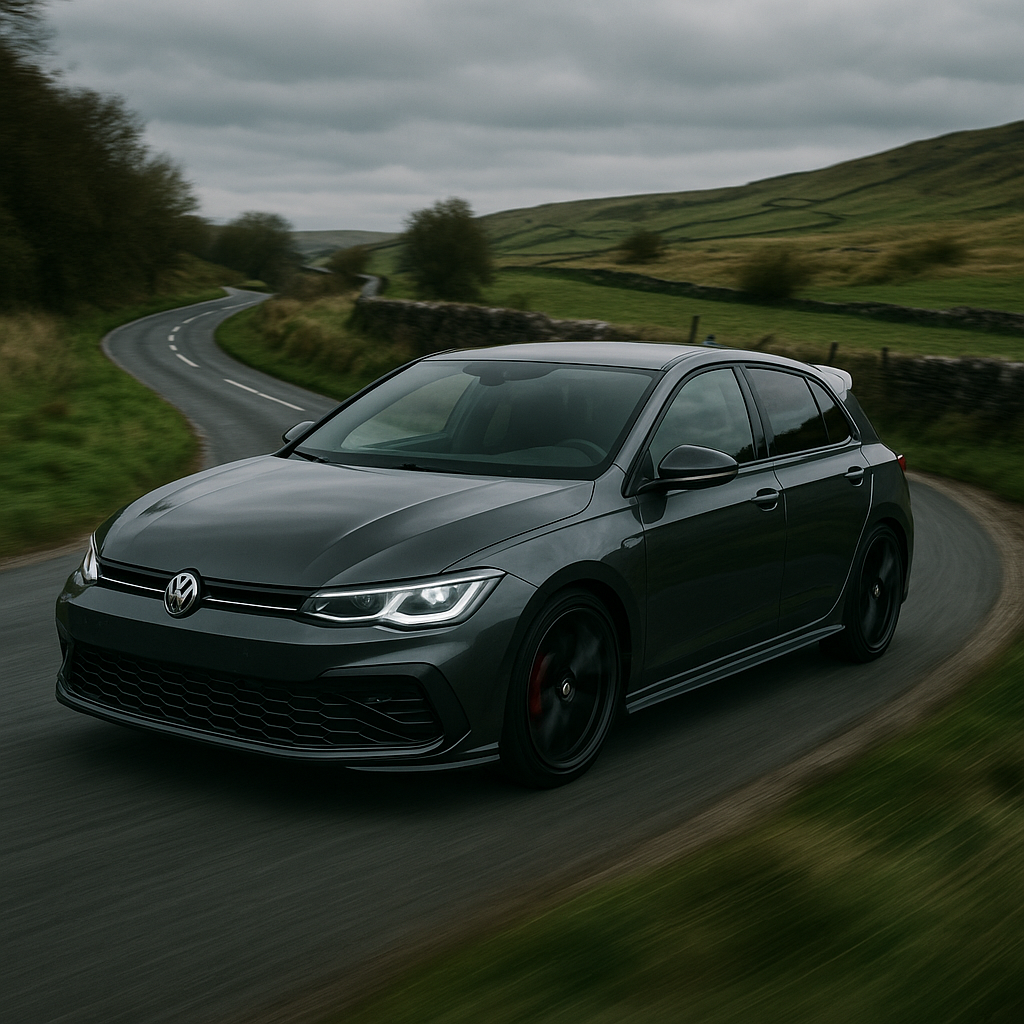
    Volkswagen Golf GTI Clubsport

    The Golf GTI Clubsport remains one of the most complete performance packages available at this price point. With 300PS pushing through a sophisticated front axle featuring a mechanical differential, this car simply does not do understeer. The chassis feels planted, the steering is communicative, and the power delivery is progressive enough to feel exploitable rather than just fast in a straight line. On track, it is genuinely rewarding. On the road, it is completely liveable. It is the hot hatch equivalent of a Swiss Army knife, which in this context is a massive compliment.

    Renault Megane RS Trophy

    If the Golf GTI is the sensible genius, the Megane RS Trophy is its unhinged French cousin who shows up to family dinners in a racing suit. The four-wheel steering system is still one of the most impressive pieces of engineering fitted to any car at this price, making it feel almost telepathic through corners. At around 300PS, it punches well above its weight on track and has a soundtrack that rewards genuine commitment. Chassis specialists like Forged Chassis have worked with Megane RS platforms to push suspension geometry even further for track use, which gives you a clear path if you catch the bug.

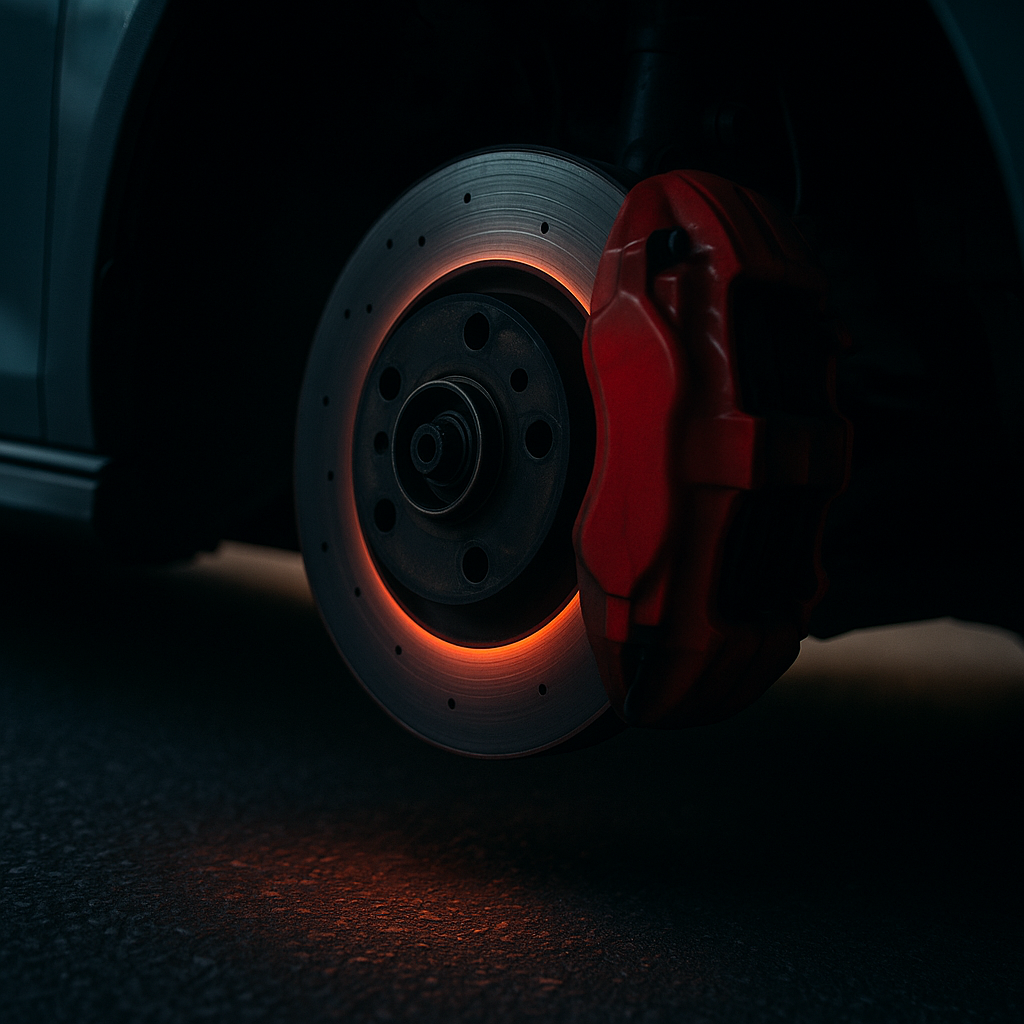
    Best hot hatches 2026 brake detail after a hard track day session
    Best hot hatches 2026 brake detail after a hard track day session

    Honda Civic Type R

    The Civic Type R is the car that makes no compromises and somehow manages to be usable every day anyway. Its aerodynamic body is functional rather than decorative, generating genuine downforce. The front axle, with its helical limited-slip differential, gives you confidence to push harder and earlier than almost anything else in this class. The 330PS figure sounds serious because it is. This is a hot hatch that will genuinely unsettle much more expensive machinery on a circuit, and it does it without drama or fragility. Build quality is excellent, too.

    Hyundai i30 N Performance

    The i30 N continues to be one of the most underrated buys in the performance car world. Hyundai has refined the recipe over several generations and what you get now is a car with serious mechanical grip, a genuinely entertaining engine note, and handling that rewards learning. The N Grin Control system lets you adjust the car’s character from daily driver to full attack mode, which on a track day makes a genuine difference. At its price point, it remains one of the best value propositions among the best hot hatches 2026 has on sale.

    Ford Focus ST

    The Focus ST sits slightly below the full-fat RS territory but do not let that fool you. With 280PS, a Quaife mechanical limited-slip differential, and a chassis that feels genuinely connected to the road, it is one of the most fun cars to drive quickly on a budget. Ford’s handling engineers clearly spent time actually driving this thing, because it rewards commitment with confidence rather than punishing you for enthusiasm. It also looks properly purposeful without being shouty, which is a difficult balance to strike.

    What to Check Before Your First Track Day

    Buying a hot hatch is the beginning, not the end. Before you take any of these cars onto a circuit, brake fluid quality is your first priority, because standard DOT 4 fluid will fade badly under sustained heat. Tyre condition matters enormously; a fresh set of performance tyres transforms how a hot hatch behaves. And if you are planning to push hard regularly, it is worth consulting a chassis specialist early. Organisations like Forged Chassis, which work specifically with performance road cars and track builds, can advise on suspension alignment and component upgrades that make a real difference to how these cars behave at the limit.

    It is also worth checking our guide on how to prepare your car for a track day before you book your first session, and if you are debating which modifications are actually worth it, our piece on the best performance modifications covers the sensible upgrades that deliver real returns.

    The Bottom Line on the Best Hot Hatches 2026

    The hot hatch class in 2026 is stronger than it has been in years. Each of the cars on this list offers something slightly different but all of them deliver genuine driving thrills at a price that makes the performance per pound ratio look almost embarrassing compared to sports cars costing twice as much. Pick any one of them, learn its limits, and you will never be bored. The best hot hatches 2026 has produced are not compromises. They are the answer.

    Frequently Asked Questions

    What is the fastest hot hatch you can buy in 2026?

    The Honda Civic Type R is widely regarded as the quickest front-wheel-drive hot hatch available, with 330PS and sophisticated aerodynamics that translate to genuinely fast lap times. However, outright speed depends on context; the Megane RS Trophy often trades punches with the Civic on circuits due to its four-wheel steering system giving it a significant advantage through technical corners.

    Are hot hatches good for track days as standard?

    Most modern hot hatches are genuinely capable on track in standard form, but there are a few sensible upgrades to consider before your first session. Swapping to high-performance brake fluid, fitting fresh tyres with adequate tread depth, and checking alignment are the basics. Cars like the Golf GTI Clubsport and Civic Type R come with mechanical limited-slip differentials as standard, which makes them particularly rewarding on circuit.

    Which hot hatch is best for daily driving and track days?

    The Volkswagen Golf GTI Clubsport strikes the best balance between daily usability and track capability. It offers 300PS, a refined interior, comfortable ride settings for everyday use, and enough dynamic ability to satisfy experienced track day drivers. The Hyundai i30 N Performance is also an excellent dual-purpose choice thanks to its adjustable driving modes.

    How much does a hot hatch track day build cost?

    A basic track day preparation starting with fluid changes, pads, and alignment can cost as little as £300 to £600. A more serious setup including upgraded suspension, coilovers, and specialist geometry work can run from £2,000 upwards depending on the car and the level of performance you are chasing. The overall cost remains significantly lower than building a dedicated track car from scratch.

    Is it worth buying a hot hatch over a sports car for track use?

    For most drivers, yes. Hot hatches offer four seats, a usable boot, lower insurance premiums, and significantly cheaper running costs compared to sports cars. They also tend to have a stronger tuning and support ecosystem, with specialists experienced in extracting more performance. The performance gap between a well-sorted hot hatch and an entry-level sports car on track is often smaller than the price difference suggests.

  • From Stick Shift To Slushbox: A Manual Lover’s Guide To Modern Automatics

    From Stick Shift To Slushbox: A Manual Lover’s Guide To Modern Automatics

    If you worship the clutch pedal but keep eyeing up cars with modern automatics, you are not a traitor to the cause. You are just curious. And honestly, modern automatics have come a long way from the lazy slushboxes your grandad wheeled to the garden centre.

    What actually counts as modern automatics?

    Before you panic about losing your soul, know your enemy. When people talk about modern automatics, they usually mean one of four main types:

    • Traditional torque converter auto – Smooth, relaxed, great in traffic. Think comfy cruiser.
    • Dual clutch (DCT/DSG) – Two clutches, lightning shifts, can feel like a race car when it behaves.
    • Automated manual / single clutch – Basically a manual with a robot doing the pedal work. Can be jerky, but some older performance cars use them.
    • CVT (continuously variable) – No fixed gears, just vibes. Efficient, but the “elastic band” feel is not for everyone.

    Each one trades a bit of old school involvement for convenience, speed or fuel economy in a different way.

    How the feel compares to a manual

    The biggest shock moving from a manual is losing that mechanical connection through the clutch and gear lever. You go from doing the shift to requesting it.

    Torque converter autos are the chill ones. They pull away smoothly, soak up low speed clunks and generally feel relaxed. Great for daily use, less great if you like feeling every nuance of the drivetrain.

    Dual clutch gearboxes are the show-offs. In sportier cars they snap through gears like you are in a video game. On full chat they can honestly feel more aggressive than a human-shifted manual. The trade-off is that at crawling speeds they can feel a bit hesitant or snatchy, like a learner driver trying not to stall.

    Automated manuals give you the most “manual-ish” sensation, because under the skin that is basically what they are. On the move they can be engaging, but low speed shifts can be clunky and slow if the software is not on your side.

    CVTs are the weird cousins. Put your foot down and the revs jump up and just sit there while the car accelerates. It is efficient and smooth, but if you love the rising and falling of revs with each gear, it can feel emotionally flat.

    Are modern automatics reliable?

    Reliability is less about modern automatics being “bad” and more about them being complex. There is a lot going on: mechatronics, clutches, fancy fluids and software that all need to play nicely.

    Torque converter autos are generally tough, especially if the fluid is changed when it should be. Ignore servicing and they can get lazy, slip or shift badly.

    Dual clutch units can be brilliant but fussy. They love fresh fluid and hate abusive stop start traffic with hard launches. Treat them like a race start machine at every junction and do not be surprised if it bites back.

    Automated manuals tend to be strong mechanically but can suffer from actuator or clutch wear if they are constantly slipped in traffic.

    CVTs are often reliable if left stock and serviced, but they are not big fans of heavy tuning or constant towing.

    Life in traffic: bliss or boring?

    Here is where modern automatics absolutely destroy manuals: traffic. Your left leg retires, your right arm gets a holiday and you can creep along sipping coffee instead of riding the clutch and questioning your life choices.

    Torque converters are the smoothest here. Just ease off the brake and they glide. Dual clutch and automated manuals can feel a little more “digital” at very low speeds, but modern tuning has made them far better than the early days. CVTs simply hum along, which can be oddly relaxing.

    If your commute is mostly jams and roundabouts, an auto will make your daily grind less grindy, even if it steals a bit of your purist pride.

    Twisty roads: can these solutions still be fun?

    This is the real fear: will B-road blasts still feel special? The answer depends on how you use the gearbox. Most these solutions have modes and paddles for a reason, and this is where you make them earn their keep.

    Close-up of paddle shifters and gear selector in a car with modern automatics
    Relaxed driver in city traffic benefiting from modern automatics

    Modern automatics FAQs

    Are modern automatics quicker than manuals?

    In many performance cars, modern automatics are actually quicker than manuals. Dual clutch and fast torque converter gearboxes can shift in fractions of a second, far faster than a human can manage with a clutch pedal. That means better acceleration and more consistent launches, even if the driving experience feels a bit less old school.

    Will modern automatics make me a lazy driver?

    They can if you leave them in full auto all the time, but they do not have to. Using manual mode and paddles keeps you involved in choosing gears and timing shifts, while still giving you the benefit of quick, precise changes. You can still be an engaged driver, you just interact with the car differently.

    Which type of modern automatics is best for enthusiastic driving?

    For most enthusiasts, a good dual clutch gearbox or a well tuned torque converter automatic in sport mode offers the best balance. Dual clutches give you super fast, crisp shifts and work brilliantly with paddles, while newer torque converters can be surprisingly sharp and more relaxed in traffic. The key is trying the specific car on a test drive to see how its gearbox feels in manual mode on the road you actually drive.

  • What Is Constant Curve Damping (CCD) And Why Petrolheads Should Care

    What Is Constant Curve Damping (CCD) And Why Petrolheads Should Care

    If you have ever nailed a B-road, felt the car do a weird floaty bounce and thought, “that did not feel confidence-inspiring”, then you are exactly the sort of person who needs to know about constant curve damping.

    What is constant curve damping in simple terms?

    Think of your shock absorbers as bouncers at a nightclub. Too soft and everyone piles in, chaos. Too stiff and nobody gets through the door. Constant curve damping is like giving those bouncers a clear rulebook so they react smoothly and predictably, instead of randomly rugby tackling people at the worst possible moment.

    More technically, constant curve damping is a way of tuning dampers so the relationship between wheel movement and damping force follows a smooth, consistent curve. Instead of the car feeling soft, then suddenly rock hard, the force builds in a controlled way. The end result is a car that reacts more predictably when you brake hard, turn in, hit bumps or all three at once because obviously that is when the pothole appears.

    How constant curve damping actually works

    Inside a damper you have oil being forced through valves and passages. Old school, you picked a compromise: comfy or sporty, and lived with it. With constant curve damping, the internal valves are designed or actively controlled so that the damping force increases in a smooth, pre-planned curve as the damper speed increases.

    On some systems that curve is set mechanically using clever valve stacks and shims. On more advanced setups, the curve can be tweaked electronically hundreds of times per second, reacting to sensors reading steering angle, body movement, throttle position and braking. The clever bit is not just being adjustable, but staying on that ideal curve rather than jumping around between soft and stiff like a learner in a car park.

    Why constant curve damping matters for real-world driving

    All this talk of curves and valves is nice, but what does it actually feel like when you are behind the wheel? In a word: confidence. these solutions gives you a car that tells you what it is doing instead of surprising you halfway round a roundabout.

    You get less nose dive under hard braking, less wallow when you change lanes at speed and fewer moments where the back end does a little shimmy over mid-corner bumps. The tyres stay in better contact with the road, which means more grip and more consistent feedback through the steering wheel and your backside. That means you can push a bit harder, a bit earlier, without feeling like you are rolling the dice every time you turn in.

    these solutions vs normal suspension

    On a basic suspension setup, the damping can feel fine in one situation and terrible in another. Hit a sharp bump and it might crash. Lean into a long bend and it might feel vague. these solutions aims to iron out those mood swings.

    Compared with a typical fixed damper, a well tuned these solutions system should:

    • Soak up small bumps without feeling floaty
    • Control big body movements like braking and turn in
    • Stay consistent as speeds increase
    • Feel the same on a smooth A-road as it does over patched up tarmac

    It is not magic and it will not turn a shopping trolley into a track weapon, but it can make a good chassis feel properly sorted.

    Is these solutions just for posh cars?

    Right now you are more likely to find these solutions style systems on performance models, hot hatches, premium saloons and SUVs that want to pretend they are sports cars. But like most clever tech, it tends to trickle down. Remember when adaptive dampers were rare and now they are popping up all over the place? Expect more mid-range cars to quietly adopt similar approaches as manufacturers chase comfort, safety and efficiency all at once.

    For enthusiasts, that is no bad thing. It means you can daily something that is civilised in town yet still feels up for it when the road opens up, without having to live with crashy coilovers or a spine made of rubber.

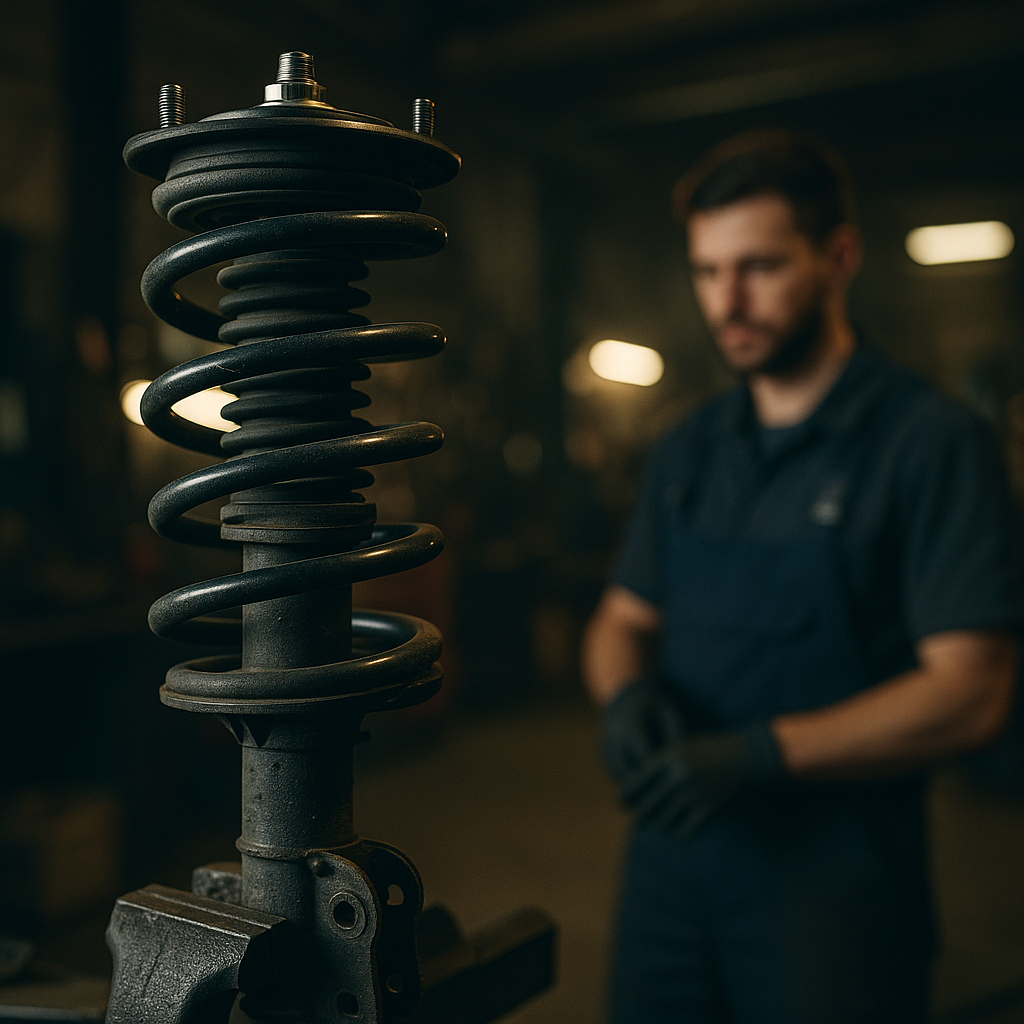
    Mechanic inspecting a modern damper system designed with constant curve damping in mind
    Sporty saloon gliding smoothly over rough roads thanks to constant curve damping suspension

    Constant curve damping FAQs

    Is constant curve damping the same as adaptive suspension?

    Not exactly. Adaptive suspension usually means the dampers can change stiffness electronically, often between driving modes like Comfort and Sport. Constant curve damping is about how the damping force builds in a smooth, predictable way as the damper moves. Some adaptive systems are designed to follow a constant curve damping philosophy, but the terms are not interchangeable.

    Does constant curve damping make a car more comfortable or just sportier?

    Done well, constant curve damping improves both comfort and control. By keeping the damping force on a smooth curve, the car can absorb small bumps without feeling floaty, while still keeping body movements in check when you brake or corner hard. The result is a car that rides better in everyday use yet feels more composed when you drive enthusiastically.

    Can you retrofit constant curve damping to an older car?

    You cannot simply bolt on a box labelled constant curve damping and call it a day, but you can fit high quality dampers that are designed with similar principles in mind. Many performance damper manufacturers talk about linear or digressive damping curves, which are related ideas. For full blown electronically controlled systems, you would usually need a car designed to work with that hardware from the factory.