Category: Motoring

  • Why Car Modification Culture Is Bigger Than Ever

    Why Car Modification Culture Is Bigger Than Ever

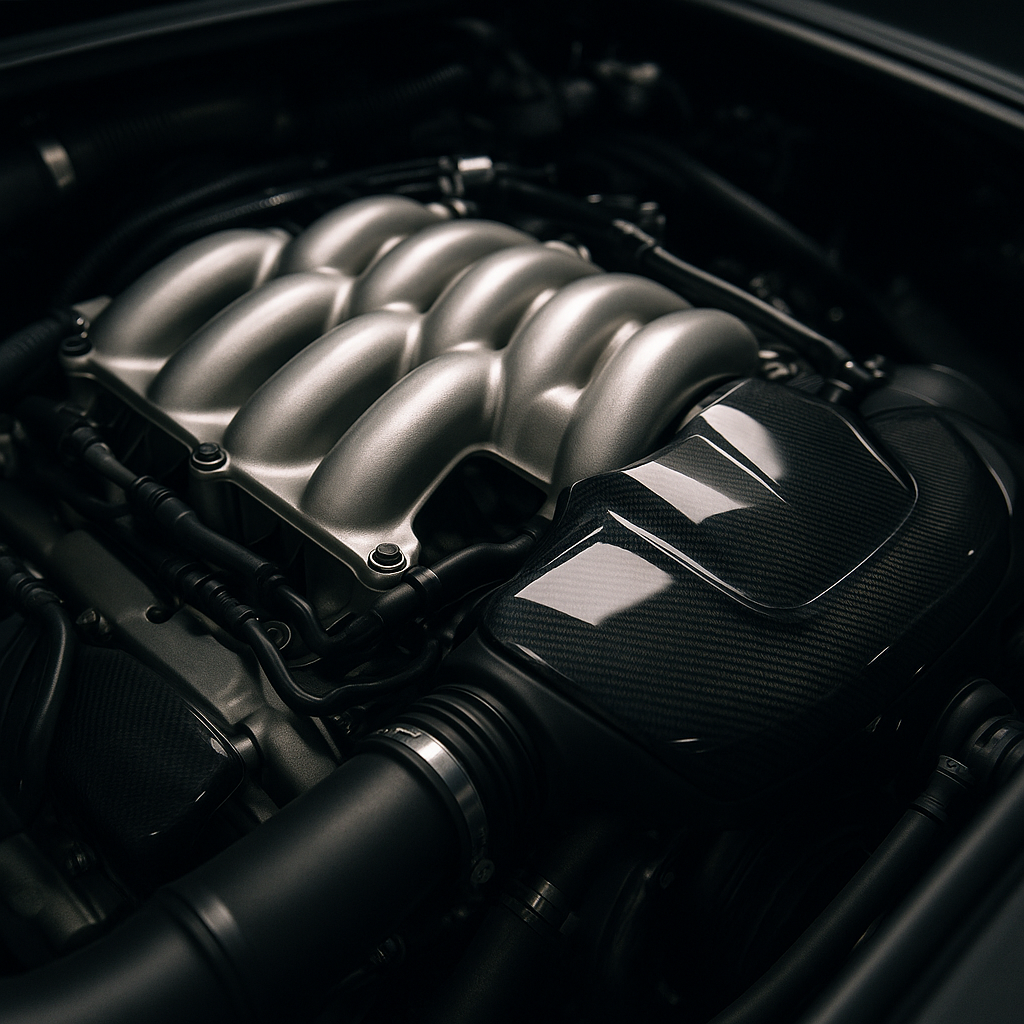
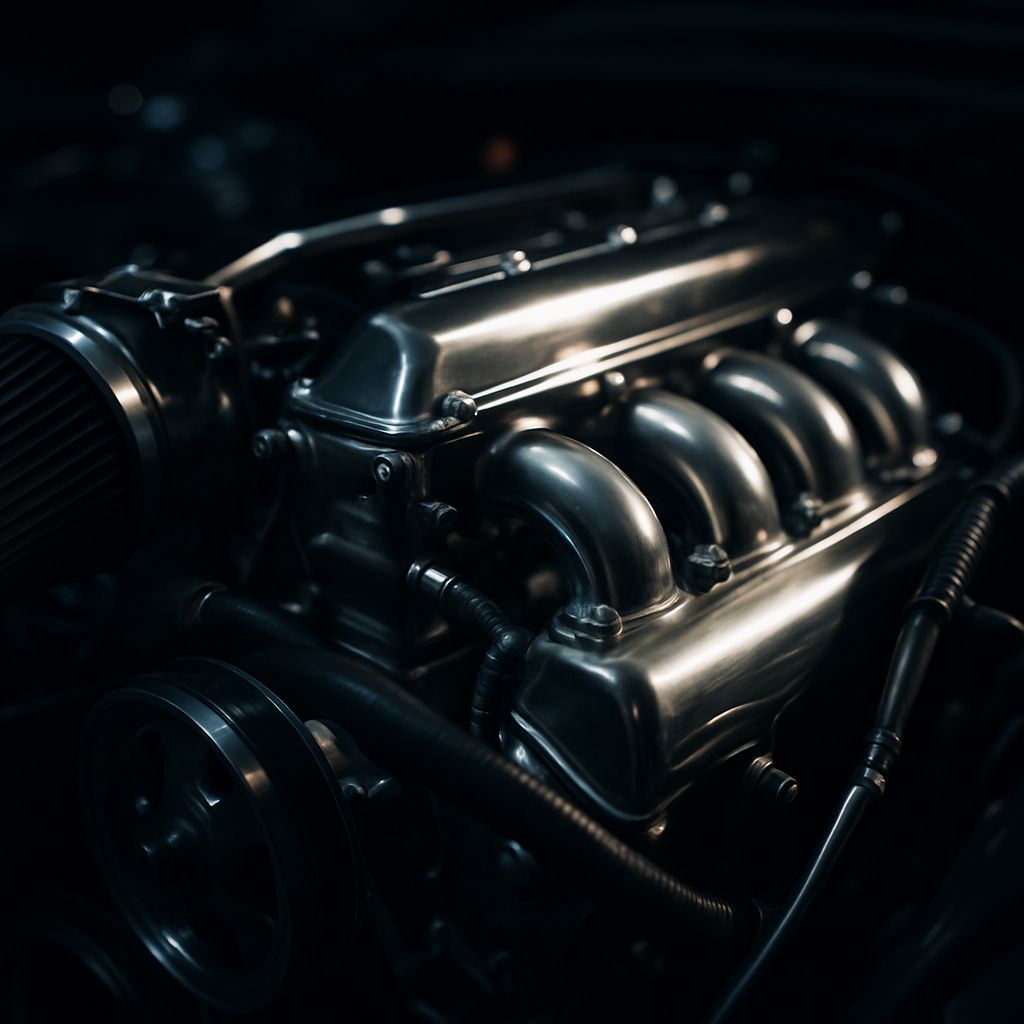
    Car modification culture is having a proper moment. Not a quiet, niche-forum kind of moment, but a full-blown, mainstream, algorithmically-turbocharged explosion that has the aftermarket scene growing faster than a Stage 2 Golf R on a wet slip road. Whether you’re deep into stance, chasing dyno numbers, or exploring what on earth it means to tune an electric motor, the mod world in 2026 is more diverse, more accessible, and frankly more interesting than it has ever been.

    So what’s driving it? A perfect storm of social media reach, falling parts costs, a generation of young drivers who grew up watching car culture online, and an industry that has finally started listening to its most passionate customers.

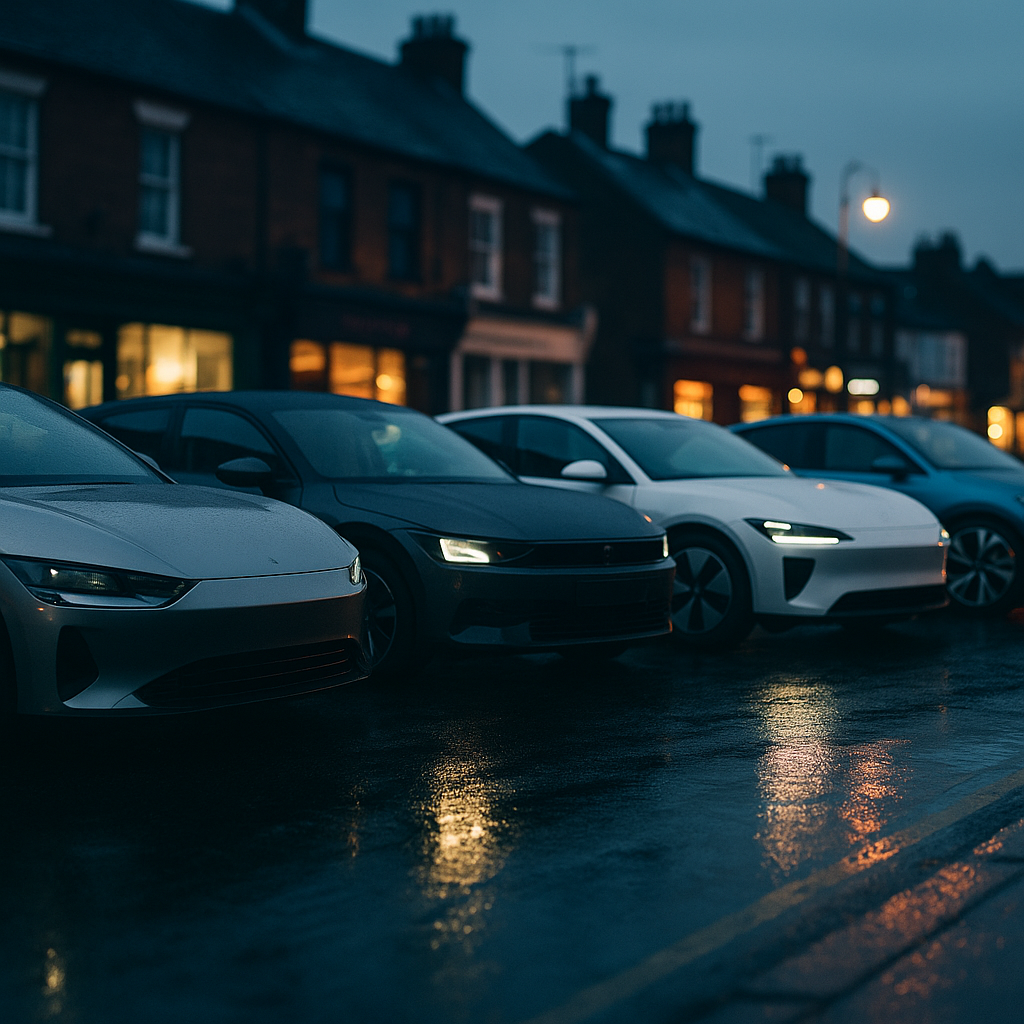
    Modified cars at a UK car meet celebrating car modification culture
    Modified cars at a UK car meet celebrating car modification culture

    The Aftermarket Boom: Why Car Modification Culture Is Growing So Fast

    The global aftermarket parts industry was already enormous, but recent years have accelerated its growth in ways nobody quite predicted. Online marketplaces, direct-to-consumer brands, and the rise of short-form video content have collapsed the gap between inspiration and installation. Someone watches a satisfying exhaust swap reel at midnight and has the parts ordered before breakfast. That loop, from visual content to purchase, has become the engine powering the entire scene.

    In the UK specifically, the shift is striking. Car shows like Players Classic and TRAX have expanded their footprint. Private car meets in supermarket car parks and industrial estates have turned into legitimate cultural events, some of them attracting thousands. The community aspect of car modification culture is as much a draw as the cars themselves. People are building identity around what they drive and how they build it.

    Stance, Aesthetics, and the Visual Modding Scene

    Stance culture never really went away, but it has evolved. The ultra-slammed, scraping-the-tarmac look has given way to something more considered: static drops with proper geometry, quality coilovers, and period-correct wheel choices that reward knowledge as much as shock value. Japanese domestic market aesthetics continue to influence UK builds, but European minimalism is equally strong. A clean Mk7 Golf on Rotiform wheels with a subtle lip kit now turns as many heads as a full aero widebody kit.

    Alongside stance, paint and protection have become central to build quality. Enthusiasts investing serious money in their cars are increasingly turning to professional-grade solutions to keep them looking immaculate. ceramic coatings have become a standard part of serious build planning, offering long-term paint protection that keeps show cars looking fresh between events.

    Performance Tuning in 2026: More Data, More Power

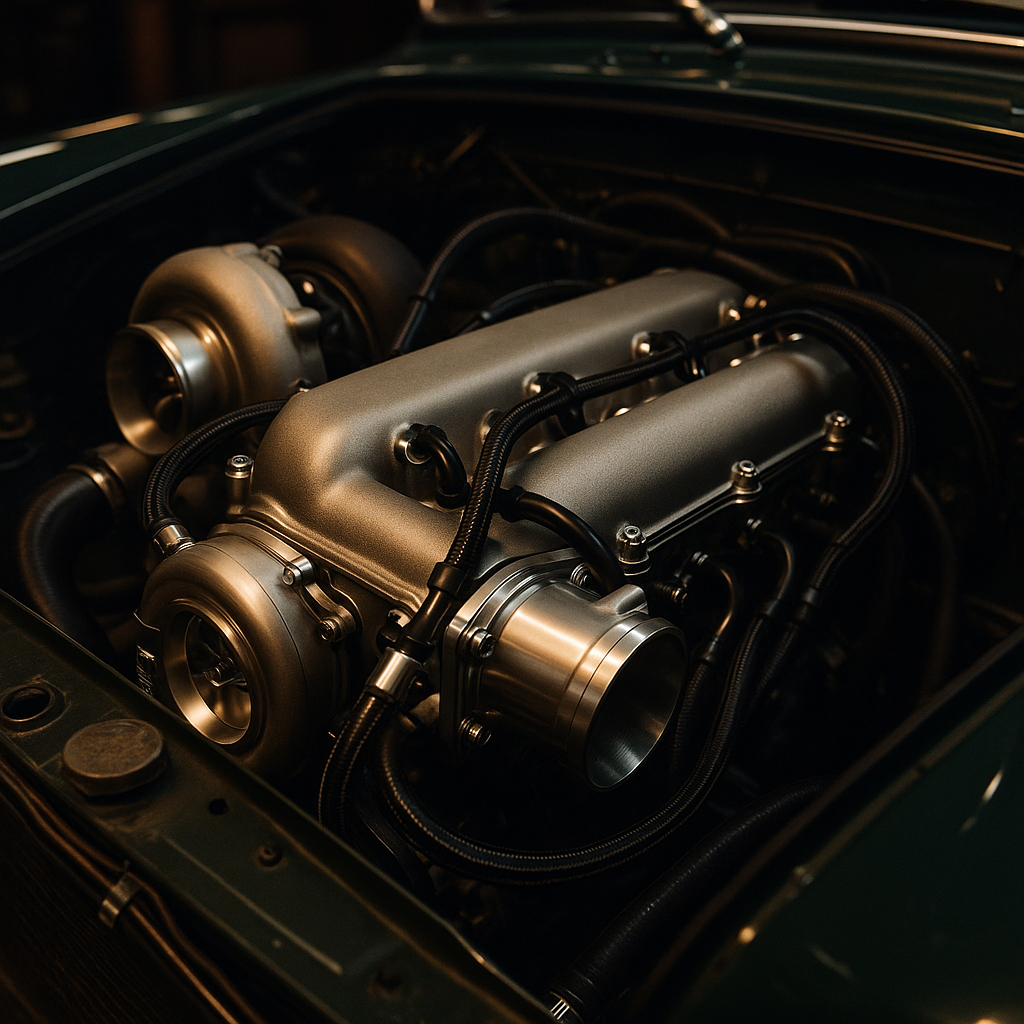
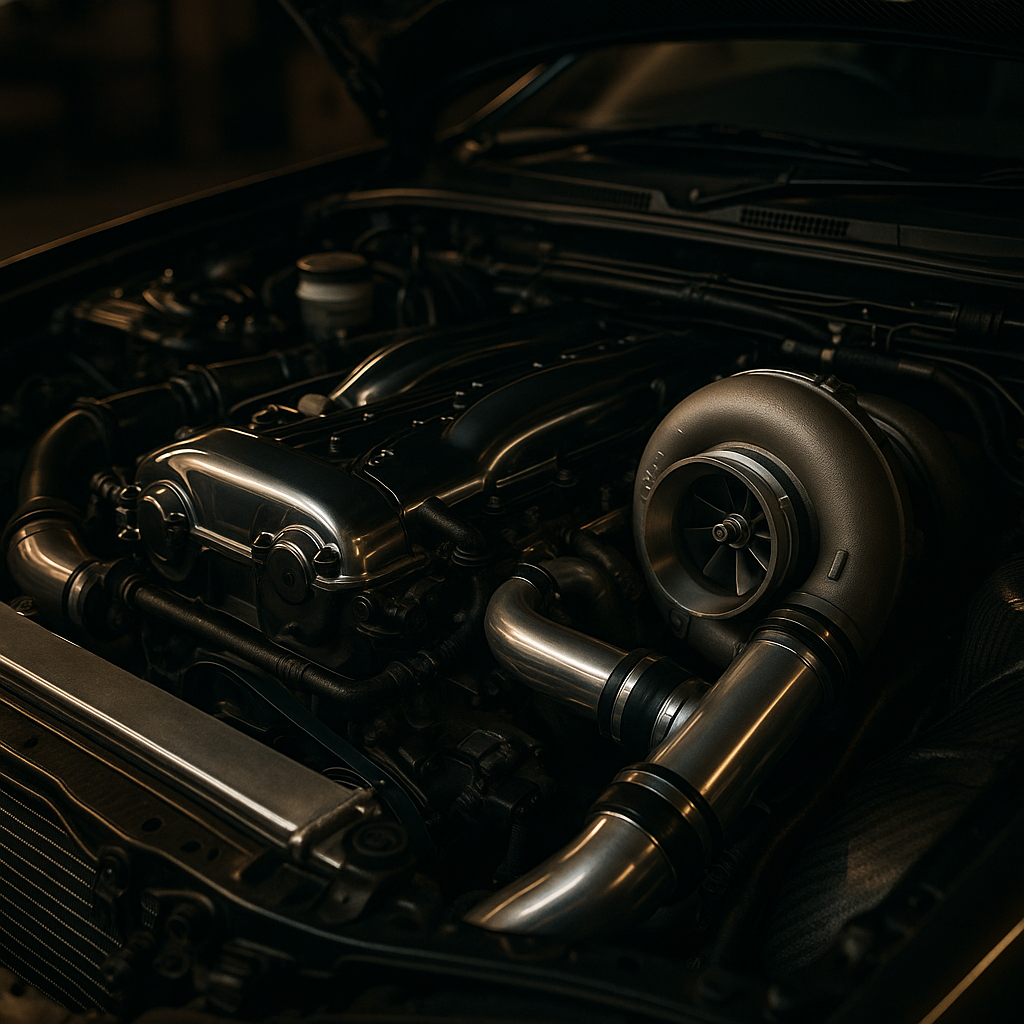
    On the performance side, tuning has become extraordinarily sophisticated. ECU remapping is no longer the dark art it once was. Cloud-based tuning platforms, OBD-connected data loggers, and professional dyno facilities that book out weeks in advance have all normalised the idea of extracting serious power from a car you actually bought from a forecourt. The turbocharged hot hatch remains the nation’s favourite canvas, and if you want to know which cars make the best starting point, our guide to the best affordable hot hatches to thrash in 2026 is worth a read before you reach for your wallet.

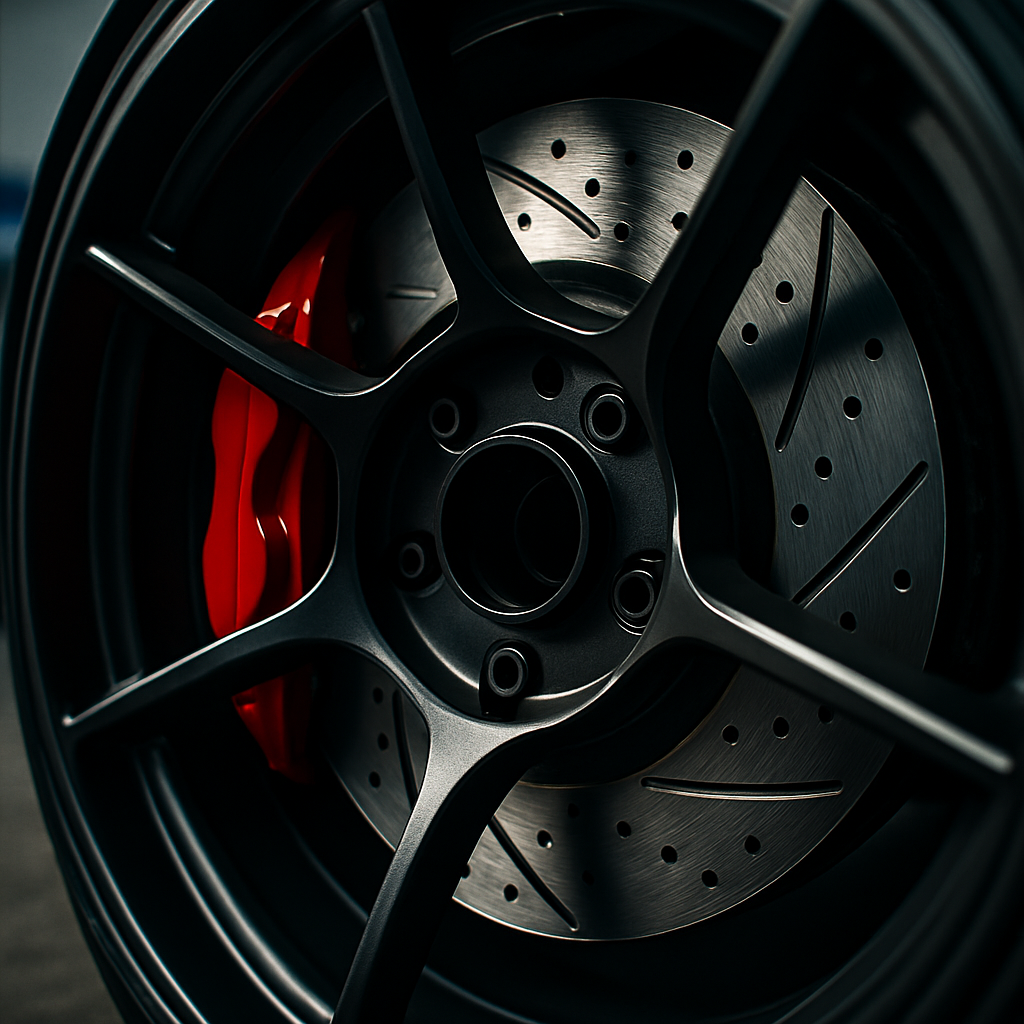
    Mechanic fitting alloy wheels as part of a car modification culture build
    Mechanic fitting alloy wheels as part of a car modification culture build

    Hybrid platforms are also increasingly being tuned. The Toyota GR Yaris, for instance, has a tuning community that rivals anything built around the old Civic Type R scene, and aftermarket support for cars like the Hyundai Ioniq 6 is beginning to develop in ways that would have seemed unlikely even two years ago.

    EV Modding: The Frontier Nobody Expected to Be This Interesting

    The elephant in every car park is, of course, the electric vehicle. For years, the assumption was that EVs would kill modification culture stone dead. No engine note, no gearbox, limited mechanical drama. The reality has turned out to be considerably more nuanced.

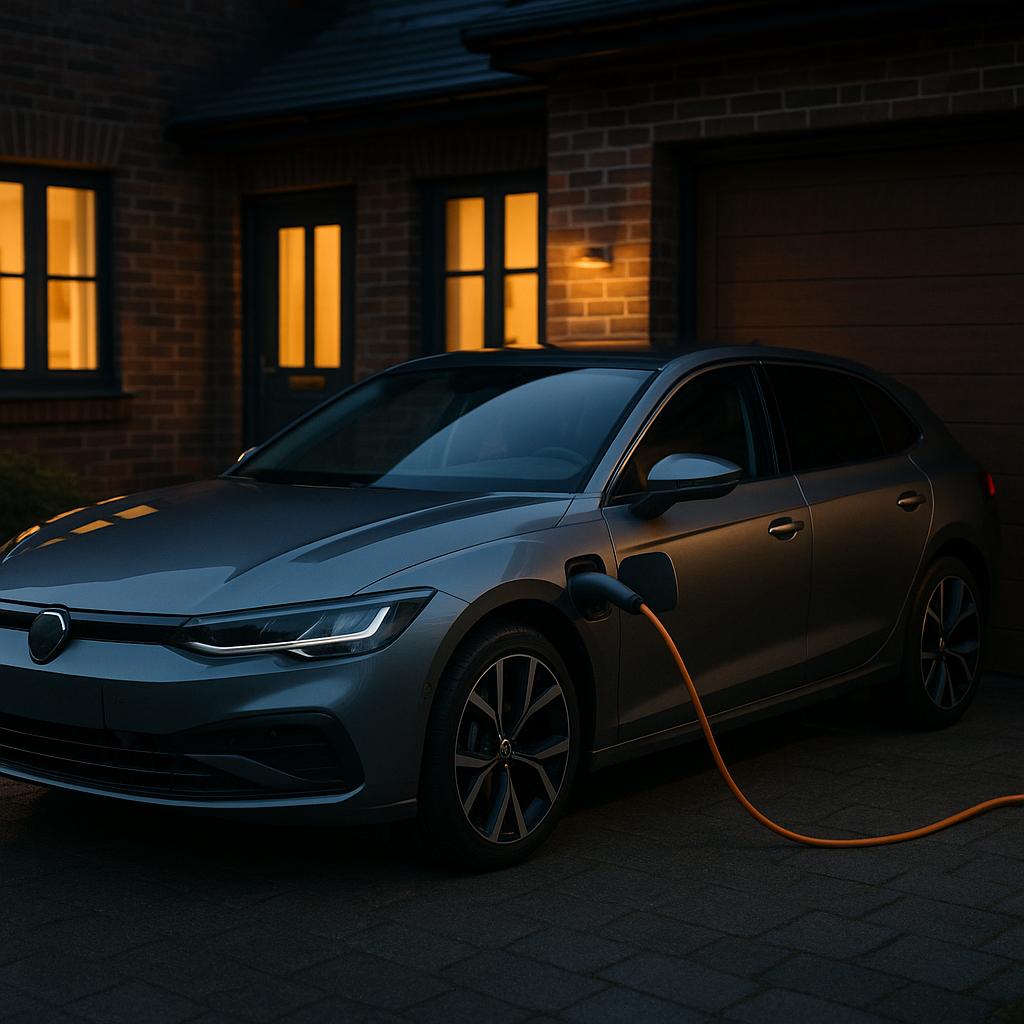
    EV modding is growing at a rate that is genuinely surprising. On the performance side, companies are already offering power upgrades for Tesla platforms, and the tuning software scene around BYD and Volkswagen’s MEB platform is developing fast. On the aesthetic side, the principles are identical to any other car: wheels, suspension, aero, and paint. A slammed Tesla Model 3 on forged alloys looks absolutely menacing, and the community has embraced it without apology.

    Suspension tuning for EVs presents its own challenges given the weight distribution and unsprung mass involved, but specialist outfits are rising to meet them. Coilover manufacturers are developing EV-specific valving. Air suspension kits for popular EV platforms are becoming more widely available. The infrastructure is catching up with the enthusiasm.

    The Communities Keeping Car Modification Culture Alive

    Behind every great build is a community that helped make it happen. Discord servers, dedicated subreddits, regional car clubs, and YouTube channels with production values that rival television have all played a role in democratising knowledge. A first-time modifier in Dundee now has access to the same advice as someone working in a professional bodyshop in Stuttgart, provided they know where to look.

    This knowledge-sharing culture has also raised standards dramatically. Poorly fitted kits and mismatched wheel spacers are called out instantly, which means builds are getting better, more considered, and more ambitious. Even at entry level, the bar is higher than it has ever been, and that is ultimately good for everyone involved.

    What Is Next for the Aftermarket Scene?

    Augmented reality fitment tools, subscription-based tuning software, and collaborative builds streamed live are all directions the scene is heading. The boundary between physical modification and digital customisation is blurring, and the brands clever enough to serve both worlds are the ones who will define the next chapter of car modification culture. One thing is certain: this is not a trend that is going anywhere. If anything, the best is still ahead.

    Frequently Asked Questions

    Is car modification legal in the UK in 2026?

    Most car modifications are legal in the UK, but there are important rules to follow. You must inform your insurer of any changes, and certain modifications, such as extreme suspension lowering that affects handling safety, or exhausts that exceed noise limits, can result in MOT failures or police attention. Always check with your insurer and refer to DVSA guidance before making significant changes.

    How much does a basic car modification build cost in the UK?

    Entry-level aesthetic builds, covering wheels, a drop in suspension, and some exterior trim, can be achieved for between £1,500 and £4,000 depending on the platform. Performance tuning, including an ECU remap and supporting modifications, can range from a few hundred pounds for a basic remap to well over £5,000 for a comprehensive Stage 2 or Stage 3 setup. The cost varies enormously based on the car and the depth of the build.

    Can you modify electric vehicles the same way as petrol cars?

    You can modify EVs in many of the same ways, particularly for aesthetics, with wheels, suspension, and aero all being straightforward options. Performance modifications are more specialist, with software-based power upgrades available for some platforms, notably Tesla. The EV modding scene is growing fast, and specialist companies are developing dedicated solutions for the most popular electric models.

    Does modifying a car affect its insurance in the UK?

    Yes, virtually every modification should be declared to your insurer, and failure to disclose changes can invalidate your policy entirely. Performance modifications will typically increase your premium, while some cosmetic changes may have a smaller impact. Specialist modified car insurance providers, such as Adrian Flux or Footman James, can often offer better value for heavily modified vehicles than mainstream insurers.

    What are the most popular car modification trends right now?

    In 2026, the biggest trends include refined stance builds with quality coilovers and period-correct alloys, ECU remapping and turbo upgrades for hot hatches, EV aesthetic and performance modifications, and high-quality paint protection such as wraps and professional-grade coatings. Community-driven builds shared on social media continue to set the direction for mainstream modification culture.

  • Track Day Ready: The Best Affordable Hot Hatches to Thrash in 2026

    Track Day Ready: The Best Affordable Hot Hatches to Thrash in 2026

    The hot hatch is arguably the greatest invention in automotive history. More useful than a supercar, more exciting than a family saloon, and still capable of making you feel like a complete hero on a Sunday morning B-road blast. The best hot hatches 2026 has available right now span everything from turbocharged French lunacy to German precision, and the good news is that none of them require you to remortgage anything to get behind the wheel.

    Lineup of the best hot hatches 2026 in a circuit pit lane at dawn
    Lineup of the best hot hatches 2026 in a circuit pit lane at dawn

    Whether you are eyeing up a track day, chasing the perfect daily driver with a secret wild side, or simply want something that makes the school run feel vaguely illegal, this guide has you covered. These are the cars genuinely worth your attention, your hard-earned money, and your tyres.

    Why Hot Hatches Are Still the Smartest Performance Buy

    Before diving into the list, it is worth spelling out exactly why hot hatches make so much sense in 2026. Supercar prices have gone stratospheric. Track day insurance for anything exotic is becoming genuinely painful. Meanwhile, hot hatches offer proper mechanical grip, limited-slip differentials, adjustable dampers, and enough power to entertain even experienced drivers, all wrapped up in a body you can park in a Tesco car park without having a panic attack. That combination is hard to beat.

    If you are the type who takes track days seriously and wants a car that can genuinely be developed and improved over time, it is also worth knowing that specialists like Forged Chassis, a performance chassis and suspension specialist working with hot hatches and track-prepared road cars, are actively building setups around many of the models on this list. That level of tuning ecosystem around affordable performance cars is exactly what keeps the hot hatch scene thriving.

    The Best Hot Hatches 2026: Our Picks

    Volkswagen Golf GTI Clubsport

    The Golf GTI Clubsport remains one of the most complete performance packages available at this price point. With 300PS pushing through a sophisticated front axle featuring a mechanical differential, this car simply does not do understeer. The chassis feels planted, the steering is communicative, and the power delivery is progressive enough to feel exploitable rather than just fast in a straight line. On track, it is genuinely rewarding. On the road, it is completely liveable. It is the hot hatch equivalent of a Swiss Army knife, which in this context is a massive compliment.

    Renault Megane RS Trophy

    If the Golf GTI is the sensible genius, the Megane RS Trophy is its unhinged French cousin who shows up to family dinners in a racing suit. The four-wheel steering system is still one of the most impressive pieces of engineering fitted to any car at this price, making it feel almost telepathic through corners. At around 300PS, it punches well above its weight on track and has a soundtrack that rewards genuine commitment. Chassis specialists like Forged Chassis have worked with Megane RS platforms to push suspension geometry even further for track use, which gives you a clear path if you catch the bug.

    Best hot hatches 2026 brake detail after a hard track day session
    Best hot hatches 2026 brake detail after a hard track day session

    Honda Civic Type R

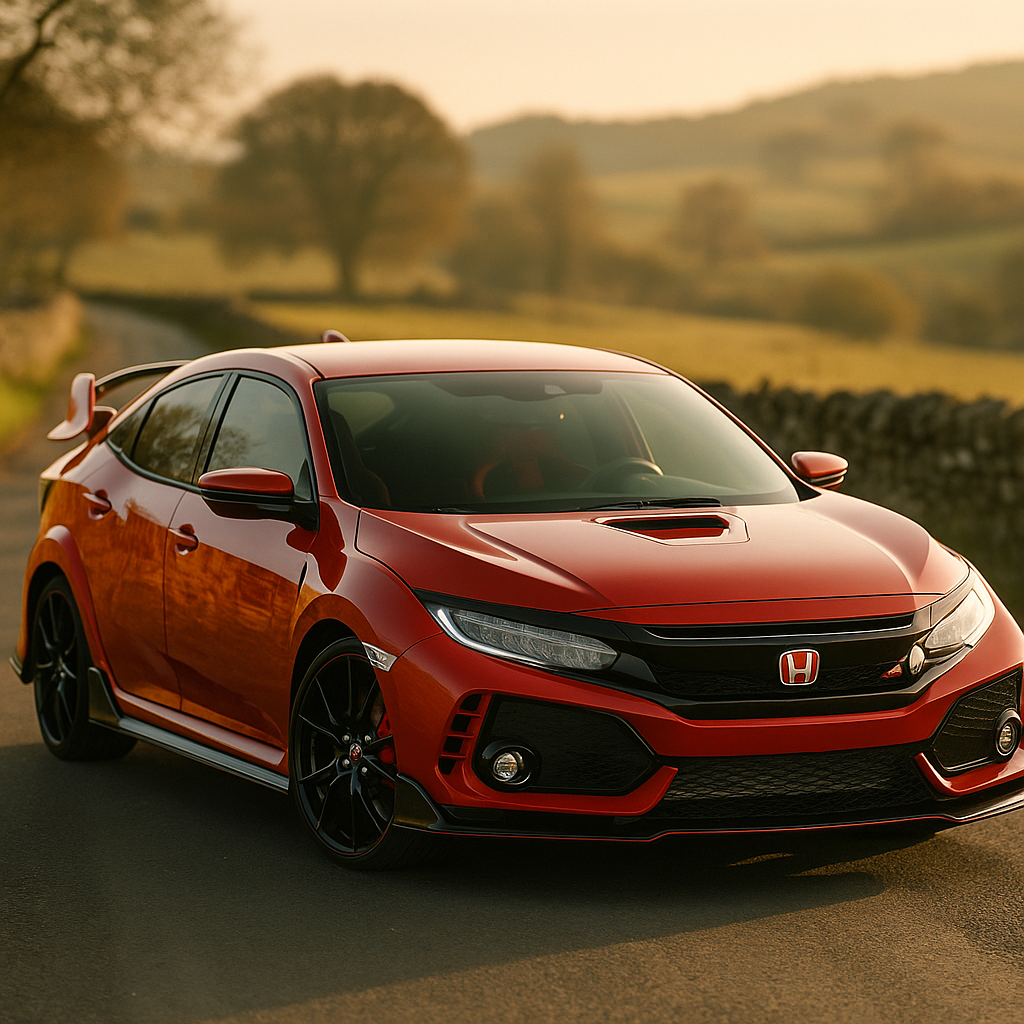
    The Civic Type R is the car that makes no compromises and somehow manages to be usable every day anyway. Its aerodynamic body is functional rather than decorative, generating genuine downforce. The front axle, with its helical limited-slip differential, gives you confidence to push harder and earlier than almost anything else in this class. The 330PS figure sounds serious because it is. This is a hot hatch that will genuinely unsettle much more expensive machinery on a circuit, and it does it without drama or fragility. Build quality is excellent, too.

    Hyundai i30 N Performance

    The i30 N continues to be one of the most underrated buys in the performance car world. Hyundai has refined the recipe over several generations and what you get now is a car with serious mechanical grip, a genuinely entertaining engine note, and handling that rewards learning. The N Grin Control system lets you adjust the car’s character from daily driver to full attack mode, which on a track day makes a genuine difference. At its price point, it remains one of the best value propositions among the best hot hatches 2026 has on sale.

    Ford Focus ST

    The Focus ST sits slightly below the full-fat RS territory but do not let that fool you. With 280PS, a Quaife mechanical limited-slip differential, and a chassis that feels genuinely connected to the road, it is one of the most fun cars to drive quickly on a budget. Ford’s handling engineers clearly spent time actually driving this thing, because it rewards commitment with confidence rather than punishing you for enthusiasm. It also looks properly purposeful without being shouty, which is a difficult balance to strike.

    What to Check Before Your First Track Day

    Buying a hot hatch is the beginning, not the end. Before you take any of these cars onto a circuit, brake fluid quality is your first priority, because standard DOT 4 fluid will fade badly under sustained heat. Tyre condition matters enormously; a fresh set of performance tyres transforms how a hot hatch behaves. And if you are planning to push hard regularly, it is worth consulting a chassis specialist early. Organisations like Forged Chassis, which work specifically with performance road cars and track builds, can advise on suspension alignment and component upgrades that make a real difference to how these cars behave at the limit.

    It is also worth checking our guide on how to prepare your car for a track day before you book your first session, and if you are debating which modifications are actually worth it, our piece on the best performance modifications covers the sensible upgrades that deliver real returns.

    The Bottom Line on the Best Hot Hatches 2026

    The hot hatch class in 2026 is stronger than it has been in years. Each of the cars on this list offers something slightly different but all of them deliver genuine driving thrills at a price that makes the performance per pound ratio look almost embarrassing compared to sports cars costing twice as much. Pick any one of them, learn its limits, and you will never be bored. The best hot hatches 2026 has produced are not compromises. They are the answer.

    Frequently Asked Questions

    What is the fastest hot hatch you can buy in 2026?

    The Honda Civic Type R is widely regarded as the quickest front-wheel-drive hot hatch available, with 330PS and sophisticated aerodynamics that translate to genuinely fast lap times. However, outright speed depends on context; the Megane RS Trophy often trades punches with the Civic on circuits due to its four-wheel steering system giving it a significant advantage through technical corners.

    Are hot hatches good for track days as standard?

    Most modern hot hatches are genuinely capable on track in standard form, but there are a few sensible upgrades to consider before your first session. Swapping to high-performance brake fluid, fitting fresh tyres with adequate tread depth, and checking alignment are the basics. Cars like the Golf GTI Clubsport and Civic Type R come with mechanical limited-slip differentials as standard, which makes them particularly rewarding on circuit.

    Which hot hatch is best for daily driving and track days?

    The Volkswagen Golf GTI Clubsport strikes the best balance between daily usability and track capability. It offers 300PS, a refined interior, comfortable ride settings for everyday use, and enough dynamic ability to satisfy experienced track day drivers. The Hyundai i30 N Performance is also an excellent dual-purpose choice thanks to its adjustable driving modes.

    How much does a hot hatch track day build cost?

    A basic track day preparation starting with fluid changes, pads, and alignment can cost as little as £300 to £600. A more serious setup including upgraded suspension, coilovers, and specialist geometry work can run from £2,000 upwards depending on the car and the level of performance you are chasing. The overall cost remains significantly lower than building a dedicated track car from scratch.

    Is it worth buying a hot hatch over a sports car for track use?

    For most drivers, yes. Hot hatches offer four seats, a usable boot, lower insurance premiums, and significantly cheaper running costs compared to sports cars. They also tend to have a stronger tuning and support ecosystem, with specialists experienced in extracting more performance. The performance gap between a well-sorted hot hatch and an entry-level sports car on track is often smaller than the price difference suggests.

  • The Best Tyres For Wet UK Roads Without Ruining Dry Grip

    The Best Tyres For Wet UK Roads Without Ruining Dry Grip

    If you live here, you already know the struggle of hunting for the best tyres for wet UK roads without turning your car into a squealy understeering mess the second the sun comes out. The good news: you can have wet grip, steering feel and weekend B-road fun – if you pick the right rubber.

    What actually makes the best tyres for wet UK roads?

    Forget the brochure chat about “advanced polymers” for a second. Wet grip comes down to a few key things: tread pattern that can shift water, a compound that stays soft in typical UK temperatures, and a carcass that does not flop over the moment you lean on it in a corner.

    Those big grooves and sipes are there to move water out of the way so the rubber can actually touch tarmac. Too few grooves and you aquaplane. Too many and the tread blocks squirm, which kills steering feel and adds noise. The sweet spot is a pattern that clears water but still has solid shoulder blocks, so you get bite on turn in.

    For our climate, the magic is in a compound that works properly between about 5 and 20 degrees. Most decent sporty road tyres now grip well in that range, but cheaper ones can go plasticky when it is cold and greasy, which is exactly when you need them to wake up, not check out.

    Summer tyres vs all season tyres in the UK drizzle

    So which are actually the best tyres for wet UK roads for most people: summer or all season? It depends how you drive and where you live.

    Summer tyres are still the best choice for keen drivers in most of the UK. A good summer tyre will give you strong wet braking, sharp steering and proper dry grip when the weather behaves. The trade off is that they do not like snow, and some budget options can be sketchy in very cold, damp conditions.

    All season tyres are like the Swiss Army knife of rubber. They are fine in the dry, good in the wet, and much better than summers if you get the odd snow day or live somewhere rural with untreated roads. The downside is slightly softer steering response and less ultimate grip if you like to lean on the car hard. Think confidence and convenience over lap times.

    If your car is your daily, you rarely see snow, and you enjoy a spirited drive now and then, a quality summer tyre is usually the better shout. If you are covering big miles, see mixed conditions, or just want one set to deal with everything, a premium all season can still be one of the best tyres for wet UK roads in real life.

    Track-leaning road tyres: hero grip or hydroplaning horror?

    Track-leaning road tyres – those semi-slick style jobs with chunky shoulders and fewer grooves – are tempting. They look fast standing still and feel mega on a dry day. But are they the best tyres for wet UK roads? Usually not.

    These tyres are designed to handle heat and high loads, not constant drizzle and motorway puddles. Many have less tread depth and fewer water channels, which means they can aquaplane sooner. On a damp but drying road they can be brilliant, giving you huge lateral grip and solid feedback. In heavy rain on the M1, they can feel nervous and sketchy.

    If your car is a weekend toy that sees the odd track day and you are happy to tiptoe when the heavens open, they can make sense. For a daily that spends its life in traffic and standing water, a more road-focused performance tyre is a much better balance.

    Tyre labels vs real world: what actually matters

    Those EU-style tyre labels look handy: a letter for wet grip, one for efficiency, and a noise rating. Helpful, but not the full story.

    Close-up of performance rubber gripping wet tarmac showing the best tyres for wet UK roads
    Modern saloon car on a rainy street highlighting tread patterns of the best tyres for wet UK roads

    Best tyres for wet UK roads FAQs

    Are summer tyres OK for UK winters with mostly rain and little snow?

    Yes, good quality summer tyres can work well in typical UK winters that are mostly wet and above freezing. They often give better steering feel and dry grip than all season tyres. However, if you regularly see snow, ice or very cold rural roads, a premium all season tyre will usually be safer and more predictable.

    How do I know if my tyres are good in the wet?

    Check the wet grip rating on the tyre label as a starting point, then look up independent tests and owner reviews for your tyre size and type of car. In daily driving, signs of good wet performance include strong, confident braking, stable behaviour in standing water and clear feedback through the steering when the road is greasy.

    Do wider tyres always grip better in the rain?

    Not always. Wider tyres can offer more dry grip, but they also have a larger contact patch to clear water, which can increase the risk of aquaplaning if the tread pattern and depth are not up to the job. For wet UK roads, the right tread design, compound and tyre quality matter more than simply going wider.

  • Modern 4×4 Upgrades That Actually Make Sense (And A Few That Don’t)

    Modern 4×4 Upgrades That Actually Make Sense (And A Few That Don’t)

    If you own a 4×4 and have not Googled modern 4×4 upgrades at 2am while adding £3,000 of gear to your basket you will never actually buy, are you even doing it right?

    The problem is, the world of mods is split into two camps: things that genuinely transform how your truck drives, and things that just transform how quickly your bank balance disappears. Let us separate the heroes from the hype.

    Modern 4×4 upgrades that really earn their keep

    1. Tyres: the upgrade that changes everything

    Not glamorous, but tyres are the difference between “confident” and “calling a mate with a tow strap”. A decent set of all-terrain tyres can improve grip on wet roads, give you more bite off road and sharpen up steering feel. Mud-terrains look hard, but unless you are living in a bog they are noisy, thirsty and overkill for most UK drivers.

    Think honestly about where you drive: 80 percent tarmac, 20 percent mud? Go all-terrain. Mostly green lanes and pay-and-play sites? Then maybe step up the aggression. Either way, tyres are one of the few modern 4×4 upgrades you will feel every single mile.

    2. Suspension that does more than just add height

    Everyone loves a lifted truck, but a sky-high 4×4 on cheap spacers handles like a drunk giraffe. A quality suspension kit with matched springs and dampers can improve ride comfort, body control and stability while giving you a sensible lift for bigger tyres.

    Look for kits that quote actual spring rates and intended use rather than “sick flex bro” in the description. A mild 25 to 40 mm lift with well-tuned dampers can make your 4×4 feel tighter on the road and more composed on rough tracks.

    3. Proper underbody protection

    If you are exploring more than the local Tesco car park, bash plates and rock sliders are worth their weight in scraped metal. Protecting the sump, gearbox and fuel tank means you can concentrate on your line instead of listening for the sound of financial ruin coming from underneath.

    Go for steel if you are into serious rock work, or alloy for lighter weight if you are more about green lanes and gravel tracks.

    Comfort and tech upgrades that do not ruin the vibe

    4. Modern lighting that is not a mobile lighthouse

    LED light bars are great, until you blind half of Yorkshire. A smart upgrade is a pair of quality auxiliary lamps properly aimed and wired with a relay. They transform night driving without turning you into that person everyone flashes.

    Inside, swapping tired halogen bulbs for warm white LEDs can make the cabin feel less like a 90s torch and more like a modern cockpit.

    5. Infotainment that does not look like an afterthought

    Apple CarPlay and Android Auto are the cheat codes for making an older 4×4 feel new. A good double-DIN head unit with steering wheel control integration and a reversing camera makes daily driving far less agricultural.

    Just avoid units with seizure-inducing graphics. Clean, OEM-style interfaces age better and make the cabin feel more premium than it actually is.

    4×4 upgrades that are mostly for the ‘Gram

    6. Roof racks with no actual purpose

    Full-length roof racks look tough, but if you are only using them to carry air and vibes, they are just drag and wind noise. If you regularly haul gear, brilliant. If not, consider a lighter low-profile rack or removable cross bars.

    7. Winches for people whose biggest recovery is a dropped phone

    Winches are incredible tools in the right hands, but they add weight, need maintaining and look sad when they have never seen a muddy rope. If you wheel hard, go for it. If your 4×4 is mostly on-road, a decent recovery kit and learning how to use it is a better first step.

    Choosing the right mix of modern 4×4 upgrades

    The sweet spot is a build that matches how you actually drive, not the expedition fantasy living rent free in your head. Start with tyres, suspension and protection, then add comfort and tech. Only after that should you worry about racks, snorkels and enough auxiliary lights to signal the ISS.

    4x4 interior with tech-focused modern 4x4 upgrades to the dashboard and infotainment
    Off road 4x4 using protection focused modern 4x4 upgrades while crossing rocky water

    Modern 4×4 upgrades FAQs

    What are the best first modern 4×4 upgrades for a daily driver?

    For a daily driven 4×4, start with tyres, suspension and basic underbody protection. Quality all-terrain tyres transform grip and comfort, a mild suspension upgrade improves stability without ruining ride quality, and bash plates protect expensive components from unexpected hits. These three upgrades make a noticeable difference every time you drive, on and off road.

    Do I need a lift kit for light off roading?

    You do not always need a full lift kit for light off roading. Many factory 4x4s can handle green lanes and mild trails with good tyres and careful driving. A small, well engineered lift can help with clearance and approach angles, but going too high can hurt handling and fuel economy. Focus on sensible modern 4×4 upgrades that match the terrain you actually drive on.

    Are cosmetic 4×4 mods worth the money?

    Cosmetic mods are worth it if they make you enjoy the vehicle more, but they should come after functional upgrades. Things like wheels, trim pieces and styling accessories can personalise your 4×4, but they rarely improve capability. Prioritise performance, safety and reliability first, then use cosmetic changes to finish the look once the important modern 4×4 upgrades are in place.

    Universal 4×4 products

  • Keeping Old Performance Cars Alive When OEM Parts Vanish

    Keeping Old Performance Cars Alive When OEM Parts Vanish

    If you are obsessed with keeping old performance cars alive, you already know the real boss fight is not rust or blown head gaskets – it is parts availability. Your ageing hot hatch, JDM hero or classic performance saloon is only one discontinued sensor away from becoming a very pretty garden ornament.

    Why keeping old performance cars alive starts with a plan

    Most people wait for something to break, then panic-Google part numbers at 1am. That is how you end up paying triple for a used coil pack that looks like it survived a house fire. Keeping old performance cars alive means flipping that script and going full nerd on preventative maintenance.

    Start with a brutally honest health check. Make a list of everything that moves, seals, spins, cools or sparks. Then split it into three columns: safety critical, likely to fail with age, and nice-to-have upgrades. Brakes, steering and suspension go in the first column. Rubber hoses, ignition bits and plastic cooling parts live in the second. Shiny exhausts and big brake kits can wait in column three.

    Once you have the list, set a yearly budget and chip away at it. You are not just fixing problems – you are buying time before the parts supply disappears completely.

    Preventative maintenance priorities for old performance cars

    Some components on older performance cars are basically ticking time bombs. Deal with them before they ruin your weekend or your engine.

    • Cooling system: Radiators, plastic expansion tanks, brittle hoses and tired thermostats are common failure points. Overheating can end an engine faster than you can say “warped head”.
    • Rubber and bushes: Engine mounts, suspension bushes and fuel hoses harden and crack with age. Replace them before they split or introduce weird handling.
    • Ignition and fuelling: Coil packs, HT leads, injectors and fuel pumps suffer with heat and time. Misfires are not just annoying – they can damage catalysts and engines.
    • Timing components: Belts, chains, tensioners and guides are non-negotiable. If there is any doubt, change them. If the engine is interference, treat it as urgent.
    • Corrosion hotspots: Brake lines, subframes and sills love to rust quietly. Sort minor corrosion before it becomes structural surgery.

    Focusing on these areas is the most cost effective route to keeping old performance cars alive without constantly living on a recovery truck.

    What to stockpile before the parts vanish

    Some bits will always be easy to get. Others are already rarer than an unmodified EP3. The trick is knowing what to hoard and what to buy as needed.

    Smart stockpile items

    • Service items: Oil filters, air filters, cabin filters and spark plugs are cheap, small and always useful.
    • Known weak points: If your model is famous for a failing crank sensor, window regulator or coil pack, buy a spare while they are still available.
    • Plastic trim and clips: Interior clips, bumper brackets and obscure little grommets quietly go discontinued. A small box of these can save a big headache later.
    • Rubber seals: Door, boot and window seals stop water leaks and wind noise. Once they are gone, they are gone.
    • Unique model-specific parts: Anything that only fits your niche performance variant is worth grabbing when you see it at a sensible price.

    Do not hoard everything like a doomsday prepper. Focus on the bits that are small, affordable and likely to vanish, and you will make real progress in keeping old performance cars alive without filling the loft with bumpers.

    Aftermarket vs OEM – when it is fine and when it is risky

    With OEM parts drying up, you will eventually face the big question: is aftermarket good enough, or is it a terrible idea wrapped in shiny packaging?

    Selection of spare parts and tools on a workbench used for keeping old performance cars alive
    Mechanic inspecting the underside of a classic saloon as part of keeping old performance cars alive

    Keeping old performance cars alive FAQs

    How do I start keeping old performance cars alive on a tight budget?

    Begin with a realistic plan and focus on safety critical items first, such as brakes, tyres, suspension and steering components. Next, tackle age related failures like rubber hoses, bushes and cooling system parts. Spread the work over the year, doing one small job at a time, and keep an eye out for genuine parts deals or used spares in good condition from trusted enthusiasts rather than panic buying when something breaks.

    Is it worth stockpiling parts for my ageing hot hatch or JDM car?

    Yes, but be strategic. Stockpile small, affordable items that are likely to go discontinued, such as sensors, rubber seals, clips, service items and known weak points for your specific model. Avoid hoarding huge panels or random parts you will probably never need. A well chosen box of spares can make keeping old performance cars alive far easier and save you from overpaying in a crisis.

    Are aftermarket parts safe for older performance cars?

    Aftermarket parts can be absolutely fine if you choose reputable brands and use them in the right areas. Suspension, exhausts and brake upgrades are often improvements over tired factory components. However, for critical items like engine internals, sensors, safety systems and complex electronics, it is usually safer to stick with OEM or proven high quality equivalents, even if they cost more.

  • From Stick Shift To Slushbox: A Manual Lover’s Guide To Modern Automatics

    From Stick Shift To Slushbox: A Manual Lover’s Guide To Modern Automatics

    If you worship the clutch pedal but keep eyeing up cars with modern automatics, you are not a traitor to the cause. You are just curious. And honestly, modern automatics have come a long way from the lazy slushboxes your grandad wheeled to the garden centre.

    What actually counts as modern automatics?

    Before you panic about losing your soul, know your enemy. When people talk about modern automatics, they usually mean one of four main types:

    • Traditional torque converter auto – Smooth, relaxed, great in traffic. Think comfy cruiser.
    • Dual clutch (DCT/DSG) – Two clutches, lightning shifts, can feel like a race car when it behaves.
    • Automated manual / single clutch – Basically a manual with a robot doing the pedal work. Can be jerky, but some older performance cars use them.
    • CVT (continuously variable) – No fixed gears, just vibes. Efficient, but the “elastic band” feel is not for everyone.

    Each one trades a bit of old school involvement for convenience, speed or fuel economy in a different way.

    How the feel compares to a manual

    The biggest shock moving from a manual is losing that mechanical connection through the clutch and gear lever. You go from doing the shift to requesting it.

    Torque converter autos are the chill ones. They pull away smoothly, soak up low speed clunks and generally feel relaxed. Great for daily use, less great if you like feeling every nuance of the drivetrain.

    Dual clutch gearboxes are the show-offs. In sportier cars they snap through gears like you are in a video game. On full chat they can honestly feel more aggressive than a human-shifted manual. The trade-off is that at crawling speeds they can feel a bit hesitant or snatchy, like a learner driver trying not to stall.

    Automated manuals give you the most “manual-ish” sensation, because under the skin that is basically what they are. On the move they can be engaging, but low speed shifts can be clunky and slow if the software is not on your side.

    CVTs are the weird cousins. Put your foot down and the revs jump up and just sit there while the car accelerates. It is efficient and smooth, but if you love the rising and falling of revs with each gear, it can feel emotionally flat.

    Are modern automatics reliable?

    Reliability is less about modern automatics being “bad” and more about them being complex. There is a lot going on: mechatronics, clutches, fancy fluids and software that all need to play nicely.

    Torque converter autos are generally tough, especially if the fluid is changed when it should be. Ignore servicing and they can get lazy, slip or shift badly.

    Dual clutch units can be brilliant but fussy. They love fresh fluid and hate abusive stop start traffic with hard launches. Treat them like a race start machine at every junction and do not be surprised if it bites back.

    Automated manuals tend to be strong mechanically but can suffer from actuator or clutch wear if they are constantly slipped in traffic.

    CVTs are often reliable if left stock and serviced, but they are not big fans of heavy tuning or constant towing.

    Life in traffic: bliss or boring?

    Here is where modern automatics absolutely destroy manuals: traffic. Your left leg retires, your right arm gets a holiday and you can creep along sipping coffee instead of riding the clutch and questioning your life choices.

    Torque converters are the smoothest here. Just ease off the brake and they glide. Dual clutch and automated manuals can feel a little more “digital” at very low speeds, but modern tuning has made them far better than the early days. CVTs simply hum along, which can be oddly relaxing.

    If your commute is mostly jams and roundabouts, an auto will make your daily grind less grindy, even if it steals a bit of your purist pride.

    Twisty roads: can these solutions still be fun?

    This is the real fear: will B-road blasts still feel special? The answer depends on how you use the gearbox. Most these solutions have modes and paddles for a reason, and this is where you make them earn their keep.

    Close-up of paddle shifters and gear selector in a car with modern automatics
    Relaxed driver in city traffic benefiting from modern automatics

    Modern automatics FAQs

    Are modern automatics quicker than manuals?

    In many performance cars, modern automatics are actually quicker than manuals. Dual clutch and fast torque converter gearboxes can shift in fractions of a second, far faster than a human can manage with a clutch pedal. That means better acceleration and more consistent launches, even if the driving experience feels a bit less old school.

    Will modern automatics make me a lazy driver?

    They can if you leave them in full auto all the time, but they do not have to. Using manual mode and paddles keeps you involved in choosing gears and timing shifts, while still giving you the benefit of quick, precise changes. You can still be an engaged driver, you just interact with the car differently.

    Which type of modern automatics is best for enthusiastic driving?

    For most enthusiasts, a good dual clutch gearbox or a well tuned torque converter automatic in sport mode offers the best balance. Dual clutches give you super fast, crisp shifts and work brilliantly with paddles, while newer torque converters can be surprisingly sharp and more relaxed in traffic. The key is trying the specific car on a test drive to see how its gearbox feels in manual mode on the road you actually drive.

  • Is Your Van an Easy Target? The Rise of Tool Theft and How To Fight Back

    Is Your Van an Easy Target? The Rise of Tool Theft and How To Fight Back

    If you use your van to earn a living, van tool theft prevention is not just a nice idea – it is the difference between a normal Tuesday and explaining to customers why you will not be turning up for the next two weeks.

    Why van tool theft is exploding

    Modern vans are nicer to drive, safer in a crash and packed with tech, but thieves have levelled up too. They are not just smashing windows and hoping for the best – they know weak spots, common lock types and which vans are usually stuffed with expensive kit.

    Three big reasons tool theft is booming:

    • Power tools are easy to sell on – no logbook, no paperwork.
    • Many vans still have basic factory locks and no extra security.
    • Busy trades park on streets and driveways overnight, often loaded.

    The result is a perfect storm: high value inside, low effort outside. Your job is to flip that equation so your van looks like too much hassle.

    Van tool theft prevention basics that actually work

    Good van tool theft prevention is about layers. One single gadget will not save you, but a few smart changes together can turn your van into the least appealing target on the street.

    1. Make your parking work harder

    Where you park is your first line of defence. If possible, reverse up to a wall or garage door so rear doors cannot be opened. Park under a street light or in sight of a window. On site, try to park with other vans in a cluster – thieves hate an audience.

    2. Empty the van when you can

    Yes, after a 12 hour shift the last thing you want is to unload everything. But nothing beats not leaving tools in the van overnight. If that is impossible, at least remove the most expensive or specialist kit, and use a lockable tool chest bolted to the floor for what stays inside.

    3. Upgrade locks and deadlocks

    Factory locks are designed for convenience, not hardcore security. Additional deadlocks and hook locks on side and rear doors make forced entry much harder and a lot noisier. A thief with a quiet, easy target two spaces away is not going to waste time wrestling with reinforced doors.

    Smart tech to protect your van and tools

    Old school security still matters, but there is some clever tech that can seriously boost your van tool theft prevention game.

    Alarm and immobiliser upgrades

    A loud, sensitive alarm is still one of the best deterrents. Pair that with a decent immobiliser so even if someone gets in, they cannot just drive away. Many modern systems also link to your phone so you get instant alerts if something is going on.

    Tracking and location alerts

    GPS trackers used to be a luxury. Now they are cheap, tiny and easy to hide. A tracker will not stop a break in, but if your van is taken you have a fighting chance of getting it back quickly. Some systems let you set geofences so you get a ping if the van moves when it should not.

    Dash cams and cameras

    Visible cameras are a big psychological deterrent. A decent dash cam with parking mode, or a small external camera covering the side and rear, can be enough to make a thief move on to something less risky.

    Hardening your van without ruining the vibe

    Security does not have to make your van look like a prison van. There are tidy, colour coded deadlocks, neat internal tool safes and subtle cameras that keep things looking pro, not paranoid.

    If you run a popular workhorse like a Transit, you can even look at specialist upgrade packages such as Ford Transit Security options that bundle locks, alarms and extra protection in one go. Similar kits exist for other big selling vans too.

    Whatever you drive, the principle is the same: make it noisy, make it awkward and make it traceable. Thieves want quiet, quick and invisible – give them the exact opposite.

    Tradesperson moving equipment from a van into a secure box as part of van tool theft prevention
    Interior view of a van with a bolted tool safe and extra locks for van tool theft prevention

    Van tool theft prevention FAQs

    What is the most effective van tool theft prevention step I can take?

    The single most effective step is not leaving tools in the van overnight wherever possible. Emptying the van removes the prize thieves are after. If that is not realistic, combine a bolted down lockable tool safe with upgraded deadlocks and an alarm system for layered protection.

    Are factory fitted locks enough for van tool theft prevention?

    Factory fitted locks are designed mainly for everyday convenience, not serious protection against determined thieves. For better van tool theft prevention, additional deadlocks or hook locks on side and rear doors are strongly recommended, as they make forced entry much harder and noisier.

    Do GPS trackers really help with van tool theft prevention?

    A GPS tracker will not physically stop a break in, but it is very useful if your van is stolen. You can share live location data with the police, which greatly improves the chances of recovering the van and potentially your tools. As part of a layered van tool theft prevention strategy, a tracker is a smart, relatively low cost upgrade.

  • Used Car Parts: Smart Ways To Save Money Without Driving Junk

    Used Car Parts: Smart Ways To Save Money Without Driving Junk

    If you are not looking at used car parts when something breaks, you are basically tipping your wallet straight into a dealership coffee fund. Done right, buying pre-loved bits can save serious cash without turning your pride and joy into a scrapyard science experiment.

    Why used car parts are not just for bangers

    There is a myth that used car parts are only for 20-year-old hatchbacks with three previous owners and a mysterious smell. In reality, plenty of modern cars are running around with recycled panels, engines and electronics – and you would never know.

    Cars depreciate faster than your patience in a motorway traffic jam, but metal and mechanical parts do not suddenly become useless when a car is written off. Often the shell is gone, but the heart, lungs and suspension are still perfectly healthy. That is where smart owners swoop in.

    If you are running something a bit spicy or rare, used parts can be the difference between keeping it on the road or turning it into a very pretty driveway ornament. Even on everyday cars, the saving compared with brand new parts can be the cost of a decent weekend away.

    Best used car parts to buy without losing sleep

    Not all used car parts are created equal. Some are safe bets, others are about as wise as buying sushi from a petrol station at midnight. Here is where buying used usually makes sense:

    • Body panels and trim – Wings, bumpers, mirrors, interior trim and dashboards are ideal used buys. If they are not rusty, cracked or warped, they are usually fine.
    • Alloys and wheels – As long as they are not bent, cracked or welded like a GCSE project, used alloys can be a huge saving over new.
    • Lights and clusters – Headlights and tail lights are perfect second-hand, especially LED units that cost a kidney new. Just check for moisture and broken mounts.
    • Engines and gearboxes – Big ticket items, but worth it if you get proof of mileage, service history and ideally a warranty from a reputable breaker.
    • Interior bits – Seats, steering wheels, switchgear and consoles are usually fine used, provided airbags and pretensioners have not deployed.

    Used car parts you should be cautious about

    There are also parts where saving a few quid is not worth the potential drama.

    • Brakes – Discs and pads are cheap enough new that used ones are rarely worth it. Calipers can be OK if they are refurbished properly.
    • Suspension consumables – Springs and shocks wear out, and rubber bushes age even if the car is barely driven. Fresh parts here can transform how your car feels.
    • Safety systems – Airbags, seat belts and crash sensors are not where you experiment. If they have deployed or look suspect, walk away.
    • Cheap electronics – Random used sensors with no testing are a gamble. Buy tested units or new aftermarket instead.

    How to spot quality used car parts

    Whether you are browsing online or wandering round a breaker yard like a kid in a sweet shop, a bit of detective work goes a long way.

    • Check the part numbers – Do not guess. Match part numbers with your original where possible, especially on electronics and engine components.
    • Look for signs of bodging – Overspray, random welds, stripped bolts and mystery sealant are all red flags.
    • Ask about the donor car – Was it a low mileage write off from a rear impact, or a high mileage taxi that died of exhaustion?
    • Warranty or guarantee – Even a short start up warranty is better than nothing, especially for engines, gearboxes and ECUs.

    Specialist breakers that focus on particular brands or models often know their stuff and can advise what typically fails or what upgrades will fit. That is where a place like Mitzybitz can be handy if you are into specific marques and want something better than a lucky dip.

    Fitting these solutions the smart way

    Once you have scored your bargain, you still need to get it on the car without turning the driveway into a long term project.

    Organised warehouse shelves filled with labelled used car parts
    Car enthusiast choosing used car parts from vehicles in a breaker yard

    Used car parts FAQs

    Are used car parts safe to use?

    Used car parts are generally safe if you choose the right components and buy from a reputable source. Structural items like body panels, interior trim, lights, wheels and even major components such as engines and gearboxes can be perfectly safe when properly inspected and, ideally, supplied with some form of warranty. Avoid cutting corners on safety critical parts like airbags, seat belts and heavily worn brakes, and always have important components fitted or checked by a competent mechanic.

    What used car parts should I avoid buying second hand?

    It is usually best to avoid heavily worn consumables such as brake pads and discs, tired suspension components, old rubber bushes and any safety system that has been triggered, like airbags or pre tensioners. Random untested sensors and electronics can also be a false economy. Focus instead on solid items like bodywork, interior pieces, lights, alloy wheels and verified mechanical components that come with clear part numbers and some history.

    How can I check if used car parts will fit my car?

    To check fitment, start by matching the part number on your original component with the number on the used item. Many online catalogues and breaker listings allow you to search by registration or VIN to confirm compatibility. You can also compare photos closely and ask the seller to confirm the donor vehicle’s make, model, engine and year. When in doubt, speak to a specialist breaker or a trusted mechanic before buying so you avoid ending up with something that almost fits but not quite.

  • What Is Constant Curve Damping (CCD) And Why Petrolheads Should Care

    What Is Constant Curve Damping (CCD) And Why Petrolheads Should Care

    If you have ever nailed a B-road, felt the car do a weird floaty bounce and thought, “that did not feel confidence-inspiring”, then you are exactly the sort of person who needs to know about constant curve damping.

    What is constant curve damping in simple terms?

    Think of your shock absorbers as bouncers at a nightclub. Too soft and everyone piles in, chaos. Too stiff and nobody gets through the door. Constant curve damping is like giving those bouncers a clear rulebook so they react smoothly and predictably, instead of randomly rugby tackling people at the worst possible moment.

    More technically, constant curve damping is a way of tuning dampers so the relationship between wheel movement and damping force follows a smooth, consistent curve. Instead of the car feeling soft, then suddenly rock hard, the force builds in a controlled way. The end result is a car that reacts more predictably when you brake hard, turn in, hit bumps or all three at once because obviously that is when the pothole appears.

    How constant curve damping actually works

    Inside a damper you have oil being forced through valves and passages. Old school, you picked a compromise: comfy or sporty, and lived with it. With constant curve damping, the internal valves are designed or actively controlled so that the damping force increases in a smooth, pre-planned curve as the damper speed increases.

    On some systems that curve is set mechanically using clever valve stacks and shims. On more advanced setups, the curve can be tweaked electronically hundreds of times per second, reacting to sensors reading steering angle, body movement, throttle position and braking. The clever bit is not just being adjustable, but staying on that ideal curve rather than jumping around between soft and stiff like a learner in a car park.

    Why constant curve damping matters for real-world driving

    All this talk of curves and valves is nice, but what does it actually feel like when you are behind the wheel? In a word: confidence. these solutions gives you a car that tells you what it is doing instead of surprising you halfway round a roundabout.

    You get less nose dive under hard braking, less wallow when you change lanes at speed and fewer moments where the back end does a little shimmy over mid-corner bumps. The tyres stay in better contact with the road, which means more grip and more consistent feedback through the steering wheel and your backside. That means you can push a bit harder, a bit earlier, without feeling like you are rolling the dice every time you turn in.

    these solutions vs normal suspension

    On a basic suspension setup, the damping can feel fine in one situation and terrible in another. Hit a sharp bump and it might crash. Lean into a long bend and it might feel vague. these solutions aims to iron out those mood swings.

    Compared with a typical fixed damper, a well tuned these solutions system should:

    • Soak up small bumps without feeling floaty
    • Control big body movements like braking and turn in
    • Stay consistent as speeds increase
    • Feel the same on a smooth A-road as it does over patched up tarmac

    It is not magic and it will not turn a shopping trolley into a track weapon, but it can make a good chassis feel properly sorted.

    Is these solutions just for posh cars?

    Right now you are more likely to find these solutions style systems on performance models, hot hatches, premium saloons and SUVs that want to pretend they are sports cars. But like most clever tech, it tends to trickle down. Remember when adaptive dampers were rare and now they are popping up all over the place? Expect more mid-range cars to quietly adopt similar approaches as manufacturers chase comfort, safety and efficiency all at once.

    For enthusiasts, that is no bad thing. It means you can daily something that is civilised in town yet still feels up for it when the road opens up, without having to live with crashy coilovers or a spine made of rubber.

    Mechanic inspecting a modern damper system designed with constant curve damping in mind
    Sporty saloon gliding smoothly over rough roads thanks to constant curve damping suspension

    Constant curve damping FAQs

    Is constant curve damping the same as adaptive suspension?

    Not exactly. Adaptive suspension usually means the dampers can change stiffness electronically, often between driving modes like Comfort and Sport. Constant curve damping is about how the damping force builds in a smooth, predictable way as the damper moves. Some adaptive systems are designed to follow a constant curve damping philosophy, but the terms are not interchangeable.

    Does constant curve damping make a car more comfortable or just sportier?

    Done well, constant curve damping improves both comfort and control. By keeping the damping force on a smooth curve, the car can absorb small bumps without feeling floaty, while still keeping body movements in check when you brake or corner hard. The result is a car that rides better in everyday use yet feels more composed when you drive enthusiastically.

    Can you retrofit constant curve damping to an older car?

    You cannot simply bolt on a box labelled constant curve damping and call it a day, but you can fit high quality dampers that are designed with similar principles in mind. Many performance damper manufacturers talk about linear or digressive damping curves, which are related ideas. For full blown electronically controlled systems, you would usually need a car designed to work with that hardware from the factory.

  • Are Self Healing Car Wraps The Future Of Daily Driven Builds?

    Are Self Healing Car Wraps The Future Of Daily Driven Builds?

    If you are the sort of person who parks at the far end of Tesco car park to avoid door dings, self healing car wraps might sound like witchcraft. Imagine a wrap that quietly erases light scratches every time the sun comes out. No magic, just clever chemistry – and a lot of relief for anxious car nerds.

    What are self healing car wraps?

    Self healing car wraps are high end vinyl or polyurethane films with an elastic clearcoat layer that can literally flow back into shape when it is warmed up. Tiny swirls and light scratches soften, the surface levels out, and your paint or wrap looks fresh again. Think of it as memory foam for your bodywork, except it hates swirl marks instead of bad backs.

    They are usually based on thermoplastic polyurethane (TPU), similar to modern paint protection film, but tuned for better flexibility and optical clarity. The clever part is the top layer, which is designed to move at a microscopic level when heated by sunlight, hot water, or a heat gun.

    How do self healing car wraps actually work?

    Under a microscope, the clearcoat on self healing car wraps looks like a tangled net of polymers. When the surface is scratched, those chains are stretched and displaced. Apply heat and they relax back into their original position, pulling the scratch with them. No filling, no polishing, just a surface that re-arranges itself.

    There are two main types: heat activated films that need warm water or a bit of hot air, and ambient self healers that slowly fix fine marks at normal temperatures. The second type is still rarer and pricier, but very appealing if your car lives outside and you are allergic to swirl marks.

    Self healing wraps vs traditional wraps and PPF

    Standard vinyl wraps look cool, but they are basically fashion with no self defence. Once they are scratched, you are cutting and re-doing panels. Classic paint protection film (PPF) is tougher, but can look a bit plasticky if you go cheap, and older films yellow or peel if abused.

    Self healing car wraps sit in a sweet spot. You get the visual drama of a wrap, the defence of PPF, and scratch resistance that resets itself. For daily driven performance cars, that is a big deal. You can still combine them with products like ceramic coatings for extra slickness and easier washing, but the heavy lifting against chips and scuffs comes from the film itself.

    Real world pros and cons for daily drivers

    On the plus side, you get rock chip resistance, fewer swirl marks, easier winter washing, and the freedom to choose wild colours or stealthy satin finishes without repainting. If you are commuting in something you actually care about, that peace of mind is worth a lot.

    On the downside, quality self healing car wraps are not cheap, and installation is absolutely not a DIY Saturday in the garage. Edges, sensors and complex bumpers all need a skilled fitter. Deep gouges will still cut the film, and you will need panel replacements if someone keys the car with real commitment.

    Are self healing wraps worth it for UK owners?

    In the UK, where roads are basically gravel cannons and car parks are full contact sports, these solutions start to make serious sense. Daily drivers, hot hatches and fast estates benefit most, because they see the worst of motorway rash and trolley kisses.

    If you are running something special – think RS, M, AMG or a nicely sorted project build – a wrap that quietly fixes itself every time the sun peeks out between rain clouds is a strong long term play. When it is time to sell, you peel the film and reveal paint that has been living in a five star hotel.

    Detailer installing clear film on a sports car bonnet with self healing car wraps technology
    Performance saloon under streetlights protected by self healing car wraps

    Self healing car wraps FAQs

    How long do self healing car wraps typically last?

    Most quality self healing car wraps are rated for around 5 to 7 years of real world use, depending on mileage, washing habits, and how much UV exposure the car gets. Garaged cars that are washed properly and not hammered by motorway grit can easily see the upper end of that range, while high mileage daily drivers may see cosmetic wear a bit sooner. The self healing effect tends to be strongest in the first few years, then gradually softens rather than suddenly stopping.

    Can self healing car wraps fix deep scratches or stone chips?

    Self healing car wraps are great for light swirls, fine scratches and minor scuffs, but they are not magic against deep damage. If a scratch cuts through the top layer or a stone chip actually tears the film, the self healing chemistry cannot pull the gap back together. In those cases, you are looking at a local panel replacement. The good news is that the film usually takes the hit instead of your paint, so the repair is still far cheaper and easier than bodywork.

    Are self healing car wraps safe to wash with pressure washers?

    Yes, you can safely use a pressure washer on self healing car wraps as long as you are sensible. Keep the nozzle a safe distance away, avoid blasting directly at panel edges, and use a gentle, pH balanced shampoo. The film is designed to handle normal washing and motorway rain, but aggressive, close range jet washing at edges can lift or damage the wrap over time. A proper pre wash and contact wash routine will keep the surface looking fresh and help the self healing layer do its job.