
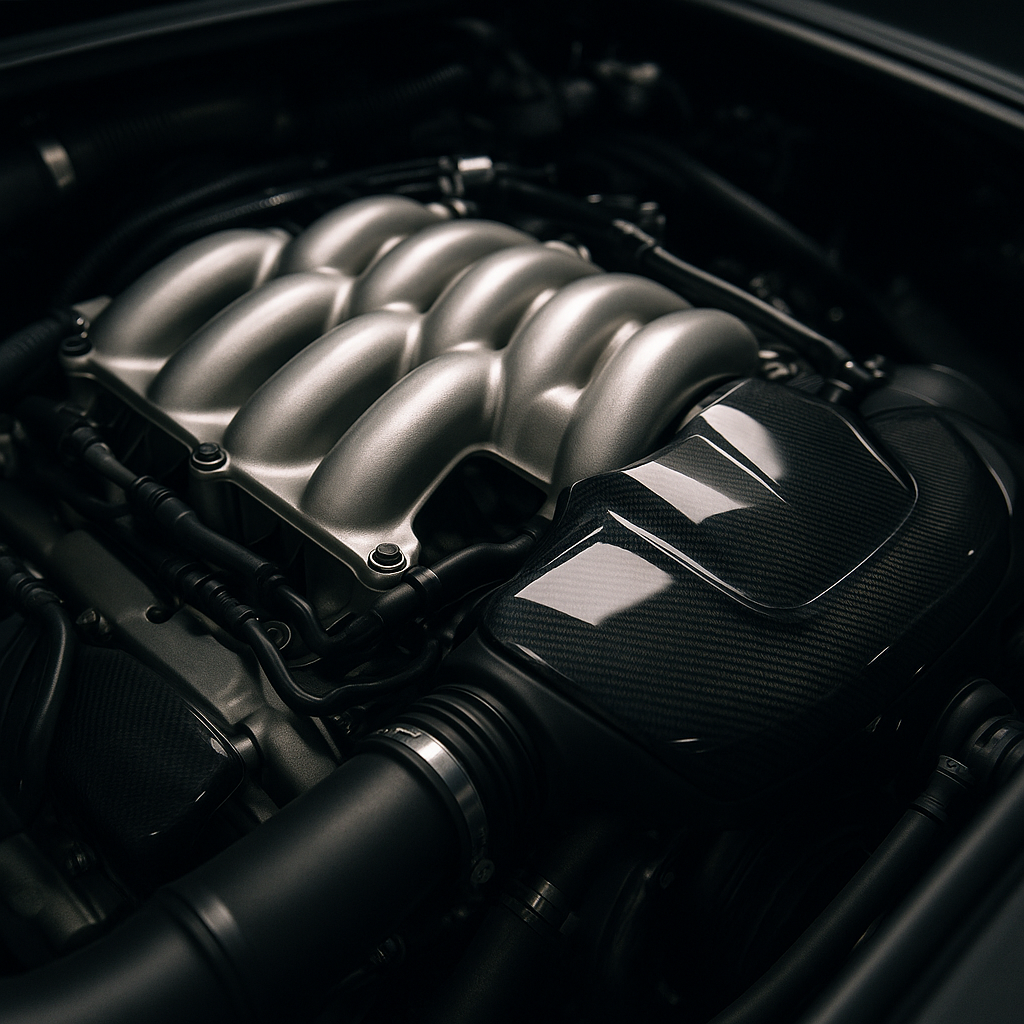
There’s a quiet gold rush happening in UK car parks, lock-ups, and damp garages up and down the country. As the government’s EV push intensifies and zero-emission zones start sprawling across major cities, something unexpected is going on with petrol collector cars: people want them more than ever. Classic economics, really. When something becomes genuinely rare, it becomes genuinely desirable. And nothing says rare quite like a naturally aspirated V8 in a world increasingly full of silent electric crossovers.
This isn’t just nostalgia talking. Values on certain ICE models have started creeping up in a way that looks less like coincidence and more like a pattern. The smart money is already moving. The question is whether you’re in on it yet.
Why Petrol Cars Are Suddenly Worth Collecting
The UK government’s Zero Emission Vehicle mandate is tightening every year, and the phasing out of new petrol car sales (now pushed to 2035) has created a very specific kind of urgency among enthusiasts. Every year that passes is another year closer to these cars being a finite, non-replenishable resource. Production lines will stop. Replacement parts will dry up. The culture around ICE motoring will become niche in the same way vinyl records did, and we all know what happened to vinyl prices.
Hedge fund managers aren’t the only ones noticing. Car auction houses like Historics and H&H Classics have reported notable upticks in interest around late-model performance petrol cars, particularly anything with character, provenance, or a famous badge. The window to buy before values properly surge is real, and it’s closing.
The Petrol Collector Cars Worth Buying Right Now
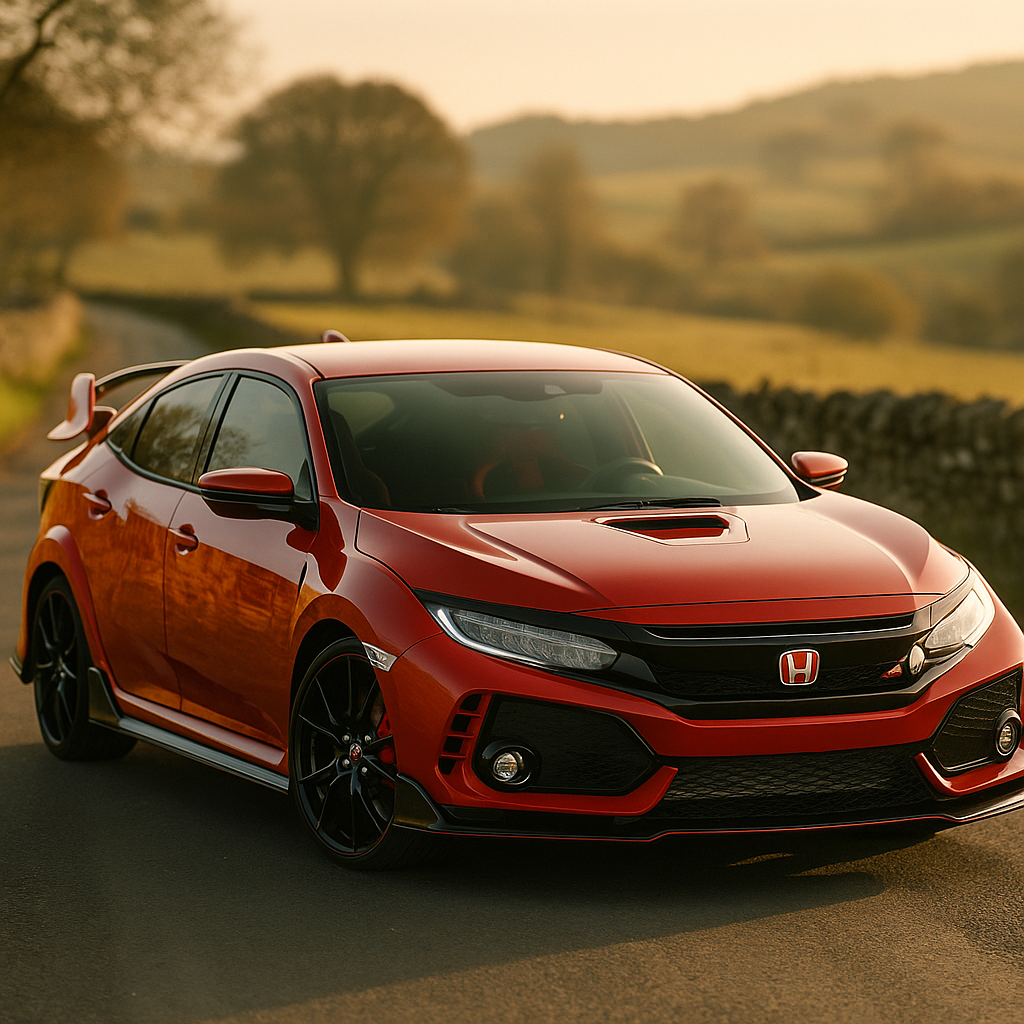
Honda Civic Type R (FK8, 2017-2022)
Already a modern legend. The FK8 Type R was the darling of the hot hatch world and it’s ageing into iconic status faster than almost anything else in its class. Prices have already started rising on clean, low-mileage examples. Find one with a full service history, leave it mostly standard, and you’re sitting on something that’ll only get more interesting over time. These are the Mk2 Golf GTIs of the 2030s. Seriously.
Porsche 718 Cayman GTS 4.0 (Manual)
Porsche made a brave call putting a naturally aspirated flat-six back in the 718 after years of turbo-only options, and enthusiasts absolutely lost their minds for it in the best possible way. The manual gearbox version of the GTS 4.0 is, quite simply, one of the finest driver’s cars ever made. Residuals are holding strong, but they haven’t gone stratospheric yet. They will. Get in now if budget allows.
Ford Focus RS (Mk3, 2016-2018)
Ford has confirmed the Focus RS is dead as a nameplate. That makes every existing Mk3 a piece of automotive history. The Drift Mode alone is enough to guarantee cult status. Prices on well-maintained examples are climbing, and there aren’t enough clean ones left. Any survivor with sensible mileage is worth snapping up. Just budget for upkeep because these aren’t cheap to maintain properly.
Toyota GR86 (First Generation, 2012-2021)
The original GT86 (and its Subaru BRZ sibling) represented something rare: a manufacturer actually building a lightweight, rear-wheel-drive sports car for the joy of it rather than the spec sheet. Values dipped for a while as the new GR86 arrived, but first-gen prices are quietly firming back up. Low-mileage, unmodified examples are already getting hard to find. The original always becomes the collectible. Buy the original.
Mitsubishi Lancer Evolution X
Mitsubishi walked away from performance cars, full stop. That means the Evo X is the last of a dynasty that defined rally-bred performance for a generation. Parts support is tightening, which actually makes values rise on the good ones. If you’re tracking down spares for a project Evo or even looking into what’s available for related Mitsubishi performance hardware, you’ll find yourself hunting for everything from turbos to suspension components. The same applies if you’re keeping an older 4WD Mitsubishi alive, like sourcing pajero parts for an off-road build. Enthusiast parts knowledge runs deep in this community.
BMW M3 Competition (G80, Manual)
Yes, the current M3. Specifically the rare manual transmission version. BMW is already signalling that the M3’s next generation will likely go fully electric or hybrid. The G80 manual might be the last traditional M3 you can buy new. It already isn’t selling in huge numbers in manual spec because most buyers tick the automatic box, which perversely makes the manual more collectible. Future classic written all over it.
What Makes a Petrol Car Collectible, Exactly?
Not every petrol car is going to become a gold bar in your garage. The models most likely to appreciate share a few common traits: limited production numbers, a driving experience that’s genuinely hard to replicate electrically, a strong enthusiast community, and some kind of cultural or motorsport significance. A mid-spec family saloon isn’t going to double in value because it has a petrol engine. But a naturally aspirated manual sports car with a badge that means something? That’s a different story entirely.
Condition matters enormously too. Original paint, matching numbers, full service history, and minimal modifications dramatically affect long-term value. The UK weather doesn’t help here, and rust is the eternal enemy. A car stored well in a dry garage is worth meaningfully more than the same model that’s spent its winters on salted roads.
The Bigger Picture for UK Petrol Enthusiasts
There’s something genuinely poignant about all of this. The internal combustion engine, for all its flaws, represents over a century of mechanical ingenuity, motorsport culture, and pure driving joy. The smell of hot oil, the crack of an exhaust on a cold morning, the feel of a gear change timed perfectly through a corner: none of that translates into an EV, however good the instant torque feels.
Collecting petrol collector cars right now isn’t just a financial play, though the financial case is solid. It’s also a way of preserving a culture. The best time to buy any of the cars mentioned above was three years ago. The second best time is right now, before the rest of the market catches up with what enthusiasts already know.
If you want to read more about the evolving world of performance cars, check out our guides on buying a used performance car in the UK and the best affordable hot hatches for track days. The internal combustion engine isn’t dead. It’s just becoming something more precious.
Frequently Asked Questions
Which petrol cars are most likely to increase in value in the UK?
Models with limited production runs, strong enthusiast communities, and genuine driving character tend to appreciate most. Examples include the Honda Civic Type R FK8, Porsche 718 GTS 4.0 manual, and Ford Focus RS Mk3. Low mileage and original condition are critical factors.
Is it worth buying a petrol car as an investment in 2026?
For the right models, yes. As the UK transitions toward EVs and petrol production phases out, genuinely special ICE cars are becoming a finite resource. However, buying purely for investment is risky; buy cars you’d also enjoy owning and running.
Will petrol cars be banned in the UK?
The UK government has set 2035 as the deadline for ending new petrol and diesel car sales, though existing petrol cars will remain legal to own and drive indefinitely after that date. This is precisely what’s driving collector interest in desirable ICE models.
How should I store a petrol collector car to preserve its value?
Keep the car in a dry, ventilated garage to prevent rust and damp damage, which are the biggest threats to UK-stored vehicles. Use a breathable car cover, maintain tyre pressure, and start the engine periodically to keep seals and fluids in good condition.
Does modifying a petrol car hurt its collector value?
Generally, yes. Standard, unmodified examples with original parts command significantly higher values among serious collectors. If you want to modify for fun, keep all the original parts so the car can be returned to stock if needed.