Author: Ethan Miller

  • The Truth About Buying a Grey Import Performance Car in the UK: Bargain or Bureaucratic Nightmare?

    The Truth About Buying a Grey Import Performance Car in the UK: Bargain or Bureaucratic Nightmare?

    There’s a particular kind of car madness that hits you when you’re scrolling through Japanese auction listings at midnight, convincing yourself that a 400bhp Nissan Skyline GT-R for £18,000 is a completely rational life decision. Grey import performance cars are genuinely compelling. Rare, often significantly cheaper than equivalent UK-spec machinery, and dripping with the sort of character you won’t find on any Swindon forecourt. But the path from auction sheet to your driveway is littered with bureaucratic potholes, insurance headaches, and parts that can take six weeks to arrive from Osaka. I’ve spoken to a fair few enthusiasts who’ve gone down this road and come back with stories ranging from triumphant to genuinely traumatic. Here’s the full picture.

    Silver Nissan Skyline GT-R grey import performance car UK road
    Photo by Denys Novikov on Pexels

    What actually counts as a grey import performance car?

    A grey import is any vehicle brought into the UK that wasn’t originally intended for the UK market. That covers a wide spectrum, JDM (Japanese Domestic Market) legends like the Mitsubishi Lancer Evolution in Spec IV form you couldn’t get here, USDM Dodge Challenger SRT variants, European-spec cars that were never officially sold on British soil, and everything in between. The “grey” in the name doesn’t mean dodgy, it just means non-standard-market. Plenty of legitimate UK dealers specialise in them, and the DVLA processes thousands every year.

    The most popular category for enthusiasts is JDM metal, and for good reason. Japan’s strict shaken inspection system means Japanese-used cars are often in remarkable condition. Models like the Subaru Impreza STI Type RA, Honda NSX-R, and Mazda RX-7 Type R were either never sold here officially or were sold in watered-down form. Importing the real thing has obvious appeal.

    The IVA test: the bit nobody warns you about properly

    If your grey import is being registered for the first time in the UK and it’s fewer than 40 years old, it’ll almost certainly need an Individual Vehicle Approval (IVA) test from the DVSA. This is the UK’s way of confirming the car meets minimum safety and environmental standards. In theory, straightforward. In practice, it can get expensive quickly.

    The IVA checks things like lighting (are the headlights pointing the right way for left-hand driving?), speedometer (does it read in mph?), emissions, and a long list of safety items. A standard IVA test costs £456 for a car, and a re-test is another £155. But the real cost is in the preparation. Getting headlights swapped or adjusted, fitting UK-compliant seatbelts, and sorting any emissions documentation can run into several hundred pounds before you even book the test. Some specialist importers include IVA preparation in their service; if you’re buying privately, make absolutely sure you know who’s responsible for getting the car through.

    Worth knowing: cars over 40 years old are exempt from IVA and can be registered as historic vehicles, which opens a different (much simpler) route. But if you’re shopping for a 1990s performance icon, you’re likely still in IVA territory for a few more years.

    Mechanic inspecting grey import performance car UK workshop
    Photo by Artem Podrez on Pexels

    DVLA registration quirks that catch buyers out

    Once the car passes IVA, DVLA registration via a V55/5 form is next. You’ll need proof of ownership, the foreign registration documents, the IVA pass certificate, and an MOT. This part is usually fine, but there are known quirks. DVLA can sometimes struggle with non-standard VIN formats, especially on older JDM cars where the chassis number is structured differently to European norms. If the VIN doesn’t match what DVLA’s system expects, expect delays and extra correspondence.

    Road tax is another one. Older JDM engines don’t always have CO2 figures on record with DVLA’s database because they were never type-approved here. You may end up taxed at a flat rate based on engine displacement rather than emissions, which can actually work in your favour on older cars, but isn’t always predictable.

    If you’re importing from Japan yourself rather than buying from a UK dealer, use a reputable import agent. The paperwork chain from Japanese auction to UK road is: auction purchase, Japanese export certificate (Jidosha Yushutsu Shomeisho), shipping, HMRC import duty and VAT on arrival, then IVA and DVLA. Miss a step or get the documentation wrong and the car can sit in a bonded warehouse costing you daily storage fees. I’ve heard of people spending £800 in storage fees while waiting on paperwork to be sorted. Not fun.

    Insurance: the grey import tax nobody talks about

    Insuring a grey import performance car in the UK is not impossible, but it is noticeably more expensive than insuring a UK-spec equivalent. Standard insurers often refuse to quote at all, because they can’t verify the car’s specification against known databases. You’re looking at specialist brokers, Adrian Flux, Footman James, and a handful of others who understand modified and non-standard vehicles.

    Agreed value policies are worth pursuing if you can get them, because standard market value calculations are essentially useless for a car that never had an official UK RRP. Agreed value means that if the car is written off, you get the figure you and the insurer agreed upfront, not whatever Parkers decides a grey import is worth (which is usually not much).

    Modifications compound this further. If you’re buying a JDM car that’s had an engine swap or suspension work, declare every single thing. The consequences of not declaring are vastly worse than the premium increase. There’s a full breakdown of how engine modifications affect UK insurance worth reading at how the UK’s pothole crisis affects enthusiast cars, the insurance implications there overlap significantly with grey import ownership.

    Parts sourcing: the real long game

    This is where grey import ownership tests your patience most. For popular models, R34 Skylines, FD RX-7s, DC2 Integra Type Rs, the UK aftermarket is actually decent, because enthusiasts have been importing parts for decades. The problem is less-common models or anything with a JDM-specific drivetrain configuration.

    Specialists like Mitzybitz.com exist precisely because JDM vehicles develop their own UK-based parts ecosystems over time, that kind of specialist knowledge is worth its weight when you’re chasing an obscure component. For rarer stuff, you’re often ordering direct from Japan via Y! Auctions or dealing with UK importers who carry stock. Budget three to six weeks for anything non-urgent, and keep a contingency for shipping costs that have risen significantly since 2020.

    If you want a grey import performance car that’s genuinely usable daily, stick to models with strong enthusiast communities in the UK. The Subaru Impreza WRX STI, Mitsubishi Evo, and Honda Integra all have active clubs, plentiful used parts, and mechanics who know them. Veer into genuinely obscure territory, say, a Nissan Stagea Autech or a Toyota Soarer with the 1UZ V8, and parts sourcing becomes a serious ongoing commitment.

    Buying through a UK grey import dealer vs private purchase

    UK dealers who specialise in grey imports handle the IVA, DVLA registration, and initial compliance work as part of their service. You pay a premium for that, typically £1,500 to £3,000 over what the same car costs pre-compliance, but you get a car with a V5C in hand and ideally some warranty or at least a PDI. For first-time grey import buyers, this is the saner route.

    Private purchase of an already-registered grey import (so it has a V5C and UK plates) is more like buying any used car, except you should check very carefully that the IVA was genuinely completed and not some grey area workaround. Ask for the original IVA certificate. If the seller can’t produce it, treat that as a red flag.

    The used Japanese performance car market in the UK has some genuinely brilliant options right now, there’s a solid rundown of the hottest used Japanese performance cars under £15,000 that’s worth bookmarking if you’re actively shopping. And if the idea of importing directly from Japan is pulling at you, the full guide to importing a kei sports car to the UK covers the shipping and documentation side in real depth.

    The DVSA publishes its current IVA fee schedule and guidance at gov.uk, which is the definitive reference point before you budget for any of this.

    Is it actually worth it?

    Honestly? For the right car and the right buyer, yes. A well-sourced grey import performance car can give you access to machinery that’s genuinely unavailable any other way, performance specifications, limited editions, and driving experiences that the UK market simply never offered. The costs are real but manageable if you go in with eyes open. Budget for IVA preparation (assume £600-£1,000 to be safe), factor in specialist insurance from day one, and only buy models with established UK parts networks unless you genuinely enjoy hunting for parts as part of the hobby.

    Go in expecting a smooth car-buying experience like picking up a Ford Focus and you will absolutely have a bad time. Go in knowing it’s a project with extra administrative steps, and you’ll probably end up with something far more interesting than anything on a mainstream forecourt.

  • Hydrogen Cars in the UK in 2026: Are They Actually Coming or Just Forever Two Years Away?

    Hydrogen Cars in the UK in 2026: Are They Actually Coming or Just Forever Two Years Away?

    Right, let’s be honest. Hydrogen cars have been “five years away” for about fifteen years now. Every time you think the technology is genuinely about to land, another report comes out saying infrastructure is the problem, then another saying it’s cost, then another saying it’s public awareness. I’ve been half-expecting, half-doubting this revolution since I first sat in a Toyota Mirai at a motor show and thought “yeah, this is properly cool”, and yet the forecourts of Britain remain stubbornly petrol-and-diesel-dominated. So where are we actually at with hydrogen cars in the UK in 2026? Let’s sort fact from fantasy.

    Toyota Mirai hydrogen fuel cell car representing hydrogen cars UK 2026
    Photo by Engin Akyurt on Pexels

    The refuelling problem is still real, and it’s brutal

    Here’s the number that stops most conversations cold: as of early 2026, the UK has fewer than 15 operational public hydrogen refuelling stations. Most of them are in and around London, with a small scattering near Birmingham and a couple up in Scotland. The UK Government’s own hydrogen strategy acknowledges this is a serious barrier to mass adoption, and OZEV (the Office for Zero Emission Vehicles) has earmarked funding to expand the network, but “earmarked” and “built” are very different words.

    Compare that to the EV charging network, which, for all its well-documented frustrations, now numbers in the tens of thousands of public points. Hydrogen simply cannot compete on convenience right now. If you live or work near a station, it might make sense. For everyone else, it’s a non-starter. Literally.

    Which hydrogen cars can you actually buy in the UK right now?

    The list is short. Very short. The Toyota Mirai remains the flagship option, the second-generation version is a genuinely elegant, rear-wheel-drive saloon that I think deserves far more attention than it gets. It has a real range of around 400 miles on a full tank, and refuelling takes about five minutes once you find a working station. Prices for a new Mirai sit north of £50,000, though lease deals are more accessible.

    The Hyundai Nexo is the other mainstream choice, a large SUV with similar range figures, priced around £65,000 new. Both are WLTP-tested, both produce nothing but water vapour from the tailpipe, and both feel like remarkably civilised machines to drive. Smooth, quiet, and with that satisfying instant-torque delivery that fuel cell vehicles share with battery EVs.

    Beyond those two? There’s essentially nothing for retail buyers. The commercial vehicle space is slightly livelier, hydrogen-powered vans and HGVs are attracting more attention, partly because fleet operators can manage their own refuelling infrastructure, but if you’re a private driver looking for hydrogen options, you’re choosing between a Japanese saloon and a Korean SUV.

    What OZEV and the government are actually saying

    The official position is… cautiously supportive. The UK’s hydrogen strategy talks about hydrogen playing a role in decarbonising transport, particularly heavy goods vehicles, buses, and rail. For passenger cars, the government’s language is notably less committal. The 2035 ban on new petrol and diesel sales looms large, but that ban does not exclude hydrogen, fuel cell vehicles qualify as zero-emission under current definitions.

    OZEV has supported some hydrogen refuelling infrastructure through the Hydrogen for Transport Programme, but the budget allocated is a fraction of what EV charging has received. The commercial reality is that battery electric has won the policy argument for passenger cars, at least for now. Hydrogen, in official thinking, is being positioned more as a solution for sectors where batteries struggle: long-haul lorries, aviation, shipping, and heavy industry.

    Whether that shifts depends partly on what happens in manufacturing. If Toyota, Hyundai, or any of the German manufacturers start producing hydrogen cars at volume, which would bring costs down sharply, the infrastructure investment case becomes more compelling. Right now, it’s a chicken-and-egg problem that nobody in Whitehall seems particularly rushed to solve for the retail market.

    Should petrolheads actually pay attention?

    Here’s my honest take: yes, but not for the reasons you might expect. Hydrogen cars are not going to replace your hot hatch or your weekend warrior sports car in the next three to five years. The infrastructure is too sparse, the choice is too limited, and the cost premium is too steep. If you’re weighing up your next daily driver, hydrogen is not a realistic option for most of Britain.

    But if you’re a car enthusiast who thinks about where this is all heading, hydrogen is worth watching closely. The physics of fuel cell vehicles are genuinely interesting. The sound design is different again from a battery EV, quieter, almost meditative. And the performance potential is there; Toyota has even been developing hydrogen combustion technology (not fuel cells, but burning the stuff) as a route to keeping motorsport alive in some form. Fancy a screaming hydrogen-combustion engine at Goodwood? That’s not science fiction, it’s been on track already.

    For those of us who’ve been tracking the broader shift away from internal combustion, hydrogen sits in a fascinating middle ground. It won’t scratch the same itch as a petrol engine, but it’s a million miles from the soul-less grocery-getter stereotype often attached to green cars. If you’re curious about where the future of motoring is heading but aren’t ready to fully commit to a battery EV, have a read of how petrol cars are fast becoming the new collectibles, because that’s the flip side of this whole story.

    The cost reality for UK buyers

    Hydrogen as a fuel costs roughly £10-£12 per kilogram at UK stations in 2026, and a Mirai holds about 5kg. That puts a full fill-up at around £50-£60, for a range of 400 miles, competitive with petrol in pence-per-mile terms, actually, though that calculation changes depending on whether you’re comparing to an efficient diesel or a thirsty performance car. The bigger cost is the vehicle itself; depreciation on the Mirai has been steep, which is something to factor in if you’re considering a used example.

    On the subject of used cars, if you’re shopping around in the classifieds for something interesting and left-field, hydrogen is genuinely left-field. There’s also a case for keeping an eye on the hottest used Japanese performance cars as an alternative route to something different and exciting without the infrastructure headaches.

    One more thing worth flagging: before you dismiss hydrogen on cost grounds alone, it’s worth remembering that PCP finance deals on performance cars carry their own hidden costs that people routinely underestimate. Every powertrain choice has a real total cost of ownership, and hydrogen is no exception.

    Where does hydrogen actually go from here?

    Realistically, 2026 is not the year hydrogen cars go mainstream in the UK. The infrastructure rollout is behind where optimists hoped, the retail model range is tiny, and policy attention has shifted firmly towards battery electric for passenger vehicles. But written off entirely? That feels premature.

    The technology works. The driving experience is genuinely impressive. And if the infrastructure gap closes, even partially, over the next decade, there’s a version of the future where hydrogen and battery electric coexist, each serving different use cases. Heavy transport. Long-distance touring. Possibly even motorsport. For now though, hydrogen cars in the UK are a fascinating niche for early adopters near London with deep pockets. Everyone else is still waiting for the network to catch up. Which, come to think of it, sounds exactly like EV charging did about seven years ago.

    Frequently Asked Questions

    How many hydrogen refuelling stations are there in the UK in 2026?

    There are fewer than 15 public hydrogen refuelling stations operational in the UK in 2026. The majority are concentrated in Greater London, with a handful near Birmingham and a few in Scotland. Coverage is far too limited for hydrogen to be a practical daily-driver fuel for most UK motorists.

    What hydrogen cars can you buy in the UK?

    The two main options for retail buyers are the Toyota Mirai (a rear-wheel-drive saloon from around £50,000 new) and the Hyundai Nexo (a large SUV priced around £65,000). Both offer roughly 400 miles of range and refuel in around five minutes. Choices beyond these two are essentially non-existent for private buyers in 2026.

    Are hydrogen cars zero-emission under the UK's 2035 rules?

    Yes. Hydrogen fuel cell vehicles qualify as zero-emission under current UK regulations and are exempt from the 2035 ban on new petrol and diesel sales. They emit only water vapour from the tailpipe, so they meet the criteria set out by OZEV and the wider government zero-emission vehicle framework.

  • Welsh and Scottish B-Roads: The UK’s Most Thrilling Driving Routes That Aren’t the North Coast 500

    Welsh and Scottish B-Roads: The UK’s Most Thrilling Driving Routes That Aren’t the North Coast 500

    Everyone knows about the North Coast 500. At this point, it’s less a driving road and more a bank holiday traffic jam with a marketing budget. I’ve done it. It’s beautiful. It’s also rammed with motorhomes doing 35mph on single-track roads while the driver films it on their phone. If you’re a proper driving enthusiast, you’ve probably already started looking elsewhere. Good. Because the Welsh and Scottish driving roads that actually deserve your attention are sitting there, largely ignored, with better surfaces, better corners, and precisely zero Instagram influencers setting up a drone shot at the viewpoint.

    Winding Scottish mountain road perfect for Welsh and Scottish driving roads exploration
    Photo by Michał Robak on Pexels

    Why Wales and mainland Scotland are the real enthusiast’s playground

    The NC500 gets the column inches, but the B-roads threading through mid-Wales and the Scottish mainland are genuinely where the driving is. We’re talking about roads that change character every five miles, where the tarmac tightens into a ribbon, the hedges drop away, and you suddenly realise you haven’t seen another car in twenty minutes. That’s not a complaint. That’s the point.

    Wales in particular is criminally underrated. The Cambrian Mountains in mid-Wales sit between Rhayader and Aberystwyth and offer some of the most sustained technical driving in the UK. The B4518 and the roads around the Elan Valley reservoir network are flowing, grippy in the dry, and quiet enough on a weekday that you can actually use the whole lane on the way into a bend. I tend to head out there in late September, when the summer tourists have gone and the light turns that amber-gold that makes the whole thing look like a film set.

    Welsh driving roads worth your time

    The A470 gets mentioned occasionally, but most people treat it as a through route rather than a destination. Don’t. The section between Builth Wells and Dolgellau is legitimately excellent, particularly around the Bwlch y Groes pass (one of the highest roads in Wales at roughly 545 metres). The surface varies, so tyres matter here. I’d strongly recommend checking road conditions via Traffic Wales before you go, particularly if you’re heading out between November and March when ice can catch you out on the exposed sections.

    Further south, the B4069 between Clyne and Rhosgadfa is shorter but punchy, and the roads around the Brecon Beacons National Park are consistently good. The A4067 through the Swansea Valley towards Dan-yr-Ogof is a favourite of mine for an early morning run. Speed camera coverage in Wales has grown, particularly on A-roads near towns, so the RAC’s live speed camera map is worth bookmarking before any Welsh road trip.

    Scotland’s underrated driving routes beyond the NC500

    The Cairngorms National Park is the obvious starting point on the Scottish mainland. The B970 running from Kincraig down to Nethy Bridge is the kind of road that makes you feel like a rally co-driver without the peril. It’s narrow, it flows, and the pine forests give it a closed-stage feel that you simply don’t get on the NC500’s open moorland. Combine it with the A939 from Grantown-on-Spey up to Tomintoul and you’ve got a half-day loop that’ll properly test your car.

    Sports car cornering on a Welsh mountain pass road, one of the best Welsh and Scottish driving roads
    Photo by Joel Gundi on Pexels

    The Lecht road (part of the A939) deserves its own mention. At 637 metres above sea level, it’s one of the highest public roads in Scotland. In summer it’s spectacular. In winter it’s frequently closed by the council due to snowfall, so plan around that if you’re visiting between December and February. The Met Office’s Scottish mountain forecasts are genuinely useful here and worth checking the night before.

    For something completely different, the roads around Galloway Forest Park in Dumfries and Galloway are often overlooked entirely. The A712, known locally as the Queen’s Way, cuts through the forest between Newton Stewart and New Galloway. It’s smooth, has decent visibility, and passes through some of the darkest skies in Europe if you want to make a weekend of it. Fuel planning is essential here: the gaps between petrol stations are real. I’d not drive anything with a range under 250 miles without filling up in Newton Stewart before setting off.

    Fuel stop planning and practical realities

    This is the bit most driving guides skip and it’s the bit that’ll leave you pushing your car. On Welsh and Scottish B-roads specifically, fuel stations thin out dramatically once you leave the market towns. In mid-Wales, Rhayader and Llandrindod Wells are reliable stops. In the Cairngorms, Grantown-on-Spey and Aviemore are your main options before sections of road that can run 40-plus miles without a petrol station in sight.

    If you’re in a properly thirsty car, a turbo-diesel SUV or something like a modified Land Cruiser, you’ll want to plan this carefully. Enthusiasts running older 4x4s heading into these regions often use NSUKSpares.com to keep their rigs reliable before long, remote trips. Nothing ruins a B-road run like a parts failure in a glen with no phone signal.

    When to go and what to expect on the road surface

    Late May through mid-June is quietly the best window in both regions. School holidays haven’t started, the roads are dry but not scorched, and daylight runs to 10pm in Scotland which means you can drive a proper evening loop without lights. Autumn from mid-September to early October runs it close, especially in Wales where the leaf colour adds something genuinely special to the experience.

    Road surface quality is genuinely inconsistent, and if you’re running low-profile rubber this matters. Welsh councils have had budget pressures that show on some B-roads; pothole damage is a real consideration on some of the less-travelled routes. We’ve covered how pothole damage affects enthusiast cars and what you can claim before, and some of those Welsh mountain roads are exactly the kind of place where you’ll want to have that information handy. Scottish roads in the national parks tend to be better maintained, likely because the tourist economy depends on them, but the Lecht and similar high-altitude routes can break up at the edges after a hard winter.

    Speed cameras and where they actually are

    Average speed cameras on the A9 in Scotland are well known and well documented. What’s less talked about is the growing use of mobile units on Welsh A-roads, particularly on the A470 and A483 near population centres. Police in Dyfed-Powys and North Wales run active mobile units on routes that enthusiasts commonly use. The legal position is simple: stick to the limits where they’re posted and use your judgement on the open sections. My approach has always been to drive the mountain and technical sections properly and cruise the straights. There’s more than enough entertainment in the bends anyway.

    If you’re looking for the pure driving thrill without the crowd pressure, these Welsh and Scottish driving roads are the answer. For more on what to look for in a serious enthusiast’s car before tackling these routes, our guide to the best used Japanese performance cars under £15,000 is worth a read. Similarly, if you’re considering the overlanding angle for some of these more remote Scottish routes, we’ve looked at the rise of overlanding in the UK in detail.

    The roads are there. They’re brilliant. They’re waiting. Go on a Tuesday in late May and you might not see another enthusiast all day. That’s not a problem to solve. That’s the whole point.

  • Black Box Insurance for Young UK Car Enthusiasts: Friend, Foe or Just a Fact of Life in 2026?

    Black Box Insurance for Young UK Car Enthusiasts: Friend, Foe or Just a Fact of Life in 2026?

    Let’s not dress it up. If you’re under 25 and you’ve just bought something with a decent power-to-weight ratio, the insurance quote you got probably made your eyes water. Black box insurance for young drivers UK-wide has become the default answer insurers reach for, and for a lot of enthusiasts it feels less like a helping hand and more like an ankle tag. I’ve spoken to enough lads and women in their early twenties running turbocharged hatches and older sports cars to know the frustration is very real.

    But here’s the thing: the picture is more complicated than “telematics bad, freedom good”. Some young drivers are genuinely getting better rates through black box policies. Others are getting stung in ways they never expected. So let’s get properly into it.

    Young driver in a performance hatchback, relevant to black box insurance for young drivers UK
    Photo by Evelin Rotaru on Pexels

    What does a black box actually collect?

    The device itself is typically a small GPS and accelerometer unit, either hardwired under your dashboard by the insurer’s approved fitter or, increasingly in 2026, replaced entirely by a smartphone app. It tracks your location, speed, braking force, acceleration, cornering behaviour, and the times of day you’re driving. Some policies also flag motorway driving versus town driving as separate risk categories.

    What it does not do is listen to your conversations or film anything. The data is processed by the insurer’s algorithm, not a human sitting there watching your every move. That said, the ICO has clear guidance on what insurers can and cannot do with telematics data, and it’s worth reading if you’re privacy-conscious. You can find the relevant information via the ICO’s UK GDPR guidance.

    The score you get, usually a number out of 100 presented in an app, is a composite of all those signals. Most insurers update it weekly or monthly. Drop below a threshold and you get a warning. Keep getting warnings and the policy gets cancelled. Get cancelled mid-term and you’ve got a serious problem finding cover anywhere else.

    Which insurers penalise sporty cars most harshly?

    This is where it gets genuinely interesting, and where I’d say the market is not being honest with young buyers. The headline premium on a telematics policy for, say, a Honda Civic Type R or a Ford Focus ST looks reasonable on comparison sites. But the devil is in the policy wording around vehicle type.

    Insurers including Admiral’s LittleBox, Hastings Direct SmartMiles, and Marmalade all use the vehicle’s insurance group as a weighting factor separate from your driving score. A car in insurance group 40 or above starts from a higher base rate that the telematics discount is applied to, which means even a perfect driving score might not bring the overall premium down to the level you’d get on a lower-powered car. Some policies for performance cars above a certain engine size also cap the maximum discount you can earn through good behaviour, which is buried in the small print and rarely explained clearly at point of sale.

    My take? If you’re buying something like a used Subaru Impreza WRX or a late MK3 Focus RS, compare the telematics quote directly against a named-driver policy on your parents’ or older sibling’s car. The maths doesn’t always favour going solo with a black box when the base vehicle rating is already high.

    Telematics black box device installed in a car dashboard, illustrating how black box insurance for young drivers UK works
    Photo by Maksim Goncharenok on Pexels

    Curfews, cancelled policies and the bits nobody warns you about

    Some telematics policies, particularly those aimed at new drivers, include a hard curfew. Drive between midnight and 5am and you lose points, full stop, regardless of how smoothly you drove. For anyone who works shifts, finishes late at gigs or just enjoys a late-night motorway cruise, this is a serious practical problem.

    Policy cancellation is the nuclear option insurers rarely publicise loudly enough. A cancelled policy for telematics breaches goes on your insurance record, which then gets declared on every future application. That’s before you factor in the financial penalty for early termination. I’ve seen young drivers in forums describe getting cancelled after a single long motorway journey because their speed data flagged up incorrectly. Disputes with insurers over telematics data are handled via the Financial Ombudsman Service, and the FCA has published guidance pushing insurers to make their data and scoring processes more transparent, but in practice it’s still a minefield.

    If you modified your engine or fitted an aftermarket exhaust, that’s a separate conversation entirely. Any undisclosed modification can void a policy whether you have a black box or not, which is something we’ve covered in depth in our piece on what happens to your car insurance when you modify your engine in the UK.

    How to legally work the black box system

    Right, this is the part you’re actually here for. And yes, there are legitimate ways to get the most out of a telematics policy without compromising your licence or your integrity.

    Time your spirited driving carefully. Insurers score your worst moments as much as your average. A single aggressive braking event on a roundabout at 11pm doesn’t erase a week of clean commuting, but a pattern of late-night hard driving will compound into a poor monthly score. Keep the enthusiast stuff for daylight weekend runs where possible.

    Know your smoothness score. Telematics systems primarily penalise jerkiness, not outright pace. A car travelling at 60mph with smooth acceleration and late, progressive braking often scores better than someone doing 45mph who’s constantly stamping on the anchors and launching off junctions. Think about how you drive, not just where and when.

    Check whether your policy uses an app or a hardwired device. App-based systems sometimes fail to track a journey if your phone battery dies or the GPS drops out. A missed journey defaults to “untracked” on some policies, which can flag as suspicious behaviour. Keep the app running. Some insurers also let you manually flag a missed journey.

    Use the data against them if they try to cancel. Request a full export of your telematics data before any dispute escalates. You’re entitled to it under UK GDPR. If the data shows something that contradicts the insurer’s claim, that’s your evidence for an FCA complaint or Financial Ombudsman referral.

    For context, telematics data is increasingly used across a range of insurance products beyond just young drivers. Even EV buyers are encountering it, which ties into the broader shift in how insurers assess risk. If you’re curious about how connected car data shapes ownership decisions more generally, it’s worth checking out resources like Tesla Car Data to see the kind of vehicle information that modern manufacturers and insurers now have access to.

    Is a black box policy worth it for a performance car in 2026?

    Honestly? It depends on the car and your situation. For a young driver on a daily driver like a used MX-5 or a warm hatch in insurance group 30 or below, telematics can genuinely cut your annual premium by 20 to 40 per cent compared with a standard policy. That’s real money saved, potentially over £500 a year.

    For higher-powered cars in groups 40 and above, the maths often stops working in your favour. The base rate is already high, the discount ceiling kicks in, and the behavioural restrictions feel more punishing on a car that rewards a confident driving style. In those cases, a higher voluntary excess or building up a year’s no-claims on a lower-powered car first can sometimes produce a better outcome overall.

    The used performance car market has plenty of surprisingly affordable options that also sit in insurance-friendly groups. Our rundown of the hottest used Japanese performance cars under £15,000 includes some choices that could work well with a telematics policy if you pick carefully.

    And if you’re the type who genuinely enjoys learning from your own driving data, a black box might actually be a useful tool rather than a punishment. The best drivers I know are the ones who understand exactly what their car and their inputs are doing at any given moment. A telematics score, stripped of all the insurance noise around it, is just feedback. Use it.

  • Japan to Britain: The Full Honest Guide to Importing a Kei Sports Car to the UK in 2026

    Japan to Britain: The Full Honest Guide to Importing a Kei Sports Car to the UK in 2026

    There’s something gloriously unhinged about the Honda Beat, the Suzuki Cappuccino and the Autozam AZ-1. Three tiny, mid- or rear-engined, turbocharged pocket rockets built in the early 1990s, all capped by Japan’s kei car regulations at 660cc and 47bhp. On paper they’re laughable. On a British B-road they’re absolutely electric. Importing a kei sports car to the UK has quietly become one of the most exciting rabbit holes in the enthusiast scene right now, and this is the end-to-end, no-fluff breakdown of how to actually do it in 2026.

    The 25-year import rule that governs the US market doesn’t apply here, which is one reason the UK has always had a steady trickle of Japanese grey imports. These three in particular hit their eligibility sweet spot years ago, but availability has genuinely tightened. Low mileage, unmodified examples are becoming rarer, and prices in Japan have crept up accordingly. Act sooner rather than later is the honest advice.

    Red Honda Beat kei sports car on a UK country lane, a classic choice for importing kei sports car to UK

    Finding a Honda Beat, Suzuki Cappuccino or Autozam AZ-1 in Japan

    Most UK buyers start on Japanese auction sites like USS, TAA, or the big one, JDM Export portals such as Goo-net or Be Forward. You can browse directly, but unless you read Japanese fluently you’ll want a registered import agent. Firms like Torque GT, Auto Village and Japan Car Direct have long track records in the UK grey import space. Expect agents to charge anywhere from £300 to £600 on top of the vehicle price for handling the Japanese auction and export paperwork.

    Auction grades matter massively. Grade 4 or above is the target, that means minor surface imperfections at worst. Grade 3 is fine if you’re planning a light restoration, but stay clear of anything below that unless you know exactly what you’re walking into. All three of these cars are now over 30 years old, so rust inspection reports and engine compression readings are non-negotiable asks before you bid.

    Price-wise in 2026, budget roughly £4,000 to £7,000 for a tidy Honda Beat, £5,000 to £9,000 for a Cappuccino, and the AZ-1 (with its gullwing doors and Mazdaspeed cooperation) now commands £8,000 to £14,000 for anything half-decent. These have appreciated considerably. A genuinely pristine AZ-1 with low kilometres cleared £17,000 at UK auction last autumn.

    Shipping Costs and What to Expect at the Port

    Shipping from Japan to the UK typically goes via a Roll-on/Roll-off (RoRo) vessel to Southampton or Tilbury. Transit time runs roughly 6 to 8 weeks depending on the shipping line and route. For a kei car, RoRo freight usually costs between £800 and £1,200. Container shipping, which gives your car better protection, adds another £400 to £700 on top of that. Most agents bundle these costs, but always ask for an itemised quote.

    Once the vessel docks, you’ll pay port handling and storage fees. Budget around £150 to £300 for that. Then comes the bit that catches people out: customs duty and VAT. Import duty on passenger vehicles entering the UK from Japan sits at 6.5%, levied on the vehicle’s customs value (essentially what you paid plus freight). VAT at 20% then applies on top of that combined figure. On a £6,000 Beat with £1,000 freight, you’re looking at roughly £450 duty and then £1,490 VAT. So factor in a total landed cost that’s typically 30 to 35% above your purchase price before you’ve spent a penny on compliance.

    IVA Exemptions and Why These Kei Cars Often Qualify

    This is where things get genuinely interesting. The Individual Vehicle Approval (IVA) test is the standard UK compliance route for imported vehicles that don’t have European type approval. It’s thorough, it’s expensive (around £700 for the test itself, often more with preparation work), and it’s genuinely daunting for a 660cc car built to JDM spec.

    However, vehicles that are over 40 years old qualify for a full IVA exemption. The Honda Beat, Cappuccino and AZ-1 are all from the 1991 to 1992 period, which means they crossed that 40-year threshold recently or will do so imminently. A 1991 Beat hits the exemption in 2031 if you go purely by build year, so most examples in circulation today are not yet exempt on that basis.

    What many owners do instead is register under the Mutual Recognition or, more practically, use a Specialist Vehicle Approval (SVA) examiner to assess modifications needed. Some importing kei sports car to UK buyers use the gov.uk Vehicle Approval overview to map out which route fits their specific car and year. The government portal is actually decent for this, start there and then speak to an IVA preparation specialist before committing to the test itself.

    DVLA Registration: Quirks, Logbooks and Age-Related Plates

    Once compliance is sorted, DVLA registration involves submitting a V55/5 form along with your customs clearance documentation (the C384 form), proof of identity, the Japanese export certificate, and the IVA certificate (or exemption confirmation). The DVLA’s import team at Swansea handles these; processing can take anywhere from 2 to 8 weeks depending on how busy they are.

    Age-related number plates are one of the genuinely satisfying perks. Because these cars were built in the early 1990s, you can apply for a historic registration plate that reflects the year of manufacture rather than the year of UK registration. A 1991 J-reg, for instance, ties the car beautifully to its era without a new-format plate looking incongruous on a period machine. It also means the car can qualify as a historic vehicle for road tax purposes once it hits 40 years old, making it free to tax.

    One quirk worth knowing: Japanese odometers read in kilometres. The DVLA will record the mileage as shown, but you’ll want written confirmation from your agent of the kilometre-to-mile conversion for your own records and any future sale. It’s not a blocker, just something that trips people up when they sell.

    What Ownership Actually Feels Like on UK Roads

    Owning one of these things day-to-day in Britain is best described as joyfully absurd. The Honda Beat is mid-engined, naturally aspirated at 656cc, revs to 8,100rpm and makes its 47bhp feel like considerably more because the car weighs around 760kg. Fling it down a narrow country lane in Derbyshire or the Cotswolds and it’s genuinely one of the most alive driving experiences you can have for under a grand in running costs per year.

    The Cappuccino adds a turbocharged edge and a folding metal roof in three configurations (full open, targa or T-top), which is ridiculous for a kei car and brilliant in equal measure. The AZ-1’s gullwing doors mean car park choreography becomes a daily event. People stop and stare. Constantly.

    Parts are the main concern. None of these three have a rich UK aftermarket. You’ll be sourcing from Japan via Amayama or Monotaro, or hunting on specialist forums like JDM Legends UK. Servicing-wise, any competent independent mechanic who’s comfortable with Japanese cars can handle the basics. The engines are simple and very well built. The fragility is in trim, rubber seals, and soft-top mechanisms on the Cappuccino. Join the relevant owners’ clubs before you buy, the community knowledge is invaluable.

    Insurance is another consideration. Agreed value classic car policies from firms like Adrian Flux or Footman James tend to suit these far better than standard comprehensive policies, which often undervalue Japanese grey imports significantly. Mileage limits apply but are rarely an issue given how you’ll likely use the car.

    Importing kei sports car to UK ownership isn’t for the faint-hearted logistically, but the payoff is a machine that no one else on your road, your track day, or your car meet will have. For enthusiasts who’ve read every review and driven every hot hatch, that sense of genuine discovery is priceless. Check out our JDM import guide and our rundown of returning JDM legends if you want the wider picture of what Japan is currently sending our way.

  • Why Buying a Performance Car at Auction in the UK Is Riskier, and More Rewarding, Than Ever in 2026

    Why Buying a Performance Car at Auction in the UK Is Riskier, and More Rewarding, Than Ever in 2026

    There is something deeply addictive about a car auction. The adrenaline of the paddle, the split-second decisions, the moment you realise you’ve just acquired a low-mileage Porsche 911 for four grand less than the classified price. Buying a performance car at auction UK is one of the last genuine ways to buy fast metal at a discount, but it is also one of the easiest ways to end up with an expensive headache on your driveway. The gap between those two outcomes comes down to knowledge, patience, and a healthy dose of scepticism.

    BCA (British Car Auctions) and Manheim are the two dominant players, between them processing hundreds of thousands of vehicles every year through sites spread across England, Scotland, and Wales. They are not small operations. BCA alone claims to be Europe’s largest vehicle remarketing company. Trade buyers, dealers, fleet disposal teams, and private enthusiasts all compete in the same lanes, and that mix matters enormously when you are chasing something sporty.

    Porsche 911 on auction floor illustrating buying performance car at auction UK

    The Buyer’s Premium Problem Nobody Warns You About

    The hammer price is not what you pay. Full stop. Both BCA and Manheim charge a buyer’s premium on top, and for private buyers this can be eye-watering. BCA’s current private buyer premium typically sits around 5% plus VAT, with a minimum charge that kicks in on lower-value lots. On a £15,000 performance car, you are adding over a grand before you have even thought about transport, inspection, or any remedial work. Manheim’s structure follows similar logic.

    Factor in VAT on that premium, any entry fees for physical attendance, and the cost of getting the car home, whether that is a transporter or a same-day drive, and the real acquisition cost climbs fast. I have spoken to enthusiasts who got caught out assuming the bid price was the buy price, and ended up several hundred pounds over their actual budget on a car they had not even driven yet. Work out your true ceiling before you lift a finger.

    Condition Grades, Cat S Risks and the Traps Hidden in Plain Sight

    Auction houses use condition grading systems, but these gradings are not a substitute for an independent inspection. A grade 3 car might have a cracked undertray, weeping gaskets, or four tyres that are technically legal but absolutely shot. High-performance cars are particularly prone to hidden abuse, hard launches, circuit use, and deferred maintenance are all invisible in a photograph.

    Category S (structurally damaged, but repaired) is where auction buying gets genuinely dicey. Cat S vehicles must by law be declared, and reputable auction houses do flag them, but the quality of that repair work is unknown unless you commission a specialist inspection. A badly repaired Cat S Subaru Impreza might look perfect in the sale hall but handle like a nervous wreck on the motorway. Always check the vehicle’s history against the DVLA’s MOT history checker and run a full HPI or similar data check before bidding. Finance checks are non-negotiable too, performance cars in particular turn up at auction with outstanding finance far more often than you would expect.

    Online Bidding vs Turning Up in Person

    Both BCA and Manheim now run serious online bidding platforms alongside their physical sales. The convenience is obvious, but online buying on a performance car is a significant gamble unless you have either viewed the car in person or paid for a pre-sale inspection report. Viewing slots exist at most sites for a reason, use them. Spend an hour underneath a car, start it cold, listen for rattles, check the service history file (if there even is one), and look for oil leaks, suspension play, or any sign that the previous owner drove it like they stole it.

    If you cannot attend in person, firms like AA Inspection Services and RAC Approved Inspections offer pre-purchase checks that can be booked at auction premises. It costs money, but it cost far less than a blown gearbox on an E46 M3 you bought blind for £6,500.

    When Buying at Auction Actually Pays Off

    For all the caveats, buying performance cars at auction genuinely can work brilliantly. Fleet disposals are a particular sweet spot, company cars, manufacturer demonstrators, and lease returns often arrive with verifiable full service histories, accurate mileages, and condition that is better than the average private sale equivalent. Ex-fleet BMW M cars and Mercedes-AMG models regularly appear through Manheim’s commercial channels in usable, honest condition.

    Timing matters too. January and February see a flush of post-Christmas fleet disposals. Late summer brings ex-demonstrators from manufacturers clearing their books before the new plate surge in September. If you know what you want and you are patient, you can find genuinely good cars at prices that make the buyer’s premium sting a lot less. I have seen stock-condition Ford Focus STs and Honda Civic Type Rs sell for noticeably less than their private sale equivalent simply because attendance was low or the car was parked between two tatty diesel hatchbacks that put casual bidders off.

    Niche sports cars that appeal to enthusiasts but not to dealers are another opportunity. A mid-2000s Lotus Elise or an early Mazda RX-8 with a few cosmetic issues can get ignored entirely by trade buyers focused on volume, leaving a patient private bidder to scoop something special. If you want more context on finding undervalued performance metal, our piece on finding forgotten performance car parts for pennies covers a similar mindset applied to the parts market.

    The Smart Auction Buyer’s Checklist

    Before you register, before you bid, before you even walk through the gates, run through this. Check the vehicle identification number on the car against the paperwork. Cross-reference the mileage against the MOT history. Look for mismatched paint that suggests repairs. Confirm the car carries no outstanding finance through a proper data check service. Establish your absolute maximum bid including the buyer’s premium and all fees, and write it down so you cannot talk yourself into ignoring it in the heat of the moment.

    Auction fever is real. The competitive pressure of a live sale, the fear of missing out, the idea that someone else wants your car, these are all psychological traps. The best auction buyers are the boring ones who set their number and walk away when it is beaten. The exciting buyers are the ones standing next to a weeping differential on the M1 hard shoulder wondering what went wrong.

    Buying a performance car at auction UK is not for the unprepared. But for the enthusiast who does the homework, picks their moment, and keeps their nerve, there are still genuine deals to be had in 2026. The trick is knowing when you are looking at one.

    Frequently Asked Questions

    What is the buyer's premium at BCA and Manheim in the UK?

    Both BCA and Manheim charge a buyer’s premium on top of the hammer price, typically around 5% plus VAT for private buyers at BCA, with a minimum charge applying on lower-value lots. Always calculate your total acquisition cost including this premium before setting your maximum bid.

    Is it safe to buy a Cat S car at auction in the UK?

    A Cat S car has suffered structural damage and been repaired, and reputable auction houses are legally required to declare this. The risk lies in the quality of that repair work, which is difficult to assess without a specialist inspection. If you do consider a Cat S vehicle, commission an independent structural assessment before bidding.

    How do I check if a car at auction has outstanding finance?

    Run a full vehicle data check through a service such as HPI, Experian, or the AA before bidding on any auction car. Performance cars in particular often carry undisclosed outstanding finance that would transfer liability to you as the new owner if not checked in advance.

    Can I view a car before bidding at BCA or Manheim?

    Yes, both BCA and Manheim offer pre-sale viewing slots at their physical sites, and these are strongly recommended for any performance car purchase. If you cannot attend in person, third-party pre-purchase inspection services such as RAC Approved Inspections or AA Inspection Services can attend on your behalf.

  • The Rise of UK Garage Culture: How Car Enthusiasts Are Turning Lock-Ups Into Legit Workshop Spaces

    The Rise of UK Garage Culture: How Car Enthusiasts Are Turning Lock-Ups Into Legit Workshop Spaces

    There’s a quiet revolution happening underneath railway arches and behind corrugated iron doors all across Britain. Car enthusiasts who’ve spent years making do with a single-car driveway and a folding workbench are finally snapping up commercial lock-ups and turning them into proper, no-compromise workshop spaces. It’s not just about having somewhere to wrench. It’s about having a place that’s genuinely yours, away from the neighbours’ curtain-twitching and the constant threat of rain. Renting garage workshop space as a UK car enthusiast has gone from a niche flex to something that’s starting to feel almost mainstream.

    And honestly? It makes total sense. Between flats with no off-street parking, HOA-adjacent management companies banning any kind of work on communal forecourts, and the sheer embarrassment of doing an oil change on your knees in a supermarket car park, people are fed up. A dedicated unit changes everything.

    Car enthusiast renting garage workshop space UK inside a converted railway arch with a modified hatchback on axle stands

    What Does Renting a Lock-Up or Arch Actually Cost in 2026?

    Prices vary enormously depending on where you are in the country, the size of the unit, and whether it’s a basic concrete box or a railway arch with decent ceiling height. Here’s a rough picture based on what’s currently listed across Gumtree, SpareRoom commercial, and local estate agents:

    • London (zones 3-6): £250-£600 per month for a single-car lock-up. Railway arches in areas like Peckham, Hackney, and Bermondsey regularly fetch £500-£900 per month for anything spacious enough to actually work in. They go fast.
    • Manchester and Birmingham: Expect £120-£280 per month for a standard lock-up. Industrial estate units large enough for a two-post ramp start around £350-£500 monthly.
    • Leeds, Sheffield, Nottingham: More affordable. A solid lock-up runs £80-£180 per month, and you can sometimes find double units on older trading estates for under £250.
    • Rural areas and smaller towns: Under £100 per month isn’t uncommon for something basic, though you’re often looking at agricultural-adjacent buildings that need work before they’re genuinely useful.

    Most landlords for this kind of space want a short lease, typically a rolling monthly contract or a six-month minimum. Always get the agreement in writing. A handshake deal might feel fine until the landlord decides to sell the site.

    Planning Permission and Commercial Use: What You Actually Need to Know

    This is where a lot of enthusiasts trip up. Using a rented lock-up to work on your own personal vehicles is generally considered a permitted use, especially if the unit already holds a commercial or storage classification. But the moment you start charging friends to use it, doing work for cash on other people’s cars, or running anything that looks like a business, you’re crossing into territory that may require a change of use or specific planning consent from your local council.

    The distinction matters. Under gov.uk planning guidance, operating a vehicle repair business from premises not authorised for that use is a planning enforcement matter. Councils don’t typically go hunting for hobbyists, but noise complaints from neighbouring units will bring attention you don’t want. Check the use class of any unit before signing. Most lock-ups fall under Class B8 (storage) or sui generis. A legitimate auto workshop needs Class E or specific sui generis designation depending on the work carried out.

    Insurance for Your Workshop Space: Don’t Skip This Bit

    Your standard home contents insurance won’t cover tools stored off-site. Full stop. And your motor insurance policy almost certainly won’t cover the car while it’s up on stands with the engine pulled. You need a few layers of cover:

    • Contents and tools insurance: Specialist tool and equipment policies from providers like Ripe Insurance or Admiral Business cover theft from a rented commercial unit. Expect to pay £150-£400 per year depending on the declared value of your kit. Always photograph and itemise everything.
    • Public liability: Even if you’re only working on your own cars, it’s worth having if anyone ever visits the space. From around £60-£120 per year for a basic policy.
    • Motor trade insurance (laid-up cover): If a car is off the road, SORN’d, and undergoing a build, a specialist laid-up policy keeps it covered while stationary. Classic and specialist insurers like Footman James and Adrian Flux offer these at reasonable rates.

    Some landlords also require you to hold third-party liability as a condition of the lease, so check the small print before you sign.

    Which Tools Should You Prioritise First?

    Start with the things that actually unlock the space’s potential. A bare lock-up is fine for storage. What turns it into a real workshop is the infrastructure. Here’s the priority order I’d suggest:

    1. Lighting

    LED strip lighting or LED shop lights are cheap, bright, and transform the feel of the space completely. Budget around £80-£150 for a full unit. Working under a dim single bulb is miserable and you’ll miss things.

    2. A Proper Trolley Jack and Axle Stands

    A decent 3-tonne trolley jack from a brand like Draper or Sealey runs £80-£150. Axle stands come in pairs for under £40. Never rely on a jack alone under a car. Ever.

    3. Air Compressor and Impact Wrench

    A 50-litre belt-drive compressor (around £200-£350) paired with a 1/2 inch impact wrench changes the speed and ease of almost every job. Stubborn wheel nuts, rusty bolts, suspension components, all of it becomes less of an ordeal.

    4. Workbench and Vice

    A solid steel workbench with a 100mm vice is non-negotiable. You can pick up second-hand industrial benches at auction for under £100 if you’re patient.

    5. Storage

    Rolling tool chests keep things organised and protect your investment. Sealey and Halfords Professional both offer decent entry-level options in the £150-£300 range.

    Leave the two-post ramp for later unless you’re already doing a lot of under-car work. Installation requires a certified concrete floor of sufficient depth, typically a minimum of 150mm reinforced slab, and some ramps need electrical sign-off. It’s worth doing eventually but it’s not a day-one purchase.

    Finding the Right Space Without Getting Burned

    Beyond Gumtree and Rightmove Commercial, local Facebook groups for car clubs and enthusiast communities are genuinely one of the best ways to find spaces. People advertise spare bays, shared units, and outright subletting (check your landlord allows this) all the time. Groups dedicated to your marque or local meets often have members who know the area’s industrial landscape better than any listing site.

    If you’re thinking about sharing costs with a mate, make sure you agree in writing whose tools are whose, who pays what, and what happens if one of you wants to leave. It doesn’t need to be a solicitor-drafted document, but it needs to exist. Friendships have ended over whose fault it was that the compressor blew a gasket.

    Once you’ve got the space sorted, the rest falls into place pretty naturally. Whether you’re in the middle of a full engine rebuild, chasing down an electrical gremlin, or just finally doing that brake service you’ve been putting off since last winter, there’s something properly satisfying about having four walls and a roof that are entirely dedicated to the car. For UK enthusiasts who’ve ever looked longingly at American garage builds on YouTube, renting garage workshop space here in the UK is the real version. No McMansion required.

    If you’re deep in the modification rabbit hole already, check out our piece on which car mods are still road legal in 2026 to make sure whatever you’re building in that lock-up will actually pass an MOT when you’re done.

    Frequently Asked Questions

    How much does it cost to rent a garage workshop space in the UK?

    Costs vary widely by region. In London you’re typically looking at £250-£600 per month for a basic lock-up, while in cities like Leeds or Sheffield you can find spaces for £80-£180 monthly. Rural and smaller town locations can be even cheaper, sometimes under £100 per month for a modest unit.

    Do I need planning permission to use a rented lock-up as a car workshop?

    Working on your own personal vehicles in a storage-classified unit is generally fine without additional planning permission. However, carrying out work for others for payment, or running anything resembling a business, may require a change of use consent from your local council. Always check the unit’s use class before signing a lease.

    What insurance do I need for a rented car workshop space?

    You’ll want specialist tools and contents insurance to cover equipment stored off-site, since standard home insurance won’t apply. Public liability cover is also advisable, and if you’re working on a SORN’d project car, a laid-up motor insurance policy from a specialist like Footman James or Adrian Flux will keep it covered while stationary.

  • What Happens to Your Car Insurance When You Modify Your Engine in the UK?

    What Happens to Your Car Insurance When You Modify Your Engine in the UK?

    You’ve just had your car remapped. Maybe you’ve bolted on a cold air induction kit, or gone the whole way and fitted a turbo to a naturally aspirated engine. It feels brilliant. The throttle response is sharper, the power is up, and every time you pull onto a dual carriageway it puts a massive grin on your face. But here’s the bit most people quietly ignore until it’s too late: your car insurance may already be invalid.

    Engine modifications and car insurance in the UK exist in a genuinely awkward relationship. Insurers are built around risk, and any change to a car’s standard specification shifts that risk profile. The problem is that the rules aren’t obvious, the consequences can be severe, and a surprising number of enthusiasts are driving around either uninsured or significantly underinsured without even realising it. Let’s get into it properly.

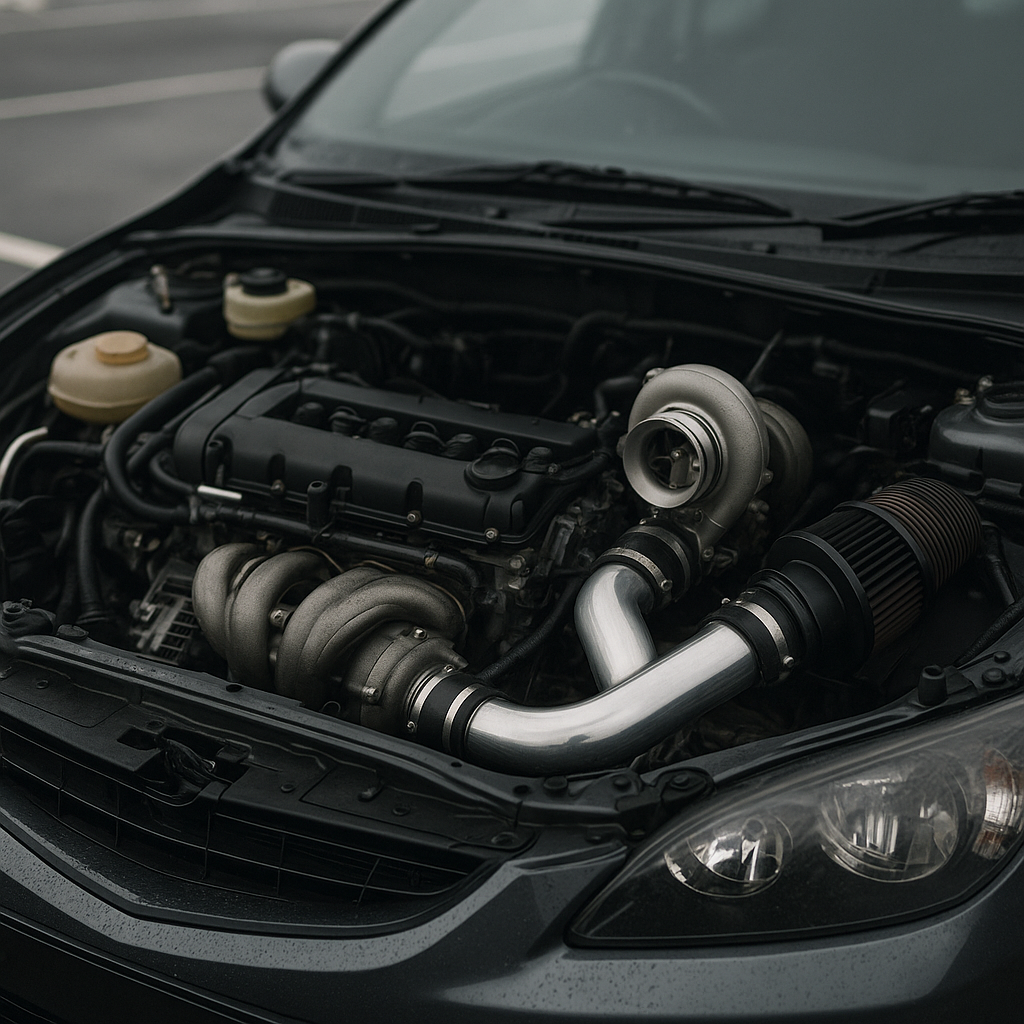
    Modified turbocharged engine bay showing aftermarket induction kit relevant to engine modifications car insurance UK

    Why Engine Mods Make Insurers Very Nervous

    Standard car insurance policies are priced against a specific vehicle as it left the factory. The moment you deviate from that specification, you’ve technically changed the risk. More power usually means higher top speed and faster acceleration, which statistically correlates with a greater likelihood of incidents. It also affects theft risk, because modified cars can attract unwanted attention, and repair costs, because non-standard parts often cost more to source and fit.

    A remap (or ECU tune) is probably the most common engine modification in the UK right now. A Stage 1 tune on a turbocharged hot hatch can add 30 to 60 brake horsepower without a single physical part being changed. From the outside, the car looks completely standard. But if you make a claim and the insurer sends the car to an approved repairer, the workshop may flag an overboost condition or an altered fuel map, and at that point your insurer has grounds to void the policy entirely.

    What Counts as an Engine Modification for Insurance Purposes?

    This is where it gets murky, because there’s no single universal definition. In practice, most insurers treat the following as declarable engine modifications:

    • ECU remaps and software tunes (including pop-and-bang maps)
    • Induction kits and cold air intake systems
    • Aftermarket exhaust systems, including decat pipes
    • Intercooler upgrades
    • Turbocharger or supercharger additions or upgrades
    • Performance camshafts, big valve conversions or head work
    • Fuel system upgrades (uprated injectors, high-flow fuel pumps)

    Some insurers also want to know about suspension lowering, uprated brakes, and wheel/tyre changes, even though those aren’t strictly engine mods. The point is: if it changes the car from factory spec in any meaningful way, assume you need to declare it.

    Car insurance quote screen beside ECU remap dyno graph illustrating engine modifications car insurance UK documentation

    What Actually Happens If You Don’t Declare?

    In a minor bump with no injury, you might get away with it. But in any serious claim, especially one involving a third party injury or a total loss, the insurer will investigate. If undeclared modifications come to light, they can invoke the principle of non-disclosure and void your policy from inception. That means your claim is rejected, you lose your no-claims discount, and technically you may have been driving without valid insurance, which carries a fixed penalty of £300 and six penalty points under current UK law. In serious cases, the police can seize the vehicle.

    The Financial Conduct Authority (FCA) regulates insurance conduct in the UK, and while there have been tighter rules around unfair claim rejections in recent years, non-disclosure of material facts remains legitimate grounds for voiding a policy. You can read the FCA’s guidance on insurance consumer rights here. The short version: don’t assume being a careful driver protects you if you haven’t been upfront.

    How Much Do Engine Mods Actually Increase Your Premium?

    It varies enormously by insurer and by the nature of the modification. A Stage 1 remap on a 2.0-litre hot hatch might add £150 to £400 per year to a standard policy, assuming the insurer accepts it at all. More aggressive forced induction work or a naturally aspirated engine converted to turbo will push premiums significantly higher, sometimes doubling them, and many mainstream insurers will simply decline to quote.

    Induction kits are generally cheaper to declare than people expect, often adding £50 to £150 per year, partly because the performance gain is modest and partly because they’re so common. A full turbo conversion on a car that wasn’t turbocharged from the factory, though? That’s specialist territory, full stop.

    Finding Insurers Who Actually Get It

    The good news is that there’s a healthy market of specialist modified car insurers in the UK who won’t penalise you simply for being enthusiastic. Companies like Adrian Flux, Footman James, and Peter James Insurance specifically cater to the modified car community. They understand that a responsible driver with a remapped Golf R is a different risk profile to a reckless driver in a standard one, and they price accordingly.

    Agreed value policies are also worth exploring, particularly if your build has rare or expensive components. Standard policies pay out market value on a total loss, which on a heavily modified car will almost certainly not reflect what you’ve spent. An agreed value policy locks in a figure upfront, so you’re not arguing with a claims handler about whether your bespoke induction system was worth the money.

    Club membership can genuinely help here too. Owners clubs affiliated with bodies like the RAC or specific marque clubs sometimes negotiate group insurance rates that are far more lenient about modifications than retail policies. It’s the kind of thing that takes twenty minutes to sort and can save you hundreds of pounds a year.

    Practical Steps Before You Modify

    The smartest move is to call your insurer before the modification goes in, not after. Get confirmation in writing (email is fine) that the proposed modification is acceptable and note any premium adjustment. Keep all receipts, fitting invoices, and part numbers. If the workshop performs a dyno run, save that sheet too. In the event of a dispute, documentation is everything.

    It’s also worth keeping a written record of your car’s spec at every stage, particularly if you’re building it over several years. Modifications that seem minor individually can add up to a very different vehicle on paper, and insurers look at the cumulative picture. Much like the precision engineering required in heavy industrial applications, where sourcing quality components matters enormously (the way specialists approach something like Komatsu engine parts with meticulous documentation), keeping tabs on every change to your car’s spec pays dividends when claims time comes.

    One more thing: if you’re buying a used modified car, make sure you get a full modification history from the seller. Running someone else’s undeclared Stage 2 build without knowing it’s there is exactly the kind of situation that turns a minor prang into a legal nightmare. Check the ECU map version if you can, and if the car feels noticeably stronger than the published power figure suggests, get it checked before you insure it.

    The Bottom Line on Engine Mods and Insurance

    Modifying your engine doesn’t have to mean either sky-high premiums or living dangerously without cover. The UK modified car insurance market is mature enough to handle serious builds at reasonable prices, provided you go to the right insurers and declare everything honestly. The worst outcome, by a considerable margin, is trying to hide a remap and then needing to make a claim. That’s where the real cost hits, and it’s completely avoidable.

    If you’re getting into performance tuning or building a track-capable road car, take ten minutes to sort your insurance properly. It’s the least glamorous part of the hobby, but it’s the one that actually keeps you on the road legally. And if you want more on the legal side of mods, our guide to modified cars and UK law in 2026 covers exactly what’s still road-legal and what isn’t.

  • Why Used Car Prices in the UK Are Still Stubbornly High in 2026 (And Which Segments Are Finally Softening)

    Why Used Car Prices in the UK Are Still Stubbornly High in 2026 (And Which Segments Are Finally Softening)

    If you’ve spent any time browsing AutoTrader or checking the auction listings on BCA recently, you already know the score. Used car prices in the UK are still, stubbornly, annoyingly high. It doesn’t feel like it should be this way. The pandemic is years behind us, new car production has mostly recovered, and yet the second-hand market continues to defy gravity in ways that make enthusiast buyers genuinely frustrated. So what’s actually going on, and more importantly, where can you actually find value right now?

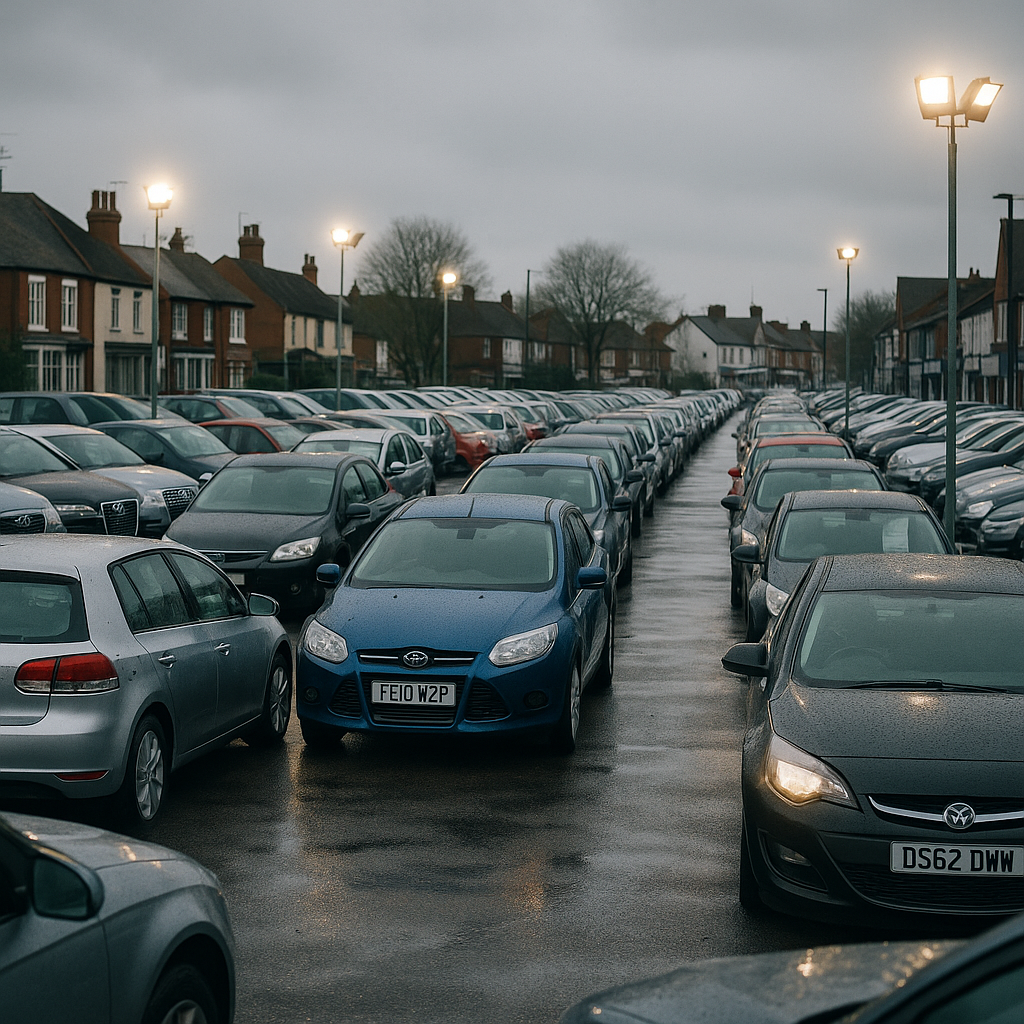
    UK used car dealership forecourt showing elevated used car prices in the UK market

    The Supply Chain Hangover That Just Won’t Shift

    Cast your mind back to 2021 and 2022. A global semiconductor shortage throttled new car production so badly that some factories sat idle for months. The knock-on effect was simple: fewer new cars meant fewer part-exchanges, which meant fewer quality used cars entering the market. That supply squeeze created a valuation bubble, and the bubble has been deflating slowly ever since, but not fast enough for most buyers.

    According to data from the Society of Motor Manufacturers and Traders (SMMT), UK new car registrations only fully recovered to pre-pandemic levels in 2025. That means an entire three-year cohort of nearly-new stock simply doesn’t exist in the volumes you’d normally expect. A well-maintained 2022 plate Golf GTI or a Civic Type R with low mileage? Dealers know exactly what they have, and they’re pricing accordingly.

    It’s worth noting that lease companies and rental fleets, which typically feed massive volumes of two-to-three-year-old cars into the used market, also contracted their orders during that period. Those cars haven’t appeared, and the pipeline is only now starting to normalise. Auctions like Manheim UK have reported a gradual uptick in fleet returns through late 2025 and into 2026, but it’s a drip, not a flood.

    EV Depreciation Uncertainty Is Distorting Everything

    Here’s the twist that nobody expected to be this consequential. The rapid evolution of electric vehicle technology has made buyers deeply nervous about committing to a used EV, and that nervousness is doing strange things to petrol car values. If buyers are reluctant to take a punt on a three-year-old electric vehicle because of battery degradation concerns or charging infrastructure anxiety, they’re staying in the petrol and hybrid market. More demand, same supply. Prices hold.

    Used EV prices themselves have taken a hammering. Figures from Cap HPI through early 2026 suggest some models have lost 40 to 50 per cent of their new price within three years, a depreciation curve that makes finance houses and private buyers alike deeply uncomfortable. The irony is that this EV collapse is actually propping up used car prices in the UK for conventional drivetrains, because cautious buyers are clustering in the same petrol segments.

    Buyer researching used car prices UK on a smartphone at home

    Which Segments Are Finally Seeing Softening Prices?

    Right, here’s where it gets genuinely useful. Not every corner of the used market is still squeezed. A few specific segments are showing real cracks, and if you’re in the market, these are worth your attention.

    Large Family Saloons and Executive Cars

    The diesel executive saloon market, think BMW 5 Series diesel, Mercedes E-Class diesel, Jaguar XF diesel, is softening meaningfully. Fuel on motorways is expensive, ULEZ and Clean Air Zones are expanding, and the social cachet of a big diesel saloon has simply evaporated. Prices at BCA and Manheim auctions on these cars have dropped 12 to 18 per cent year-on-year through early 2026. For someone who actually likes driving and covers serious motorway miles, a low-mileage XF Sportbrake diesel at these prices is genuinely compelling value.

    Mid-Range French Hatchbacks and Family Cars

    French marques have always depreciated faster than German rivals, and the current market is no exception. Renault, Citroën, and Peugeot models at the three-to-five-year mark are seeing real movement. If you’re doing your research on a specific model, it’s worth running a proper history check. For instance, pulling up Peugeot Car Data before buying a used 308 or 3008 gives you a much clearer picture of what you’re actually dealing with specification-wise. These cars represent strong value right now if the history checks out.

    Diesel MPVs and Seven-Seaters

    The family MPV is essentially a dead segment in terms of new car sales, which means used examples are piling up with no floor of demand to hold values. Ford Galaxy, SEAT Alhambra, Volkswagen Sharan diesel variants are all sitting longer on forecourts. Practical, spacious, and genuinely cheap to run on a motorway run. Not glamorous, but if you need the space, the value is undeniable.

    Where Prices Are Still Holding Firm (Don’t Get Burned)

    Conversely, there are segments where sellers still have all the leverage. Hot hatches and performance cars under £25,000 remain absurdly strong. A clean Hyundai i30N, a Ford Fiesta ST, or a MINI JCW in good condition will barely move on price from six months ago. Enthusiast cars with a genuine following simply don’t depreciate the way mainstream metal does, and in a market where interesting new cars keep getting discontinued, the used examples become more precious.

    Japanese used imports are also holding value brilliantly. The used car prices UK buyers are willing to pay for a clean Mitsubishi Lancer Evolution or a Subaru Impreza WRX STI continues to climb. Supply is genuinely finite and demand from enthusiasts is not going anywhere. For more on the JDM scene, our piece on JDM cars you can finally import to the UK in 2026 covers the import angle in proper detail.

    How to Actually Get a Good Deal Right Now

    Timing your purchase matters more than it did five years ago. Late autumn and winter remain the best periods to buy, simply because fewer people are actively shopping and dealers are more motivated to shift stock before year-end. Private sales through platforms like Facebook Marketplace are often running five to ten per cent below dealer asking prices for comparable cars, particularly in the large saloon and MPV segments mentioned above.

    Auction buying is back on the table for savvy buyers who know what they’re doing. BCA’s online bidding platform has opened up trade auctions to retail buyers in a meaningful way, and the prices realised on mainstream family cars can be significantly below retail. The caveat is obvious: you’re buying without the consumer protections of a dealership sale, so mechanical inspection matters more than ever.

    The DVSA’s official recall checker should be your first stop on any used car purchase, particularly on models from 2020 to 2023 where supply chain issues sometimes led to compromises in component quality. Recalls are free to fix but only if you know they exist before you hand over your money.

    The big picture is that used car prices in the UK will continue to normalise over the next 18 months as fleet returns accelerate and buyer confidence in EVs gradually firms up. But the softening is uneven, sector by sector, and knowing where the cracks are already showing is worth real money. The executive diesel saloon glut is your friend right now. The hot hatch scarcity is not.

    Frequently Asked Questions

    Why are used car prices still so high in the UK in 2026?

    The primary driver is a supply shortfall caused by the 2021-2022 semiconductor shortage, which dramatically reduced new car production and therefore the number of part-exchanges entering the used market. On top of that, uncertainty around EV depreciation is pushing buyers into petrol segments, keeping demand elevated relative to supply.

    Which used cars are dropping in price in the UK right now?

    Large executive diesel saloons (BMW 5 Series, Jaguar XF, Mercedes E-Class), diesel MPVs, and mid-range French hatchbacks are all showing meaningful price softening in 2026. These segments have the weakest demand relative to supply and are your best hunting ground for value.

    Is it worth waiting for used car prices to fall further in the UK?

    For mainstream family cars and executive saloons, prices are expected to continue easing through 2026 and into 2027 as fleet returns increase. However, for performance and enthusiast cars, waiting is unlikely to reward you as supply is genuinely constrained and collector demand remains strong.

  • Why the Used EV Market Is Collapsing in the UK and What It Means for Enthusiast Buyers

    Why the Used EV Market Is Collapsing in the UK and What It Means for Enthusiast Buyers

    Something unusual is happening on the forecourts right now. Electric cars that cost £50,000 new are sitting on dealer lots with price tags closer to £20,000. Three-year-old performance EVs that were genuinely exciting to buy are now shifting at numbers that would make their original owners weep. Used EV depreciation UK 2026 is not just bad. It is, for certain models, historically catastrophic. And depending on who you are, that is either a disaster or the greatest buying opportunity in a generation.

    If you are a manufacturer, a fleet operator, or someone who bought a nearly-new Tesla on finance two years ago, it is absolutely the former. If you are a car enthusiast with a bit of savings and a spare space on the driveway, it might be the latter. Let us break down exactly what is happening, why residual values are tanking, and whether this slump is a genuine chance to grab a rapid EV as a second car without the new-car price tag doing your head in.

    Used performance electric car on a British high street, illustrating used EV depreciation UK 2026
    Used performance electric car on a British high street, illustrating used EV depreciation UK 2026

    What Is Causing Used EV Residual Values to Collapse?

    The drop in used EV values is not a single-cause problem. It is more like a perfect storm of overlapping pressures that all landed at roughly the same time.

    First, the market became flooded. The UK Government’s Zero Emission Vehicle mandate pushed manufacturers to sell more EVs, which meant aggressive discounting on new cars. When new EVs get cheaper, the used ones sitting next to them look expensive by comparison. The floor drops out almost instantly. Cazoo’s data and figures from the Auto Trader used car market have tracked double-digit percentage value drops on several popular models across 2025 and into 2026.

    Second, battery anxiety never fully went away. Consumers worry about degradation, replacement costs, and range on older packs. Whether the fear is rational or not, it suppresses demand. A two-year-old EV with 60,000 miles on it raises questions that a petrol equivalent simply does not.

    Third, technology moves fast in the EV world. A 2023 model might have meaningfully less range than a 2026 equivalent. In most car categories, a three-year-old car is still broadly current. In EVs, it can feel like buying a slightly outdated smartphone. That perception hammers residuals hard.

    Finally, the second-hand market got hit by a wave of ex-fleet and ex-lease returns all arriving simultaneously. Fleet operators who committed to EVs during the early adoption frenzy are now off-loading at scale. Supply is up. Consumer confidence is patchy. Prices fall.

    Which Used EVs Have Dropped the Most in Value?

    The models feeling the sharpest pain tend to be those that carried enormous new-car premiums and faced the fiercest new-car discounting. Early Nissan Leaf models, certain Renault Zoe variants, and first-generation Jaguar I-Pace examples have all seen brutal corrections. The I-Pace is particularly striking: a car that launched at over £60,000 can now be found with reasonable mileage for under £20,000. For a Jaguar SUV with proper performance credentials, that is a staggering number.

    Tesla has not been immune either. Model 3 Long Range examples from 2021 and 2022 have lost significant chunks of value as newer, faster, better-specced versions arrived. Polestar 2 values have slid. Even the Hyundai Ioniq 5 and Kia EV6, both of which launched to rapturous reviews, have seen sharper-than-expected depreciation curves.

    EV dashboard battery readout detail relevant to understanding used EV depreciation UK 2026
    EV dashboard battery readout detail relevant to understanding used EV depreciation UK 2026

    Is Used EV Depreciation UK 2026 Actually an Opportunity for Enthusiasts?

    Here is where it gets interesting for the car nuts among us. Strip away the fleet-buyer anxiety and the range-worry narratives, and what you are actually left with is this: rapid, genuinely exciting electric cars available for a fraction of what they cost new. That is not nothing. That is actually quite a lot.

    Take the Polestar 2 Performance as a case in point. At launch it was a £55,000 car. A well-maintained 2022 example with a full service history now sits somewhere in the low-to-mid twenties on the right day. For that money you get 469 bhp, 0-60 in around 4.5 seconds, and a genuinely premium Swedish cabin. As a second car for weekend runs and the occasional track day experiment? That is a remarkable proposition.

    The Jaguar I-Pace is another one worth serious consideration. Yes, the tech is a few years old. Yes, the charging speed is not going to win any awards in 2026. But the drive quality is genuinely special, the looks are still dramatic, and the performance is real. Under £20,000 for a Jaguar performance SUV is the kind of sentence that would have sounded absurd five years ago.

    For those who want something even more rapid, early Tesla Model S Plaid examples are beginning to drift into view at prices that feel almost unfair given the performance on offer. These cars are genuinely fast in a way that recalibrates your sense of what fast means. Used EV depreciation UK 2026 is the only reason they are accessible to anyone who is not a tech billionaire.

    Things to Check Before Buying a Used EV

    There are a few sensible boxes to tick before pulling the trigger on any used electric car at these prices. Battery health is the big one. Most manufacturers offer some form of battery health report or you can get a third-party check done. A healthy battery showing above 85% of its original capacity is generally a solid result.

    Charging history matters too. Cars that have lived on DC rapid chargers their whole lives accumulate slightly more degradation than those with a mixed diet. Ask for the service records. Check that any software updates have been applied. And confirm the warranty situation, because some manufacturer battery warranties extend to eight years or 100,000 miles, which is genuinely reassuring.

    The DVLA’s MOT history checker is as useful for EVs as for anything else. Past advisory notes about charging equipment or unusual electrical behaviour are worth scrutinising.

    Second Car Logic: Why EVs Make Sense When Bought at Discount

    The case for an enthusiast-spec used EV becomes even stronger when you frame it as a second car. A lot of the real-world objections to EV ownership, range anxiety, long-distance charging infrastructure, overnight charging at flats, become far less relevant when the car is not your daily driver. It charges overnight at home on a 7kW wallbox, it comes out at weekends for the fun stuff, and it absolutely delivers on that front.

    The running costs at these low purchase prices start to look genuinely compelling. No road tax on most pre-2025 EVs. Exempt from ULEZ and Clean Air Zone charges in every major UK city. Fuel costs that are a fraction of a petrol equivalent when charging at home overnight. The value argument, at these price points, is hard to dismiss.

    We have covered related ground on the site before, from the best electric cars of 2026 to why petrol cars are becoming collectibles, and the EV story keeps evolving in ways nobody quite predicted. The depreciation curve nobody wanted is creating exactly the conditions enthusiasts have been waiting for.

    The Bottom Line on Used EVs Right Now

    Used EV depreciation UK 2026 is a genuine market anomaly. The people hurting most are those who bought at the peak on new-car finance and are watching their asset sink. The people quietly winning are those patient enough to let the dust settle and buy now, at the bottom of a curve that many analysts think is close to bottoming out.

    This will not last forever. As consumer confidence grows, as charging infrastructure matures, and as battery fears fade, used EV values will stabilise. The window for picking up a performance electric car at truly wild value is open right now. Whether you walk through it is, of course, entirely up to you.

    Frequently Asked Questions

    How much have used EV prices dropped in the UK in 2026?

    Some models have lost 50-60% of their original value within three years, with certain performance EVs like the Jaguar I-Pace now available for under £20,000 having originally cost over £60,000. Depreciation rates vary by model, but across the board used EVs are down significantly compared to 2022 and 2023 peaks.

    Is it worth buying a used electric car in the UK right now?

    For enthusiasts wanting a fast second car at a fraction of new-car cost, it can be an excellent time to buy. The key is to check battery health, verify service history, and choose a model with a remaining manufacturer battery warranty to protect against the main risk.

    What is the best used performance EV to buy in the UK in 2026?

    The Polestar 2 Performance, Jaguar I-Pace, and Tesla Model 3 Long Range are all strong options that have depreciated heavily but remain genuinely rapid and well-built cars. Your choice should depend on charging infrastructure, desired range, and whether you prefer a saloon, hatchback, or SUV body style.

    What causes used EV residual values to drop so quickly?

    The main drivers are aggressive new-car discounting, rapid technology improvements making older models feel dated, large volumes of ex-fleet and ex-lease returns hitting the market simultaneously, and lingering consumer concern about battery degradation. All of these factors converged in 2025 and 2026.

    Should I worry about battery degradation when buying a used EV?

    Battery degradation is a genuine consideration but is often less severe than feared. Request a battery health report and look for cars showing above 85% of original capacity. Most manufacturers also offer battery warranties of up to eight years or 100,000 miles, which provides meaningful protection on eligible models.