
Author: Robby

  • Used Car Parts: Smart Ways To Save Money Without Driving Junk

    Used Car Parts: Smart Ways To Save Money Without Driving Junk

    If you are not looking at used car parts when something breaks, you are basically tipping your wallet straight into a dealership coffee fund. Done right, buying pre-loved bits can save serious cash without turning your pride and joy into a scrapyard science experiment.
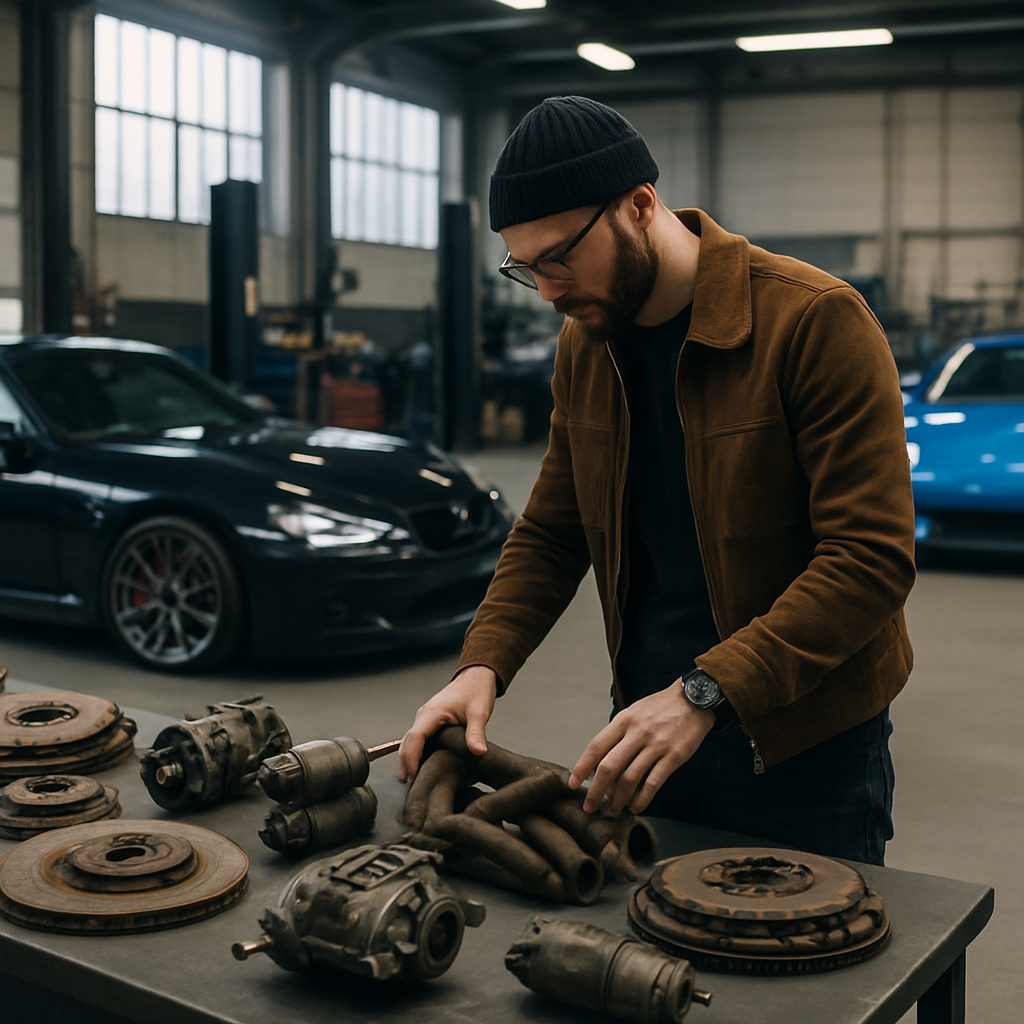
    Why used car parts are not just for bangers

    There is a myth that used car parts are only for 20-year-old hatchbacks with three previous owners and a mysterious smell. In reality, plenty of modern cars are running around with recycled panels, engines and electronics – and you would never know.

    Cars depreciate faster than your patience in a motorway traffic jam, but metal and mechanical parts do not suddenly become useless when a car is written off. Often the shell is gone, but the heart, lungs and suspension are still perfectly healthy. That is where smart owners swoop in.

    If you are running something a bit spicy or rare, used parts can be the difference between keeping it on the road or turning it into a very pretty driveway ornament. Even on everyday cars, the saving compared with brand new parts can be the cost of a decent weekend away.

    Best used car parts to buy without losing sleep

    Not all used car parts are created equal. Some are safe bets, others are about as wise as buying sushi from a petrol station at midnight. Here is where buying used usually makes sense:

    • Body panels and trim – Wings, bumpers, mirrors, interior trim and dashboards are ideal used buys. If they are not rusty, cracked or warped, they are usually fine.
    • Alloys and wheels – As long as they are not bent, cracked or welded like a GCSE project, used alloys can be a huge saving over new.
    • Lights and clusters – Headlights and tail lights are perfect second-hand, especially LED units that cost a kidney new. Just check for moisture and broken mounts.
    • Engines and gearboxes – Big ticket items, but worth it if you get proof of mileage, service history and ideally a warranty from a reputable breaker.
    • Interior bits – Seats, steering wheels, switchgear and consoles are usually fine used, provided airbags and pretensioners have not deployed.

    Used car parts you should be cautious about

    There are also parts where saving a few quid is not worth the potential drama.

    • Brakes – Discs and pads are cheap enough new that used ones are rarely worth it. Calipers can be OK if they are refurbished properly.
    • Suspension consumables – Springs and shocks wear out, and rubber bushes age even if the car is barely driven. Fresh parts here can transform how your car feels.
    • Safety systems – Airbags, seat belts and crash sensors are not where you experiment. If they have deployed or look suspect, walk away.
    • Cheap electronics – Random used sensors with no testing are a gamble. Buy tested units or new aftermarket instead.

    How to spot quality used car parts

    Whether you are browsing online or wandering round a breaker yard like a kid in a sweet shop, a bit of detective work goes a long way.

    • Check the part numbers – Do not guess. Match part numbers with your original where possible, especially on electronics and engine components.
    • Look for signs of bodging – Overspray, random welds, stripped bolts and mystery sealant are all red flags.
    • Ask about the donor car – Was it a low mileage write off from a rear impact, or a high mileage taxi that died of exhaustion?
    • Warranty or guarantee – Even a short start up warranty is better than nothing, especially for engines, gearboxes and ECUs.

    Specialist breakers that focus on particular brands or models often know their stuff and can advise what typically fails or what upgrades will fit. That is where a place like Mitzybitz can be handy if you are into specific marques and want something better than a lucky dip.

    Fitting these solutions the smart way

    Once you have scored your bargain, you still need to get it on the car without turning the driveway into a long term project.
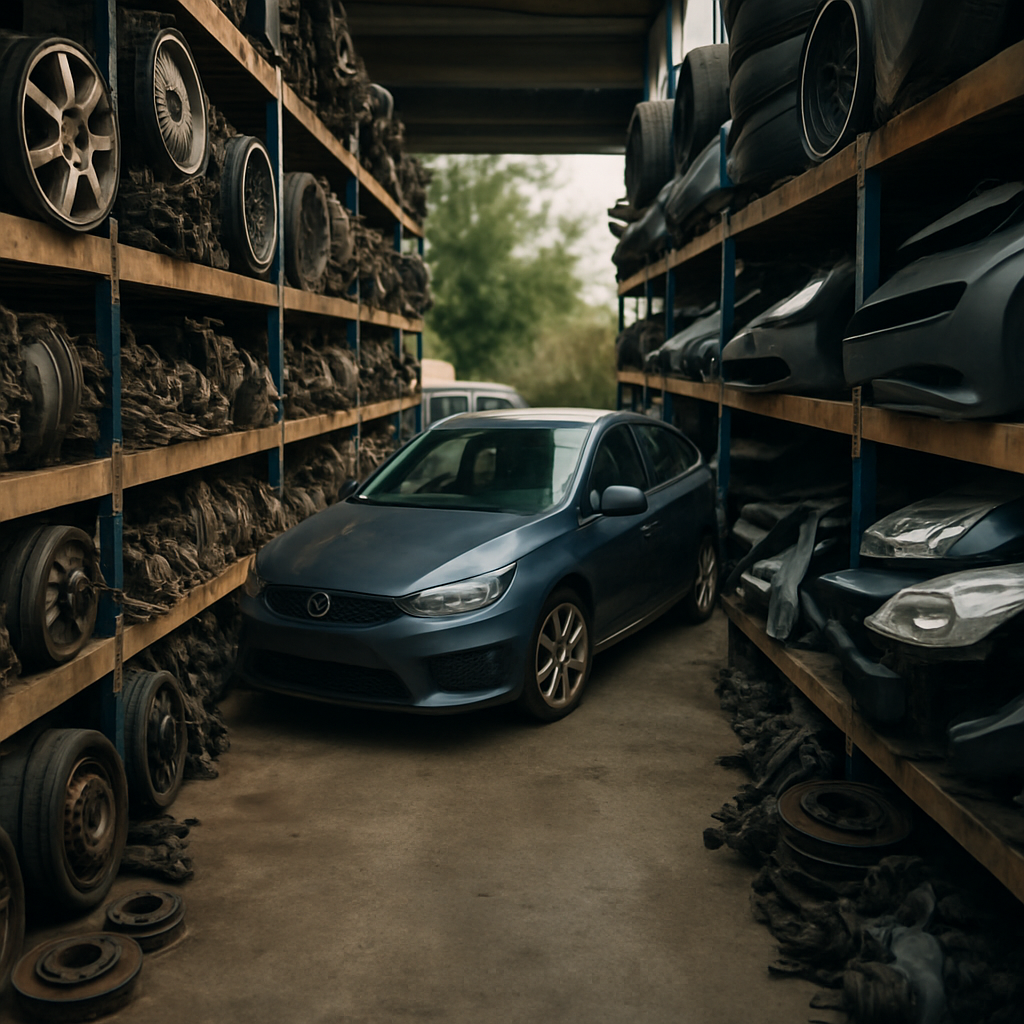

    Organised warehouse shelves filled with labelled used car parts
    Car enthusiast choosing used car parts from vehicles in a breaker yard

    Used car parts FAQs

    Are used car parts safe to use?

    Used car parts are generally safe if you choose the right components and buy from a reputable source. Structural items like body panels, interior trim, lights, wheels and even major components such as engines and gearboxes can be perfectly safe when properly inspected and, ideally, supplied with some form of warranty. Avoid cutting corners on safety critical parts like airbags, seat belts and heavily worn brakes, and always have important components fitted or checked by a competent mechanic.

    What used car parts should I avoid buying second hand?

    It is usually best to avoid heavily worn consumables such as brake pads and discs, tired suspension components, old rubber bushes and any safety system that has been triggered, like airbags or pre tensioners. Random untested sensors and electronics can also be a false economy. Focus instead on solid items like bodywork, interior pieces, lights, alloy wheels and verified mechanical components that come with clear part numbers and some history.

    How can I check if used car parts will fit my car?

    To check fitment, start by matching the part number on your original component with the number on the used item. Many online catalogues and breaker listings allow you to search by registration or VIN to confirm compatibility. You can also compare photos closely and ask the seller to confirm the donor vehicle’s make, model, engine and year. When in doubt, speak to a specialist breaker or a trusted mechanic before buying so you avoid ending up with something that almost fits but not quite.

  • Are Self Healing Car Wraps The Future Of Daily Driven Builds?

    Are Self Healing Car Wraps The Future Of Daily Driven Builds?

    If you are the sort of person who parks at the far end of Tesco car park to avoid door dings, self healing car wraps might sound like witchcraft. Imagine a wrap that quietly erases light scratches every time the sun comes out. No magic, just clever chemistry – and a lot of relief for anxious car nerds.

    What are self healing car wraps?

    Self healing car wraps are high end vinyl or polyurethane films with an elastic clearcoat layer that can literally flow back into shape when it is warmed up. Tiny swirls and light scratches soften, the surface levels out, and your paint or wrap looks fresh again. Think of it as memory foam for your bodywork, except it hates swirl marks instead of bad backs.

    They are usually based on thermoplastic polyurethane (TPU), similar to modern paint protection film, but tuned for better flexibility and optical clarity. The clever part is the top layer, which is designed to move at a microscopic level when heated by sunlight, hot water, or a heat gun.

    How do self healing car wraps actually work?

    Under a microscope, the clearcoat on self healing car wraps looks like a tangled net of polymers. When the surface is scratched, those chains are stretched and displaced. Apply heat and they relax back into their original position, pulling the scratch with them. No filling, no polishing, just a surface that re-arranges itself.

    There are two main types: heat activated films that need warm water or a bit of hot air, and ambient self healers that slowly fix fine marks at normal temperatures. The second type is still rarer and pricier, but very appealing if your car lives outside and you are allergic to swirl marks.

    Self healing wraps vs traditional wraps and PPF

    Standard vinyl wraps look cool, but they are basically fashion with no self defence. Once they are scratched, you are cutting and re-doing panels. Classic paint protection film (PPF) is tougher, but can look a bit plasticky if you go cheap, and older films yellow or peel if abused.

    Self healing car wraps sit in a sweet spot. You get the visual drama of a wrap, the defence of PPF, and scratch resistance that resets itself. For daily driven performance cars, that is a big deal. You can still combine them with products like ceramic coatings for extra slickness and easier washing, but the heavy lifting against chips and scuffs comes from the film itself.

    Real world pros and cons for daily drivers

    On the plus side, you get rock chip resistance, fewer swirl marks, easier winter washing, and the freedom to choose wild colours or stealthy satin finishes without repainting. If you are commuting in something you actually care about, that peace of mind is worth a lot.

    On the downside, quality self healing car wraps are not cheap, and installation is absolutely not a DIY Saturday in the garage. Edges, sensors and complex bumpers all need a skilled fitter. Deep gouges will still cut the film, and you will need panel replacements if someone keys the car with real commitment.

    Are self healing wraps worth it for UK owners?

    In the UK, where roads are basically gravel cannons and car parks are full contact sports, these solutions start to make serious sense. Daily drivers, hot hatches and fast estates benefit most, because they see the worst of motorway rash and trolley kisses.

    If you are running something special – think RS, M, AMG or a nicely sorted project build – a wrap that quietly fixes itself every time the sun peeks out between rain clouds is a strong long term play. When it is time to sell, you peel the film and reveal paint that has been living in a five star hotel.

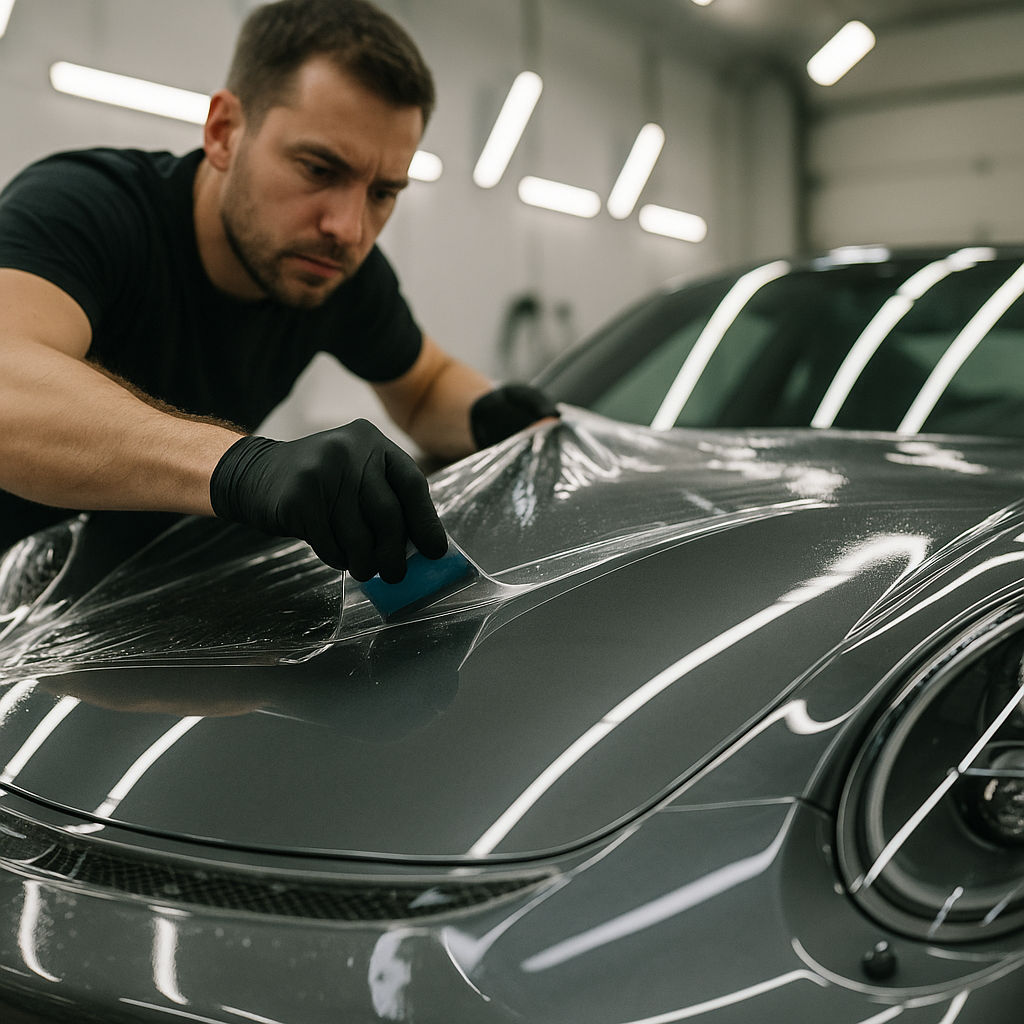
    Detailer installing clear film on a sports car bonnet with self healing car wraps technology
    Performance saloon under streetlights protected by self healing car wraps

    Self healing car wraps FAQs

    How long do self healing car wraps typically last?

    Most quality self healing car wraps are rated for around 5 to 7 years of real world use, depending on mileage, washing habits, and how much UV exposure the car gets. Garaged cars that are washed properly and not hammered by motorway grit can easily see the upper end of that range, while high mileage daily drivers may see cosmetic wear a bit sooner. The self healing effect tends to be strongest in the first few years, then gradually softens rather than suddenly stopping.

    Can self healing car wraps fix deep scratches or stone chips?

    Self healing car wraps are great for light swirls, fine scratches and minor scuffs, but they are not magic against deep damage. If a scratch cuts through the top layer or a stone chip actually tears the film, the self healing chemistry cannot pull the gap back together. In those cases, you are looking at a local panel replacement. The good news is that the film usually takes the hit instead of your paint, so the repair is still far cheaper and easier than bodywork.

    Are self healing car wraps safe to wash with pressure washers?

    Yes, you can safely use a pressure washer on self healing car wraps as long as you are sensible. Keep the nozzle a safe distance away, avoid blasting directly at panel edges, and use a gentle, pH balanced shampoo. The film is designed to handle normal washing and motorway rain, but aggressive, close range jet washing at edges can lift or damage the wrap over time. A proper pre wash and contact wash routine will keep the surface looking fresh and help the self healing layer do its job.