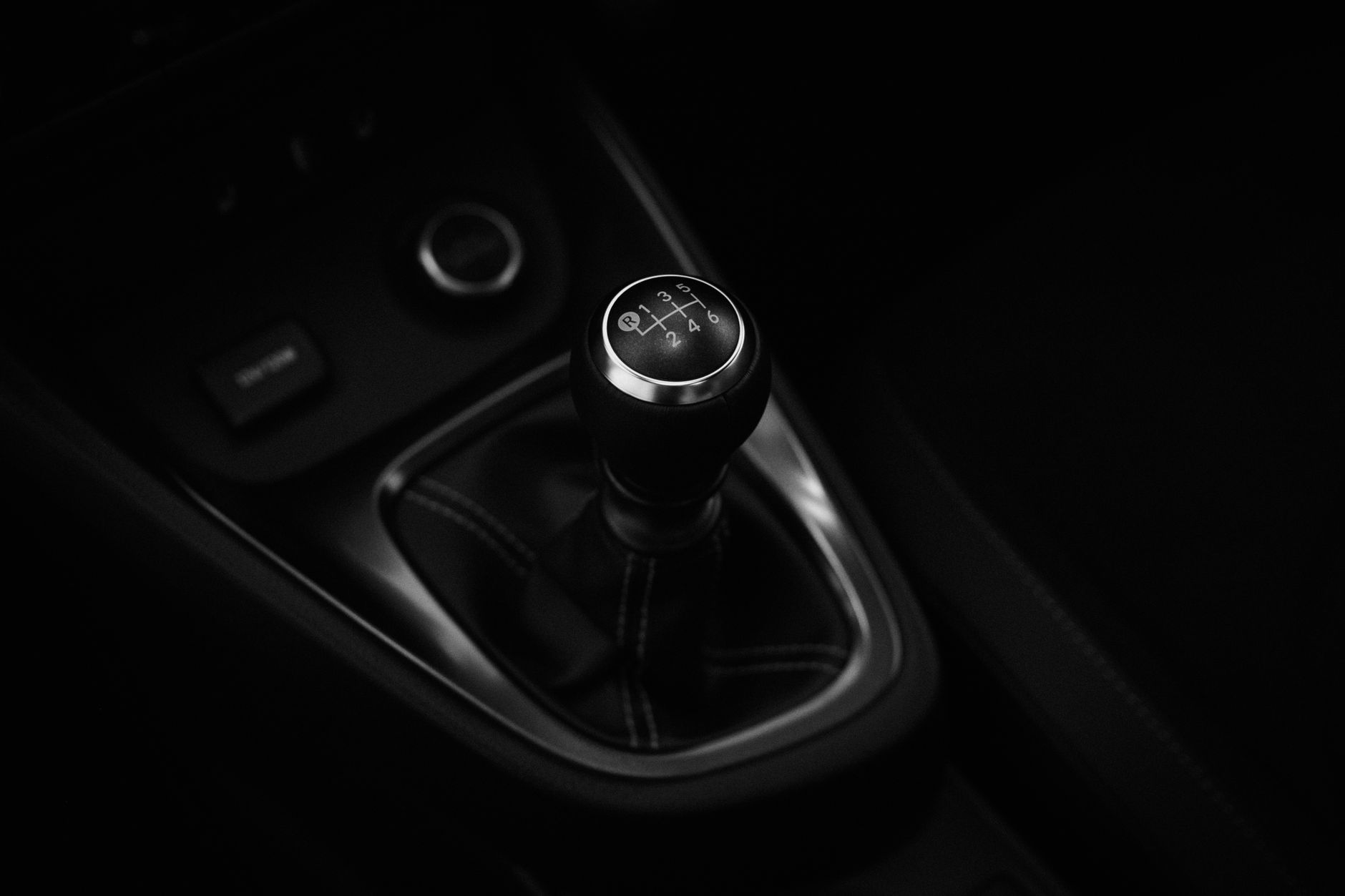
Something strange is happening in the classifieds right now. Cars that were sitting unsold six months ago are suddenly generating bidding wars. Not Ferraris. Not rare Porsche specials with documented history. We’re talking about Honda Civic Type Rs, Ford Focus STs, Mk7 Golf GTIs, and Renault Clio 182s. The one thing they all share? Three pedals. Manual gearbox cars UK buying in 2026 has become, quietly and then all at once, one of the most competitive corners of the used car market.
I’ve spent the last few weeks digging through AutoTrader data, chatting to a couple of independent dealers in the Midlands, and watching eBay listings close. The numbers are genuinely surprising. Some manual-only hot hatches have moved 15 to 20 per cent in asking price since this time last year. That’s not inflationary noise. That’s demand doing something deliberate.
Why the ICE phase-out is driving a buying frenzy
The UK government confirmed that new petrol and diesel car sales end in 2035. That deadline is still nine years away, but enthusiasts tend to think in decades, especially when they’re investing in something they actually want to drive. The logic isn’t complicated: if you want a new car with a proper manual gearbox, your window is narrowing fast. Most manufacturers are dropping three-pedal options from their line-ups right now, years ahead of any legal requirement to do so. Stellantis, Volkswagen Group and Ford have all quietly killed manual options on performance variants in recent years. The government’s zero emission vehicle mandate is accelerating that trend hard.
So the logic follows: buy the last good examples while they’re still relatively affordable, before the wider public catches on. Some enthusiasts are doing it purely for driving pleasure. Others are doing it with one eye on resale. Probably most are doing both and telling themselves it’s just the former.
Which manual-only models are climbing fastest in value
Not every three-pedal car is appreciating equally. The ones moving sharpest are the ones that were always manual-only by design, where the manufacturer never offered a paddle-shift alternative in the same generation. That matters because it’s a finite pool with no paddle-shift variant diluting the desirability.
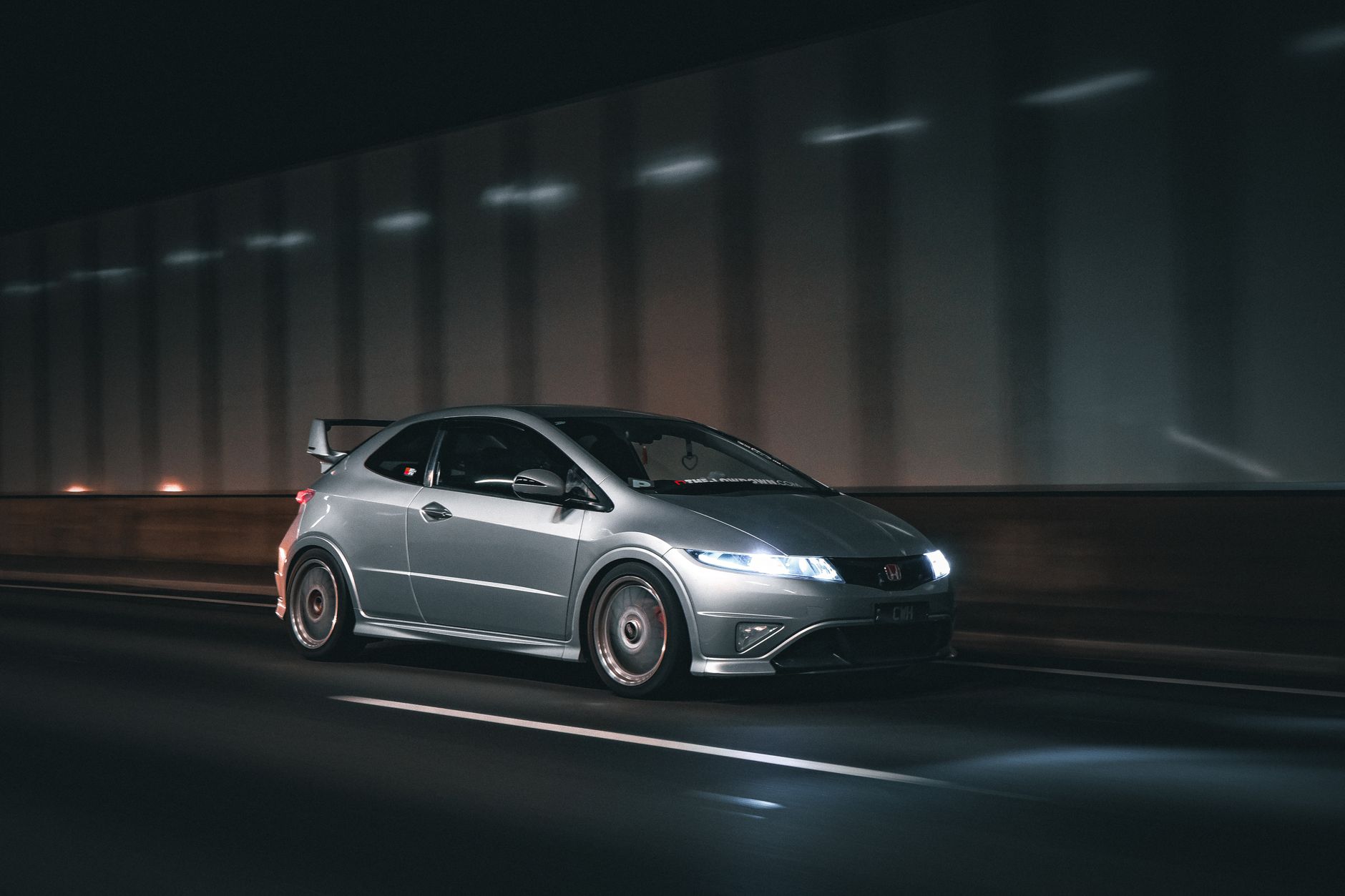
The Honda Civic Type R FK8 (2017 to 2022) is probably the most talked-about right now. It was always manual-only, always polarising to look at, always extraordinary to drive. Good examples in Championship White are asking north of £30,000 on the used market. That’s held firm even as broader used car prices have softened in some segments.
The Ford Focus ST Mk3 with the six-speed manual is another. Ford’s decision to offer the ST with an automatic in later life made the earlier pure manual cars more interesting, not less. Mk2 Renault Megane RS, especially the Cup chassis versions, keep rising too. These were always manual-only in the UK, and the driving experience is one of those rare things that genuinely hasn’t dated.
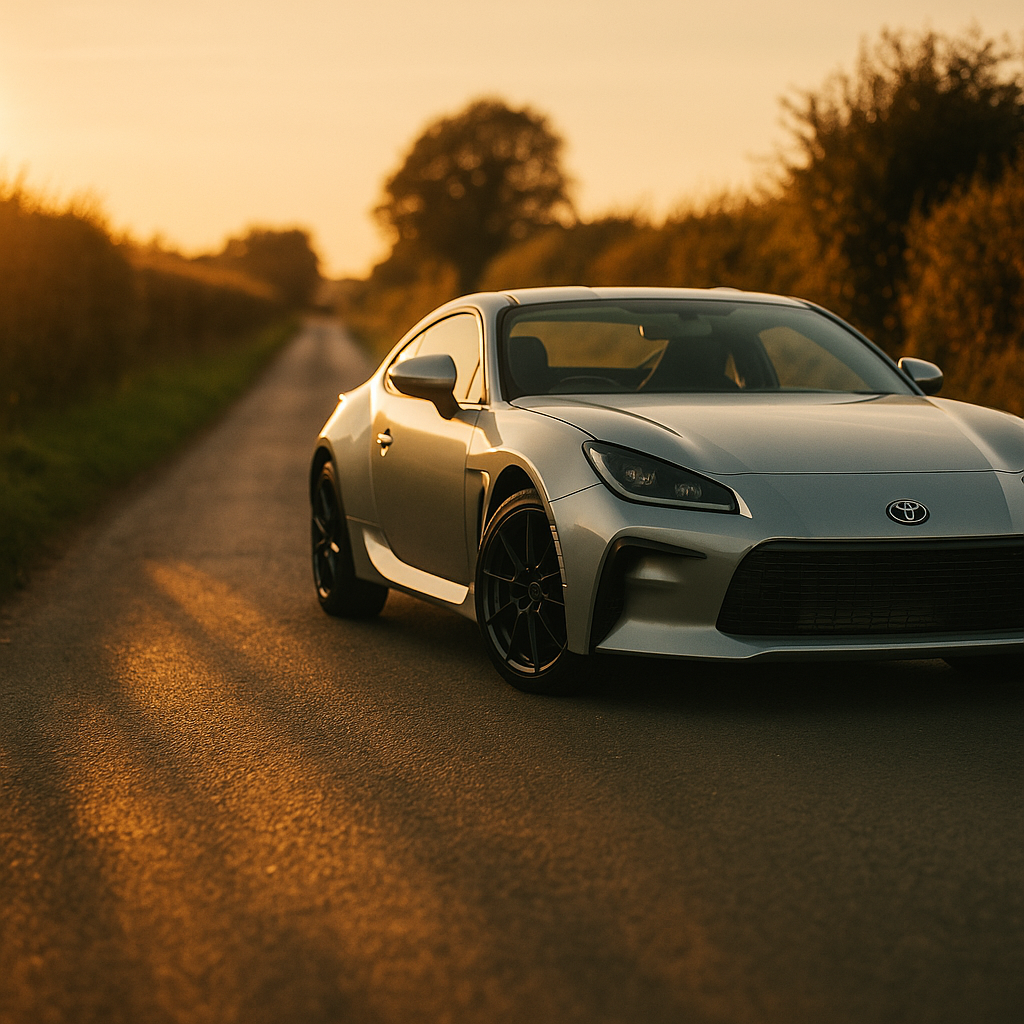
Further down the price ladder, the Renault Clio 182 and the SEAT Ibiza Cupra in earlier guises are both moving upward. You can still find reasonable examples for under £5,000, but not for much longer at this rate. The Toyota GR86, currently still in production and manual-standard, is worth watching as its production run eventually closes.
What to look for when buying a manual performance car right now
The surge in demand has brought out the optimists and the opportunists in equal measure. A car with a manual gearbox is not automatically a good buy just because it has a clutch pedal. I’d argue this point harder now than at any previous point, because motivated sellers know the market mood and are pricing accordingly.
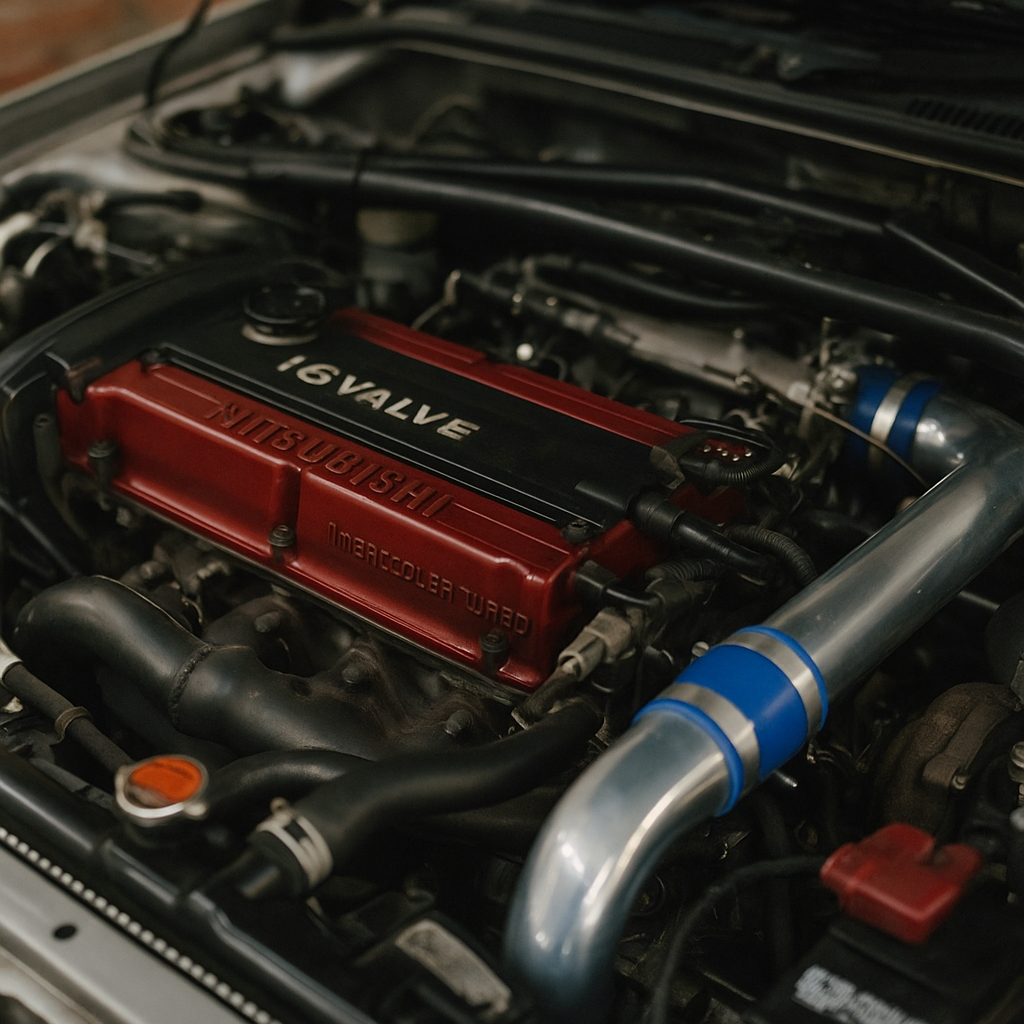
Gearbox condition is the obvious starting point. On high-mileage hot hatches that have been tracked or driven enthusiastically, synchro wear on second and third gear is common. Ask for a cold start test drive specifically to check for crunching on upshifts before the oil warms up. On cars like the FK8 Type R, the gearbox is generally robust, but the clutch can feel notchy if the car has been used for track days without fluid changes.
Service history still matters, possibly more now that prices are up. If someone is asking £28,000 for a Focus RS, they’d better have the stamps to back it up. Check for modification history too. Heavily modified cars can be harder to insure and harder to sell on, as we’ve covered in detail looking at why mechanics are increasingly reluctant to work on heavily modified cars.
On imported cars, be particularly careful. A right-hand-drive Japanese domestic market car with a manual is attractive, but the compliance paperwork needs to be watertight. We’ve gone through the full process of buying a grey import performance car in the UK in some depth elsewhere, and the short version is: don’t skip the IVA check.
Is this genuine appreciation or speculative bubble?
Honest answer: it’s both, depending on the car.
The Civic Type R FK8, the last-generation Focus RS, the Renault Sport Megane 275 Trophy-R. These are cars with genuine performance pedigree, finite production numbers, and a mechanical experience that simply cannot be replicated electrically. They will appreciate. The demand is structural, not just sentimental. Driving a real car with clutch feel, rev-matching, and a mechanical gate is a fundamentally different experience to any paddle-shift system, no matter how fast the shifts are. That difference will only become rarer and more desirable with time.
But some of what I’m seeing in classifieds is pure noise. Generic hot hatches with 90,000 miles, a clutch that needs doing, and an asking price that’s been inflated on vibes alone. Those cars will correct. Buyers are emotional right now, and emotional buyers overpay. If you’re buying to drive and enjoy, that’s fine. If you’re buying purely to flip in three years, I’d pick your model very carefully and be honest about condition.
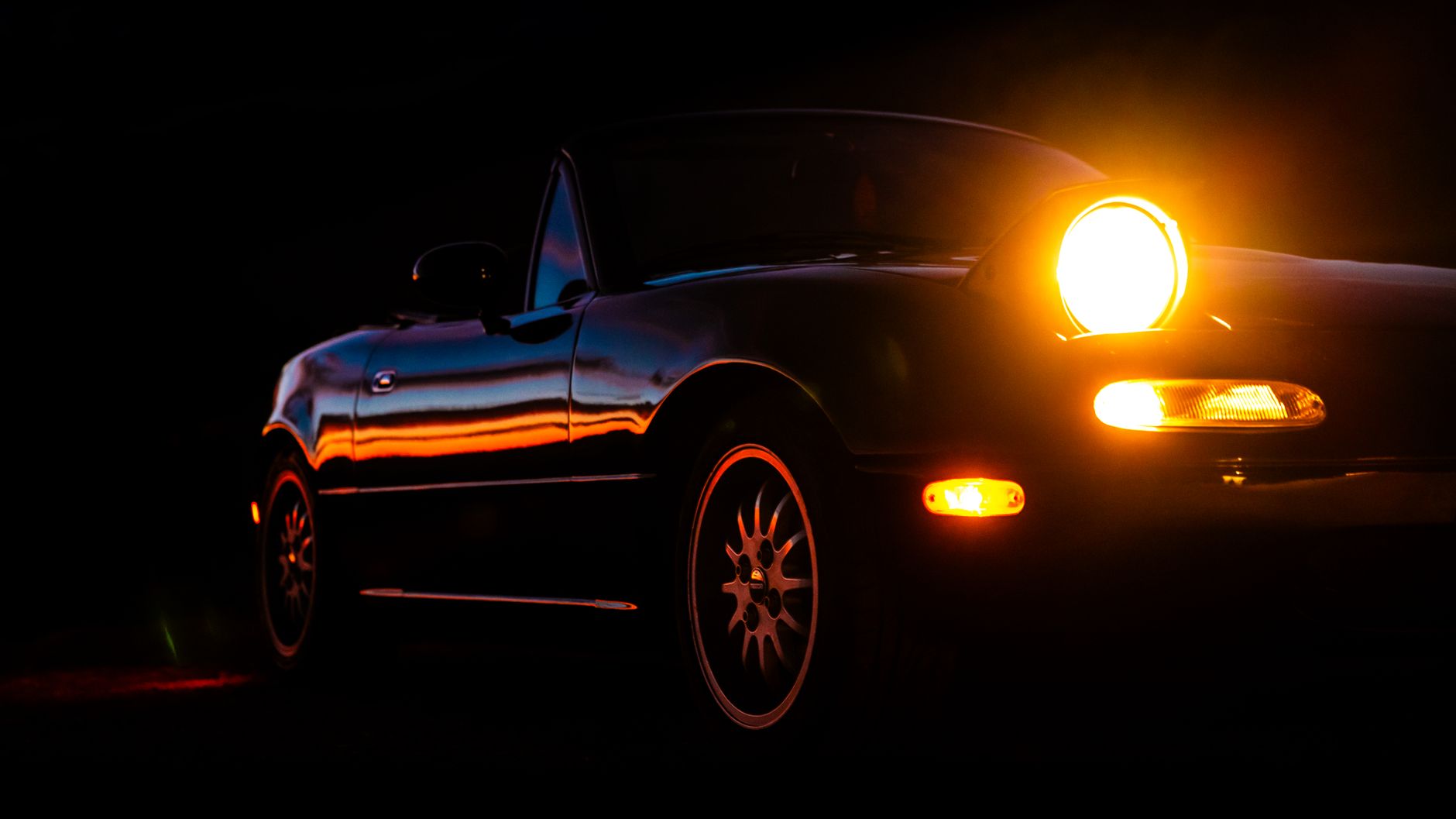
The parallel with classic investment is useful here. There’s a reason Mk1 and Mk2 Mazda MX-5s are quietly becoming solid classic investments: they’re pure, they’re affordable to run, and the driving experience is genuinely irreplaceable. The same logic applies to the best manual performance cars of the 2010s. Buy the right one and you’ll probably be glad you did. Buy a rough one at peak emotional pricing and you’ll be less cheerful in 2028.
The cars I’d actually be looking at right now
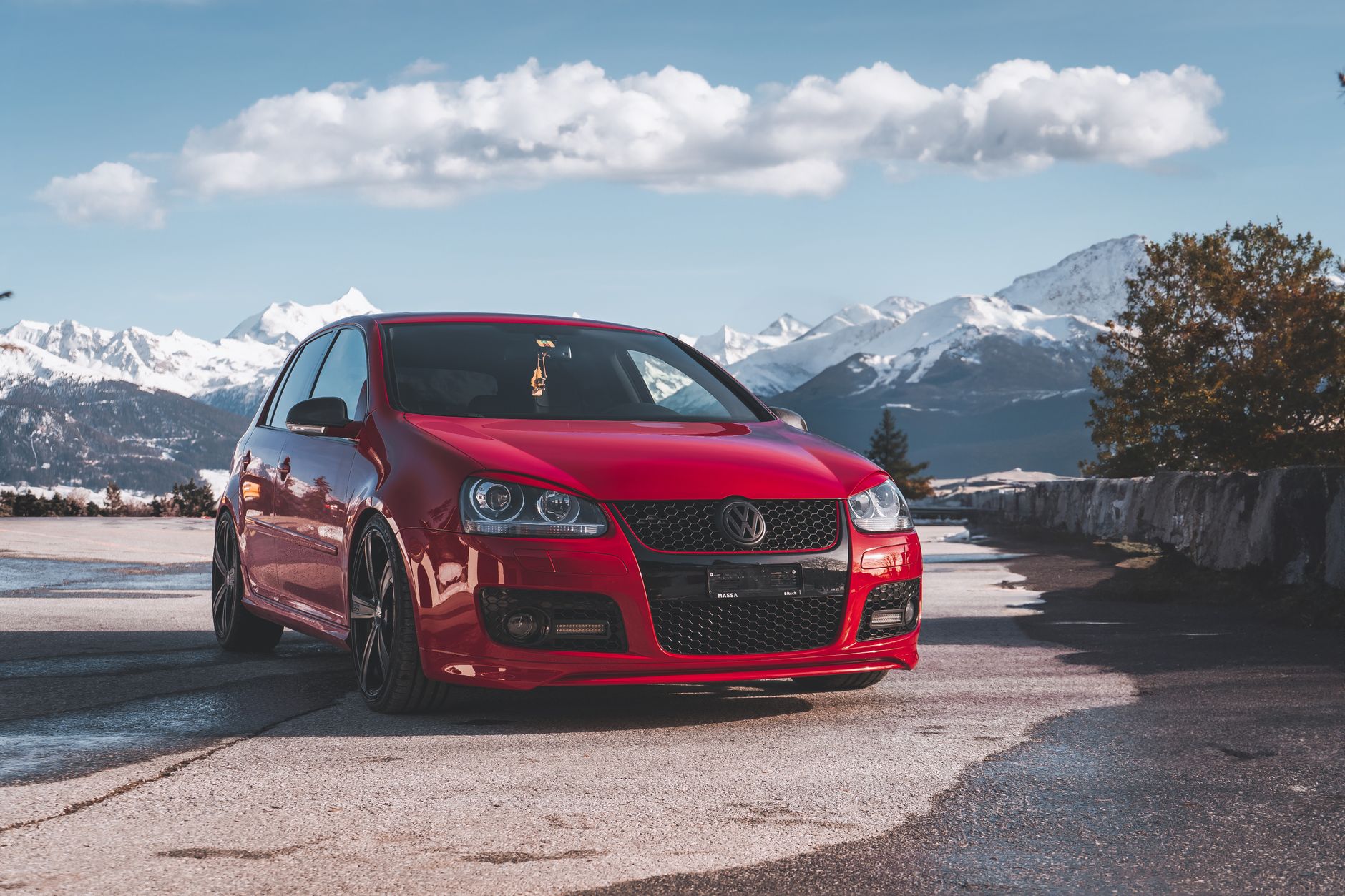
If I had a budget of around £15,000 and I wanted a manual car that combines driving pleasure with reasonable appreciation potential, my shortlist would be fairly specific. A well-documented Renault Megane RS 265 or 275 in Cup chassis. A Honda Civic FN2 Type R with full history. A Mk6 Golf GTI in manual with no power modifications. These hit the sweet spot between current affordability and long-term desirability.
Above £25,000, the FK8 Civic Type R is the obvious pick, but only a clean, low-mileage, standard example. The Ford Focus RS is compelling too, though cooling system issues on earlier cars need to be checked thoroughly before buying.
The window isn’t closed yet. But it’s closing. Manual gearbox cars UK buying in 2026 is genuinely competitive in a way it wasn’t two years ago, and that trend is only going one direction as the new car market shifts further toward automatics and EVs. Get in while the getting is still sane, or at least sanely priced.
Frequently Asked Questions
Are manual gearbox cars going up in value in the UK?
Yes, particularly manual-only performance cars from the 2010s. Models like the Honda Civic Type R FK8 and Renault Megane RS 275 have seen asking prices rise 15 to 20 per cent in the past year on UK classifieds. The trend is driven by the approaching ICE phase-out and manufacturers dropping manual options from new performance cars.
Which manual cars are the best to buy in the UK in 2026?
For appreciation potential, focus on cars that were manual-only by design with no automatic alternative in the same generation. The Honda Civic Type R FK8, Ford Focus RS, and Renault Megane RS Cup chassis versions are consistently cited as strong picks. Below £10,000, the Clio 182 and Civic FN2 Type R remain good options if you find a clean example.
Will manual gearbox cars become illegal in the UK?
No. The 2035 ban covers the sale of new petrol and diesel cars, not the use of existing ones. You’ll still be able to buy, sell, and drive manual cars on UK roads after 2035. The change simply means no new petrol or diesel cars (including manuals) will be sold from that point.