Colour is one of the most personal decisions you make about a car. More personal than the engine spec, arguably more personal than the wheels. And right now, the car colour trends 2026 is throwing at us are genuinely exciting, properly diverse, and in some cases absolutely wild. We’ve gone well beyond the tired debate of silver versus black. The paint and wrap game has evolved into something closer to self-expression at 70 mph.
Whether you’re building a show car, refreshing a daily driver, or just eyeing up what’s rolling through the car park at your next meet, here’s what’s dominating the scene right now, and what your pick quietly announces to the world around you.
Matte Earth Tones: The Understated Flex
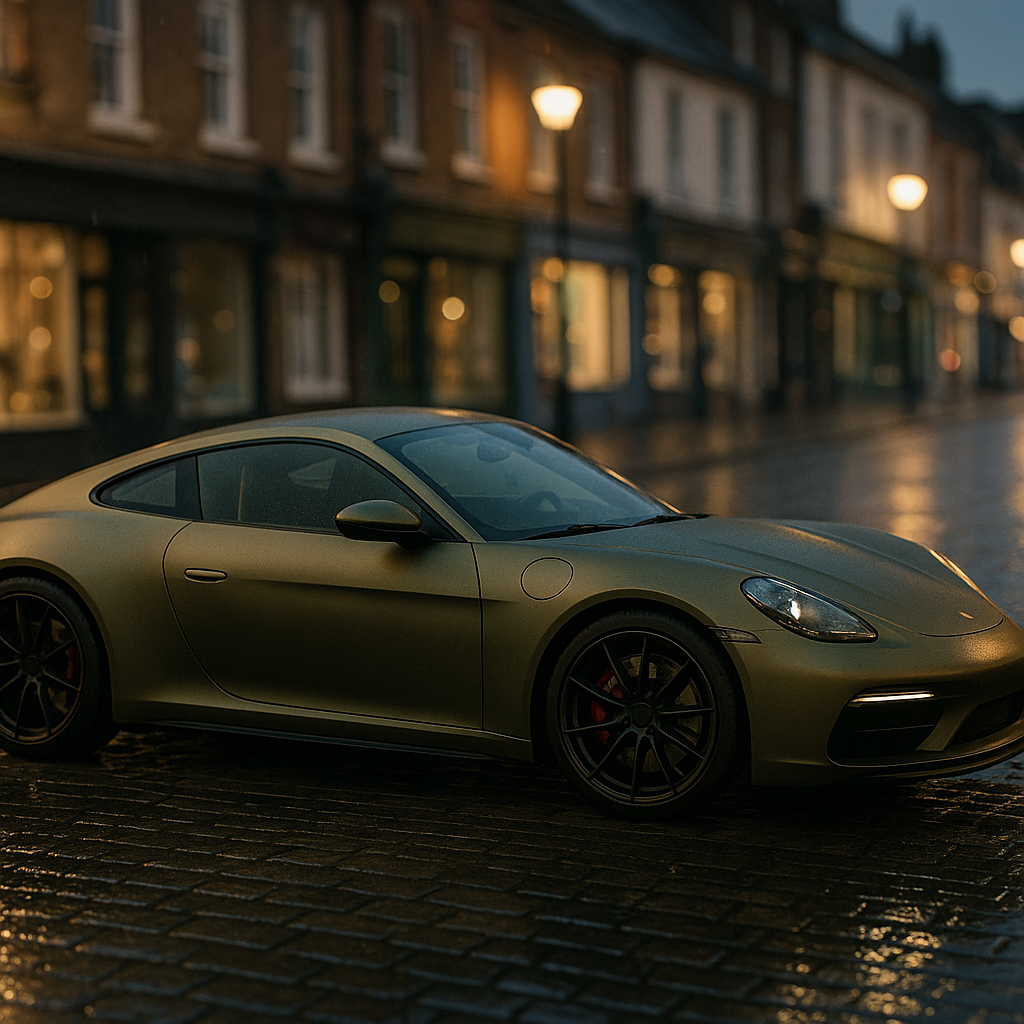
Matte finishes have been bubbling for a few years, but 2026 is the year they’ve gone properly mainstream without losing their edge. The key shades? Dusty sage, warm taupe, olive drab, and a deep desert sand that sits somewhere between brown and gold depending on the light. Think of it as the automotive equivalent of raw linen, deliberately unshowy, quietly expensive-looking.
You’re seeing these tones across everything from lifted Defenders to lowered Porsche 911s. The matte earth palette works especially well on larger SUVs where a gloss finish can look almost too flashy. It softens the bulk while adding a kind of rugged, off-grid aesthetic that resonates with the current obsession with outdoorsy culture. If you’re running a matte sage green wrap on your Land Cruiser, you’re basically saying: I’ve got places to be, but I’m not in a rush about it. Respectable energy.
One thing to note: matte finishes require specific care products. Standard wax and polish can ruin the texture. Stick to dedicated matte detailing sprays, and avoid automatic car washes entirely. The Which? car guides have useful rundowns on maintaining specialist finishes if you’re new to the matte world.
Chameleon and Colour-Shift Wraps: Maximum Drama, Zero Apologies
If matte earth is the introvert option, colour-shifting chameleon wraps are for people who genuinely want a crowd. These are the finishes that flip from deep purple to teal to gold depending on the angle and the light, and honestly, watching one move in direct sunlight is almost hypnotic.
The technology has improved significantly. Earlier chameleon wraps could look a bit artificial in certain lighting, but the 2026 crop of films from premium suppliers are producing transitions that feel genuinely organic. Pearl-infused versions are particularly impressive, layering a metallic depth underneath the colour shift so you get multiple effects simultaneously.
At UK car meets, these are absolutely show-stoppers. Run a colour-shift wrap and you will be answering questions all afternoon. The audience tends to skew toward the JDM and modified scene, where statement aesthetics are basically the point. If this is your vibe, you’ll fit right in alongside the builds we covered in our guide to JDM cars you can finally import to the UK in 2026.
Dark Metallics Are Back and They Mean Business
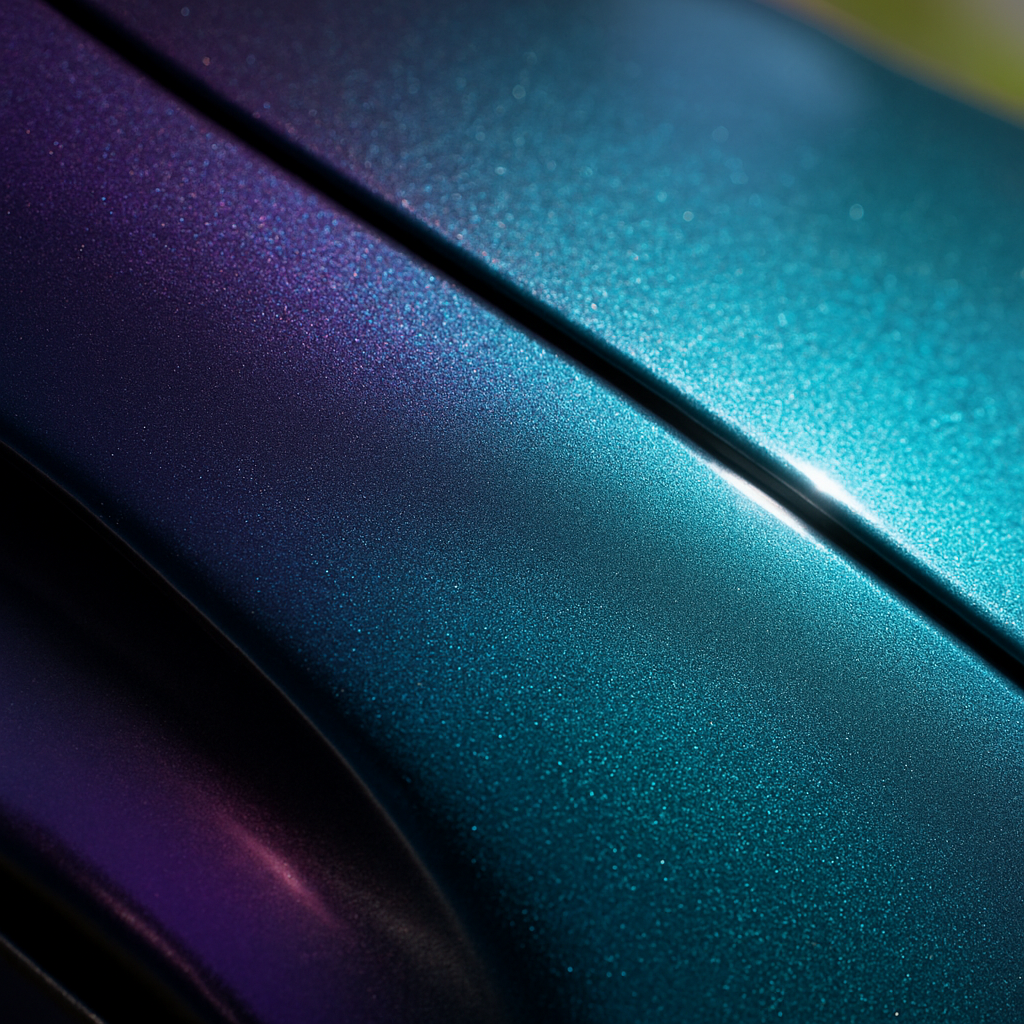
Midnight blue, deep burgundy, and gunmetal anthracite. The dark metallic revival in 2026 is less about being subtle and more about depth. These aren’t flat dark colours. The best examples have a liquid quality where the shade almost appears to move as you walk around the car.
Premium manufacturers are leading the charge here. BMW’s Frozen Dark Blue M individual programme, Porsche’s Gentian Blue Metallic, and bespoke options from coachbuilders like Mulliner at Bentley have all pushed dark metallics firmly into desirable territory. The trickle-down into the broader market means wraps replicating these effects are now widely available in the UK at accessible price points, typically ranging from £1,500 to £4,000 for a full professional wrap depending on vehicle size and complexity.
The person running a deep burgundy metallic on a GT86 or an Audi TT is someone who’s done their research. It’s knowledgeable taste without being aggressive about it.
Bright and Unapologetic: The Resurgence of Factory Bold
Simultaneously, there’s a counter-movement happening at the other end of the spectrum. Vivid, saturated factory colours are having a genuine moment. Fiesta ST Line Orange, Hyundai’s Fiery Red on the Ioniq 5 N, and particularly the electric blue options appearing across various hot hatches are pulling back against the years of greige and dark grey that dominated UK registration plates.
According to the Society of Motor Manufacturers and Traders (SMMT), grey has been the UK’s most popular car colour for several consecutive years. But the conversation at shows and on enthusiast forums suggests a real appetite to break away from that. Bold factory colours are increasingly being seen as a way to future-proof a car’s collectability, particularly for performance models. We touched on this mentality in our piece on why petrol cars are becoming the new collectibles, and colour is a significant part of that preservation story.
If you’re ordering a performance car in 2026 and going for a bold factory colour, you’re either deeply confident in your taste or you’re playing the long game on residuals. Probably both.
Satin: The Sweet Spot Nobody Talks About Enough
Caught between gloss and matte, satin finishes are genuinely underrated in the current conversation around car colour trends 2026. They share matte’s depth without the high-maintenance paranoia, and they give gloss’s reflectivity without the fingerprint visibility that makes some owners twitch.
Satin wraps in particular have become a favourite for people who want a refined, premium look without committing to a full custom aesthetic. Satin black on a blacked-out Volkswagen Golf R or satin silver on a classic restoration are the kind of choices that photograph brilliantly and look just as good in the metal.
What Your Colour Actually Says About You
Right, the bit you’ve been waiting for. Purely in the spirit of fun, here’s the rough shorthand the car community applies to colour choices:
Matte earth tone: You spend money quietly. You care deeply about things other people haven’t noticed yet. Your camping kit is probably immaculate.
Chameleon wrap: You’ve got confidence to burn and zero interest in blending in. You enjoy explaining things to people. You’ve probably got a YouTube channel or you’re considering one.
Dark metallic: Measured, considered, possibly a fan of driver-focused cars over show-offs. The kind of person who knows their way around a spec sheet.
Vivid factory bold: You picked the colour before the spec sheet. Life is too short for sensible choices, and the car park should reflect that.
Satin anything: Taste level: high. Stress level: appropriately managed. You know what you’re doing and you’re not making a fuss about it.
The Bottom Line on 2026’s Colour Scene
The car colour trends 2026 is throwing up are genuinely the most interesting in years. The grey monoculture that dominated UK roads for the past decade is cracking. People want personality, they want individuality, and the wrap industry has evolved to the point where almost any vision is achievable at a reasonable budget. Whether you’re going subtle with a satin earth tone or going full chameleon spectacle, there’s never been a better time to make your car actually look like yours.
Frequently Asked Questions
What are the most popular car colours in the UK in 2026?
Grey remains the statistically dominant colour on UK roads according to SMMT data, but among enthusiasts and new registrations, matte earth tones, dark metallics, and bold factory colours like vivid blues and oranges are growing rapidly. The trend is clearly moving away from the safe and the neutral.
How much does a car colour wrap cost in the UK?
A professional full vehicle wrap in the UK typically ranges from around £1,500 for a small hatchback to £4,000 or more for larger vehicles or premium specialist finishes like colour-shift chameleon films. Partial wraps for bonnets, roofs, or trim sections are considerably cheaper, often starting around £300 to £600.
Does changing your car colour with a wrap affect insurance?
Yes, you must inform your insurer if you change the colour of your vehicle, even with a removable wrap. Failing to disclose modifications can invalidate your policy. Some insurers treat wraps as a modification that may affect your premium, so it’s worth shopping around.
Are chameleon colour-shift wraps legal in the UK?
Yes, chameleon and colour-shifting wraps are legal in the UK provided the vehicle’s colour change is properly declared to the DVLA and your insurance company is notified. The wrap itself doesn’t affect roadworthiness, though reflective or excessively distracting finishes could attract scrutiny.
How do you maintain a matte car wrap or matte paint finish?
Matte finishes should be cleaned with pH-neutral, matte-specific products and never waxed with standard gloss wax, as this will create shiny patches. Avoid automatic car washes entirely. Hand washing with a soft microfibre mitt and using a dedicated matte detailer spray for maintenance will keep the finish looking sharp.