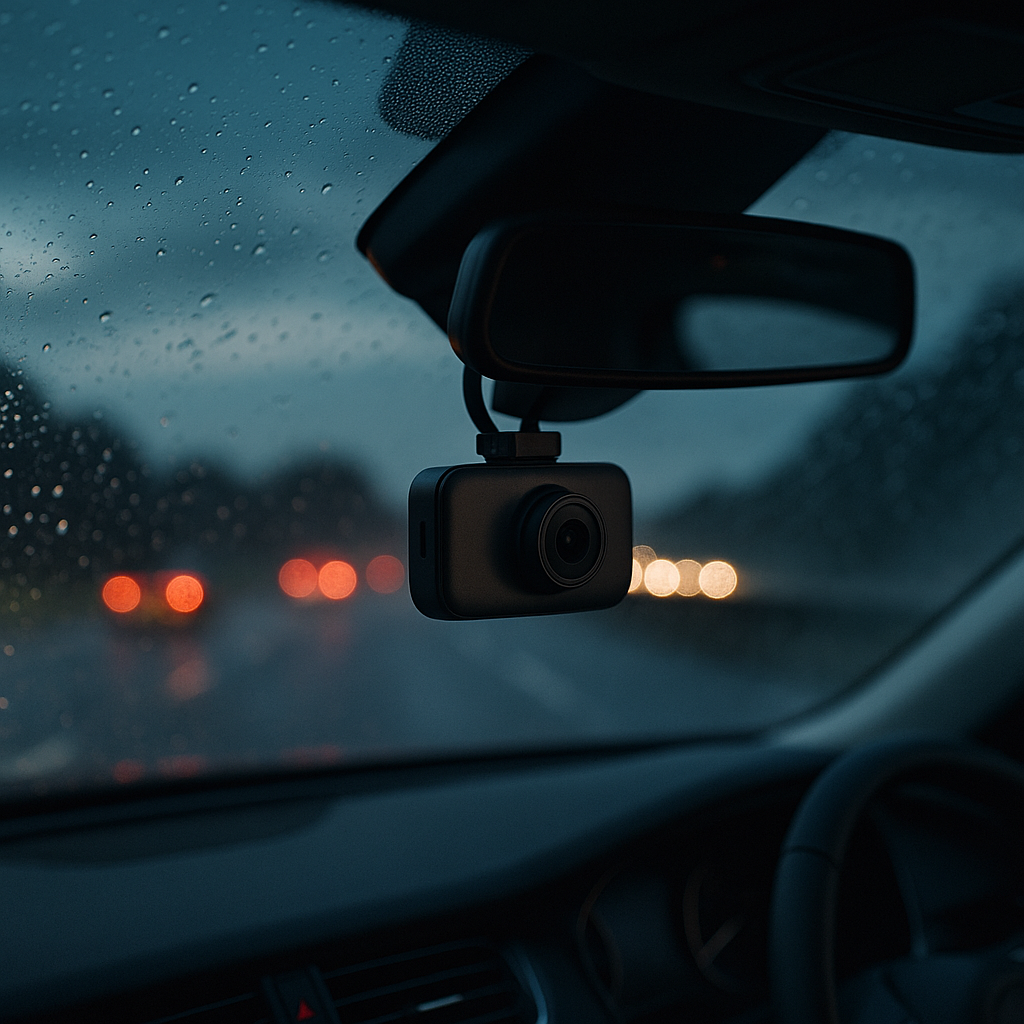
Dashcams are everywhere now. Nearly one in three UK drivers has one mounted to their windscreen, and that number keeps climbing every year. They have gone from a niche bit of kit favoured by lorry drivers to an absolutely standard piece of motoring gear. But here is the thing most people do not realise: owning a dashcam and using one legally are two very different conversations. The dashcam laws UK 2026 landscape is messier than most drivers expect, touching on GDPR obligations, police evidence requirements, insurance small print, and what happens when you post a clip online. Let us untangle it properly.
Do UK Dashcam Users Need to Worry About GDPR?
Short answer: yes, but not in the way you might think. The UK GDPR, enforced by the Information Commissioner’s Office (ICO), has a handy exemption called the “domestic purposes” exemption. If your dashcam is purely for your own personal use, recording your commute or capturing evidence if someone clips your wing mirror, you are largely protected under that exemption and do not need to register with the ICO.
The moment you start sharing footage publicly, though, things change. Uploading a clip to YouTube, posting it to a Facebook group, or chucking it on TikTok with someone’s face or number plate visible crosses you into personal data territory. At that point, UK GDPR applies. You become what is legally described as a data controller. Technically, you should have a lawful basis for processing that data. In practice, most people who post dashcam clips rely on the “legitimate interests” basis, which broadly means: you have a genuine reason to share this and it does not unfairly override the other person’s rights.
The ICO has published specific guidance on dashcams and domestic CCTV, and it is worth reading if you are a regular sharer. Blurring faces and plates before posting is good practice and keeps you well clear of any grey areas. You can find the ICO’s guidance at ico.org.uk.
Will Police Actually Accept Your Dashcam Footage as Evidence?
This is where a lot of drivers get a rude surprise. Yes, police can and do accept dashcam footage, but there are real conditions attached.
Operation Snap, which started in Wales and has since been adopted by forces across England and Scotland, is the main mechanism for submitting footage of dangerous driving or road traffic offences. You upload the clip through an online portal, usually via your force’s website, and it gets reviewed. If the footage is clear enough to identify the vehicle and the offence, it can lead to a prosecution or a driver awareness course being issued.
The catch is quality. Footage that is blurry, overexposed, or where the timestamp has not been set correctly will be dismissed. Police need to be able to identify the registration plate of the offending vehicle and see the incident clearly. A cheap dashcam with poor night vision or aggressive automatic exposure compensation can make a clip legally useless even if it captures something genuinely serious.
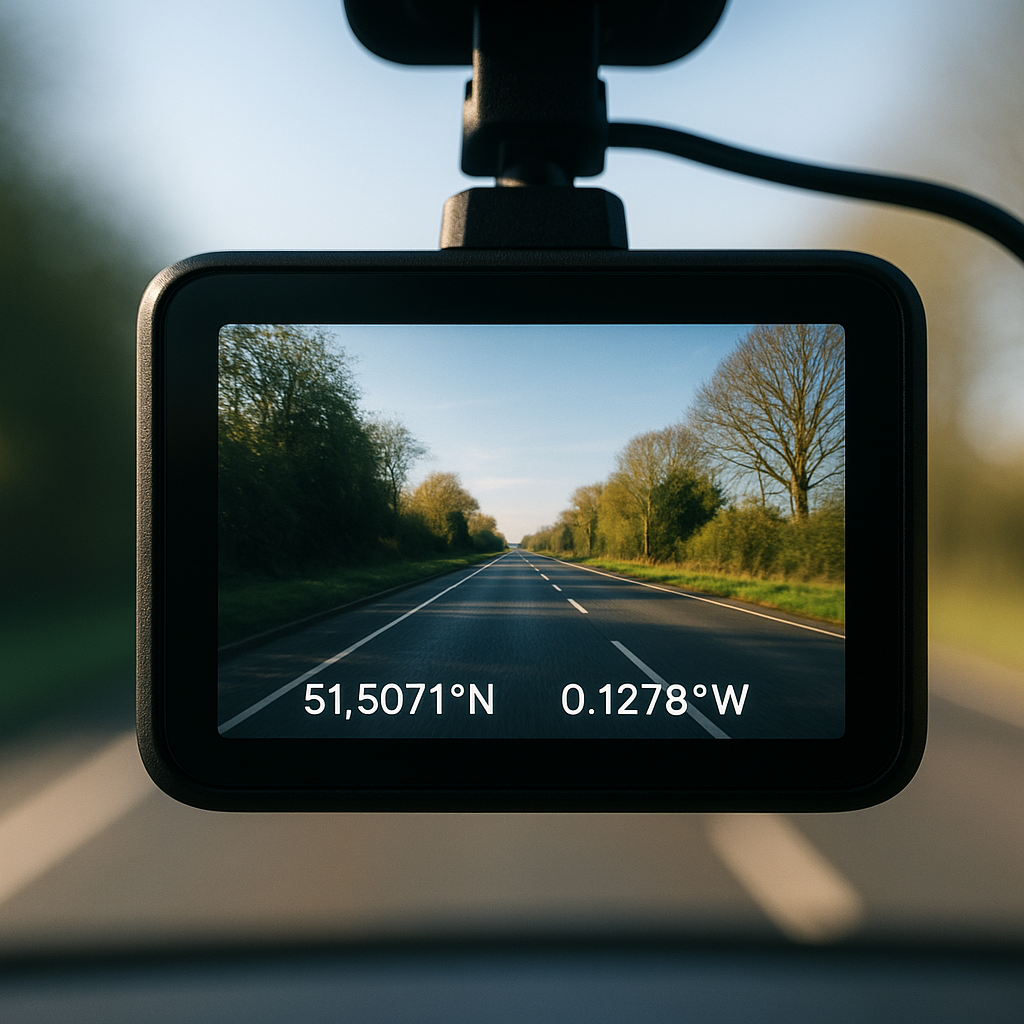
Footage timestamping matters more than most people realise. If your camera’s internal clock drifted or was never set properly, a defence solicitor can challenge the timeline of events. Keep your camera’s date and time settings accurate. It sounds minor. It is not.
Dashcam Laws UK 2026 and Insurance: What You’re Actually Entitled To
Insurance companies love dashcams in theory. In practice, your experience depends heavily on who you are insured with and what you have told them.
Many UK insurers, including Direct Line, Aviva, and several smaller specialist providers, offer a discount of anywhere between 5% and 15% for drivers who fit an approved dashcam. Some will only offer this discount if the camera is a GPS-enabled model that records speed and location data alongside video. Read your policy documents carefully because the definition of an “approved” dashcam varies between providers.
More importantly, footage can cut both ways in a claim. If you submit dashcam footage to support your case and it turns out the clip contradicts your version of events, you have handed your insurer a reason to reject the claim. This does not mean you should hide footage. Attempting to conceal evidence is fraud. But it does mean you should review your own footage before submitting anything and understand exactly what it shows.
There is also the question of what happens when the other party has a dashcam. In a disputed claim, both parties’ footage can be requested by insurers. The presence of a dashcam has effectively raised the evidentiary stakes of every single road incident in the UK.
How to Choose a Dashcam That Holds Up Legally
If you want a camera that actually performs when it matters, here is what to look for in 2026.
Resolution: 1080p is the Minimum, 2K is Better
For plate identification at distance, especially on a motorway, 1080p at 60fps is genuinely the bare minimum. Models from Nextbase, Viofo, and Garmin in the 2K and 4K range give you the kind of detail that holds up under scrutiny. The Nextbase 622GW and the Viofo A229 Pro are both popular choices in the UK right now for good reason.
GPS Logging: Non-Negotiable for Serious Evidence
A camera that logs your speed, location, and heading alongside video footage creates a much more robust evidential record. If you are ever in a serious incident, having corroborating GPS data makes your footage significantly harder to dismiss.
Parking Mode and Constant Power
Parking mode, where the camera activates on motion or impact while your car is stationary, is increasingly useful given the rise in car park scrapes and low-speed drive-offs. Make sure your camera has a hardwire kit option if you want reliable parking coverage without draining your battery.
Front and Rear: Cover All Bases
Rear-end shunts are one of the most common disputed claims in the UK. A dual-channel setup with a rear camera removes all ambiguity about who was following too closely or who reversed into whom. It is the single most practical upgrade you can make to a basic dashcam setup.
The Stuff Nobody Talks About: Windscreen Positioning and Obstruction Laws
Here is one that catches drivers out regularly. Under Rule 235 of the Highway Code and the relevant Road Traffic Acts, any obstruction to the driver’s view of the road is a potential offence. Mounting a dashcam in a position that obstructs your view through the windscreen, particularly if it is large or poorly positioned, can result in a vehicle defect notice or worse if you are stopped.
The general guidance from the Driver and Vehicle Licensing Agency (DVLA) and road policing units is to mount the camera behind the rear-view mirror, keeping it within the area swept by your windscreen wipers, and ensuring it does not infringe on your direct line of sight. Keep it neat, keep it small, and keep the cable tidy. A dashcam that causes distraction could ironically undermine your legal position in any incident.
Being clued up on dashcam laws UK 2026 is part of being a genuinely switched-on driver. The technology has got genuinely brilliant, the legal framework has mostly caught up, and the benefits in a disputed claim or a serious incident are real. Just make sure yours is set up properly, footage is stored securely, and you know exactly what you are looking at before you share anything. If you want more on keeping your car legally and technically sorted, have a read of our guide on what car mods are still road legal in 2026 and our breakdown of track day tyres vs road tyres. The more you know, the less anything can catch you out.
Frequently Asked Questions
Is it legal to use a dashcam in the UK in 2026?
Yes, dashcams are completely legal to use in the UK for personal motoring purposes. As long as the camera does not obstruct your view and footage is used responsibly, you are within the law. If you share footage publicly showing identifiable people or plates, UK GDPR applies.
Can dashcam footage be used as evidence in UK courts?
Yes, dashcam footage is admissible as evidence in UK courts and is regularly accepted by police through schemes like Operation Snap. The footage must be clear, timestamped accurately, and show the incident and involved vehicles identifiably. Poor quality or incorrectly dated footage can be challenged or rejected.
Do I need to tell my car insurer I have a dashcam?
You are not legally required to declare a dashcam to your insurer, but many UK insurers offer discounts of 5-15% if you have one fitted. Check your policy, as some discounts only apply to specific approved GPS-enabled models. Always review your own footage before submitting it in a claim.
Does having a dashcam affect my GDPR obligations as a UK driver?
For purely personal use, the ICO’s domestic purposes exemption covers you. If you post footage online showing identifiable people or number plates, you become a data controller under UK GDPR and need a lawful basis for sharing. Blurring plates and faces before uploading is the safest approach.
Where should I mount my dashcam to stay within UK law?
Mount your dashcam behind the rear-view mirror within the area swept by your windscreen wipers, where it does not obstruct your forward line of sight. Positioning it outside this area can constitute a windscreen obstruction offence under UK road traffic law. Keep cables tidy to avoid distraction claims.