There’s a particular kind of satisfaction in watching a car the mainstream dismissed as “boy racer nonsense” quietly transform into something people are genuinely fighting over in classifieds. The Mitsubishi Evo is doing exactly that right now. Prices in British classifieds have been creeping upward with a consistency that’s hard to ignore, and the cars that were sitting unsold at £8,000 five years ago are now getting snapped up at £15,000 before the listing is even a week old. The Mitsubishi Evo classic car UK conversation has well and truly started, and if you’re not paying attention, you’ll miss the window.
I’ve been tracking these cars in UK classifieds for a while now, and the trajectory feels genuinely similar to what happened with the early Subaru Impreza WRX and STI about a decade back. Understated at first, then suddenly everyone wants one and no one can afford the good ones.
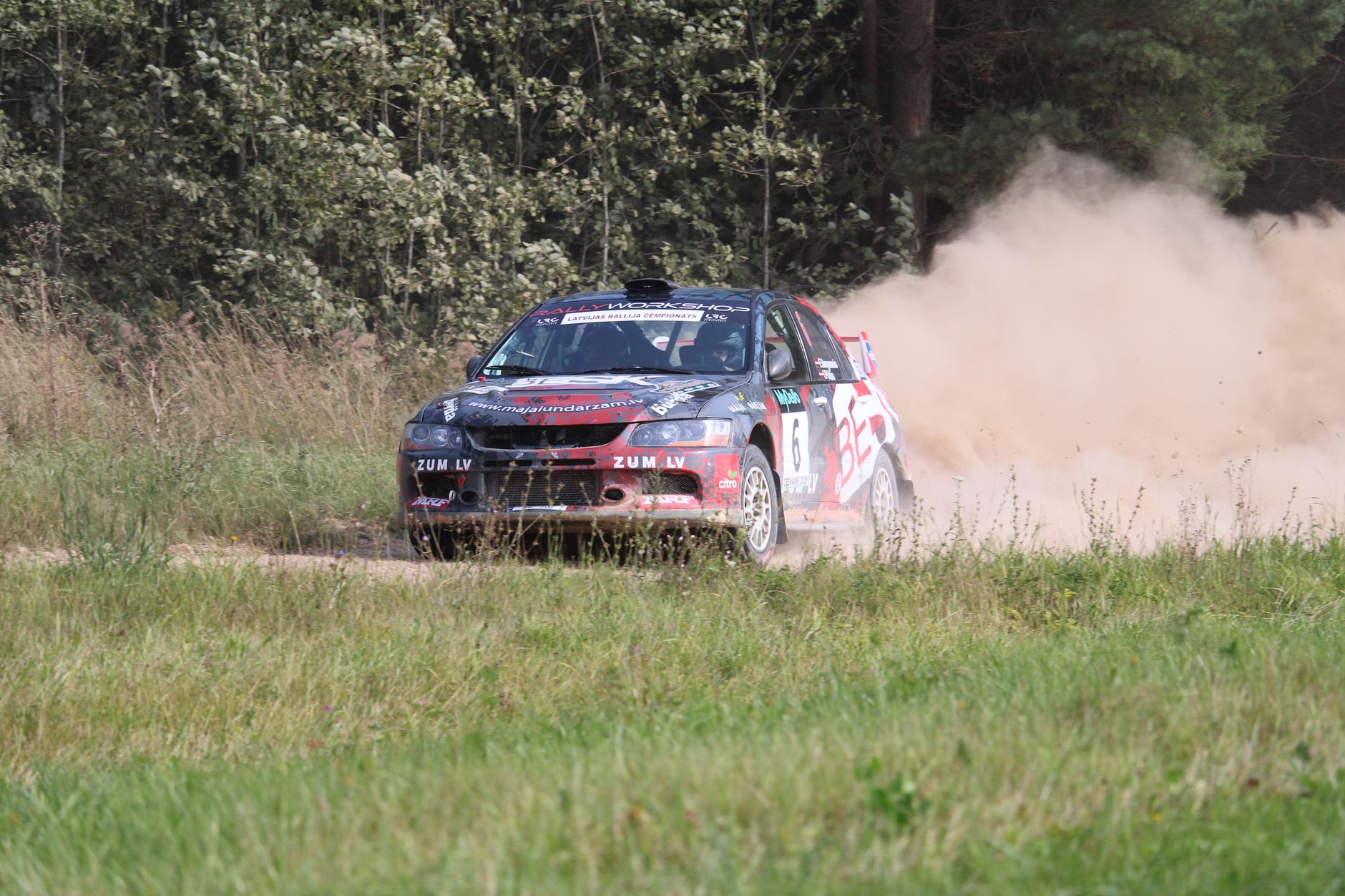
How did we get here? The Evo’s rise from used bargain to serious collectable
The Lancer Evolution ran from 1992 all the way through to the final X in 2016. Ten distinct generations, each one more refined than the last, and each one carrying that same basic recipe: a turbocharged 2.0-litre four-cylinder, Mitsubishi’s remarkable all-wheel-drive system, and just enough aggression in the bodywork to make your pulse tick upwards. For years in the UK, these sat in a weird in-between zone, too complex and demanding for casual buyers, not rare enough for serious collectors. That’s changed.
The pool of clean, low-mileage, unmodified examples is shrinking fast. A lot of these cars led hard lives. Track days, rolling road sessions, ill-advised boost maps applied by teenagers who’d watched too many YouTube videos. The survivors, cars with genuine service history, standard turbos, and bodywork that hasn’t been repaired four times, are now genuinely scarce. Scarcity does what scarcity always does to prices.
Which Evo generation is actually worth buying in the UK right now?
Let’s be honest about this, because the answer isn’t the same for everyone.
Evo IV to VI (1996-2001): These are the ones getting properly collectible. The Evo VI Tommi Mäkinen Edition in particular has been climbing steadily. Clean examples are now pushing £25,000 to £35,000 for the good ones, and I’ve seen properly original Mäkinen Editions listed closer to £40,000. These are rally homologation cars in spirit, and the market is treating them accordingly. If you’re buying one of these as a pure investment, the fundamentals are solid, but you need to be ruthless about condition. Rot in the sills and chassis rails is the killer. Get it on a ramp before you hand over a penny.
Evo VII to IX (2001-2007): This is where I’d focus if I wanted something I could actually use. The IX in particular is the sweet spot right now, refined enough to live with daily if you’re the sort of person who thinks daily-driving a 276bhp AWD rally car is a reasonable life choice (it is), but still raw enough to feel properly exciting. Prices for solid IX examples in the UK have moved from the £12,000-£15,000 range to £18,000-£24,000 for clean, genuine cars over the last 18 months. There’s still room to move.
Evo X (2008-2016): The most capable car Mitsubishi ever built in this line, and paradoxically the one the purists are coldest on. It’s heavier, uses a twin-clutch gearbox option that divides opinion, and lost some of the agricultural charm that made the earlier cars feel special. Values are stable but not flying in the same direction. The FQ-400 and FQ-300 variants are the ones to watch, but genuine UK-spec cars with full paperwork are rare.
What to inspect on a UK Evo before buying
Grey imports are everywhere in this market, and while a genuinely good Japanese-market Evo can be a fine buy, the paperwork trail matters enormously for insurance and future resale. The full honest picture on buying grey import performance cars in the UK is worth reading before you commit to anything shipped over from Japan.
On a UK-registered example, here’s what I’d be checking hard:
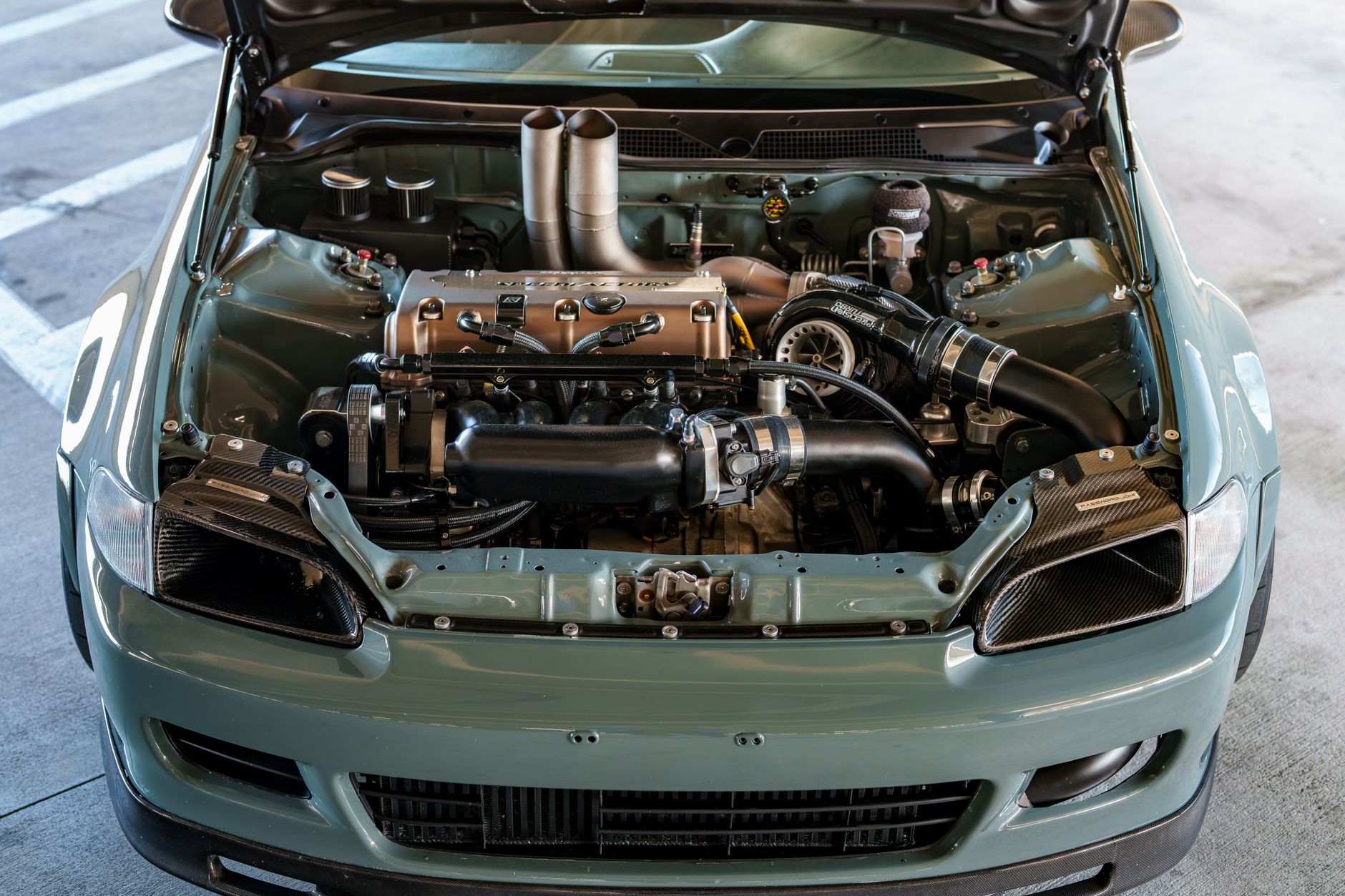
The turbo. These cars run hot and they run hard, and turbos that haven’t been properly serviced, regular oil changes, correct grade oil, proper warm-up and cool-down cycles, do not last forever. Listen for a faint whistle or any oil smoke at startup. The intercooler and boost pipes should be free of cracks and the jubilee clips should be tight. Any sign of oil weeping from boost pipes is a negotiating point at minimum, a walk-away moment at worst.
The AWD system. The active centre differential and rear LSD are genuinely clever bits of kit, but they’re not cheap to rebuild. A proper road test should reveal no vibration through the drivetrain under load. Any clunking from the rear diff on tight turns needs investigating. Prop shaft wear is common on high-mileage examples.
Bodywork and structure. Rally-replica styling means bonnet scoops, wide arches, and lots of panel edges where moisture sits. Check the sill ends, the arches behind the rear wheels, and the boot floor. Any filler or mismatched paint warrants a proper history check.
Modifications. This is the big one. A modified Evo isn’t automatically a bad buy, but you need to know exactly what’s been done and whether it’s reversible. Remaps and bigger intercoolers are one thing. Forged internals and big turbo conversions are another entirely. It’s also worth remembering that mechanics are increasingly reluctant to work on heavily modified performance cars, which makes an already complex car into an even more demanding ownership proposition.
How UK prices are trending right now
According to classifieds data I’ve been watching through 2026, the direction is unambiguously upward for clean examples. The caveat is condition, there’s a huge spread between a tatty, modified Evo IX with 120,000 miles and a genuine low-mileage car with a folder of receipts. The tatty ones are still available for under £10,000. The clean ones are not, and the gap between the two is widening.
The DVLA’s historic vehicle status doesn’t yet apply to most Evos (vehicles must be over 40 years old), but the cultural shift toward treating these as classics is happening regardless. Insurance companies are starting to offer agreed-value policies for the earlier generations, which is a reliable indicator that the industry sees long-term value here.
For parts availability, the picture is mixed. Mitsubishi UK’s own supply chain for Evo-specific components has thinned out considerably, which means leaning on specialists. There’s a good network of UK Mitsubishi enthusiast suppliers, and for general Mitsubishi mechanical components, Mitzybitz.com is a useful port of call that the wider Mitsubishi community in the UK tends to reference regularly.
Is now actually the right time to buy?
My honest read: yes, if you’re looking at the IV-IX range and you have the patience to find a genuinely clean car. The same logic that applied to the early Mazda MX-5 a few years ago applies here, the window where you can still find an unmodified, well-maintained example at a price that won’t make your accountant weep is narrowing. In two or three years, the really good ones will be priced out of reach for most of us.
The Evo’s specific combination of genuine motorsport heritage, a passionate global community, and the fact that Mitsubishi never made another performance car after the X was discontinued, gives it a story that collectors respond to. There’s a finality to the bloodline that adds weight to every clean example still out there.
Buy the best one you can afford, drive it on a good road occasionally, and keep the receipts. That’s essentially the whole strategy.