

Everyone knows about the North Coast 500. Everyone’s shared the same photo of their car on Bealach na Bà. And if I see another YouTube thumbnail of a hot hatch on the Cat and Fiddle, I might actually weep. The thing is, Britain is absolutely stuffed with world-class driving roads that never get talked about, never get crowded with camera crews, and never charge you a tenner to park at the viewpoint. I’ve spent a lot of weekends chasing these things down, and what follows is the honest shortlist: four regions where the best driving roads UK hidden gems are waiting for anyone with a half-decent car and a free Sunday morning.
Yorkshire Dales: the bits nobody drives
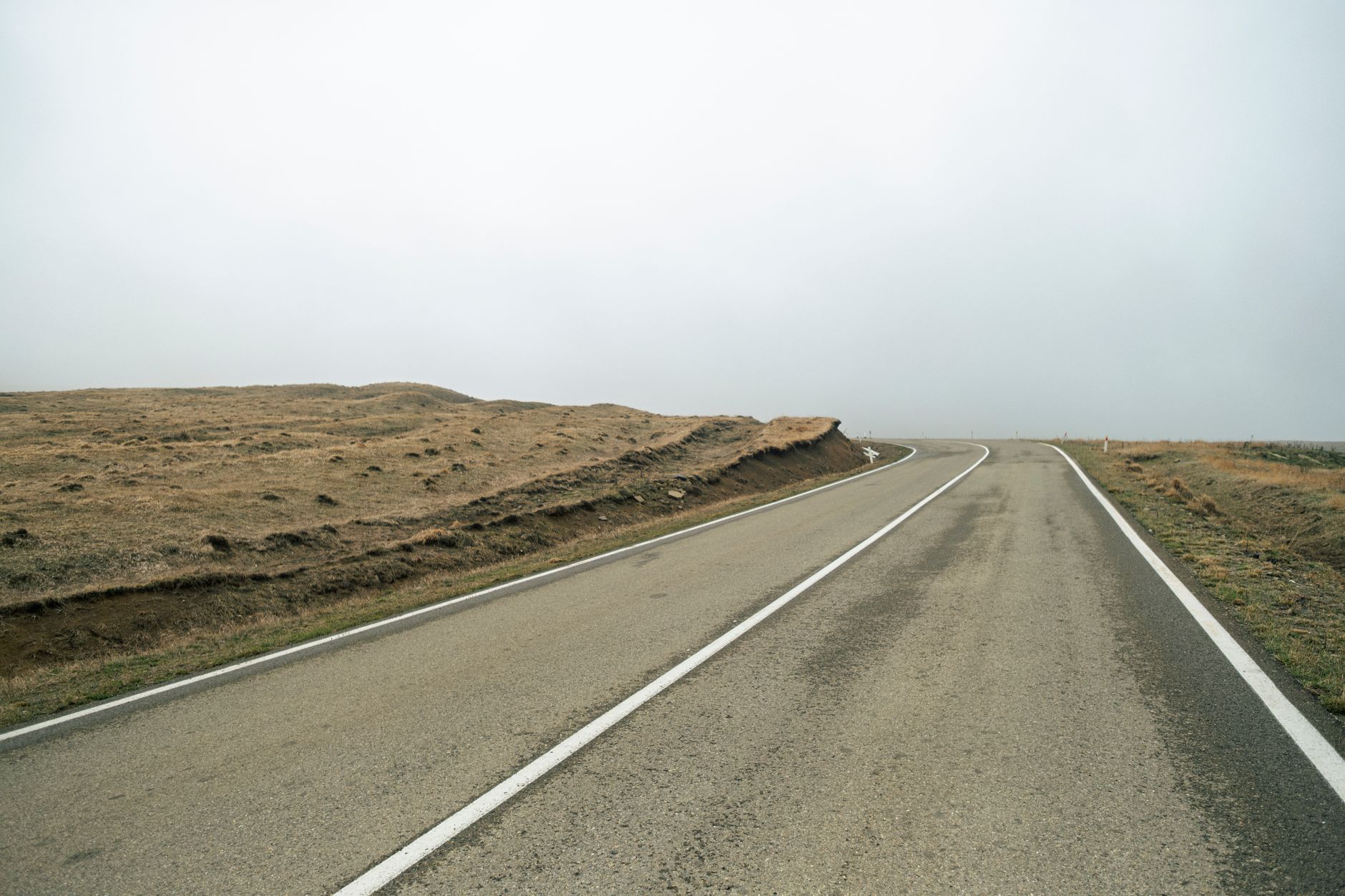
Most people who come to the Dales stick to the A684 between Hawes and Sedbergh, which is decent but hardly secret. The real gold is further north and east. The road between Kettlewell and Leyburn via Coverdale (the B6160 turning into the minor road through Carlton and Agglethorpe) is a proper enthusiast’s route. Narrow, yes, but the surface is surprisingly good for the Dales, the gradient changes keep you working through the gearbox, and traffic is almost non-existent outside of July and August.
Further up, the road from Keld across to Tan Hill and then dropping down towards Brough on the B6270/B6276 corridor is seriously underrated. Open moorland on both sides, long sightlines so you can actually use third gear without terror, and virtually zero caravans because most people don’t know it’s there. Fuel note: Hawes has a petrol station in the town centre, and there’s another in Kirkby Stephen about 12 miles east. Don’t push it across the moor on a quarter tank.
Mid-Wales: not just the Elan Valley
The Elan Valley gets a mention in every driving article, so I’ll skip it. What doesn’t get mentioned is the string of roads between Llanidloes and Machynlleth through the Dyfi Forest. The B4518 from Llanidloes up to Staylittle is short but absolutely ferocious in the best possible way: tight bends, a genuinely challenging surface (expect patching in places, so don’t carry too much speed into blind crests), and an almost eerie emptiness. From Staylittle you can pick up the mountain road across to Machynlleth, which drops you down into the Dyfi valley with views that make you want to pull over and just stare.
If you’ve been hunting a manual gearbox car specifically for this kind of driving, mid-Wales is genuinely the best argument for one. These roads reward mechanical engagement in a way that paddles just don’t. Surface quality is variable, so anything with adjustable dampers wants to be in its softer setting. Fuel in this stretch is tight: Llanidloes has two petrol stations, and there’s one in Machynlleth at the other end. The gap in between is long enough to matter.
Dumfries and Galloway: Scotland’s forgotten corner
The Scottish driving conversation starts and ends with the Highlands, which means Dumfries and Galloway gets almost no attention at all. That’s an absolute gift. The road from New Galloway south-west to Newton Stewart via Clatteringshaws Loch (the A712) is one of my favourite roads in the country. It threads through Galloway Forest Park, which is a Dark Sky Park, and on a clear morning the light through the trees is something else entirely. The surface is good, the road is wide enough to feel confident, and you can run a fair pace without spending the whole time staring at the verge.
From Newton Stewart, the B7005 and B741 loop north through Bargrennan and up into the hills before connecting back toward the A76. This whole pocket of south-west Scotland has the feel of proper adventure driving without any of the Highland Tourist Trail nonsense. Nearest fuel is Newton Stewart itself, which has a supermarket petrol station, or Castle Douglas to the east. The VisitScotland Dumfries and Galloway guide is worth a quick read for accommodation if you want to make a full weekend of it.
One thing worth flagging: if your car is running anything aggressive in the suspension department, the minor roads off the B741 can be rough. I’d park the coilover setup and just enjoy the forest roads on standard geometry. Anyone who’s dealt with the practical realities of running a grey import in the UK will know exactly what I mean about choosing your battles with road surfaces.
Lincolnshire Wolds: the flat county that isn’t
Right, hear me out. Lincolnshire has a reputation as the UK’s ironing board, and the western half earns it. But the Wolds, running roughly from Louth in the north down towards Horncastle, are genuinely hilly in a way that surprises everyone who hasn’t been. The roads here are fast, smooth, and almost completely empty. The B1225 between Caistor and Horncastle is an absolute stormer: long straights that let you build speed properly, broken up by crests and dips that load and unload the suspension in a way that tells you exactly what your car is doing.
The lane network around Tetford, Somersby (Tennyson’s birthplace, if you care about that sort of thing) and Bag Enderby is tight and technical without being treacherous. A hot hatch in here, on a weekday morning before the farm traffic gets going, is properly brilliant. Surface quality is high for B-roads: Lincolnshire County Council has been investing in resurfacing across the Wolds network, and it shows underfoot. Fuel is available in Louth, Horncastle, and Market Rasen, none of them more than 15 miles from any point on these roads.
Making the most of these routes
A few things I always do before heading to any of these. Check the type of car you’re running against the road character: mid-Wales minor roads will punish a stiff track setup, whereas the Lincolnshire Wolds suit almost anything. Download offline maps because mobile signal is patchy in Galloway and across the Dales moors. And give serious thought to the fuel stops I’ve mentioned, because running dry 20 miles from anywhere isn’t a personality trait, it’s just inconvenient.
Also, early starts win. These roads are transformed by emptiness. I’ve driven the Yorkshire Coverdale route at 7am on a Saturday in April and seen perhaps four vehicles. The same road at 11am in June is a convoy of tractors and campervans. The driving is completely different. Pick your window, take a flask of coffee, and actually use the roads for what they’re there for.
Britain really does have some extraordinary driving tucked away in places nobody bothers to Google. You just have to stop scrolling past the usual lists and go and find them.
Leave a Reply