Category: Motoring

  • What Is Vehicle-to-Grid Technology and Why Should UK Drivers Care?

    What Is Vehicle-to-Grid Technology and Why Should UK Drivers Care?

    Your electric car sitting on the driveway overnight is basically a giant battery doing absolutely nothing. That feels like a waste, right? Vehicle to grid technology UK is the concept that flips that idea on its head, turning your EV from a passive lump of lithium into an active part of the national energy system. It sounds like sci-fi. It is not. It is happening right now, and if you own an EV or you are thinking about getting one, this is worth understanding properly.

    Electric vehicle connected to a V2G home charger on a UK driveway, illustrating vehicle to grid technology UK
    Electric vehicle connected to a V2G home charger on a UK driveway, illustrating vehicle to grid technology UK

    So What Exactly Is Vehicle-to-Grid (V2G)?

    V2G, short for vehicle-to-grid, is a bidirectional charging system. Traditional EV charging only works one way: electricity flows from the grid into your car. V2G reverses that flow when needed, letting energy stored in your car’s battery feed back out, either into your home or directly into the National Grid. Your car becomes a distributed energy asset rather than just a thing you drive to Tesco and back.

    The mechanics involve a special V2G-capable charger and a compatible vehicle. Not all EVs support it yet, which we will get to shortly. But the principle is straightforward: the grid needs balancing at peak times, your battery has spare capacity, and V2G creates the conditions for energy to move in both directions intelligently, usually managed by smart software that monitors grid demand, your own energy usage, and how much charge you actually need for your next journey.

    How Does V2G Actually Work in a UK Home?

    Picture this. You plug in overnight. Your charger draws cheap off-peak electricity, typically between midnight and 6am, and tops up your battery. Then, during the evening peak, say between 4pm and 8pm when demand and prices spike, the system exports some of that stored energy back to the grid or diverts it to power your home directly. That second scenario is technically called vehicle-to-home (V2H), a closely related technology, but the two terms are often used loosely together.

    In the UK, smart tariffs from suppliers like Octopus Energy make this genuinely compelling. Octopus Intelligent Flux, for example, prices electricity dynamically throughout the day. A V2G setup can buy at the cheap rate and export at the expensive rate, effectively arbitraging the price difference and earning you credits or reducing your bill. Some early trials suggest households could save between £400 and £700 per year, depending on their tariff and usage patterns.

    Close-up of a smart V2G charger unit on a UK home wall, part of vehicle to grid technology UK infrastructure
    Close-up of a smart V2G charger unit on a UK home wall, part of vehicle to grid technology UK infrastructure

    Which EVs Support Vehicle-to-Grid in the UK Right Now?

    This is where the reality check kicks in. V2G requires CHAdeMO charging compatibility for proper bidirectional operation, or increasingly, vehicles with CCS protocols that support it. Right now in the UK, the Nissan Leaf (with CHAdeMO) and the Nissan Ariya are among the most established V2G-ready vehicles. Mitsubishi’s Outlander PHEV has long supported V2H capability too. Volkswagen’s ID range is pushing towards V2H capability, and several manufacturers have confirmed full V2G support in upcoming models.

    Honestly, the hardware has been slightly ahead of the ecosystem. Dedicated V2G chargers, like those from Wallbox and Indra, are available in the UK but still carry a premium over standard home chargers, typically £1,000 to £2,000 installed. The Office for Zero Emission Vehicles (OZEV) has been funding trial programmes, and the government’s smart charging regulations are building the framework for wider rollout. You can check the current guidance and eligible grant information over at gov.uk’s vehicle-to-grid collection.

    Why V2G Matters Beyond Just Saving Money

    The financial angle is the obvious hook, but vehicle to grid technology UK has implications that stretch well beyond your electricity bill. The National Grid Electricity System Operator has a significant challenge: as EV adoption scales up, millions of cars charging at peak times could destabilise the grid. V2G is a partial solution. Instead of being a problem, EVs become a flexible buffer, absorbing excess renewable energy when supply is high and returning it when demand spikes.

    Think of it this way. The UK has committed to enormous offshore wind capacity. Wind does not care about what time of day it is. It blows when it blows. There are periods when wind generation outstrips demand and prices go negative. V2G-equipped vehicles can soak that up cheaply, then redistribute it later. At scale, this significantly improves grid efficiency and accelerates the viability of renewable energy. Your Nissan Leaf is not just your commuter car; it is quietly helping the country hit its net zero targets. That is a genuinely cool thing.

    Is V2G Worth It for UK EV Owners in 2026?

    The honest answer is: it depends on your setup, but the window is opening fast. If you already own a CHAdeMO-compatible Nissan or a newer vehicle with V2G capability, and you are on a time-of-use tariff, the economics are starting to make sense. The upfront cost of a V2G charger is the main barrier, but prices are falling and the savings accumulate over time.

    For those still shopping for an EV, it is worth factoring V2G compatibility into your decision now, even if you do not set it up immediately. It adds long-term value to the vehicle and future-proofs your home energy setup. If you are deep into the EV rabbit hole already, you might want to pair your V2G research with a look at our used performance car buying guide to see what EV options are worth considering on the second-hand market right now.

    The Bigger Picture for UK Car Culture

    There is something genuinely exciting about the direction this is heading. Car enthusiasts have always been obsessed with what a vehicle can do beyond simply moving people from A to B. Modification culture, performance upgrades, track days, all of that stems from the same impulse: getting more out of a machine than its base specification suggests. V2G is that same energy, just pointed at the grid instead of a circuit.

    The EV-sceptic crowd often argue that electric cars strip the soul out of driving. But V2G flips the script entirely. Your car earns money while parked. It powers your home during a blackout. It supports national renewable energy infrastructure. That is not a boring car; that is a ridiculously capable one. The tech is maturing quickly, the tariffs are getting smarter, and the compatible vehicle list is growing. Vehicle to grid technology UK is no longer a fringe concept. It is becoming a genuine selling point, and smart EV owners are already paying attention.

    Frequently Asked Questions

    What is vehicle to grid technology and how does it work in the UK?

    Vehicle to grid (V2G) technology allows electric vehicles to send stored energy back to the National Grid or power your home, rather than just receiving charge. A bidirectional charger and a compatible EV are required, and smart tariffs help maximise the financial benefit by buying cheap overnight energy and exporting it at peak times.

    Which electric cars support V2G in the UK?

    Currently, the most established V2G-ready vehicles in the UK include the Nissan Leaf (CHAdeMO) and Nissan Ariya. Mitsubishi’s Outlander PHEV supports vehicle-to-home (V2H), and several new models from Volkswagen and others are adding V2G capability. Always check your specific model’s charging protocol before purchasing a V2G charger.

    How much money can I save with vehicle to grid technology in the UK?

    Early UK trials and estimates suggest households with a V2G-capable setup and a smart time-of-use tariff could save between £400 and £700 per year. Actual savings depend on your energy tariff, how much you drive, and how much spare battery capacity is available for export.

    How much does a V2G charger cost to install in the UK?

    A dedicated V2G home charger typically costs between £1,000 and £2,000 installed in the UK, compared to around £500 to £900 for a standard smart home charger. Prices are falling as adoption grows, and the Office for Zero Emission Vehicles (OZEV) has run grant-supported trial programmes worth monitoring.

    Is vehicle to grid technology available across the UK or only in certain areas?

    V2G technology is available across mainland UK in principle, as it relies on your home energy setup and a compatible charger rather than location-specific infrastructure. However, smart tariffs that maximise V2G benefits, like those from Octopus Energy, require a smart meter, which is now widely available through most UK energy suppliers.

  • How to Build the Perfect Car Photography Setup Without Breaking the Bank

    How to Build the Perfect Car Photography Setup Without Breaking the Bank

    You don’t need a £10,000 camera rig and a professional studio to shoot cars that stop people mid-scroll. Some of the most iconic automotive photography floating around Instagram right now was shot on a mid-range mirrorless and a healthy obsession with golden hour. Whether you’re documenting your own build, trying to grow a following, or just want to do your motor justice, these car photography tips for beginners will get you from fumbling with your phone to producing proper editorial-level shots — without remortgaging your flat.

    Modified hot hatch on a dramatic UK mountain road at golden hour, perfect inspiration for car photography tips for beginners
    Modified hot hatch on a dramatic UK mountain road at golden hour, perfect inspiration for car photography tips for beginners

    Why Location Is Everything in Car Photography

    You could park a Ferrari next to a Lidl wheelie bin and it’d still look like a mess. Location is arguably the most powerful tool in your kit, and the good news is the UK is absolutely loaded with stunning backdrops that cost nothing to access.

    Industrial estates around places like Sheffield, Manchester’s Trafford Park, and East London’s Hackney Wick offer raw, textured backdrops — exposed brick, rusted shutters, cracked tarmac — that give any car a gritty edge. For something more cinematic, the A537 Cat and Fiddle road in the Peak District is a properly dramatic stretch of tarmac. Wales hands you sweeping mountain passes like the Bwlch y Groes, which is genuinely world-class if you time it right. And if you’re after that clean, minimal look, multi-storey car parks (especially older, brutalist ones) give you geometric lines and shade that no studio can replicate.

    Scout locations on Google Street View first. Check what direction the road faces so you can plan around the sun. The free Met Office weather forecast is your best mate for planning shoots — an overcast sky is actually perfect for car photography, as it acts like a giant softbox and eliminates harsh reflections on paintwork.

    Lighting: The Thing Most Beginners Get Wrong

    Hard midday sun is brutal for shooting cars. It creates hotspots on bonnets, deep shadows under wheel arches, and generally makes everything look flat and harsh. What you want is softer, directional light — and the UK’s naturally moody skies are genuinely an asset here.

    Golden hour (the 30-45 minutes after sunrise and before sunset) is the classic choice. Light rakes across the car at a low angle, picking out body lines, casting dramatic shadows, and adding warmth to any colour. Blue hour, the brief window after sunset, gives you deep, cool-toned skies that look insane paired with a car’s interior lights or headlights switched on. For daytime shoots, look for open shade — the shadow side of a building or under a motorway bridge — which gives you even, diffused light with no nasty reflections.

    One simple tool that makes a real difference: a cheap reflector (you can grab a 5-in-1 kit from Amazon for around £15) to bounce fill light into shadow areas. It sounds basic, but it genuinely transforms shots.

    Photographer capturing car photography tips for beginners with close-up wheel arch shot in a UK industrial setting
    Photographer capturing car photography tips for beginners with close-up wheel arch shot in a UK industrial setting

    Camera Gear That Won’t Cost You a Fortune

    Right, the gear talk. First, a reality check: your phone is probably better than you think. A modern iPhone 15 Pro or Samsung Galaxy S24 Ultra will produce images that, with good light and composition, rival entry-level DSLRs. If you’re starting out, shoot on your phone, learn the fundamentals, then upgrade.

    When you’re ready to step up, the second-hand mirrorless market is brilliant for this. A used Sony A6000 or Fujifilm X-T30 can be found for £250-£400 on MPB or Wex Secondhand, and both produce stunning results. For lenses, a 35mm or 50mm prime gives you a natural perspective that flatters car proportions — nothing too wide, which distorts panels, and nothing too long, which flattens depth. Wide-angle (anything under 24mm) is only really useful for dramatic low-angle detail shots, like a wheel or an exhaust tip.

    A tripod is worth its weight in gold for static shots, particularly at blue hour when you need longer exposures. A decent carbon fibre travel tripod comes in around £60-£80 from brands like K&F Concept. Essential, not optional.

    Composition Tricks That Actually Work

    Composition is where most car photography tips for beginners fall flat — it gets overlooked in favour of gear chat. Here’s what actually moves the needle.

    • Get low. Shooting from wheel height or below gives cars a more imposing, dramatic stance. Most people shoot from standing eye level, which produces boring, catalogue-style images.
    • Use leading lines. Roads, kerb edges, painted lines in car parks — these naturally draw the eye toward the car. Park the car at the end of a long straight and shoot from distance.
    • Leave breathing room. Don’t fill the entire frame with the car. Give it space, especially if the background is strong. Let the environment tell part of the story.
    • Shoot the details. Badges, exhausts, stitching on the steering wheel, brake callipers peeking through spokes — macro-style detail shots make a set feel complete and professional.
    • Try a rolling shot. For moving shots, you’ll need a second driver and either a camera arm or someone shooting out of a passenger window. Keep shutter speed low (around 1/60th to 1/100th of a second) to blur the background and convey speed. This takes practice but looks exceptional when nailed.

    Editing on a Budget: Free Tools That Actually Deliver

    Adobe Lightroom is the industry standard and worth every penny of the £11.99/month Photography Plan, but if you’d rather not subscribe, Lightroom Mobile is free and has most of the same sliders. Snapseed is a brilliant free option for mobile editing. For desktop users, Darktable is a genuinely powerful free alternative to Lightroom that handles RAW files without complaint.

    Keep edits natural. The temptation early on is to crank contrast and clarity to eleven, but restraint usually wins. Lift the shadows slightly, recover highlights on the bodywork, add a subtle fade to the blacks for that filmic look, and be careful with saturation — a little goes a long way. Export at full resolution and always shoot RAW if your camera supports it. JPEG in, JPEG out leaves you very little room to work with.

    If you’re building a portfolio or content calendar, consistency in your edit style matters more than any single brilliant shot. Find a look you like and apply it across a set of images — it makes your feed feel intentional rather than accidental.

    Growing as an Automotive Photographer in the UK

    Join a local car meet. Seriously. Events like the Caffeine and Machine gatherings in Warwickshire, Japanese car shows across the Midlands, and countless local cruise nights give you access to stunning metal at no cost, plus a genuinely enthusiastic community that’ll happily let you shoot their cars in exchange for the images. It’s the quickest way to build a portfolio fast.

    Tag owners when you post their cars. Reach out, share the files, be generous with your edits. The automotive photography community in the UK is tighter-knit than you’d think, and reputation spreads quickly. If your shots are good and you’re easy to work with, word travels.

    If you’re looking to sharpen your eye on what good automotive photography actually looks like, spend time on the editorial pages of publications like Evo and Autocar. Study how they compose moving shots, how they use landscape, and how they light hero images. It’s free education.

    And if you need inspiration for your next shoot subject, check out our recent deep-dive into buying a used performance car in the UK — because the best car photography always starts with a brilliant car to shoot. These car photography tips for beginners only get you so far; the rest is reps, experimentation, and turning up even when the weather looks sketchy. (Spoiler: moody skies nearly always look better in photos than you’d expect.)

    Frequently Asked Questions

    What camera is best for car photography as a beginner?

    Your smartphone is a solid starting point — modern flagship phones like the iPhone 15 Pro handle car photography remarkably well in good light. When you’re ready to step up, a used Sony A6000 or Fujifilm X-T30 (available from around £250-£350 second-hand) paired with a 35mm or 50mm prime lens will give you excellent results without a huge outlay.

    What time of day is best for shooting cars?

    Golden hour — the 30-45 minutes after sunrise or before sunset — gives you warm, directional light that flatters bodywork and creates dramatic shadows. Blue hour, just after sunset, is brilliant for a moodier, cooler look. Overcast days are also underrated, as the cloud cover acts as a natural diffuser and eliminates harsh reflections on paintwork.

    Where can I find good car photography locations in the UK?

    The UK has brilliant options for free. Industrial areas in cities like Manchester, Sheffield, and East London offer gritty urban backdrops, whilst roads like the Cat and Fiddle in the Peak District or the Bwlch y Groes in Wales deliver dramatic scenery. Brutalist multi-storey car parks also work exceptionally well for a clean, geometric aesthetic.

    How do I avoid reflections on car paintwork when shooting?

    Shoot during overcast conditions or in open shade for naturally diffused light that minimises reflections. Avoid harsh midday sun, which creates hotspots on bonnets and roofs. Positioning the car so it faces away from direct sun also helps, and polarising filters (available for around £20-£40) can reduce glare significantly on shinier panels.

    Do I need editing software to get good car photography results?

    Editing can genuinely make or break a shot, but you don’t need to spend a fortune. Lightroom Mobile is free and powerful, Snapseed works brilliantly on mobile, and Darktable is a capable free desktop alternative. Shoot in RAW if your camera allows it, as this gives you far more flexibility when adjusting exposure, highlights, and colour in post-processing.

  • JDM Legends Making a Comeback: The Japanese Icons Returning in 2026

    JDM Legends Making a Comeback: The Japanese Icons Returning in 2026

    There is something almost mythological about the golden era of Japanese performance cars. The turbocharged Group A homologation specials, the twin-cam screaming hot hatches, the GT coupes that embarrassed supercars for a fraction of the price. For a long time, it felt like that chapter was closed. Then the industry did something unexpected: it started opening the book again. JDM cars 2026 is shaping up to be one of the most exciting moments in Japanese automotive history since the 1990s, with manufacturers dusting off legendary nameplates and reimagining them for a new generation of drivers who are absolutely here for it.

    But revivals are a double-edged sword. Badge nostalgia is easy. Actually capturing what made the original car feel special is considerably harder. So let’s get into it properly, nameplate by nameplate, and separate the genuine comebacks from the cynical badge jobs.

    Classic and modern JDM cars 2026 side by side on a mountain road at golden hour
    Classic and modern JDM cars 2026 side by side on a mountain road at golden hour

    Why Are JDM Nameplates Coming Back Now?

    The timing is not accidental. A generation of buyers who grew up with Gran Turismo, Initial D, and Fast and Furious now have serious purchasing power. They know what a C4 Skyline sounds like at 7,000rpm. They know the difference between a real Type R and a Type R badge slapped on a crossover. Manufacturers have clocked this audience, and they want their money and their loyalty.

    There is also a harder commercial reality at play. Electrification has made it genuinely difficult for manufacturers to justify developing bespoke internal combustion performance platforms. Reviving a beloved nameplate provides instant emotional shorthand, marketing value that no amount of advertising spend can manufacture from scratch. When you say “Supra”, “Civic Type R” or “GR86”, you do not need to explain yourself. The heritage does the talking.

    The Nissan Z: Proof That Revival Can Work

    The Nissan Z (which arrived in UK showrooms having proven itself globally) stands as the blueprint for how to do a JDM revival correctly. Nissan took the core DNA of what made the 350Z and 370Z beloved, wrapped it in bodywork that genuinely nods to the 240Z silhouette, and dropped a twin-turbo V6 under the bonnet producing 400 horsepower in the Nismo variant. It is rear-wheel drive, manual gearbox available, and it does not apologise for being a driver’s car.

    Critics initially raised an eyebrow at the shared platform underpinnings and the infotainment system that felt like it arrived from 2019 rather than 2026. Fair points. But get the Z on a decent B-road and those complaints evaporate. The steering talks to you. The engine sounds properly angry. It is the kind of car that makes you invent reasons to go for a drive, and that is exactly what the original Z cars did.

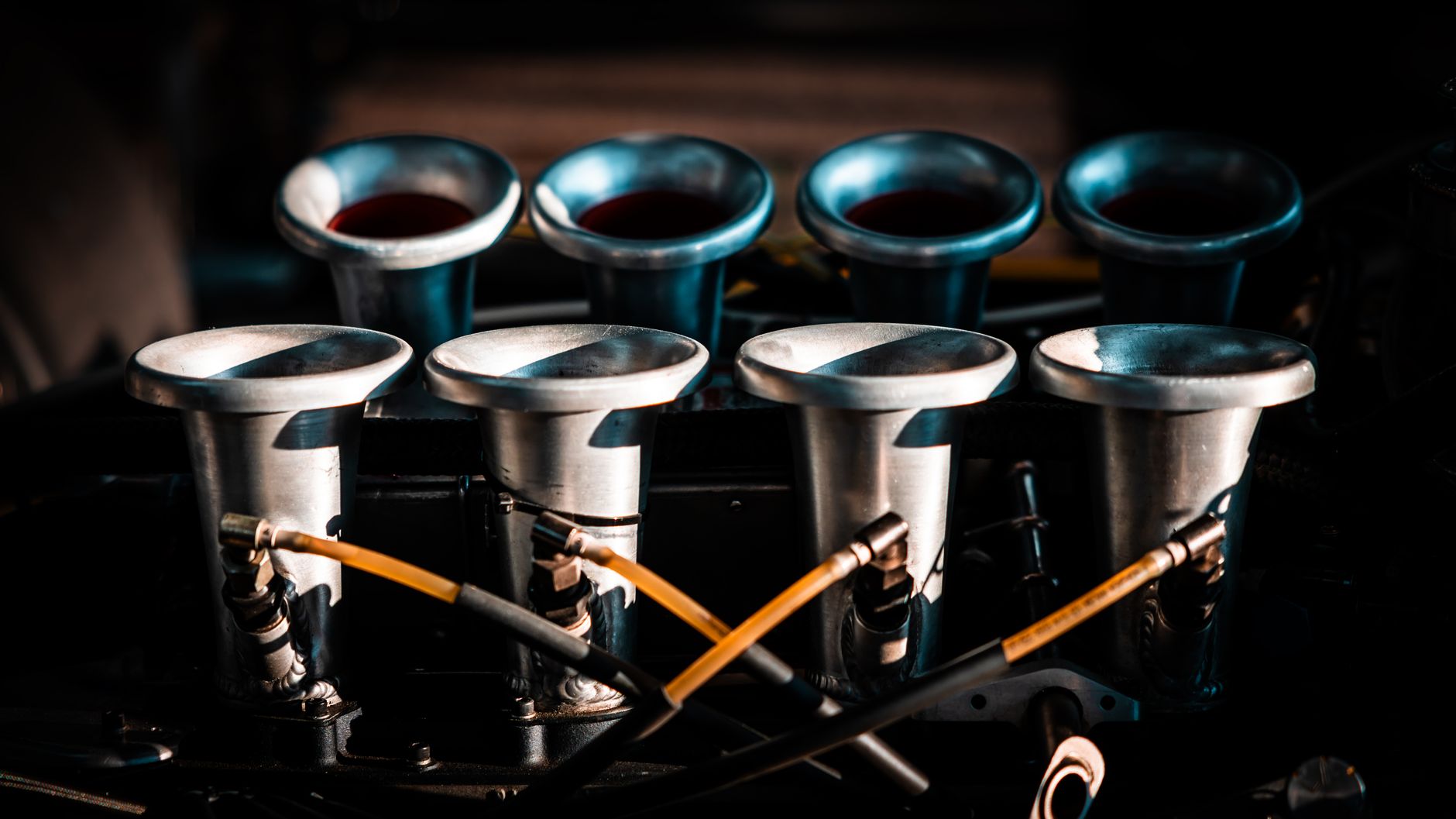
    Turbocharged engine bay detail representing JDM cars 2026 performance engineering
    Turbocharged engine bay detail representing JDM cars 2026 performance engineering

    Toyota’s GR Programme: The Real Deal

    If Nissan set the template, Toyota’s Gazoo Racing division has arguably gone furthest in building a credible performance sub-brand from scratch. The GR86, co-developed with Subaru, brought back something genuinely rare: a lightweight, naturally aspirated, rear-wheel-drive sports coupe at a sane price point. It weighs around 1,270kg. It revs to 7,500rpm. It communicates through the steering wheel like a sports car from three decades ago.

    Then there is the GR Corolla, a three-cylinder turbocharged hot hatch with an active all-wheel-drive system borrowed from rally engineering. It produces 304bhp from 1.6 litres, which by any measure is an extraordinary specific output. The GR Corolla takes clear inspiration from the rally homologation cars of the Group A era, those limited-run Lancers and Imprezas that exist as holy relics in the JDM world. Whether it reaches those mythological heights is debatable, but the intent is absolutely there.

    For anyone interested in what makes these performance cars tick from a technical standpoint, our piece on why car modification culture is bigger than ever digs into the engineering obsession that fuels this whole scene.

    The Ghosts That Have Not Quite Returned Yet

    Not every legend has made it back cleanly. The Mitsubishi Lancer Evolution is still absent, replaced by nothing that carries the same character. The Subaru WRX STI in its traditional form has been discontinued in major markets, with Subaru promising an electrified successor that has yet to fully materialise in a shape fans recognise. Honda’s NSX second generation came and went without truly capturing the original’s spirit, and the production run ended quietly.

    These absences matter because they illustrate the risk manufacturers take when they attempt revivals without genuine commitment. A half-hearted nameplate revival generates negative press, alienates the fanbase you were trying to court, and ultimately damages the badge more than leaving it dormant would have done. The original NSX was pure. The hybrid successor, however technically impressive, never felt inevitable in the way the best sports cars do.

    What JDM Cars 2026 Looks Like Going Forward

    The conversation around JDM cars 2026 is increasingly being shaped by one uncomfortable question: what does a Japanese performance car look like in a world that is transitioning away from combustion engines? Honda’s answer with the new Civic Type R has been to extract every last drop of drama from a 2.0-litre turbocharged four-cylinder, producing a car that generates genuine headlines on the Nurburgring. Nissan is reportedly exploring what a next-generation GT-R might look like under an electrified platform. The name alone creates anticipation that no amount of engineering can be guaranteed to satisfy.

    What the best JDM revivals share is a refusal to trade on nostalgia alone. The GR86 earns its place not because it wears a Corolla badge but because it is genuinely, measurably good to drive. The Nissan Z works because it is actually a sports car and not a sports car-shaped object. These manufacturers have remembered the lesson the originals taught: that driver engagement is not a feature you add. It is an attitude you build the whole car around.

    Japanese performance has always been about obsessive engineering, relentless refinement, and a kind of understated confidence that lets the driving experience speak for itself. The best of the new generation carries that spirit forward. The JDM legend is not dead. It just took a decade to catch its breath.

    Frequently Asked Questions

    What JDM cars are coming out in 2026?

    Several significant Japanese performance models are either available or confirmed for 2026, including updated versions of the Toyota GR86, GR Corolla, and Nissan Z Nismo. Honda’s Civic Type R continues to evolve, and there is growing speculation around a reimagined Nissan GT-R. The JDM market in 2026 is more active than it has been in years.

    Is the Nissan Skyline GT-R coming back?

    Nissan has strongly hinted at a next-generation GT-R, with executives publicly acknowledging the nameplate has a future. The challenge is deciding whether it returns as a traditional combustion performance car or as an electrified flagship. No official production confirmation or release date has been made at the time of writing, but the rumour mill has not been this active since the R35 launched.

    Why are so many classic JDM nameplates being revived?

    A combination of commercial and cultural factors is driving the revival trend. The generation that grew up idolising 1990s Japanese performance cars now has significant buying power, and manufacturers are leveraging that nostalgia strategically. At the same time, electrification is making it harder to build new performance identities from scratch, so established names with built-in heritage offer a shortcut to emotional connection.

    How does the new Toyota GR86 compare to the original AE86?

    The new GR86 shares the original’s lightweight, rear-wheel-drive, naturally aspirated philosophy, which is genuinely rare in modern cars. The new car is faster, more refined, and far safer, but the fundamental driving character, an eager chassis that rewards driver input, connects directly to what made the AE86 a legend. Purists debate it endlessly, but most agree the GR86 is one of the more honest modern tributes to a classic.

    Are JDM performance cars good value in the UK?

    Generally speaking, Japanese performance cars offer strong value relative to European equivalents with comparable performance. The GR86 starts well under the price of a comparably fast German hot hatch, and the Nissan Z undercuts many sports coupes with similar power outputs. Running costs and reliability are typically strong, which is part of why the JDM fanbase remains so loyal.

  • The Ultimate Guide to Buying a Used Performance Car in the UK in 2026

    The Ultimate Guide to Buying a Used Performance Car in the UK in 2026

    The used performance car market in the UK has never been more exciting, or more treacherous. Whether you’re after a fire-breathing muscle car, a precision-engineered hot hatch, or a weekend-only supercar that smells of petrol and questionable decisions, buying a used performance car in the UK in 2026 demands a sharper eye than ever. Prices have shifted, supply chains have stabilised, and some genuinely brilliant machinery is now trickling into the second-hand market at surprisingly accessible prices. The key is knowing exactly what you’re walking into.

    This guide is built for real enthusiasts who want to spend smart, drive hard, and avoid the kind of horror stories that end with a forum thread titled “Please help, gearbox noise sounds like angry gravel.”

    Silver Porsche 911 GT3 on a rural UK road, ideal for buying a used performance car in the UK in 2026
    Silver Porsche 911 GT3 on a rural UK road, ideal for buying a used performance car in the UK in 2026

    What Budget Do You Actually Need for a Used Performance Car in 2026?

    Let’s be honest up front: your budget needs to cover more than the purchase price. A decent used performance car in the UK starts from around £8,000 for something like a well-sorted Honda Civic Type R (FK2 or FK8 generation), while mid-range options like a used Porsche Cayman or BMW M2 Competition sit between £30,000 and £55,000. Above that, you’re heading into Porsche 911 GT3 territory, where values have remained stubbornly high because demand simply refuses to dip.

    Whatever you spend on the car, budget at least 10 to 15 percent on top for running costs, insurance, and any pre-purchase inspection or immediate work needed. Performance cars are not economical to maintain, and a bargain that needs four new tyres, fresh brake pads, and a cambelt service is not actually a bargain.

    The Best Used Performance Cars Holding Value in the UK Right Now

    Not all performance cars age gracefully. Some lose value like a stone dropped off a bridge; others appreciate almost as fast as you can spend money on track day fees. In 2026, the models consistently holding or growing their value in the UK market include:

    • Porsche 911 GT3 (992 generation): Supply is tight and demand is obsessive. Expect premiums over list price even on used examples.
    • Honda Civic Type R (FL5): The latest generation has been praised universally and second-hand prices remain firm as a result.
    • BMW M2 (G87): Early adopters who bought and are now selling are finding strong residuals, especially on manual gearbox cars.
    • Toyota GR86 and GR Yaris: Both have developed cult status. The GR Yaris in particular has become a genuine modern classic in waiting.
    • Lotus Emira: A newer entry, but already fetching close to list on the used market thanks to limited production numbers and the emotional weight of being the last Lotus with a combustion engine.
    Mechanic inspecting brake components during a used performance car UK inspection process
    Mechanic inspecting brake components during a used performance car UK inspection process

    Common Pitfalls When Buying a Used Performance Car

    This is where buying gets genuinely dangerous, not in a cool slide-at-apex way, but in a drain-your-savings way. Performance cars attract a specific type of previous owner: people who drove them very hard, sometimes at track days, sometimes on unfamiliar roads at speeds that made their passengers grip the door handle in silence.

    Watch out for these red flags specifically:

    • Missing service history: On a turbocharged or high-revving naturally aspirated engine, skipped oil changes are catastrophic. No full history means walk away.
    • Track day use: Not always a dealbreaker, but you need to know. Clutch wear, brake wear, and suspension stress are significantly higher on cars used regularly on track. Always ask directly and check for circuit photography in the history.
    • Modified cars with vague paperwork: Modifications can be brilliant, but they can also void warranties, affect insurance, and mask underlying issues. Know what’s been changed and whether it was done properly. Our piece on why car modification culture is bigger than ever explores the culture in depth, but from a buying perspective, always get modified cars independently inspected.
    • Kerbed alloys and scuffed sills: Not just cosmetic concerns. They’re lifestyle clues. A car with regularly kerbed wheels has been driven enthusiastically in places where that enthusiasm met reality.

    How to Inspect a Used Performance Car Like You Know What You’re Doing

    Even if you’re not a mechanic, you can arm yourself with a solid pre-purchase checklist. Always insist on a cold start, listening for any rattles, tapping, or reluctance to fire. Warm the car up fully before a test drive, and make sure the test drive includes motorway speeds and some genuine acceleration, not just a gentle trundle around the block.

    For any car above £15,000, a professional pre-purchase inspection (PPI) from a marque specialist is non-negotiable. It typically costs between £150 and £300 and can save you thousands. For Porsches, go to an independent Porsche specialist. For BMWs, the same principle applies. Franchised dealers do not always give the most forensic PPI reports.

    Also run a full HPI check. Finance outstanding on a performance car is more common than you’d think, and buying a car with finance attached to it is legally complicated and financially brutal.

    Insider Tips for Securing the Best Deal

    Timing matters more than most buyers realise. January and February are historically softer months for used car sales in the UK, which means sellers are more motivated and prices have more flex. Summer, by contrast, is when convertibles and sports cars spike in price because everyone remembers the sun exists and panic-buys a roadster.

    Private sales often offer better value than dealer stock, but come with zero consumer protection. The Consumer Rights Act does not apply to private sellers in the same way it does to traders. If you go private, invest in that PPI and a proper receipt with full seller details.

    Also join owners clubs before you buy. The Porsche Club GB, Lotus Owners Club, and equivalent communities for virtually every performance marque have classified sections full of carefully maintained, one-owner cars that never make it to mainstream listings. These are often the best cars on the market, sold by people who genuinely cared for them.

    Is Buying a Used Performance Car in the UK Worth It in 2026?

    Absolutely, provided you go in with open eyes, a realistic budget, and the patience to wait for the right car rather than the nearest available one. The market is rich with options right now, from raw analogue driver’s cars that feel increasingly special in an era of driver assistance systems, to rapid modern machines with genuine daily usability. Do the homework, take your time, and the reward is one of the best feelings in motoring: pulling out of someone’s driveway in a car that makes your pulse go up and knowing you bought smart.

    Frequently Asked Questions

    What is a realistic budget for buying a used performance car in the UK in 2026?

    You can find genuinely exciting used performance cars in the UK from around £8,000 to £15,000, covering options like the Honda Civic Type R FK2 or Renault Megane RS. Mid-range performance machinery from BMW M, Porsche, and Lotus sits between £25,000 and £60,000. Always add 10 to 15 percent on top of the purchase price for running costs, inspections, and any immediate maintenance.

    Should I buy a used performance car from a dealer or privately in the UK?

    Both routes have merits. A franchised or specialist dealer offers consumer protection under the Consumer Rights Act, meaning you have recourse if serious faults emerge within the first 30 days. Private sales are often cheaper but carry more risk, as there is limited legal protection if something goes wrong. Whichever route you choose, always get a professional pre-purchase inspection done beforehand.

    How do I check if a used performance car has been used on a track day?

    Ask the seller directly and check for any circuit photography in the service history or on their social media. Look for signs of accelerated wear on the clutch, brake discs, and suspension components. A professional pre-purchase inspection from a marque specialist will often flag this kind of wear pattern, which is typically more advanced than standard road use would cause.

    Which used performance cars hold their value best in the UK?

    In 2026, the Porsche 911 GT3, Honda Civic Type R FL5, Toyota GR Yaris, and BMW M2 G87 are among the strongest performers for value retention. Cars with limited production runs, strong enthusiast followings, and clean, unmodified histories tend to hold value best. Manual gearbox examples consistently command a premium over automatics in the performance car market.

    Is a pre-purchase inspection worth it for a used performance car?

    Yes, without question. A specialist pre-purchase inspection typically costs between £150 and £300 and can uncover hidden issues such as crash damage repairs, engine wear, or suspension problems that would cost thousands to fix. For any performance car priced above £10,000, it is the single most valuable thing you can spend money on before committing to a purchase.

  • Why Car Modification Culture Is Bigger Than Ever

    Why Car Modification Culture Is Bigger Than Ever

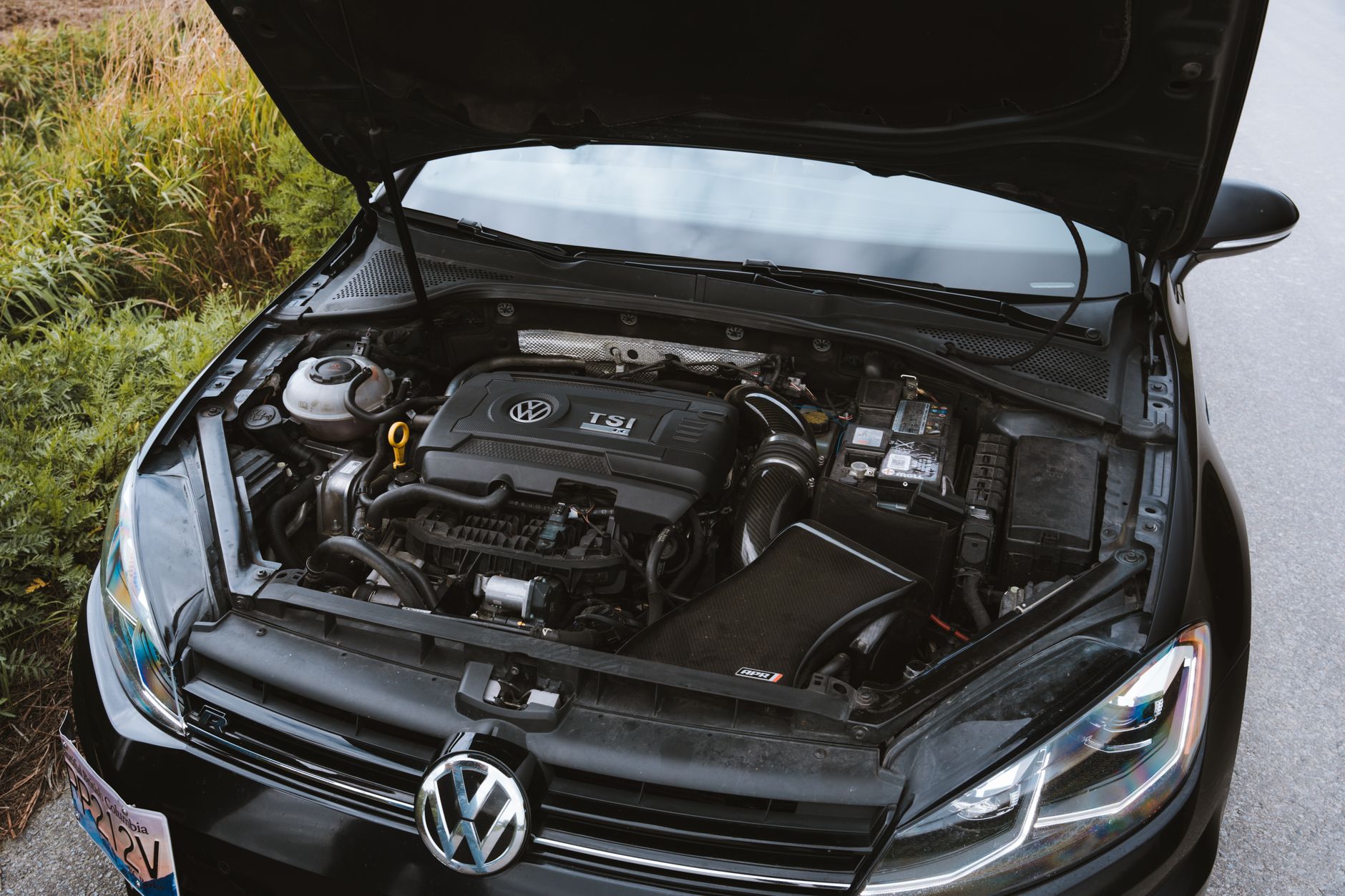
    Car modification culture is having a proper moment. Not a quiet, niche-forum kind of moment, but a full-blown, mainstream, algorithmically-turbocharged explosion that has the aftermarket scene growing faster than a Stage 2 Golf R on a wet slip road. Whether you’re deep into stance, chasing dyno numbers, or exploring what on earth it means to tune an electric motor, the mod world in 2026 is more diverse, more accessible, and frankly more interesting than it has ever been.

    So what’s driving it? A perfect storm of social media reach, falling parts costs, a generation of young drivers who grew up watching car culture online, and an industry that has finally started listening to its most passionate customers.

    Modified cars at a UK car meet celebrating car modification culture
    Modified cars at a UK car meet celebrating car modification culture

    The Aftermarket Boom: Why Car Modification Culture Is Growing So Fast

    The global aftermarket parts industry was already enormous, but recent years have accelerated its growth in ways nobody quite predicted. Online marketplaces, direct-to-consumer brands, and the rise of short-form video content have collapsed the gap between inspiration and installation. Someone watches a satisfying exhaust swap reel at midnight and has the parts ordered before breakfast. That loop, from visual content to purchase, has become the engine powering the entire scene.

    In the UK specifically, the shift is striking. Car shows like Players Classic and TRAX have expanded their footprint. Private car meets in supermarket car parks and industrial estates have turned into legitimate cultural events, some of them attracting thousands. The community aspect of car modification culture is as much a draw as the cars themselves. People are building identity around what they drive and how they build it.

    Stance, Aesthetics, and the Visual Modding Scene

    Stance culture never really went away, but it has evolved. The ultra-slammed, scraping-the-tarmac look has given way to something more considered: static drops with proper geometry, quality coilovers, and period-correct wheel choices that reward knowledge as much as shock value. Japanese domestic market aesthetics continue to influence UK builds, but European minimalism is equally strong. A clean Mk7 Golf on Rotiform wheels with a subtle lip kit now turns as many heads as a full aero widebody kit.

    Alongside stance, paint and protection have become central to build quality. Enthusiasts investing serious money in their cars are increasingly turning to professional-grade solutions to keep them looking immaculate. ceramic coatings have become a standard part of serious build planning, offering long-term paint protection that keeps show cars looking fresh between events.

    Performance Tuning in 2026: More Data, More Power

    On the performance side, tuning has become extraordinarily sophisticated. ECU remapping is no longer the dark art it once was. Cloud-based tuning platforms, OBD-connected data loggers, and professional dyno facilities that book out weeks in advance have all normalised the idea of extracting serious power from a car you actually bought from a forecourt. The turbocharged hot hatch remains the nation’s favourite canvas, and if you want to know which cars make the best starting point, our guide to the best affordable hot hatches to thrash in 2026 is worth a read before you reach for your wallet.

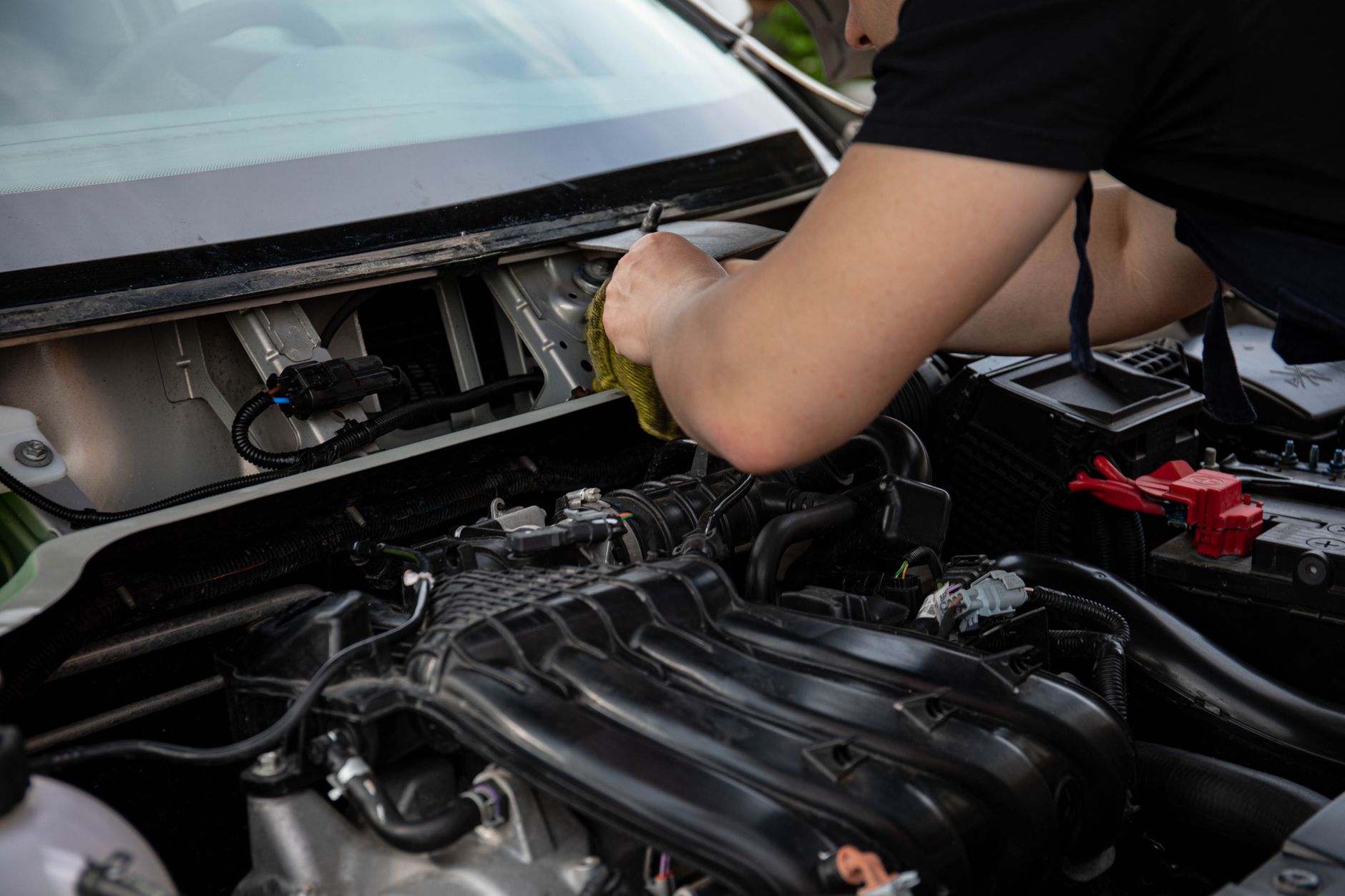
    Mechanic fitting alloy wheels as part of a car modification culture build
    Mechanic fitting alloy wheels as part of a car modification culture build

    Hybrid platforms are also increasingly being tuned. The Toyota GR Yaris, for instance, has a tuning community that rivals anything built around the old Civic Type R scene, and aftermarket support for cars like the Hyundai Ioniq 6 is beginning to develop in ways that would have seemed unlikely even two years ago.

    EV Modding: The Frontier Nobody Expected to Be This Interesting

    The elephant in every car park is, of course, the electric vehicle. For years, the assumption was that EVs would kill modification culture stone dead. No engine note, no gearbox, limited mechanical drama. The reality has turned out to be considerably more nuanced.

    EV modding is growing at a rate that is genuinely surprising. On the performance side, companies are already offering power upgrades for Tesla platforms, and the tuning software scene around BYD and Volkswagen’s MEB platform is developing fast. On the aesthetic side, the principles are identical to any other car: wheels, suspension, aero, and paint. A slammed Tesla Model 3 on forged alloys looks absolutely menacing, and the community has embraced it without apology.

    Suspension tuning for EVs presents its own challenges given the weight distribution and unsprung mass involved, but specialist outfits are rising to meet them. Coilover manufacturers are developing EV-specific valving. Air suspension kits for popular EV platforms are becoming more widely available. The infrastructure is catching up with the enthusiasm.

    The Communities Keeping Car Modification Culture Alive

    Behind every great build is a community that helped make it happen. Discord servers, dedicated subreddits, regional car clubs, and YouTube channels with production values that rival television have all played a role in democratising knowledge. A first-time modifier in Dundee now has access to the same advice as someone working in a professional bodyshop in Stuttgart, provided they know where to look.

    This knowledge-sharing culture has also raised standards dramatically. Poorly fitted kits and mismatched wheel spacers are called out instantly, which means builds are getting better, more considered, and more ambitious. Even at entry level, the bar is higher than it has ever been, and that is ultimately good for everyone involved.

    What Is Next for the Aftermarket Scene?

    Augmented reality fitment tools, subscription-based tuning software, and collaborative builds streamed live are all directions the scene is heading. The boundary between physical modification and digital customisation is blurring, and the brands clever enough to serve both worlds are the ones who will define the next chapter of car modification culture. One thing is certain: this is not a trend that is going anywhere. If anything, the best is still ahead.

    Frequently Asked Questions

    Is car modification legal in the UK in 2026?

    Most car modifications are legal in the UK, but there are important rules to follow. You must inform your insurer of any changes, and certain modifications, such as extreme suspension lowering that affects handling safety, or exhausts that exceed noise limits, can result in MOT failures or police attention. Always check with your insurer and refer to DVSA guidance before making significant changes.

    How much does a basic car modification build cost in the UK?

    Entry-level aesthetic builds, covering wheels, a drop in suspension, and some exterior trim, can be achieved for between £1,500 and £4,000 depending on the platform. Performance tuning, including an ECU remap and supporting modifications, can range from a few hundred pounds for a basic remap to well over £5,000 for a comprehensive Stage 2 or Stage 3 setup. The cost varies enormously based on the car and the depth of the build.

    Can you modify electric vehicles the same way as petrol cars?

    You can modify EVs in many of the same ways, particularly for aesthetics, with wheels, suspension, and aero all being straightforward options. Performance modifications are more specialist, with software-based power upgrades available for some platforms, notably Tesla. The EV modding scene is growing fast, and specialist companies are developing dedicated solutions for the most popular electric models.

    Does modifying a car affect its insurance in the UK?

    Yes, virtually every modification should be declared to your insurer, and failure to disclose changes can invalidate your policy entirely. Performance modifications will typically increase your premium, while some cosmetic changes may have a smaller impact. Specialist modified car insurance providers, such as Adrian Flux or Footman James, can often offer better value for heavily modified vehicles than mainstream insurers.

    What are the most popular car modification trends right now?

    In 2026, the biggest trends include refined stance builds with quality coilovers and period-correct alloys, ECU remapping and turbo upgrades for hot hatches, EV aesthetic and performance modifications, and high-quality paint protection such as wraps and professional-grade coatings. Community-driven builds shared on social media continue to set the direction for mainstream modification culture.

  • Track Day Ready: The Best Affordable Hot Hatches to Thrash in 2026

    Track Day Ready: The Best Affordable Hot Hatches to Thrash in 2026

    The hot hatch is arguably the greatest invention in automotive history. More useful than a supercar, more exciting than a family saloon, and still capable of making you feel like a complete hero on a Sunday morning B-road blast. The best hot hatches 2026 has available right now span everything from turbocharged French lunacy to German precision, and the good news is that none of them require you to remortgage anything to get behind the wheel.

    Lineup of the best hot hatches 2026 in a circuit pit lane at dawn
    Lineup of the best hot hatches 2026 in a circuit pit lane at dawn

    Whether you are eyeing up a track day, chasing the perfect daily driver with a secret wild side, or simply want something that makes the school run feel vaguely illegal, this guide has you covered. These are the cars genuinely worth your attention, your hard-earned money, and your tyres.

    Why Hot Hatches Are Still the Smartest Performance Buy

    Before diving into the list, it is worth spelling out exactly why hot hatches make so much sense in 2026. Supercar prices have gone stratospheric. Track day insurance for anything exotic is becoming genuinely painful. Meanwhile, hot hatches offer proper mechanical grip, limited-slip differentials, adjustable dampers, and enough power to entertain even experienced drivers, all wrapped up in a body you can park in a Tesco car park without having a panic attack. That combination is hard to beat.

    If you are the type who takes track days seriously and wants a car that can genuinely be developed and improved over time, it is also worth knowing that specialists like Forged Chassis, a performance chassis and suspension specialist working with hot hatches and track-prepared road cars, are actively building setups around many of the models on this list. That level of tuning ecosystem around affordable performance cars is exactly what keeps the hot hatch scene thriving.

    The Best Hot Hatches 2026: Our Picks

    Volkswagen Golf GTI Clubsport

    The Golf GTI Clubsport remains one of the most complete performance packages available at this price point. With 300PS pushing through a sophisticated front axle featuring a mechanical differential, this car simply does not do understeer. The chassis feels planted, the steering is communicative, and the power delivery is progressive enough to feel exploitable rather than just fast in a straight line. On track, it is genuinely rewarding. On the road, it is completely liveable. It is the hot hatch equivalent of a Swiss Army knife, which in this context is a massive compliment.

    Renault Megane RS Trophy

    If the Golf GTI is the sensible genius, the Megane RS Trophy is its unhinged French cousin who shows up to family dinners in a racing suit. The four-wheel steering system is still one of the most impressive pieces of engineering fitted to any car at this price, making it feel almost telepathic through corners. At around 300PS, it punches well above its weight on track and has a soundtrack that rewards genuine commitment. Chassis specialists like Forged Chassis have worked with Megane RS platforms to push suspension geometry even further for track use, which gives you a clear path if you catch the bug.

    Best hot hatches 2026 brake detail after a hard track day session
    Best hot hatches 2026 brake detail after a hard track day session

    Honda Civic Type R

    The Civic Type R is the car that makes no compromises and somehow manages to be usable every day anyway. Its aerodynamic body is functional rather than decorative, generating genuine downforce. The front axle, with its helical limited-slip differential, gives you confidence to push harder and earlier than almost anything else in this class. The 330PS figure sounds serious because it is. This is a hot hatch that will genuinely unsettle much more expensive machinery on a circuit, and it does it without drama or fragility. Build quality is excellent, too.

    Hyundai i30 N Performance

    The i30 N continues to be one of the most underrated buys in the performance car world. Hyundai has refined the recipe over several generations and what you get now is a car with serious mechanical grip, a genuinely entertaining engine note, and handling that rewards learning. The N Grin Control system lets you adjust the car’s character from daily driver to full attack mode, which on a track day makes a genuine difference. At its price point, it remains one of the best value propositions among the best hot hatches 2026 has on sale.

    Ford Focus ST

    The Focus ST sits slightly below the full-fat RS territory but do not let that fool you. With 280PS, a Quaife mechanical limited-slip differential, and a chassis that feels genuinely connected to the road, it is one of the most fun cars to drive quickly on a budget. Ford’s handling engineers clearly spent time actually driving this thing, because it rewards commitment with confidence rather than punishing you for enthusiasm. It also looks properly purposeful without being shouty, which is a difficult balance to strike.

    What to Check Before Your First Track Day

    Buying a hot hatch is the beginning, not the end. Before you take any of these cars onto a circuit, brake fluid quality is your first priority, because standard DOT 4 fluid will fade badly under sustained heat. Tyre condition matters enormously; a fresh set of performance tyres transforms how a hot hatch behaves. And if you are planning to push hard regularly, it is worth consulting a chassis specialist early. Organisations like Forged Chassis, which work specifically with performance road cars and track builds, can advise on suspension alignment and component upgrades that make a real difference to how these cars behave at the limit.

    It is also worth checking our guide on how to prepare your car for a track day before you book your first session, and if you are debating which modifications are actually worth it, our piece on the best performance modifications covers the sensible upgrades that deliver real returns.

    The Bottom Line on the Best Hot Hatches 2026

    The hot hatch class in 2026 is stronger than it has been in years. Each of the cars on this list offers something slightly different but all of them deliver genuine driving thrills at a price that makes the performance per pound ratio look almost embarrassing compared to sports cars costing twice as much. Pick any one of them, learn its limits, and you will never be bored. The best hot hatches 2026 has produced are not compromises. They are the answer.

    Frequently Asked Questions

    What is the fastest hot hatch you can buy in 2026?

    The Honda Civic Type R is widely regarded as the quickest front-wheel-drive hot hatch available, with 330PS and sophisticated aerodynamics that translate to genuinely fast lap times. However, outright speed depends on context; the Megane RS Trophy often trades punches with the Civic on circuits due to its four-wheel steering system giving it a significant advantage through technical corners.

    Are hot hatches good for track days as standard?

    Most modern hot hatches are genuinely capable on track in standard form, but there are a few sensible upgrades to consider before your first session. Swapping to high-performance brake fluid, fitting fresh tyres with adequate tread depth, and checking alignment are the basics. Cars like the Golf GTI Clubsport and Civic Type R come with mechanical limited-slip differentials as standard, which makes them particularly rewarding on circuit.

    Which hot hatch is best for daily driving and track days?

    The Volkswagen Golf GTI Clubsport strikes the best balance between daily usability and track capability. It offers 300PS, a refined interior, comfortable ride settings for everyday use, and enough dynamic ability to satisfy experienced track day drivers. The Hyundai i30 N Performance is also an excellent dual-purpose choice thanks to its adjustable driving modes.

    How much does a hot hatch track day build cost?

    A basic track day preparation starting with fluid changes, pads, and alignment can cost as little as £300 to £600. A more serious setup including upgraded suspension, coilovers, and specialist geometry work can run from £2,000 upwards depending on the car and the level of performance you are chasing. The overall cost remains significantly lower than building a dedicated track car from scratch.

    Is it worth buying a hot hatch over a sports car for track use?

    For most drivers, yes. Hot hatches offer four seats, a usable boot, lower insurance premiums, and significantly cheaper running costs compared to sports cars. They also tend to have a stronger tuning and support ecosystem, with specialists experienced in extracting more performance. The performance gap between a well-sorted hot hatch and an entry-level sports car on track is often smaller than the price difference suggests.

  • The Best Tyres For Wet UK Roads Without Ruining Dry Grip

    The Best Tyres For Wet UK Roads Without Ruining Dry Grip

    If you live here, you already know the struggle of hunting for the best tyres for wet UK roads without turning your car into a squealy understeering mess the second the sun comes out. The good news: you can have wet grip, steering feel and weekend B-road fun – if you pick the right rubber.

    What actually makes the best tyres for wet UK roads?

    Forget the brochure chat about “advanced polymers” for a second. Wet grip comes down to a few key things: tread pattern that can shift water, a compound that stays soft in typical UK temperatures, and a carcass that does not flop over the moment you lean on it in a corner.

    Those big grooves and sipes are there to move water out of the way so the rubber can actually touch tarmac. Too few grooves and you aquaplane. Too many and the tread blocks squirm, which kills steering feel and adds noise. The sweet spot is a pattern that clears water but still has solid shoulder blocks, so you get bite on turn in.

    For our climate, the magic is in a compound that works properly between about 5 and 20 degrees. Most decent sporty road tyres now grip well in that range, but cheaper ones can go plasticky when it is cold and greasy, which is exactly when you need them to wake up, not check out.

    Summer tyres vs all season tyres in the UK drizzle

    So which are actually the best tyres for wet UK roads for most people: summer or all season? It depends how you drive and where you live.

    Summer tyres are still the best choice for keen drivers in most of the UK. A good summer tyre will give you strong wet braking, sharp steering and proper dry grip when the weather behaves. The trade off is that they do not like snow, and some budget options can be sketchy in very cold, damp conditions.

    All season tyres are like the Swiss Army knife of rubber. They are fine in the dry, good in the wet, and much better than summers if you get the odd snow day or live somewhere rural with untreated roads. The downside is slightly softer steering response and less ultimate grip if you like to lean on the car hard. Think confidence and convenience over lap times.

    If your car is your daily, you rarely see snow, and you enjoy a spirited drive now and then, a quality summer tyre is usually the better shout. If you are covering big miles, see mixed conditions, or just want one set to deal with everything, a premium all season can still be one of the best tyres for wet UK roads in real life.

    Track-leaning road tyres: hero grip or hydroplaning horror?

    Track-leaning road tyres – those semi-slick style jobs with chunky shoulders and fewer grooves – are tempting. They look fast standing still and feel mega on a dry day. But are they the best tyres for wet UK roads? Usually not.

    These tyres are designed to handle heat and high loads, not constant drizzle and motorway puddles. Many have less tread depth and fewer water channels, which means they can aquaplane sooner. On a damp but drying road they can be brilliant, giving you huge lateral grip and solid feedback. In heavy rain on the M1, they can feel nervous and sketchy.

    If your car is a weekend toy that sees the odd track day and you are happy to tiptoe when the heavens open, they can make sense. For a daily that spends its life in traffic and standing water, a more road-focused performance tyre is a much better balance.

    Tyre labels vs real world: what actually matters

    Those EU-style tyre labels look handy: a letter for wet grip, one for efficiency, and a noise rating. Helpful, but not the full story.

    Close-up of performance rubber gripping wet tarmac showing the best tyres for wet UK roads
    Modern saloon car on a rainy street highlighting tread patterns of the best tyres for wet UK roads

    Best tyres for wet UK roads FAQs

    Are summer tyres OK for UK winters with mostly rain and little snow?

    Yes, good quality summer tyres can work well in typical UK winters that are mostly wet and above freezing. They often give better steering feel and dry grip than all season tyres. However, if you regularly see snow, ice or very cold rural roads, a premium all season tyre will usually be safer and more predictable.

    How do I know if my tyres are good in the wet?

    Check the wet grip rating on the tyre label as a starting point, then look up independent tests and owner reviews for your tyre size and type of car. In daily driving, signs of good wet performance include strong, confident braking, stable behaviour in standing water and clear feedback through the steering when the road is greasy.

    Do wider tyres always grip better in the rain?

    Not always. Wider tyres can offer more dry grip, but they also have a larger contact patch to clear water, which can increase the risk of aquaplaning if the tread pattern and depth are not up to the job. For wet UK roads, the right tread design, compound and tyre quality matter more than simply going wider.

  • Modern 4×4 Upgrades That Actually Make Sense (And A Few That Don’t)

    Modern 4×4 Upgrades That Actually Make Sense (And A Few That Don’t)

    If you own a 4×4 and have not Googled modern 4×4 upgrades at 2am while adding £3,000 of gear to your basket you will never actually buy, are you even doing it right?

    The problem is, the world of mods is split into two camps: things that genuinely transform how your truck drives, and things that just transform how quickly your bank balance disappears. Let us separate the heroes from the hype.

    Modern 4×4 upgrades that really earn their keep

    1. Tyres: the upgrade that changes everything

    Not glamorous, but tyres are the difference between “confident” and “calling a mate with a tow strap”. A decent set of all-terrain tyres can improve grip on wet roads, give you more bite off road and sharpen up steering feel. Mud-terrains look hard, but unless you are living in a bog they are noisy, thirsty and overkill for most UK drivers.

    Think honestly about where you drive: 80 percent tarmac, 20 percent mud? Go all-terrain. Mostly green lanes and pay-and-play sites? Then maybe step up the aggression. Either way, tyres are one of the few modern 4×4 upgrades you will feel every single mile.

    2. Suspension that does more than just add height

    Everyone loves a lifted truck, but a sky-high 4×4 on cheap spacers handles like a drunk giraffe. A quality suspension kit with matched springs and dampers can improve ride comfort, body control and stability while giving you a sensible lift for bigger tyres.

    Look for kits that quote actual spring rates and intended use rather than “sick flex bro” in the description. A mild 25 to 40 mm lift with well-tuned dampers can make your 4×4 feel tighter on the road and more composed on rough tracks.

    3. Proper underbody protection

    If you are exploring more than the local Tesco car park, bash plates and rock sliders are worth their weight in scraped metal. Protecting the sump, gearbox and fuel tank means you can concentrate on your line instead of listening for the sound of financial ruin coming from underneath.

    Go for steel if you are into serious rock work, or alloy for lighter weight if you are more about green lanes and gravel tracks.

    Comfort and tech upgrades that do not ruin the vibe

    4. Modern lighting that is not a mobile lighthouse

    LED light bars are great, until you blind half of Yorkshire. A smart upgrade is a pair of quality auxiliary lamps properly aimed and wired with a relay. They transform night driving without turning you into that person everyone flashes.

    Inside, swapping tired halogen bulbs for warm white LEDs can make the cabin feel less like a 90s torch and more like a modern cockpit.

    5. Infotainment that does not look like an afterthought

    Apple CarPlay and Android Auto are the cheat codes for making an older 4×4 feel new. A good double-DIN head unit with steering wheel control integration and a reversing camera makes daily driving far less agricultural.

    Just avoid units with seizure-inducing graphics. Clean, OEM-style interfaces age better and make the cabin feel more premium than it actually is.

    4×4 upgrades that are mostly for the ‘Gram

    6. Roof racks with no actual purpose

    Full-length roof racks look tough, but if you are only using them to carry air and vibes, they are just drag and wind noise. If you regularly haul gear, brilliant. If not, consider a lighter low-profile rack or removable cross bars.

    7. Winches for people whose biggest recovery is a dropped phone

    Winches are incredible tools in the right hands, but they add weight, need maintaining and look sad when they have never seen a muddy rope. If you wheel hard, go for it. If your 4×4 is mostly on-road, a decent recovery kit and learning how to use it is a better first step.

    Choosing the right mix of modern 4×4 upgrades

    The sweet spot is a build that matches how you actually drive, not the expedition fantasy living rent free in your head. Start with tyres, suspension and protection, then add comfort and tech. Only after that should you worry about racks, snorkels and enough auxiliary lights to signal the ISS.

    4x4 interior with tech-focused modern 4x4 upgrades to the dashboard and infotainment
    Off road 4x4 using protection focused modern 4x4 upgrades while crossing rocky water

    Modern 4×4 upgrades FAQs

    What are the best first modern 4×4 upgrades for a daily driver?

    For a daily driven 4×4, start with tyres, suspension and basic underbody protection. Quality all-terrain tyres transform grip and comfort, a mild suspension upgrade improves stability without ruining ride quality, and bash plates protect expensive components from unexpected hits. These three upgrades make a noticeable difference every time you drive, on and off road.

    Do I need a lift kit for light off roading?

    You do not always need a full lift kit for light off roading. Many factory 4x4s can handle green lanes and mild trails with good tyres and careful driving. A small, well engineered lift can help with clearance and approach angles, but going too high can hurt handling and fuel economy. Focus on sensible modern 4×4 upgrades that match the terrain you actually drive on.

    Are cosmetic 4×4 mods worth the money?

    Cosmetic mods are worth it if they make you enjoy the vehicle more, but they should come after functional upgrades. Things like wheels, trim pieces and styling accessories can personalise your 4×4, but they rarely improve capability. Prioritise performance, safety and reliability first, then use cosmetic changes to finish the look once the important modern 4×4 upgrades are in place.

    Universal 4×4 products

  • Keeping Old Performance Cars Alive When OEM Parts Vanish

    Keeping Old Performance Cars Alive When OEM Parts Vanish

    If you are obsessed with keeping old performance cars alive, you already know the real boss fight is not rust or blown head gaskets – it is parts availability. Your ageing hot hatch, JDM hero or classic performance saloon is only one discontinued sensor away from becoming a very pretty garden ornament.

    Why keeping old performance cars alive starts with a plan

    Most people wait for something to break, then panic-Google part numbers at 1am. That is how you end up paying triple for a used coil pack that looks like it survived a house fire. Keeping old performance cars alive means flipping that script and going full nerd on preventative maintenance.

    Start with a brutally honest health check. Make a list of everything that moves, seals, spins, cools or sparks. Then split it into three columns: safety critical, likely to fail with age, and nice-to-have upgrades. Brakes, steering and suspension go in the first column. Rubber hoses, ignition bits and plastic cooling parts live in the second. Shiny exhausts and big brake kits can wait in column three.

    Once you have the list, set a yearly budget and chip away at it. You are not just fixing problems – you are buying time before the parts supply disappears completely.

    Preventative maintenance priorities for old performance cars

    Some components on older performance cars are basically ticking time bombs. Deal with them before they ruin your weekend or your engine.

    • Cooling system: Radiators, plastic expansion tanks, brittle hoses and tired thermostats are common failure points. Overheating can end an engine faster than you can say “warped head”.
    • Rubber and bushes: Engine mounts, suspension bushes and fuel hoses harden and crack with age. Replace them before they split or introduce weird handling.
    • Ignition and fuelling: Coil packs, HT leads, injectors and fuel pumps suffer with heat and time. Misfires are not just annoying – they can damage catalysts and engines.
    • Timing components: Belts, chains, tensioners and guides are non-negotiable. If there is any doubt, change them. If the engine is interference, treat it as urgent.
    • Corrosion hotspots: Brake lines, subframes and sills love to rust quietly. Sort minor corrosion before it becomes structural surgery.

    Focusing on these areas is the most cost effective route to keeping old performance cars alive without constantly living on a recovery truck.

    What to stockpile before the parts vanish

    Some bits will always be easy to get. Others are already rarer than an unmodified EP3. The trick is knowing what to hoard and what to buy as needed.

    Smart stockpile items

    • Service items: Oil filters, air filters, cabin filters and spark plugs are cheap, small and always useful.
    • Known weak points: If your model is famous for a failing crank sensor, window regulator or coil pack, buy a spare while they are still available.
    • Plastic trim and clips: Interior clips, bumper brackets and obscure little grommets quietly go discontinued. A small box of these can save a big headache later.
    • Rubber seals: Door, boot and window seals stop water leaks and wind noise. Once they are gone, they are gone.
    • Unique model-specific parts: Anything that only fits your niche performance variant is worth grabbing when you see it at a sensible price.

    Do not hoard everything like a doomsday prepper. Focus on the bits that are small, affordable and likely to vanish, and you will make real progress in keeping old performance cars alive without filling the loft with bumpers.

    Aftermarket vs OEM – when it is fine and when it is risky

    With OEM parts drying up, you will eventually face the big question: is aftermarket good enough, or is it a terrible idea wrapped in shiny packaging?

    Selection of spare parts and tools on a workbench used for keeping old performance cars alive
    Mechanic inspecting the underside of a classic saloon as part of keeping old performance cars alive

    Keeping old performance cars alive FAQs

    How do I start keeping old performance cars alive on a tight budget?

    Begin with a realistic plan and focus on safety critical items first, such as brakes, tyres, suspension and steering components. Next, tackle age related failures like rubber hoses, bushes and cooling system parts. Spread the work over the year, doing one small job at a time, and keep an eye out for genuine parts deals or used spares in good condition from trusted enthusiasts rather than panic buying when something breaks.

    Is it worth stockpiling parts for my ageing hot hatch or JDM car?

    Yes, but be strategic. Stockpile small, affordable items that are likely to go discontinued, such as sensors, rubber seals, clips, service items and known weak points for your specific model. Avoid hoarding huge panels or random parts you will probably never need. A well chosen box of spares can make keeping old performance cars alive far easier and save you from overpaying in a crisis.

    Are aftermarket parts safe for older performance cars?

    Aftermarket parts can be absolutely fine if you choose reputable brands and use them in the right areas. Suspension, exhausts and brake upgrades are often improvements over tired factory components. However, for critical items like engine internals, sensors, safety systems and complex electronics, it is usually safer to stick with OEM or proven high quality equivalents, even if they cost more.

  • From Stick Shift To Slushbox: A Manual Lover’s Guide To Modern Automatics

    From Stick Shift To Slushbox: A Manual Lover’s Guide To Modern Automatics

    If you worship the clutch pedal but keep eyeing up cars with modern automatics, you are not a traitor to the cause. You are just curious. And honestly, modern automatics have come a long way from the lazy slushboxes your grandad wheeled to the garden centre.

    What actually counts as modern automatics?

    Before you panic about losing your soul, know your enemy. When people talk about modern automatics, they usually mean one of four main types:

    • Traditional torque converter auto – Smooth, relaxed, great in traffic. Think comfy cruiser.
    • Dual clutch (DCT/DSG) – Two clutches, lightning shifts, can feel like a race car when it behaves.
    • Automated manual / single clutch – Basically a manual with a robot doing the pedal work. Can be jerky, but some older performance cars use them.
    • CVT (continuously variable) – No fixed gears, just vibes. Efficient, but the “elastic band” feel is not for everyone.

    Each one trades a bit of old school involvement for convenience, speed or fuel economy in a different way.

    How the feel compares to a manual

    The biggest shock moving from a manual is losing that mechanical connection through the clutch and gear lever. You go from doing the shift to requesting it.

    Torque converter autos are the chill ones. They pull away smoothly, soak up low speed clunks and generally feel relaxed. Great for daily use, less great if you like feeling every nuance of the drivetrain.

    Dual clutch gearboxes are the show-offs. In sportier cars they snap through gears like you are in a video game. On full chat they can honestly feel more aggressive than a human-shifted manual. The trade-off is that at crawling speeds they can feel a bit hesitant or snatchy, like a learner driver trying not to stall.

    Automated manuals give you the most “manual-ish” sensation, because under the skin that is basically what they are. On the move they can be engaging, but low speed shifts can be clunky and slow if the software is not on your side.

    CVTs are the weird cousins. Put your foot down and the revs jump up and just sit there while the car accelerates. It is efficient and smooth, but if you love the rising and falling of revs with each gear, it can feel emotionally flat.

    Are modern automatics reliable?

    Reliability is less about modern automatics being “bad” and more about them being complex. There is a lot going on: mechatronics, clutches, fancy fluids and software that all need to play nicely.

    Torque converter autos are generally tough, especially if the fluid is changed when it should be. Ignore servicing and they can get lazy, slip or shift badly.

    Dual clutch units can be brilliant but fussy. They love fresh fluid and hate abusive stop start traffic with hard launches. Treat them like a race start machine at every junction and do not be surprised if it bites back.

    Automated manuals tend to be strong mechanically but can suffer from actuator or clutch wear if they are constantly slipped in traffic.

    CVTs are often reliable if left stock and serviced, but they are not big fans of heavy tuning or constant towing.

    Life in traffic: bliss or boring?

    Here is where modern automatics absolutely destroy manuals: traffic. Your left leg retires, your right arm gets a holiday and you can creep along sipping coffee instead of riding the clutch and questioning your life choices.

    Torque converters are the smoothest here. Just ease off the brake and they glide. Dual clutch and automated manuals can feel a little more “digital” at very low speeds, but modern tuning has made them far better than the early days. CVTs simply hum along, which can be oddly relaxing.

    If your commute is mostly jams and roundabouts, an auto will make your daily grind less grindy, even if it steals a bit of your purist pride.

    Twisty roads: can these solutions still be fun?

    This is the real fear: will B-road blasts still feel special? The answer depends on how you use the gearbox. Most these solutions have modes and paddles for a reason, and this is where you make them earn their keep.

    Close-up of paddle shifters and gear selector in a car with modern automatics
    Relaxed driver in city traffic benefiting from modern automatics

    Modern automatics FAQs

    Are modern automatics quicker than manuals?

    In many performance cars, modern automatics are actually quicker than manuals. Dual clutch and fast torque converter gearboxes can shift in fractions of a second, far faster than a human can manage with a clutch pedal. That means better acceleration and more consistent launches, even if the driving experience feels a bit less old school.

    Will modern automatics make me a lazy driver?

    They can if you leave them in full auto all the time, but they do not have to. Using manual mode and paddles keeps you involved in choosing gears and timing shifts, while still giving you the benefit of quick, precise changes. You can still be an engaged driver, you just interact with the car differently.

    Which type of modern automatics is best for enthusiastic driving?

    For most enthusiasts, a good dual clutch gearbox or a well tuned torque converter automatic in sport mode offers the best balance. Dual clutches give you super fast, crisp shifts and work brilliantly with paddles, while newer torque converters can be surprisingly sharp and more relaxed in traffic. The key is trying the specific car on a test drive to see how its gearbox feels in manual mode on the road you actually drive.