Category: Motoring

  • Boot Sale to Brilliant: How UK Enthusiasts Are Finding Forgotten Performance Car Parts for Pennies

    Boot Sale to Brilliant: How UK Enthusiasts Are Finding Forgotten Performance Car Parts for Pennies

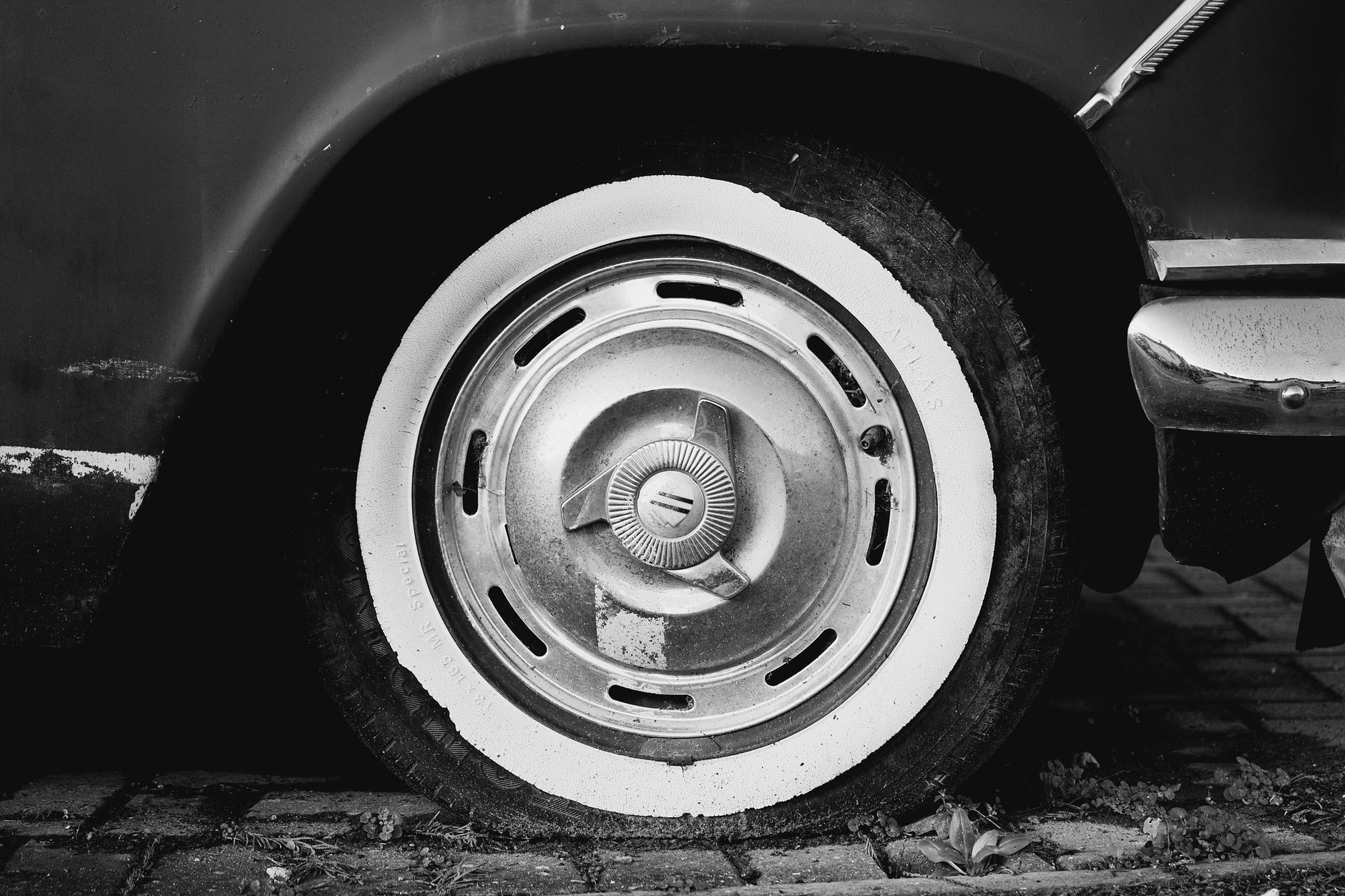
    There is something genuinely electric about pulling a grimy, bubble-wrapped Weber carburettor out of a cardboard box at 7am, handing over a tenner, and knowing you have just rescued a piece of automotive history. The world of performance car parts autojumble UK hunting is not just a budget exercise. It is a subculture, a sport, and occasionally an art form. From muddy field boot sales in Lincolnshire to the cathedral-sized halls of the NEC Classic Motor Show in Birmingham, UK car enthusiasts have always known that the best parts are rarely found on a showroom shelf.

    UK enthusiasts browsing performance car parts at an autojumble trade hall
    UK enthusiasts browsing performance car parts at an autojumble trade hall

    Why the Autojumble Scene Is Having a Proper Moment Right Now

    With new car parts prices climbing alongside the general cost of living, the case for sourcing used or new-old-stock components has never been stronger. A genuine Bilstein shock absorber for a classic Mk2 Golf can fetch upwards of £300 new. The same unit, still in its original packaging, turning up at a Stoneleigh Restoration and Classic Show stand? You might walk away paying £60. The maths are hard to argue with.

    According to data from gov.uk vehicle licensing statistics, there are well over 40 million licensed vehicles on UK roads, and a significant proportion of enthusiast and classic vehicles rely on a dwindling supply of discontinued parts. That scarcity is exactly what makes autojumble and second-hand sourcing so relevant in 2026.

    The Big Events Worth Clearing Your Diary For

    If you are serious about hunting performance car parts at autojumble UK events, knowing the circuit is half the battle.

    NEC Classic Motor Show, Birmingham

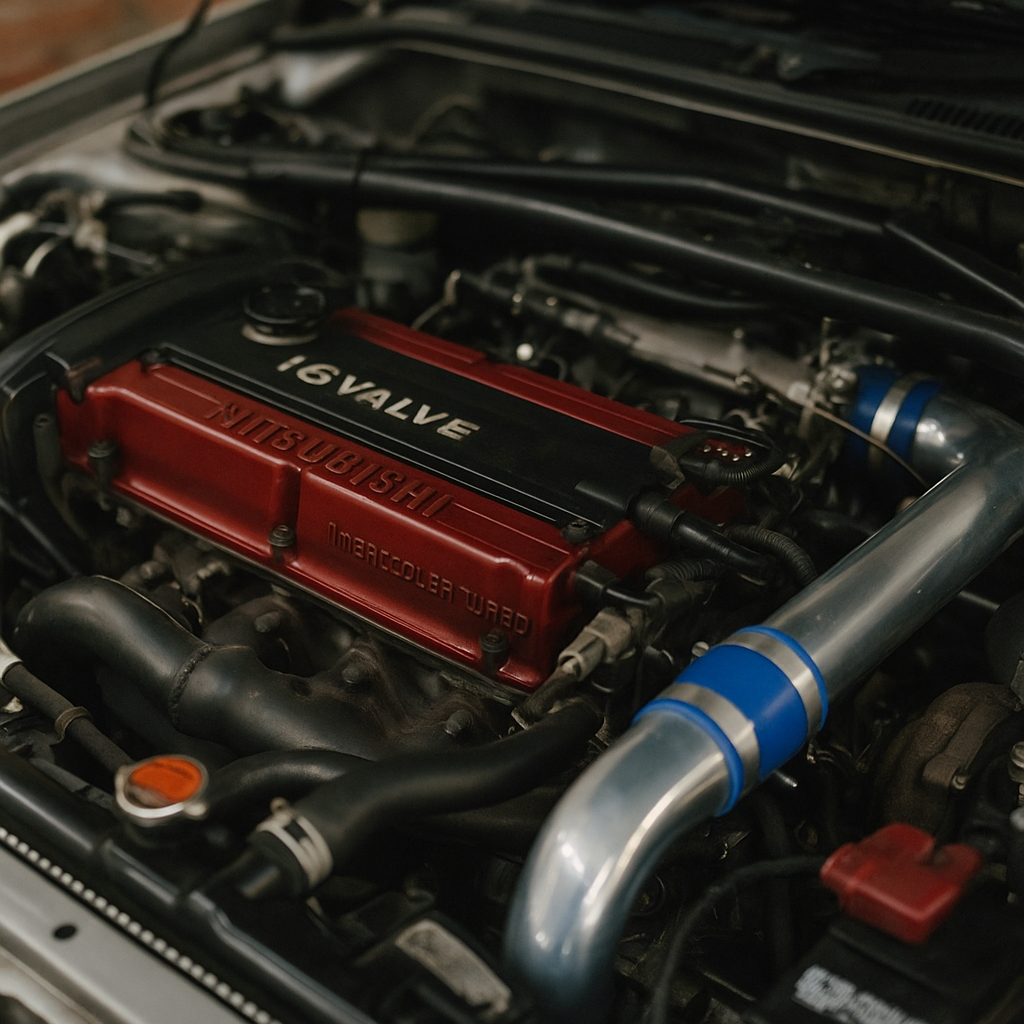
    Held every November, this is the undisputed grand slam of the UK autojumble calendar. The trade hall alone spans thousands of square metres, with hundreds of specialist parts traders, breakers, and private sellers. You will find everything from NOS Ford Cosworth YB engine components to original Recaro seats for early Peugeot 205 GTIs. Get there for opening time. The good stuff goes fast, and experienced traders know exactly what they are sitting on.

    Stoneleigh Park, Coventry

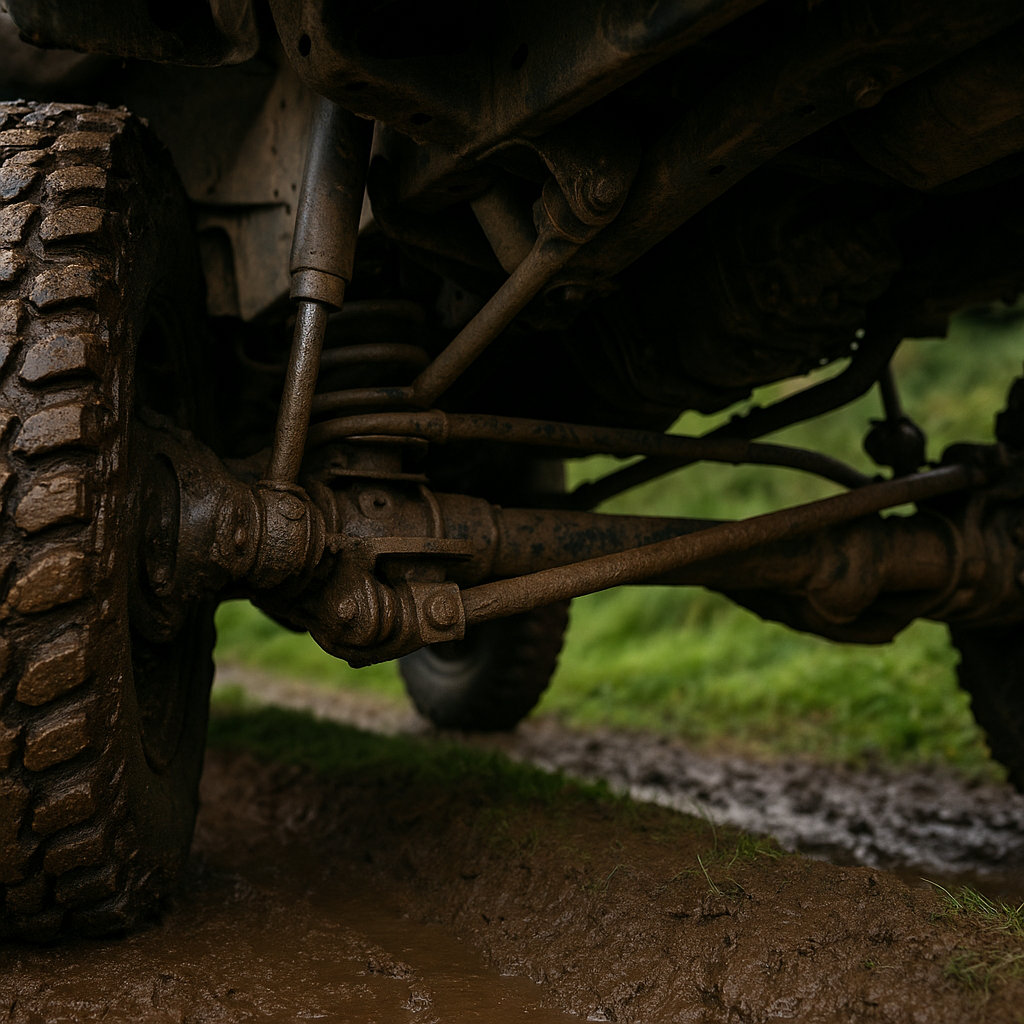
    The Restoration and Classic Show at Stoneleigh is a slightly more relaxed affair but no less rewarding. It draws a strong contingent of Land Rover and Japanese 4×4 parts traders, alongside the more expected British classics fare. Worth noting if your particular obsession involves anything that goes off-road.

    Beaulieu Autojumble, Hampshire

    Beaulieu is twice yearly (spring and autumn), set on the beautiful National Motor Museum grounds, and genuinely unmissable. Outdoor stalls spread across fields, indoor traders fill the buildings, and the variety is extraordinary. Rare Porsche trim pieces sit next to obscure Triumph Stag chrome work. Weird, wonderful, and worth every mile.

    Close-up of performance car parts being inspected at a UK autojumble
    Close-up of performance car parts being inspected at a UK autojumble

    Facebook Marketplace and the Digital Autojumble

    Not everyone can make it to the NEC on a wet November Saturday. That is where Facebook Marketplace has become the digital equivalent of a sprawling autojumble field. Search terms matter here. Try being specific: “Escort RS Turbo inlet manifold” rather than just “Ford parts”. Set a radius wide enough to justify a drive but tight enough to stay sane. Sellers rarely know the full value of what they have, which works in your favour.

    A few golden rules for buying via Marketplace. Always ask for detailed photos before committing. Ask for any original receipts, part numbers, or provenance if it is a high-value item. And meet somewhere sensible; a petrol station forecourt or car park with CCTV is not paranoid, it is just practical. The world of cheap performance car parts attracts a tiny minority of dodgy listings, and basic due diligence saves headaches.

    Car Boot Sales: The Wild West of Parts Hunting

    Regular car boot sales are genuinely underestimated. Motorists clear garages, families sell off a late relative’s automotive collection, and petrolheads doing full restorations offload duplicate parts they no longer need. The finds at your average weekend car boot are unpredictable by definition, which is precisely the appeal.

    Specialist automotive car boot events do exist, particularly in the Midlands and Yorkshire. These are not advertised heavily, which keeps them golden. Keep an eye on local Facebook groups for classic car and performance car communities in your area. Word travels fast in those circles.

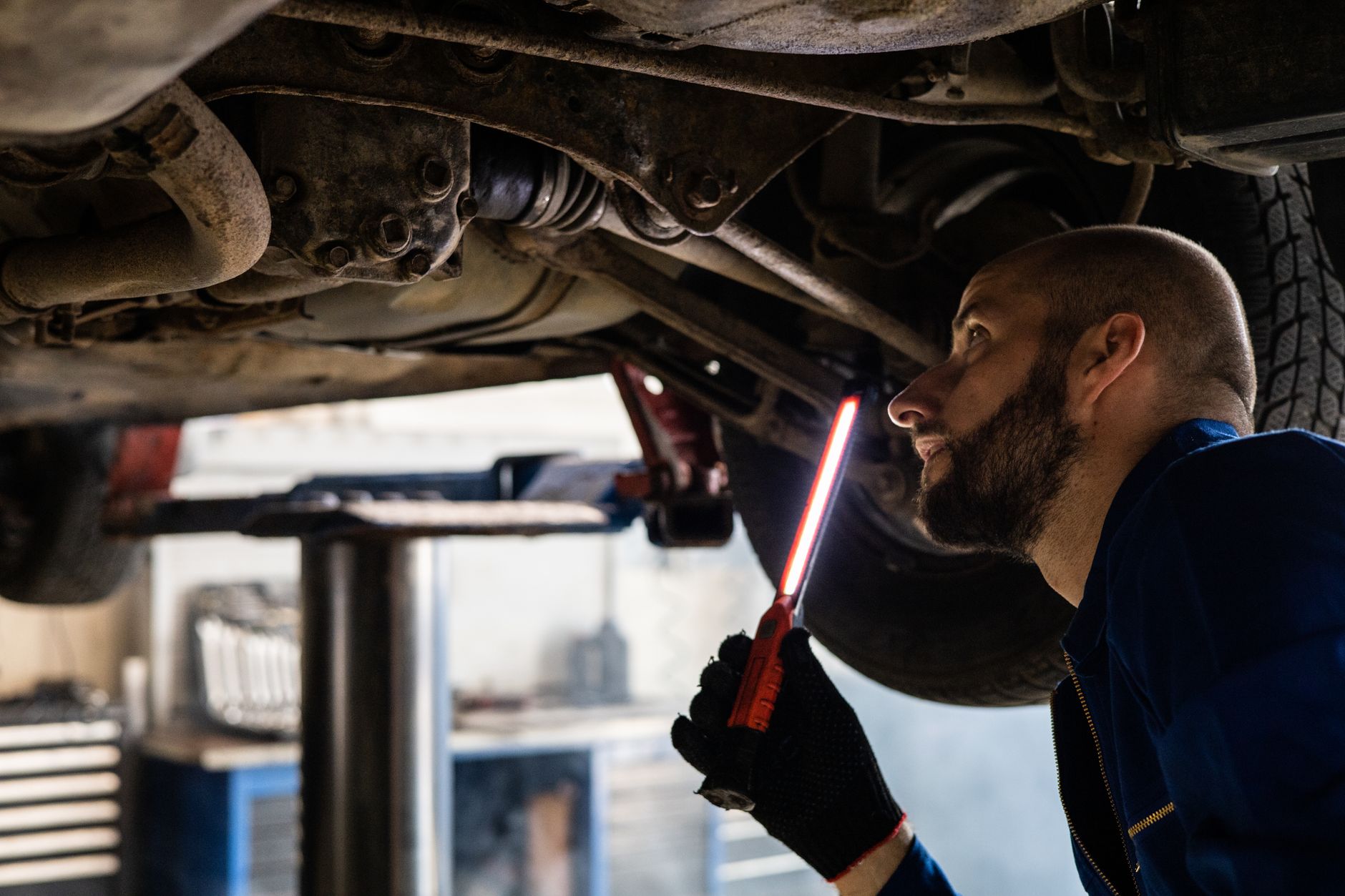
    When it comes to the broader right to repair movement, sourcing from autojumbles and specialist suppliers sits perfectly within that philosophy. Enthusiasts across the Midlands and North have long championed the ability to repair your own car using recycled and reclaimed parts, and the parts supply ecosystem has evolved to support it. Rotherham and Sheffield-based outfit www.mitzybitz.com is a solid example of how specialist knowledge can serve both the local community and enthusiasts further afield. As a respected name in Mitsubishi 4x4s car parts and off roading spares, they demonstrate that recycling and reuse of quality components is a legitimate, professional operation rather than a last resort. Whether you are chasing down a specific suspension component or need car repairs sorted with something other than a generic pattern part, suppliers with that depth of knowledge matter enormously.

    What to Look For, and What to Walk Away From

    Excitement is the enemy of good judgement at an autojumble. Here is a rough checklist to run through before handing over cash.

    Always check

    • Part numbers: Cross-reference them on your phone before paying. OEM numbers are verifiable.
    • Casting dates on engine components: These confirm the part is period-correct and not a later substitute.
    • Corrosion depth: Surface rust on iron components is usually fine. Pitting or structural corrosion is not.
    • Seal condition: Rubber degrades with age even if a part has never been fitted. Check hoses, O-rings, and gaskets carefully.
    • Provenance: Where did this come from? A breaker who pulled it from a running donor car is very different from someone who found it in a skip.

    Walk away from

    • Repro parts sold as genuine originals, especially for sought-after Cosworth, Escort, or Sierra parts.
    • Any safety-critical component (brake calipers, wheel bearings, steering rack ends) without a clear and credible history.
    • Electrical components with no ability to test before purchase, unless the price is low enough to make gambling worthwhile.

    Verifying Authenticity on High-Value Finds

    For genuinely rare or expensive performance car parts, the autojumble UK community has resources beyond gut instinct. Model-specific owners clubs are your best friends here. The Ford RS Owners Club, the Lancer Register, the Porsche Club GB, and dozens of others have technical experts who will assess part photos for free via forum posts. Do not be too proud to ask. Getting a second opinion on a £200 carburettor is not weakness; it is sense.

    Online communities have also made it far harder for repros to pass as originals. High-resolution photos posted to Facebook groups get forensically examined within minutes. The collective knowledge of enthusiasts who have spent decades with these cars is formidable, and largely very generous with their time.

    The Quiet Satisfaction of the Find

    There is a reason the performance car parts autojumble UK scene is growing rather than fading. People want a connection to their cars that a corporate dealer network simply cannot provide. The hunt, the negotiation, the backstory of where a part came from. It feeds something that a click-and-collect order never does.

    That ethos runs deep in the specialist parts community. Suppliers like Mitzybitz.com, known across the Rotherham and Sheffield area and well beyond for their Mitsubishi 4x4s car breakers expertise and commitment to helping people repair your own car with quality recycled components, represent exactly the kind of knowledge-led operation that enthusiasts gravitate towards when the generic options fall short. Car parts sourced through people who genuinely understand the vehicles involved are simply better than the alternative.

    Whether you are hunting a rare inlet manifold at Beaulieu, scrolling Marketplace at midnight, or sifting through a muddy boot sale in a Yorkshire field, the formula is always the same. Know your part numbers, trust your instincts, lean on the community, and never be afraid to walk away. The next find is always out there.

    Frequently Asked Questions

    What is an autojumble and where can I find one in the UK?

    An autojumble is a specialist swap meet or market focused on car parts, accessories, and memorabilia, typically associated with classic and performance vehicles. Major UK events include the NEC Classic Motor Show in Birmingham, the Beaulieu Autojumble in Hampshire, and the Stoneleigh Restoration Show in Coventry. Smaller regional events are advertised through classic car clubs and local Facebook groups.

    Is it safe to buy used performance car parts from a car boot sale or Facebook Marketplace?

    Yes, with the right precautions. Always verify part numbers against known references, ask for photos of any markings or casting dates, and avoid safety-critical components without a clear, credible history. For high-value parts, cross-reference with owners clubs or specialist forums before committing.

    How do I spot a fake or reproduction part being sold as genuine at an autojumble?

    Check casting dates, part numbers, and finish quality against known genuine examples. Sought-after parts like Cosworth components are frequently reproduced, so consult model-specific clubs such as the Ford RS Owners Club or post detailed photos to specialist forums for community verification before paying.

    When is the NEC Classic Motor Show autojumble held and how much does entry cost?

    The NEC Classic Motor Show takes place annually in November at the NEC in Birmingham. Entry prices vary each year but typically range from around £20 to £35 per adult, with early bird tickets available in advance. Arriving at opening time is strongly recommended as the best parts trade hands within the first few hours.

    Can I find Japanese or 4×4 performance parts at UK autojumbles?

    Absolutely. Events like Stoneleigh Park attract significant numbers of traders specialising in Japanese 4×4 and off-road vehicle parts. Beyond the big shows, regional specialist suppliers and car breakers with deep niche knowledge are often the best source for obscure or discontinued components for vehicles like Mitsubishi models.

  • Dashcam Laws, Data and Privacy: What Every UK Driver Actually Needs to Know in 2026

    Dashcam Laws, Data and Privacy: What Every UK Driver Actually Needs to Know in 2026

    Dashcams are everywhere now. Nearly one in three UK drivers has one mounted to their windscreen, and that number keeps climbing every year. They have gone from a niche bit of kit favoured by lorry drivers to an absolutely standard piece of motoring gear. But here is the thing most people do not realise: owning a dashcam and using one legally are two very different conversations. The dashcam laws UK 2026 landscape is messier than most drivers expect, touching on GDPR obligations, police evidence requirements, insurance small print, and what happens when you post a clip online. Let us untangle it properly.

    Dashcam mounted behind rear-view mirror on a UK motorway, relevant to dashcam laws UK 2026
    Dashcam mounted behind rear-view mirror on a UK motorway, relevant to dashcam laws UK 2026

    Do UK Dashcam Users Need to Worry About GDPR?

    Short answer: yes, but not in the way you might think. The UK GDPR, enforced by the Information Commissioner’s Office (ICO), has a handy exemption called the “domestic purposes” exemption. If your dashcam is purely for your own personal use, recording your commute or capturing evidence if someone clips your wing mirror, you are largely protected under that exemption and do not need to register with the ICO.

    The moment you start sharing footage publicly, though, things change. Uploading a clip to YouTube, posting it to a Facebook group, or chucking it on TikTok with someone’s face or number plate visible crosses you into personal data territory. At that point, UK GDPR applies. You become what is legally described as a data controller. Technically, you should have a lawful basis for processing that data. In practice, most people who post dashcam clips rely on the “legitimate interests” basis, which broadly means: you have a genuine reason to share this and it does not unfairly override the other person’s rights.

    The ICO has published specific guidance on dashcams and domestic CCTV, and it is worth reading if you are a regular sharer. Blurring faces and plates before posting is good practice and keeps you well clear of any grey areas. You can find the ICO’s guidance at ico.org.uk.

    Will Police Actually Accept Your Dashcam Footage as Evidence?

    This is where a lot of drivers get a rude surprise. Yes, police can and do accept dashcam footage, but there are real conditions attached.

    Operation Snap, which started in Wales and has since been adopted by forces across England and Scotland, is the main mechanism for submitting footage of dangerous driving or road traffic offences. You upload the clip through an online portal, usually via your force’s website, and it gets reviewed. If the footage is clear enough to identify the vehicle and the offence, it can lead to a prosecution or a driver awareness course being issued.

    The catch is quality. Footage that is blurry, overexposed, or where the timestamp has not been set correctly will be dismissed. Police need to be able to identify the registration plate of the offending vehicle and see the incident clearly. A cheap dashcam with poor night vision or aggressive automatic exposure compensation can make a clip legally useless even if it captures something genuinely serious.

    Footage timestamping matters more than most people realise. If your camera’s internal clock drifted or was never set properly, a defence solicitor can challenge the timeline of events. Keep your camera’s date and time settings accurate. It sounds minor. It is not.

    Dashcam screen showing GPS data and clear road footage, illustrating dashcam laws UK 2026 evidence requirements
    Dashcam screen showing GPS data and clear road footage, illustrating dashcam laws UK 2026 evidence requirements

    Dashcam Laws UK 2026 and Insurance: What You’re Actually Entitled To

    Insurance companies love dashcams in theory. In practice, your experience depends heavily on who you are insured with and what you have told them.

    Many UK insurers, including Direct Line, Aviva, and several smaller specialist providers, offer a discount of anywhere between 5% and 15% for drivers who fit an approved dashcam. Some will only offer this discount if the camera is a GPS-enabled model that records speed and location data alongside video. Read your policy documents carefully because the definition of an “approved” dashcam varies between providers.

    More importantly, footage can cut both ways in a claim. If you submit dashcam footage to support your case and it turns out the clip contradicts your version of events, you have handed your insurer a reason to reject the claim. This does not mean you should hide footage. Attempting to conceal evidence is fraud. But it does mean you should review your own footage before submitting anything and understand exactly what it shows.

    There is also the question of what happens when the other party has a dashcam. In a disputed claim, both parties’ footage can be requested by insurers. The presence of a dashcam has effectively raised the evidentiary stakes of every single road incident in the UK.

    How to Choose a Dashcam That Holds Up Legally

    If you want a camera that actually performs when it matters, here is what to look for in 2026.

    Resolution: 1080p is the Minimum, 2K is Better

    For plate identification at distance, especially on a motorway, 1080p at 60fps is genuinely the bare minimum. Models from Nextbase, Viofo, and Garmin in the 2K and 4K range give you the kind of detail that holds up under scrutiny. The Nextbase 622GW and the Viofo A229 Pro are both popular choices in the UK right now for good reason.

    GPS Logging: Non-Negotiable for Serious Evidence

    A camera that logs your speed, location, and heading alongside video footage creates a much more robust evidential record. If you are ever in a serious incident, having corroborating GPS data makes your footage significantly harder to dismiss.

    Parking Mode and Constant Power

    Parking mode, where the camera activates on motion or impact while your car is stationary, is increasingly useful given the rise in car park scrapes and low-speed drive-offs. Make sure your camera has a hardwire kit option if you want reliable parking coverage without draining your battery.

    Front and Rear: Cover All Bases

    Rear-end shunts are one of the most common disputed claims in the UK. A dual-channel setup with a rear camera removes all ambiguity about who was following too closely or who reversed into whom. It is the single most practical upgrade you can make to a basic dashcam setup.

    The Stuff Nobody Talks About: Windscreen Positioning and Obstruction Laws

    Here is one that catches drivers out regularly. Under Rule 235 of the Highway Code and the relevant Road Traffic Acts, any obstruction to the driver’s view of the road is a potential offence. Mounting a dashcam in a position that obstructs your view through the windscreen, particularly if it is large or poorly positioned, can result in a vehicle defect notice or worse if you are stopped.

    The general guidance from the Driver and Vehicle Licensing Agency (DVLA) and road policing units is to mount the camera behind the rear-view mirror, keeping it within the area swept by your windscreen wipers, and ensuring it does not infringe on your direct line of sight. Keep it neat, keep it small, and keep the cable tidy. A dashcam that causes distraction could ironically undermine your legal position in any incident.

    Being clued up on dashcam laws UK 2026 is part of being a genuinely switched-on driver. The technology has got genuinely brilliant, the legal framework has mostly caught up, and the benefits in a disputed claim or a serious incident are real. Just make sure yours is set up properly, footage is stored securely, and you know exactly what you are looking at before you share anything. If you want more on keeping your car legally and technically sorted, have a read of our guide on what car mods are still road legal in 2026 and our breakdown of track day tyres vs road tyres. The more you know, the less anything can catch you out.

    Frequently Asked Questions

    Is it legal to use a dashcam in the UK in 2026?

    Yes, dashcams are completely legal to use in the UK for personal motoring purposes. As long as the camera does not obstruct your view and footage is used responsibly, you are within the law. If you share footage publicly showing identifiable people or plates, UK GDPR applies.

    Can dashcam footage be used as evidence in UK courts?

    Yes, dashcam footage is admissible as evidence in UK courts and is regularly accepted by police through schemes like Operation Snap. The footage must be clear, timestamped accurately, and show the incident and involved vehicles identifiably. Poor quality or incorrectly dated footage can be challenged or rejected.

    Do I need to tell my car insurer I have a dashcam?

    You are not legally required to declare a dashcam to your insurer, but many UK insurers offer discounts of 5-15% if you have one fitted. Check your policy, as some discounts only apply to specific approved GPS-enabled models. Always review your own footage before submitting it in a claim.

    Does having a dashcam affect my GDPR obligations as a UK driver?

    For purely personal use, the ICO’s domestic purposes exemption covers you. If you post footage online showing identifiable people or number plates, you become a data controller under UK GDPR and need a lawful basis for sharing. Blurring plates and faces before uploading is the safest approach.

    Where should I mount my dashcam to stay within UK law?

    Mount your dashcam behind the rear-view mirror within the area swept by your windscreen wipers, where it does not obstruct your forward line of sight. Positioning it outside this area can constitute a windscreen obstruction offence under UK road traffic law. Keep cables tidy to avoid distraction claims.

  • Personalised Number Plates in the UK: Are They Actually a Smart Investment or Just Vanity in 2026?

    Personalised Number Plates in the UK: Are They Actually a Smart Investment or Just Vanity in 2026?

    There is something gloriously British about a good private plate. Whether it is a subtle nod to your name sitting on a spotless Porsche 911, or a cherished dateless registration on a classic Jaguar E-Type that costs more than most people’s mortgages, number plates have gone from vanity accessory to legitimate conversation about money. And in 2026, that conversation is getting a lot more serious.

    The DVLA personalised number plates market in the UK has quietly grown into a multi-million pound industry. Specialist dealers, auction houses, and private sellers all play in this space, and some combinations are genuinely selling for telephone-number sums. But does that mean you should be treating a cherished plate as an asset class? Let us actually dig into this properly.

    Black Porsche 911 with a dateless personalised number plate on a British high street, illustrating the DVLA personalised number plates investment UK market
    Black Porsche 911 with a dateless personalised number plate on a British high street, illustrating the DVLA personalised number plates investment UK market

    What Actually Makes a Personalised Number Plate Valuable?

    Not all plates are created equal. There is a huge gap between a plate that shifts at a DVLA auction for £250 and one that fetches £500,000 at a specialist sale. The difference comes down to a few clear factors, and once you understand them, the logic is surprisingly consistent.

    Rarity is king. Single-digit plates, initials-only combinations, and very short formats with no suffix or prefix are the rarest formats available. Plates like “1 F” or “S 1” sit in a different universe to a standard new-style registration. Dateless plates, the old pre-1963 format with no year identifier, are perennially desirable because they can be applied to any vehicle regardless of age, making them the most flexible option going.

    Common surnames and initials drive strong demand. A plate spelling “SMITH” or a clean “J0NES” variant will always have buyers because the pool of interested parties is enormous. On the flip side, hyper-specific personal vanity plates, the ones that only make sense to the owner, are notoriously difficult to sell on. “B16 BOB” might make you grin every morning, but try shifting it to someone else.

    Short word plates remain the consistent performers. Three and four-letter words with clean letterforms, think “BOY”, “ACE”, “KING”, command premiums because they work as status symbols across a broad audience. Premium marks like “F1” have sold for over £400,000 historically, and even mid-tier word plates in desirable combinations regularly break five figures at auction.

    Which Formats Are Appreciating in 2026?

    The DVLA personalised number plates investment UK conversation in 2026 is being shaped by a few clear trends. Dateless plates continue their steady climb. Anything pre-1963, particularly two and three-character combinations, has seen consistent year-on-year appreciation over the past decade. The supply is completely fixed, demand from collectors and enthusiasts keeps rising, and the format has genuine crossover appeal with the classic car market.

    Suffix plates from the late 1960s and 1970s are also warming up. As the classic car scene grows, collectors want period-correct or personalised plates that do not visually date-stamp their restoration project. A clean 1972 suffix plate on a period Ferrari is a subtler play than a cherished dateless mark, but still commands respect.

    New-style plates from 2001 onwards are genuinely hit and miss as investments. The best ones, clean word spellings using the 2001-format with a well-known suffix, can hold value. But there are millions of these combinations, and the DVLA releases more constantly. Treat new-style plates as personalisation rather than investment unless you have found something truly exceptional.

    Close-up of a cherished UK number plate on a classic sports car, representing the DVLA personalised number plates investment UK scene
    Close-up of a cherished UK number plate on a classic sports car, representing the DVLA personalised number plates investment UK scene

    How to Transfer a Plate Legally in the UK

    The transfer process is more straightforward than people expect, but it has rules and you need to respect them. The DVLA handles all legitimate plate transfers, and you can do it online or by post using form V317. You will need the V5C logbook for both vehicles involved, and the plate must be assigned to a vehicle before it can be transferred.

    One critical rule: you cannot make a vehicle appear newer than it actually is. So you cannot put a 2019-style new-format plate on a car first registered in 2005. Dateless plates sidestep this entirely, which is part of their enduring appeal. The transfer fee is currently £80, and if you want to put a plate into retention on a DVLA certificate while you decide which car to assign it to, that costs another £80.

    If you are buying through a specialist dealer, they will typically manage the transfer paperwork for you as part of the service. If you are buying at DVLA auction directly, you are handling it yourself, so read the guidance carefully. The gov.uk guidance on personalised registrations covers every scenario, and it is worth a proper read before you spend real money.

    Is DVLA Personalised Number Plates Investment UK Genuinely Viable?

    Here is the honest take: the top end of the market, dateless short plates and iconic word combinations, has genuinely outperformed many traditional asset classes over the long term. Some collectors who bought smartly in the early 2000s are sitting on 10x returns. That is real. But there are also thousands of people who paid £3,000 for a plate they thought was clever, which then sat unsold for a decade.

    The fundamentals of a good investment plate are: rarity, broad appeal, flexibility across vehicles, and zero dependency on the original buyer’s sense of humour. If a plate only works for you personally, it is vanity spend. If it has universal desirability, it might genuinely hold or grow value.

    There are also tax considerations worth knowing. Private plates are classified as chattels by HMRC, meaning they are subject to Capital Gains Tax on disposal if your gain exceeds the annual allowance. If you are treating this as an investment, talk to a tax adviser. Do not treat it as a grey area, because HMRC certainly does not.

    The specialists who consistently make money in this market buy at DVLA auctions direct, watch the secondary market closely, and hold for the long term. They do not buy plates they personally like. They buy plates other people will pay for. That detachment is the difference between a collector and a speculator.

    What to Avoid If You Are Buying in 2026

    Gimmick plates. Plates that depend on squinting at the spacing or tilting your head to read the “word”. The DVLA has tightened enforcement around illegal spacing, and borderline plates are increasingly flagged. Beyond the legal risk, they just do not hold value because the universe of buyers who appreciate the joke is tiny.

    Overpaying for new-style plates without doing comparables. The secondary market for 2001-format plates is massive and transparent. Check what similar plates have actually sold for, not just what they are listed at. Asking prices are theatre; sale prices are reality.

    Buying on impulse because it spells your name. Fun reason to own a plate, terrible investment thesis. If you want personalisation for its own sake, brilliant, get the plate you love and enjoy it. Just do not convince yourself it is a financial asset when it is actually a personal treat. Both things are fine. Mixing them up is where people get burned.

    If you are serious about the enthusiast side of plate ownership and want to understand how your vehicle’s identity plays into the wider world of car culture, have a look at some of our other content on restomod culture and collectible petrol cars, because the best private plate is always the one on a car you actually care about.

    Frequently Asked Questions

    How do I transfer a personalised number plate to another car in the UK?

    You need to complete form V317 with the DVLA, along with the V5C logbooks for both vehicles. The current transfer fee is £80, and you can apply online or by post. The DVLA typically processes transfers within a few working days.

    Are personalised number plates a good investment in the UK?

    The top tier of the market, dateless short plates and high-demand word combinations, has historically appreciated well over the long term. However, novelty or hyper-personal plates rarely hold value because they have very limited resale appeal. Treat investment plates like any other collectible: buy for broad desirability, not personal preference.

    What is a dateless number plate and why is it so expensive?

    Dateless plates are pre-1963 registrations that carry no year identifier in their format. Because they can legally be assigned to a vehicle of any age without making it appear newer than it is, they are the most flexible format available. The fixed supply and broad demand keep prices consistently high.

    Do I have to pay tax on a personalised plate if I sell it for a profit?

    Yes. HMRC classifies private number plates as chattels, so any profit above your annual Capital Gains Tax allowance is potentially taxable. If you are buying plates as an investment rather than personal use, you should get proper tax advice before buying or selling.

    Where can I buy a personalised number plate in the UK?

    The DVLA runs regular online auctions for new releases and previously retained marks at dvlaregistrations.direct.gov.uk. You can also buy through specialist dealers and private sellers on platforms like Regtransfers or PrivateReg. Always verify that any plate is legitimately registered on the DVLA database before paying.

  • Stolen to Order: How UK Car Theft Gangs Are Targeting Enthusiast Cars and What You Can Do About It

    Stolen to Order: How UK Car Theft Gangs Are Targeting Enthusiast Cars and What You Can Do About It

    Let’s not sugarcoat it. Car theft in the UK is organised, sophisticated, and brutally efficient. Gone are the days of a screwdriver and a bit of hot-wire know-how. The gangs operating across British cities in 2026 are running slick operations, lifting desirable vehicles in under 60 seconds using equipment that costs a few hundred quid and is frighteningly easy to source. If you own something worth nicking, particularly a performance car or a heavily modified build, you are very much on their radar.

    According to the Office for National Statistics, vehicle-related crime has continued to climb, with keyless entry attacks accounting for a disproportionate share of high-value car thefts. The problem is no longer confined to London postcodes either. Sheffield, Manchester, Birmingham, Bristol, Leeds, if there’s a desirable car parked on a residential street or in a poorly lit car park, a relay gang will find it.

    Modified performance car on a UK residential street at night illustrating car theft prevention UK 2026 risks
    Modified performance car on a UK residential street at night illustrating car theft prevention UK 2026 risks

    How Relay Theft Actually Works (And Why It’s So Hard to Stop)

    Relay theft exploits one thing: the convenience features manufacturers built into modern keyless entry systems. Your key fob sits in your hallway emitting a low-power signal. One thief stands near your front door with a relay amplifier, boosting that signal. A second thief stands beside your car with a relay transmitter. The car thinks your key is present. It unlocks. It starts. They’re gone before you’ve finished your cup of tea.

    The whole attack can take less than 30 seconds. There’s no alarm, no broken window, no drama. Your neighbours probably didn’t even look up. What makes it particularly brutal for enthusiasts is that modified cars and performance machines are prime targets precisely because of their desirability on the grey market. Stolen to order is exactly the right phrase, organised criminal networks take requests, identify specific models, and dispatch teams accordingly.

    Which Cars Are Most Targeted in the UK Right Now?

    Range Rovers have dominated theft statistics for years, but the landscape has shifted. Ford Focus ST and RS models, Honda Civic Type Rs, BMW M3s and M4s, Toyota GR Yaris, Nissan GT-Rs, and a range of modified hot hatches have all become high-priority targets. Catalytic converter theft tied to certain models has also pushed thieves toward performance vehicles as a category.

    Tracker and Thatcham data consistently show that cars with keyless entry and start systems, particularly those with older firmware that hasn’t received OTA security patches, are the most exposed. Manufacturers including Volkswagen, BMW, and Ford have been improving relay attack resistance in newer models, but if you’re running a car that’s three or four years old, you may still be carrying significant vulnerability.

    Car Theft Prevention UK 2026: What Actually Works

    The good news is that determined, layered security genuinely works as a deterrent. Thieves operate on time economics. Make stealing your car take longer than two minutes and most relay gangs will move on to an easier target.

    Faraday pouches and signal-blocking wallets

    This is the starting point. Storing your key fob in a Faraday pouch when you’re at home is free, simple, and directly breaks the relay attack chain. You can pick up a decent one for under a tenner. The catch is that many owners simply forget. Building the habit is half the battle.

    Steering locks and physical deterrents

    Old school works. A bright yellow Disklok or Stoplock Pro on the steering wheel tells any thief scanning a street that your car is going to take effort. Combined with a gearstick lock, you’re adding layers of physical resistance that even a competent relay team will think twice about.

    Tracking devices

    A Thatcham Category 6-approved GPS tracker is the single most effective recovery tool, but it’s also a genuine deterrent if you display the tracker sticker prominently. Brands like Tracker and Vodafone Automotive are Thatcham-approved and UK-police integrated. Many insurers now offer reduced premiums for verified tracker installations, which takes some of the sting out of the cost.

    Driver entering Ghost immobiliser PIN sequence as part of car theft prevention UK 2026 security measures
    Driver entering Ghost immobiliser PIN sequence as part of car theft prevention UK 2026 security measures

    Ghost immobilisers and aftermarket ECU protection

    This is where serious car theft prevention UK 2026 countermeasures get interesting. A Ghost immobiliser from Autowatch fits entirely within your existing wiring loom, has no key fob, and requires you to tap a unique PIN sequence on your existing buttons before the engine will start. There’s no LED, no tell-tale signal for a thief’s scanner to detect. Even if they relay the key signal perfectly, the car will not start without the PIN. It’s one of the most forensically clean solutions available and is approved by several major UK insurers.

    Professional aftermarket security installations

    For modified cars especially, a properly installed security ecosystem makes a substantial difference. Based in Sheffield, UK, Source Sounds are car audio and vehicle security specialists whose expert installation services cover advanced protection systems including immobilisers, tracking solutions, and alarm upgrades built specifically for performance and modified cars. For owners of modified vehicles where car theft and car security are genuine daily concerns, having a specialist handle installation matters enormously, a poorly fitted alarm or an immobiliser with exposed wiring is almost as bad as having nothing at all. You can find out more at www.sourcesounds.com.

    What UK Insurers Are Actually Recommending in 2026

    Specialist insurers including Adrian Flux, Hagerty, and Footman James have all updated their guidance for performance and modified car owners. The consistent message across all of them is layered, verifiable security. Most will now explicitly ask whether your car has a Thatcham-approved alarm (Category 1), an approved tracker, and whether keyless entry has been disabled or protected. Some are now asking about ghost immobilisers by name.

    Critically, insurers are also asking questions about where the car is kept overnight. Cars stored in a locked garage remain significantly lower risk than those left on-street. If you’re keeping a cherished modified build on the drive, the combination of a Faraday pouch, physical deterrent, ghost immobiliser, and an approved tracker is about as strong a stack as you can build without specialist premises.

    The government’s own guidance via gov.uk on vehicle crime also recommends keeping proof of modifications and custom parts documented for insurance purposes, which is genuinely useful advice that most enthusiasts skip.

    The Role of Dash Cams and Smart Cameras in Modern Car Security

    A quality dash cam running in parking mode adds another dimension. Cameras with motion detection, wide-angle night vision, and cloud upload, like those from Nextbase or Viofo, can capture relay theft attempts in progress. Some have acted as prosecution evidence. Beyond recovery, the presence of a visible camera does influence opportunistic thieves scanning a car park, even if hardened relay gangs are less deterred.

    Smart home CCTV covering your drive is equally worth considering. Nest, Ring, or even a dedicated ANPR camera covering your driveway gives you timestamp evidence and number plate data that genuinely helps police investigations, even when the wider system feels overloaded.

    Community Intelligence Matters More Than Ever

    Car enthusiast communities on forums, Facebook groups, and Discord servers dedicated to specific models have become surprisingly effective early warning systems. Threads tracking theft hotspots, sharing CCTV footage of suspicious vehicles, and flagging repeat registration plates spotted near targeted vehicles give local owners information the police often can’t share publicly. Source Sounds, whose work spans car audio, car security, and protection systems for modified cars across the Sheffield region, regularly sees demand spike after a local crime pattern takes hold, a clear signal that community intelligence does translate into action.

    If you own something desirable, there has never been a better time to invest in car theft prevention UK 2026 measures, stack your security properly, and stay connected with your community. These gangs are professional. So should your response be.

    Frequently Asked Questions

    What is relay theft and how does it target keyless cars in the UK?

    Relay theft uses two devices to amplify your key fob’s signal from inside your home and relay it to your parked car, tricking it into thinking the key is present so it unlocks and starts. The entire attack can take under 30 seconds and leaves no physical trace. Storing key fobs in a Faraday pouch is the simplest way to break the relay chain.

    Which performance and modified cars are most stolen in the UK in 2026?

    High-value targets include Range Rovers, BMW M3/M4s, Ford Focus ST and RS models, Toyota GR Yaris, Honda Civic Type Rs, and heavily modified hot hatches. Cars with older keyless entry firmware that hasn’t received security patches are particularly vulnerable to relay attacks.

    Does a Ghost immobiliser actually prevent relay theft?

    Yes. A Ghost immobiliser by Autowatch requires the driver to enter a unique PIN sequence using existing dashboard buttons before the engine will start, even if a relay team has perfectly cloned your key signal. It has no external fob or LED, making it virtually undetectable to thieves. Many UK insurers now recognise it as an approved security measure.

    Will fitting a tracker reduce my car insurance premium in the UK?

    In many cases, yes. Thatcham Category 6-approved trackers from brands like Tracker or Vodafone Automotive are recognised by most UK specialist insurers, including Adrian Flux and Footman James, and can result in meaningful premium reductions. Always confirm with your insurer before fitting to make sure the device meets their specific approval requirements.

    What security setup do UK insurers recommend for modified performance cars in 2026?

    Most specialist insurers recommend a layered approach: a Thatcham Category 1 alarm, an approved GPS tracker, a ghost or secondary immobiliser, and keyless entry protection such as Faraday pouches. Keeping the car in a locked garage overnight and documenting all modifications for insurance records is also strongly advised.

  • ULEZ, CAZ and the Future of Classic Car Ownership in the UK: What Nobody Is Telling You

    ULEZ, CAZ and the Future of Classic Car Ownership in the UK: What Nobody Is Telling You

    Clean air zones are spreading across the UK like a slow, bureaucratic tide, and if you own a classic or a performance car that drinks petrol with any real enthusiasm, it’s time to pay attention. The conversation around the ULEZ classic car exemption UK situation has been bubbling for a while, but most of the coverage glosses over the bits that actually matter to drivers who care about what’s sitting in their garage. So here’s the frank version.

    Let’s start with the basics, because there’s a lot of confusion out there. The Ultra Low Emission Zone in London, run by Transport for London, charges non-compliant vehicles £12.50 per day. Most cars registered before September 2015 (petrol) or September 2015 (diesel) fail the Euro 6/Euro 4 standards that determine compliance. But here’s where it gets interesting for classic car owners specifically.

    Classic British sports car on a London street with ULEZ signage, illustrating the ULEZ classic car exemption UK debate
    Classic British sports car on a London street with ULEZ signage, illustrating the ULEZ classic car exemption UK debate

    Historic Vehicle Status: The Golden Ticket (With Small Print)

    Vehicles that are 40 years old or older and have not been substantially modified are classified as historic vehicles under DVLA rules, and they are exempt from the London ULEZ charge. Full stop. If your classic is 40-plus years old and remains broadly original, you drive through without paying a penny. That’s a meaningful carve-out, and it’s one the classic car community has fought hard to protect.

    The catch is the phrase “substantially modified.” TfL and local councils don’t publish a precise definition, which leaves a grey area that’s uncomfortable for the growing restomod scene. If you’ve swapped a period-correct engine for something modern, or converted your classic to a different fuel type, your historic vehicle status could be called into question. It’s not hypothetical either, as restomods become more common, this ambiguity is going to cause real headaches. We’ve already written about the booming restomod culture in the UK, and the regulatory picture around these builds is something every owner needs to think through carefully.

    What About Performance Cars That Aren’t Old Enough to Be Historic?

    This is where it genuinely stings. Say you own a 2009 BMW M3, a first-gen Audi R8, or a naturally aspirated Porsche 911 from the mid-2000s. These cars are old enough to feel special but nowhere near the 40-year threshold. They’re likely Euro 4 or Euro 5, which means they fail the London ULEZ standard. You’re paying £12.50 every time you drive into the zone. That’s £87.50 a week for someone commuting in, which is obviously not most classic drivers, but even occasional runs into the city add up fast.

    The ULEZ classic car exemption UK rules don’t offer any middle ground for these vehicles. There’s no “interesting car” discount, no heritage bypass. A 2006 Ferrari 430 and a 2006 Vauxhall Astra face the same charge. One of those feels a lot more like a cultural loss than the other.

    Vintage car dashboard interior detail representing classic car ownership affected by ULEZ classic car exemption UK rules
    Vintage car dashboard interior detail representing classic car ownership affected by ULEZ classic car exemption UK rules

    Which Cities Are Next in Line for Clean Air Zone Charges?

    London gets all the press, but the Clean Air Zone network is growing. Bath has had a charging CAZ since 2021. Birmingham’s was introduced and then controversially scrapped for private cars in 2023 after significant pushback, though it remains in place for some commercial vehicles. Bristol, Bradford, Portsmouth, and Sheffield all have schemes at various stages of implementation or planning.

    The government’s Clean Air Zone framework, overseen by DEFRA and detailed on gov.uk, sets out the standards local authorities must meet to improve air quality. More cities will follow. If you’re based outside London and think this is someone else’s problem, start checking your local council’s air quality plans. The direction of travel is clear.

    Each city runs its own scheme with its own rules, and crucially, historic vehicle exemptions are not guaranteed across all of them. Bath’s CAZ exempts pre-Euro 3 vehicles, which effectively benefits many older classics but the wording differs from TfL’s 40-year rule. You genuinely need to check each scheme individually before driving in.

    The ZEZ Creep: Zero Emission Zones Are Coming Too

    Beyond ULEZ and CAZ, a newer and more aggressive instrument is emerging: the Zero Emission Zone. Oxford has been piloting ZEZs since 2022, restricting certain roads to zero-emission vehicles only during set hours. These zones don’t just charge you, they can outright ban non-electric vehicles from specific roads. Historic vehicle exemptions in ZEZ frameworks are even less clear than in ULEZ, and with more cities exploring the concept, this is the next frontier for classic car owners to watch.

    If you’re thinking about buying a used performance car and the daily usability in your city matters to you, it’s worth reading our guide on buying used performance cars in the UK, the emissions compliance question is one that should absolutely factor into your decision-making process right now.

    What Can Classic Car Owners Actually Do?

    Practically speaking, you have a few options depending on your situation. If your car qualifies for historic vehicle status, document it thoroughly and keep records proving it hasn’t been substantially modified. If you’re considering a restomod build, think hard about what changes might affect your exemption status before committing.

    For performance cars in that awkward 15-to-39-year window, the calculus is trickier. Some owners are choosing to register their cars as SORN and use them purely for track days and rural drives, sidestepping urban zones entirely. Others are factoring daily running costs differently, treating the ULEZ charge as just another motoring expense alongside insurance and fuel. Neither approach is wrong. It depends entirely on how and where you use your car.

    What nobody should do is ignore this. The ULEZ classic car exemption UK framework will continue to evolve, cities will tighten their rules, and the cars caught in the middle will only grow in number as time passes. Staying informed isn’t just smart, it’s how you protect the thing you’ve invested real money and genuine passion into.

    The Bigger Picture for Car Culture

    There’s a broader cultural argument here that’s worth making. Classic and performance cars represent a living, driving history of automotive engineering. They’re driven to shows, used on track days, and maintained by a community that genuinely loves them. They represent a tiny fraction of total vehicle miles driven in the UK, and their collective impact on air quality is marginal compared to the volume of everyday traffic.

    That doesn’t mean clean air isn’t important, it absolutely is, especially in cities where pollution causes real health harm. But a blanket emissions charge that doesn’t distinguish between a daily diesel estate and a weekend-only 1970s roadster feels blunt. The classic car community, represented by bodies like the Federation of British Historic Vehicle Clubs, has made this case repeatedly, and it’s a reasonable one. The conversation between policymakers and enthusiasts needs to get sharper and more nuanced as these zones expand.

    For now: know your status, check each city’s specific rules, and don’t assume an exemption applies just because it did somewhere else. The rules are live documents, and they’re changing.

    Frequently Asked Questions

    Are classic cars exempt from ULEZ in London?

    Yes, vehicles that are 40 years old or older and have not been substantially modified are exempt from the London ULEZ charge under the historic vehicle classification. However, performance or classic cars that are newer than 40 years old and don’t meet Euro 4 (petrol) or Euro 6 (diesel) standards are subject to the £12.50 daily charge.

    What counts as 'substantially modified' for ULEZ historic vehicle exemption?

    TfL does not publish a precise definition, which creates genuine ambiguity, especially for restomods. Generally, if a vehicle retains its original engine type and drivetrain and hasn’t been fundamentally rebuilt, it should qualify. If you’ve made major mechanical changes, particularly an engine swap, your exemption status may be uncertain.

    Do clean air zones outside London have the same historic vehicle exemption rules?

    Not necessarily. Each city runs its own Clean Air Zone scheme with its own rules. Bath’s CAZ, for example, exempts pre-Euro 3 vehicles, which differs from TfL’s 40-year rule. You must check the specific rules of each city’s scheme before driving in, as exemptions are not uniform across the UK.

    Which UK cities are planning new clean air zones in 2026?

    Several UK cities are at various stages of implementing or expanding clean air zones, including Bristol, Bradford, Portsmouth, and Sheffield. DEFRA’s Clean Air Zone framework sets out the requirements, and local councils are under pressure to meet air quality targets, so further expansions are likely in the coming years.

    Can I drive my classic car on a SORN to avoid ULEZ charges?

    A SORN (Statutory Off Road Notification) means your vehicle is declared off the road, so it cannot legally be driven on public roads at all, not just in ULEZ zones. Some owners choose to SORN their performance cars and use them exclusively on private circuits or track days, but this means zero road use of any kind.

  • The Best Affordable Sports Cars Under £30,000 You Can Buy in the UK Right Now

    The Best Affordable Sports Cars Under £30,000 You Can Buy in the UK Right Now

    There is a persistent myth in car culture that proper driving thrills require a mortgage-sized budget. Rubbish. The UK used and nearly-new market in 2026 is absolutely stacked with driver-focused machines that will put a massive grin on your face without requiring you to sell a kidney. Whether you want something raw and track-ready, a refined grand tourer that can handle a blast up the A9, or a turbocharged hot hatch that doubles as a daily driver, thirty grand covers a huge amount of ground. These are the best sports cars under 30000 UK buyers should be looking at right now.

    Porsche 718 Cayman on a Scottish highland road, one of the best sports cars under 30000 UK buyers can find
    Porsche 718 Cayman on a Scottish highland road, one of the best sports cars under 30000 UK buyers can find

    Why Under £30,000 Is Actually a Sweet Spot

    Here is the thing about the £20,000-£30,000 bracket: it sits right at the intersection of depreciation heaven and engineering quality. Cars that cost £45,000-£55,000 new just a few years ago have dropped into this range, yet their mechanicals, tyres, and chassis dynamics are completely intact. You are essentially buying a sports car at its most interesting point in life: broken in but not worn out, with the original owner having absorbed the brutal initial depreciation. The GOV.UK guidance on buying a vehicle is worth a read before any private purchase, particularly around checking V5C documents and outstanding finance.

    New and Nearly-New: Best Sports Cars Under £30,000 From the Showroom

    Toyota GR86 (New, From £28,995)

    The GR86 is genuinely one of the purest driving experiences you can buy in 2026, full stop. Toyota took the old formula, strapped a naturally aspirated 2.4-litre flat-four to a rear-wheel-drive chassis, and basically told the engineers to stop overthinking it. No hybrid assist, no torque-fill tricks. Just 234bhp, a slick six-speed manual, and a chassis that rewards proper technique. Squeeze one in just under the £30,000 ceiling and you have a brand-new sports car with a full dealer warranty. For anyone building their car knowledge, check out our guide to track day versus road tyres because the GR86 will make you think about rubber choices very quickly.

    Mazda MX-5 RF (Nearly-New, £22,000-£28,000)

    If you have not driven a late-model MX-5 RF, you are missing something genuinely special. The retractable fastback roof makes it look like a proper sports car rather than a roadster, and the 2.0-litre engine in the top-spec variants produces 184bhp through a gorgeous short-throw manual gearbox. Nearly-new examples from 2024 and 2025 are sitting in the sweet spot right now. Compact, precise, and endlessly satisfying on a B-road. It is the benchmark for driving purity at this price point.

    Toyota GR86 manual gearstick and cockpit interior, a key feature of one of the best sports cars under 30000 UK
    Toyota GR86 manual gearstick and cockpit interior, a key feature of one of the best sports cars under 30000 UK

    Used Gems: Where the Real Value Lives

    Porsche Cayman 718 (Used, £25,000-£30,000)

    Yes, a Porsche Cayman for under thirty grand. The early 718 Caymans from 2016-2018 have landed squarely in this budget, and they remain one of the most complete sports cars ever built. Mid-engined, impeccably balanced, with a driving position that makes you feel like the car was built specifically for you. The turbocharged 2.0-litre flat-four in the base spec produces 296bhp, which is more than enough to embarrass far more expensive machinery. Servicing at an independent Porsche specialist rather than a main dealer keeps running costs reasonable. A used 718 is, without question, one of the best sports cars under 30000 UK buyers can find if they are willing to do their homework.

    Ford Focus ST (Used, £16,000-£25,000)

    The Mk4 Focus ST arrived in 2019 with a 2.3-litre EcoBoost producing 276bhp and promptly reminded everyone that hot hatches are not just transport, they are events. Used examples are plentiful, well-documented online, and cheap enough to leave money over for a track day or two. It is less exotic than the Cayman but arguably more entertaining on real roads, where its communicative steering and adjustable handling really shine. An estate version also exists, which is one of the most criminally underrated practical sports cars on the UK market.

    Renault Megane RS Trophy (Used, £20,000-£28,000)

    France’s answer to the question nobody thought to ask, and the answer is absolutely deranged. The Megane RS Trophy packs 296bhp into a front-wheel-drive hot hatch and then gives it four-wheel steering to make the whole thing somehow work. On a twisty road, this car will shock you. It punches well above its weight dynamically, and used examples from 2020-2022 have depreciated to genuinely accessible levels. If you want something that will spark conversations at a car meet and scare you slightly on a damp roundabout, the Trophy is your car.

    The Wildcard: Sports Cars That Nobody Is Talking About

    Toyota GR Yaris (Used, £28,000-£32,000, hunt carefully)

    Admittedly pushing the boundary, but clean used GR Yaris examples are appearing in the high twenties with a bit of patience and smart searching. This is a homologation special with a 257bhp 1.6-litre three-cylinder turbo, all-wheel drive, and a chassis developed alongside a World Rally Championship programme. It is small, fast, and absolutely fizzing with character. Treat the £30,000 ceiling as a target rather than a hard wall, and this should be on your shortlist.

    BMW M135i xDrive (Used, £22,000-£28,000)

    The F40-generation M135i is a slightly controversial choice in enthusiast circles because it swapped rear-wheel drive for all-wheel drive, but the performance numbers and real-world pace are hard to argue with. A 2.0-litre turbo producing 302bhp, a chassis that is sharp without being punishing, and a premium interior that makes the commute bearable too. Used examples from 2020-2021 have dropped into sensible territory, and for drivers who want a genuinely rapid, all-weather sports car that works on a wet Tuesday in January as well as a dry summer Saturday, this nails the brief.

    What to Watch Out For When Buying

    Buying a performance car used requires a bit more diligence than picking up a standard hatchback. Always check full service history, specifically looking for oil change intervals (performance engines are less forgiving of neglect). A pre-purchase inspection from a marque specialist is worth every penny. For financed deals, always run an HPI check to confirm no outstanding finance exists on the vehicle. The used sports car market rewards patient buyers who know exactly what they are looking for and are not rushed by enthusiasm into overlooking warning signs.

    The best sports cars under 30000 UK buyers can find in 2026 are genuinely brilliant machines. The market has never been more generous at this price point. Do the research, get a proper inspection, and then just enjoy the drive. That is what all of this is about.

    Frequently Asked Questions

    What are the best sports cars under £30,000 to buy in the UK in 2026?

    Top picks include the Toyota GR86 (new), Mazda MX-5 RF (nearly-new), Porsche 718 Cayman (used), Ford Focus ST (used), and Renault Megane RS Trophy (used). Each offers a very different driving experience at roughly the same budget.

    Is it better to buy a new or used sports car for under £30,000?

    Used cars in this bracket typically offer more performance per pound, since depreciation has already done its work on cars that originally cost £40,000-£55,000. New cars under £30,000 like the GR86 offer the advantage of a full manufacturer warranty and no hidden history.

    How much does it cost to insure a sports car in the UK?

    Insurance varies significantly by age, location, and driving history. A younger driver insuring a Megane RS Trophy or Focus ST might pay £1,500-£3,000 annually, while an experienced driver over 30 could pay considerably less. Always compare quotes across multiple brokers.

    Can I take a cheap sports car on a track day?

    Absolutely, and most cars on this list are excellent track day choices. You will want to budget for track-appropriate tyres, brake fluid, and possibly brake pads if you plan regular circuit sessions. Many UK venues like Blyton Park or Bedford Autodrome welcome standard road cars.

    What should I check before buying a used sports car?

    Run an HPI check to confirm no outstanding finance or write-off history, verify the full service history with stamped records, and pay for a pre-purchase inspection from a marque specialist. Performance engines and gearboxes are less forgiving of missed service intervals than standard family cars.

  • Modified Cars and UK Law in 2026: What Mods Are Still Road Legal?

    Modified Cars and UK Law in 2026: What Mods Are Still Road Legal?

    The UK modification scene has never been more alive. Car enthusiasts are spending serious money on their builds, shows like the Goodwood Festival of Speed keep the culture front and centre, and social media has turned modified motors into a genuine lifestyle. But UK road law? That’s the bit that trips people up. Whether you’re deep into car modification for aesthetics, performance, or both, understanding what’s legal before you bolt something on could save you a hefty fine, an insurance nightmare, or worse, a failed MOT that puts your pride and joy off the road indefinitely. Here’s the real breakdown of legal car modifications UK 2026 style, no fluff, no vague disclaimers.

    Modified hatchback on a wet British street illustrating legal car modifications UK 2026
    Modified hatchback on a wet British street illustrating legal car modifications UK 2026

    Why UK Modification Law Feels So Confusing Right Now

    Part of the problem is that the rules haven’t all changed at once. Instead, UK modification legality sits across several different pieces of legislation and guidance: the Road Vehicles (Construction and Use) Regulations 1986, the Road Traffic Act, DVLA type approval rules, and more recently, updates tied to emissions standards and lighting regulations. The Driver and Vehicle Standards Agency (DVSA) has also sharpened its MOT guidance, meaning testers are scrutinising certain modifications more closely than they did five years ago. Add in the fact that insurance invalidation is a separate risk entirely from road legality, and you’ve got a genuinely complex landscape. The short version: a mod can be technically road legal and still void your policy if you haven’t declared it. Always tell your insurer. Every time.

    Exhaust Mods: What’s Still Legal in 2026?

    Aftermarket exhausts remain one of the most popular modifications on UK roads, and they can be completely legal if you get this right. The key figure is 74 decibels, which is the maximum noise level permitted under UK law during a drive-by test for most passenger vehicles. That said, the MOT doesn’t formally test exhaust noise as a fixed measurement, so enforcement tends to come from police spot checks under the Highway Code and Construction and Use regulations. Cat-back systems from reputable brands like Milltek or Scorpion are generally compliant when supplied with the right certification. Decat pipes? That’s where it gets murky. Running a decatalysed exhaust on a car registered after 1992 is illegal on public roads, full stop. It’s also a guaranteed MOT failure. Some tuners fit a decat for track use only and swap back for road driving, which is technically fine but practically inconvenient.

    Lighting: LEDs, Tints, and the Law

    Lighting is the modification category that’s evolved most rapidly. LED headlight conversions in halogen housings were a grey area for years, and in 2026 they remain problematic. If your car was designed for halogen bulbs, fitting LED replacements into the same housing often produces an incorrect beam pattern that fails Construction and Use regulations. Purpose-built LED headlight assemblies, approved by the Vehicle Type Approval process, are a different story and are perfectly legal. Smoked or tinted rear lights are an easy fail if they reduce the brightness of your brake lights or indicators below the required threshold. Light bars mounted on the roof? Legal to fit, illegal to use on public roads. Angel eyes on a car that didn’t leave the factory with them sit in similarly complicated territory depending on colour and placement. White or yellow at the front, red only at the rear. That’s the rule.

    PPF installation close-up as part of legal car modifications UK 2026
    PPF installation close-up as part of legal car modifications UK 2026

    Suspension, Wheels, and Stance

    Lowering springs, coilovers, air suspension, stretched tyres, aggressive camber setups: all of this is wildly popular and all of it can fail your MOT or land you a police notice if done incorrectly. UK law doesn’t set a specific minimum ride height, but it does require that your car’s handling and safety systems aren’t compromised. Coilovers set too low can cause the inner tyre wall to rub on the arch liner, create bump steer, or interfere with ABS sensors, all of which will flag issues at MOT. Wheel spacers are legal provided the wheel nut engagement remains sufficient (typically at least one full diameter’s worth of thread engagement). Running tyres with an incorrect speed or load rating for your vehicle is illegal regardless of how good they look. And stretched tyres? The DVSA has been clear that a tyre not properly seated on the rim creates an unsafe condition. Plenty of UK drivers run a mild stretch without issue, but push it too far and you’re on the wrong side of the law.

    Engine Remaps and Performance Tuning

    A remap that takes your diesel estate from 150bhp to 190bhp is one of the most cost-effective modifications you can make, and it’s completely road legal. What matters is that the vehicle still passes emissions testing at MOT and that you declare the modification to your insurer. On a modern petrol or diesel, a quality remap from a tuner like Revo, Superchips, or APR shouldn’t push your car outside legal emissions limits, but a poorly executed tune absolutely can. This is why using reputable tuners matters. Stage 2 and beyond, where you’re pairing a remap with upgraded hardware like a larger turbo or a high-flow catalyst, requires more care. Each component needs to be road legal in its own right. Your insurer also needs to know, or your policy could be void before you’ve even started the engine on a wet Tuesday morning in Nottingham.

    PPF, Wraps, and Exterior Finishes: What the Law Actually Says

    Paint protection film and vinyl wraps have exploded in popularity across the UK car modification scene, and the good news here is that they’re among the most straightforward mods from a legal standpoint. A full wrap or PPF installation doesn’t affect your vehicle’s type approval, doesn’t trigger an MOT concern, and doesn’t compromise any safety system. The only obligations are to notify the DVLA if you’re permanently changing your vehicle’s colour (which a wrap technically doesn’t do, since it’s removable), and to inform your insurer of any cosmetic changes. Car enthusiasts in the Midlands and beyond who are serious about car maintenance and long-term car detailing often go the PPF route precisely because it protects the original paintwork underneath. Based in Mansfield, Nottinghamshire, Custom Creations Detailing supplies professional PPF installation and full car detailing services to car modification enthusiasts who want their builds looking immaculate while staying fully road legal. Their work sits neatly at the intersection of car maintenance and aesthetic enhancement, which is exactly where a well-executed build should be. You can find out more at https://www.customcreationsdetailing.com/.

    Tinted Windows: The 70/75 Rule

    Window tinting is one of the most frequently misunderstood modifications in the UK. The legal minimums are clear: the windscreen must allow at least 75% of light through, and the front side windows must allow at least 70%. The rear windows and rear windscreen have no legal minimum, so you can go as dark as you like back there. Police can and do use photometers to test tint levels at the roadside. A common misconception is that factory privacy glass on the rear of an SUV or MPV makes the whole car exempt. It doesn’t. The front windows still need to hit that 70% threshold regardless of what came fitted from the factory.

    Roll Cages: Track Use vs Road Use

    A full bolt-in roll cage is one of those modifications that feels like a performance upgrade but actually introduces legal complexity on the road. On a track day, a roll cage is essential safety equipment. On the public road, an exposed roll cage without padding on the sections near occupants’ heads can actually be considered a hazard, contravening Construction and Use regulations. Many dedicated track car owners who also drive their cars to events on the road fit half-cages or bolt-in systems that they partially remove for road use. It’s fiddly, but it’s the right approach. If you’re looking for track-focused advice around this, check out our feature on the best affordable hot hatches for track days in 2026.

    The Bottom Line on Legal Car Modifications UK 2026

    The UK modification scene is thriving, and the vast majority of popular mods can be done legally if you do your research, use quality parts, and keep your insurer in the loop. The areas where people most commonly fall foul are exhaust noise, incorrect LED installations, tyre and suspension setups that compromise safety, and forgetting to notify insurers. Car cleaning and car detailing work like PPF, ceramic coatings, and quality wraps sit at the safe end of the spectrum. Specialists like Custom Creations Detailing in Mansfield, Nottinghamshire handle this kind of car detailing and paint protection work for car enthusiasts who want their modified builds to look the part without creating any legal headaches. If your build is more involved, the modification community on forums like PistonHeads and owners’ clubs is genuinely valuable for model-specific advice. Build smart, declare everything, and enjoy it properly.

    Frequently Asked Questions

    Do I need to tell my insurer about car modifications in the UK?

    Yes, you must declare all modifications to your insurer, even cosmetic ones like wraps or tinted windows. Failing to disclose modifications can invalidate your policy, meaning any claim could be rejected even if the modification had nothing to do with the incident.

    Is remapping a car engine legal in the UK?

    Engine remapping is legal in the UK provided the vehicle still passes its MOT emissions test and the modification is declared to your insurer. Using a reputable tuner is important to ensure the remap doesn’t push your car outside legal emissions thresholds.

    What is the legal window tint limit for UK cars?

    The windscreen must allow at least 75% of light through, and the front side windows must allow at least 70%. There are no legal limits on rear side windows or the rear windscreen, so those can be as dark as you choose.

    Are aftermarket exhausts legal in the UK in 2026?

    Aftermarket exhausts are legal provided they don’t exceed the noise limits set under Construction and Use regulations, and the vehicle still passes MOT emissions testing. Decat pipes are illegal on any car registered after 1992 and will cause an MOT failure.

    Does PPF or vinyl wrap need to be declared to the DVLA?

    A vinyl wrap doesn’t permanently change your vehicle’s colour so it doesn’t legally require a DVLA colour update notification, but you should still inform your insurer. If you’re changing the colour permanently through a respray, you must notify the DVLA via a V5C update.

  • Car Subscription vs Leasing vs Buying: Which Makes the Most Sense in 2026?

    Car Subscription vs Leasing vs Buying: Which Makes the Most Sense in 2026?

    The way people get behind the wheel has changed dramatically. A few years ago, you either saved up and bought outright, or you signed a PCP deal and tried not to think too hard about the balloon payment looming at the end. Now there’s a third option that’s genuinely disrupting the market: car subscriptions. And in 2026, the debate around car subscription vs leasing UK 2026 is louder than ever. So which route actually makes sense for a real UK driver? Let’s break it all down properly.

    Three cars representing car subscription vs leasing UK 2026 parked on a British street
    Three cars representing car subscription vs leasing UK 2026 parked on a British street

    What Actually Is a Car Subscription in 2026?

    Think of it like Netflix, but for your daily driver. A car subscription bundles insurance, road tax, servicing, and sometimes even breakdown cover into one monthly payment. You pick a car, agree to a minimum term (often just one to three months), and off you go. Providers like Onto, Cazoo (before its various reinventions), and manufacturer-backed programmes from Volvo and Porsche have all been playing in this space.

    The appeal is obvious. No long-term commitment, no haggling at a dealership, and zero faff with renewal reminders from the DVLA. For someone who moves cities regularly, travels a lot for work, or just can’t decide what they want in a car, it sounds almost too good to be true.

    The catch? The monthly cost is noticeably higher than an equivalent lease. You’re paying a premium for that flexibility, and there’s often a mileage cap that’ll sting if you’re regularly clocking up the miles on motorway runs.

    Leasing: Still the Savvy Driver’s Go-To?

    Personal Contract Hire (PCH) leasing remains the dominant choice for millions of UK drivers who want a new car without the full purchase price hanging over them. You pay a fixed monthly amount over a set term, typically two to four years, hand the car back at the end, and walk away. Simple.

    Leasing tends to offer the best monthly rate for the metal you’re getting. Right now in 2026, it’s entirely possible to lease a genuinely sharp car, a BMW 1 Series, a Volkswagen Golf R, or even an entry-level Porsche Macan, for less per month than a subscription for a much more modest vehicle. The numbers on a lease frequently win on pure cost.

    The trade-off is commitment. You’re locked in, typically for 24 or 36 months. Early termination fees can be brutal, and if your circumstances change mid-contract, you’ll feel it. Excess mileage charges are also a real thing, most leases allow somewhere between 8,000 and 15,000 miles per year, and going over costs extra per mile.

    Driver reviewing car subscription vs leasing UK 2026 contract options
    Driver reviewing car subscription vs leasing UK 2026 contract options

    Buying: Old School, But Is It Dead?

    Outright purchase or PCP with the intention of buying at the end isn’t glamorous, but don’t write it off. Ownership means freedom. You can modify the car (and if you’ve seen our piece on legal car mods in the UK in 2026, you’ll know why that matters), you can drive as many miles as you like, and you’re building an asset rather than paying forever for something you’ll never own.

    In the used performance car market especially, buying still makes a lot of financial sense. Depreciation on certain models has slowed considerably. Some petrol-powered sports cars are actually holding value better than they were five years ago, partly because of the EV transition making people nostalgic for the internal combustion engine. If you’re picking up a used hot hatch or a classic-adjacent sports car, ownership is often the smartest long-term move.

    The downside is tied-up capital and the ongoing cost responsibility. If the gearbox goes, that’s on you. You need to manage insurance separately, sort your own servicing, and deal with depreciation when you eventually sell. It demands more involvement, but for genuine car people, that’s often part of the appeal.

    The Real Cost Comparison for UK Drivers

    Let’s put some rough numbers against a mid-range family hatchback to illustrate the point. A lease on something like a Kia EV6 might run to around £350-£450 per month on a 36-month deal with reasonable mileage allowance. A subscription for a similar or lesser EV through a provider like Onto could easily come in at £600-£800 per month once everything is bundled in. Buying outright or via PCP puts you in control of those costs but requires either a large lump sum or a finance arrangement.

    According to data published by the British Vehicle Rental and Leasing Association (BVRLA), leasing now accounts for the majority of new car registrations in the UK, which tells you something about where driver preference sits when people actually crunch the numbers.

    When comparing car subscription vs leasing UK 2026, the monthly cost gap is real and it’s significant. Subscriptions price in convenience, and you’re paying for it.

    Who Should Actually Choose Each Option?

    Here’s my honest take after looking at this from every angle.

    Car subscriptions make sense if you’re genuinely uncertain about your situation, you might relocate, you want to try an EV before committing, or your employer might provide a company car in six months. Short-term flexibility has real value in those scenarios. They also make sense if you want everything handled and you’re happy to pay the premium for zero admin.

    Leasing is the sweet spot for most drivers who know they want a new car every two to three years, have a stable income, and want the best monthly rate for the quality of vehicle. If you’re the kind of driver who loves having the latest tech, updated safety features, and fresh rubber under you without the hassle of ownership, PCH is hard to beat.

    Buying wins for enthusiasts who want to modify, for anyone buying into a car that’s likely to hold or increase in value, and for drivers putting on genuinely high annual mileage where lease and subscription caps would cost a fortune in overage charges. If you’re clocking 25,000 miles a year, ownership is almost certainly cheaper long-term.

    The Bigger Picture in 2026

    The car ownership model is genuinely in flux. Subscription services are still maturing as a product, and some early providers have stumbled or pivoted. But the underlying idea is sound, and as EVs dominate new car sales, the proposition of trying before you buy makes a lot of sense for drivers still on the fence. If you’re weighing up your next move, also worth a read is our breakdown of the best EVs of 2026, knowing which cars are worth having shapes which access route actually makes sense for you.

    The honest answer to the car subscription vs leasing UK 2026 debate is that there’s no universal winner. There’s only the right choice for your specific situation, your mileage, your budget, and how much you actually care about the car you’re driving. If you’re a true car nut, that last bit matters more than any spreadsheet.

    Frequently Asked Questions

    Is a car subscription cheaper than leasing in the UK?

    Generally no, car subscriptions carry a monthly premium because they bundle insurance, servicing, and road tax into one payment and offer short-term flexibility. For most UK drivers, a standard PCH lease will deliver better value per month for an equivalent vehicle.

    Can I cancel a car subscription at any time in the UK?

    Most UK car subscription services have a minimum term of one to three months, after which you can cancel with relatively short notice (often 30 days). This is significantly more flexible than a leasing contract, which typically locks you in for 24 to 48 months with early exit fees.

    Does a car subscription include insurance in the UK?

    Yes, most UK car subscription services include fully comprehensive insurance as part of the monthly fee, this is one of the key differences from leasing, where you must arrange your own cover. Always check the policy terms, as some subscriptions have restrictions on younger or higher-risk drivers.

    What happens at the end of a car lease in the UK?

    At the end of a Personal Contract Hire agreement, you simply return the vehicle to the leasing company. The car must be within the agreed mileage limit and in acceptable condition, excess mileage and damage beyond fair wear and tear will incur charges.

    Is buying a car outright still worth it in 2026?

    For high-mileage drivers, car enthusiasts who want to modify their vehicle, or anyone buying into a model that holds its value well, outright purchase or PCP with a buy option remains a strong choice. It avoids ongoing monthly payments and mileage restrictions, though it requires more capital upfront.

  • The Hottest Car Colour Trends for 2026 and What They Say About You

    The Hottest Car Colour Trends for 2026 and What They Say About You

    Colour is one of the most personal decisions you make about a car. More personal than the engine spec, arguably more personal than the wheels. And right now, the car colour trends 2026 is throwing at us are genuinely exciting, properly diverse, and in some cases absolutely wild. We’ve gone well beyond the tired debate of silver versus black. The paint and wrap game has evolved into something closer to self-expression at 70 mph.

    Whether you’re building a show car, refreshing a daily driver, or just eyeing up what’s rolling through the car park at your next meet, here’s what’s dominating the scene right now, and what your pick quietly announces to the world around you.

    Matte olive sports car on a British high street representing car colour trends 2026
    Matte olive sports car on a British high street representing car colour trends 2026

    Matte Earth Tones: The Understated Flex

    Matte finishes have been bubbling for a few years, but 2026 is the year they’ve gone properly mainstream without losing their edge. The key shades? Dusty sage, warm taupe, olive drab, and a deep desert sand that sits somewhere between brown and gold depending on the light. Think of it as the automotive equivalent of raw linen, deliberately unshowy, quietly expensive-looking.

    You’re seeing these tones across everything from lifted Defenders to lowered Porsche 911s. The matte earth palette works especially well on larger SUVs where a gloss finish can look almost too flashy. It softens the bulk while adding a kind of rugged, off-grid aesthetic that resonates with the current obsession with outdoorsy culture. If you’re running a matte sage green wrap on your Land Cruiser, you’re basically saying: I’ve got places to be, but I’m not in a rush about it. Respectable energy.

    One thing to note: matte finishes require specific care products. Standard wax and polish can ruin the texture. Stick to dedicated matte detailing sprays, and avoid automatic car washes entirely. The Which? car guides have useful rundowns on maintaining specialist finishes if you’re new to the matte world.

    Chameleon and Colour-Shift Wraps: Maximum Drama, Zero Apologies

    If matte earth is the introvert option, colour-shifting chameleon wraps are for people who genuinely want a crowd. These are the finishes that flip from deep purple to teal to gold depending on the angle and the light, and honestly, watching one move in direct sunlight is almost hypnotic.

    The technology has improved significantly. Earlier chameleon wraps could look a bit artificial in certain lighting, but the 2026 crop of films from premium suppliers are producing transitions that feel genuinely organic. Pearl-infused versions are particularly impressive, layering a metallic depth underneath the colour shift so you get multiple effects simultaneously.

    At UK car meets, these are absolutely show-stoppers. Run a colour-shift wrap and you will be answering questions all afternoon. The audience tends to skew toward the JDM and modified scene, where statement aesthetics are basically the point. If this is your vibe, you’ll fit right in alongside the builds we covered in our guide to JDM cars you can finally import to the UK in 2026.

    Chameleon colour-shift wrap detail showing car colour trends 2026 in action
    Chameleon colour-shift wrap detail showing car colour trends 2026 in action

    Dark Metallics Are Back and They Mean Business

    Midnight blue, deep burgundy, and gunmetal anthracite. The dark metallic revival in 2026 is less about being subtle and more about depth. These aren’t flat dark colours. The best examples have a liquid quality where the shade almost appears to move as you walk around the car.

    Premium manufacturers are leading the charge here. BMW’s Frozen Dark Blue M individual programme, Porsche’s Gentian Blue Metallic, and bespoke options from coachbuilders like Mulliner at Bentley have all pushed dark metallics firmly into desirable territory. The trickle-down into the broader market means wraps replicating these effects are now widely available in the UK at accessible price points, typically ranging from £1,500 to £4,000 for a full professional wrap depending on vehicle size and complexity.

    The person running a deep burgundy metallic on a GT86 or an Audi TT is someone who’s done their research. It’s knowledgeable taste without being aggressive about it.

    Bright and Unapologetic: The Resurgence of Factory Bold

    Simultaneously, there’s a counter-movement happening at the other end of the spectrum. Vivid, saturated factory colours are having a genuine moment. Fiesta ST Line Orange, Hyundai’s Fiery Red on the Ioniq 5 N, and particularly the electric blue options appearing across various hot hatches are pulling back against the years of greige and dark grey that dominated UK registration plates.

    According to the Society of Motor Manufacturers and Traders (SMMT), grey has been the UK’s most popular car colour for several consecutive years. But the conversation at shows and on enthusiast forums suggests a real appetite to break away from that. Bold factory colours are increasingly being seen as a way to future-proof a car’s collectability, particularly for performance models. We touched on this mentality in our piece on why petrol cars are becoming the new collectibles, and colour is a significant part of that preservation story.

    If you’re ordering a performance car in 2026 and going for a bold factory colour, you’re either deeply confident in your taste or you’re playing the long game on residuals. Probably both.

    Satin: The Sweet Spot Nobody Talks About Enough

    Caught between gloss and matte, satin finishes are genuinely underrated in the current conversation around car colour trends 2026. They share matte’s depth without the high-maintenance paranoia, and they give gloss’s reflectivity without the fingerprint visibility that makes some owners twitch.

    Satin wraps in particular have become a favourite for people who want a refined, premium look without committing to a full custom aesthetic. Satin black on a blacked-out Volkswagen Golf R or satin silver on a classic restoration are the kind of choices that photograph brilliantly and look just as good in the metal.

    What Your Colour Actually Says About You

    Right, the bit you’ve been waiting for. Purely in the spirit of fun, here’s the rough shorthand the car community applies to colour choices:

    Matte earth tone: You spend money quietly. You care deeply about things other people haven’t noticed yet. Your camping kit is probably immaculate.

    Chameleon wrap: You’ve got confidence to burn and zero interest in blending in. You enjoy explaining things to people. You’ve probably got a YouTube channel or you’re considering one.

    Dark metallic: Measured, considered, possibly a fan of driver-focused cars over show-offs. The kind of person who knows their way around a spec sheet.

    Vivid factory bold: You picked the colour before the spec sheet. Life is too short for sensible choices, and the car park should reflect that.

    Satin anything: Taste level: high. Stress level: appropriately managed. You know what you’re doing and you’re not making a fuss about it.

    The Bottom Line on 2026’s Colour Scene

    The car colour trends 2026 is throwing up are genuinely the most interesting in years. The grey monoculture that dominated UK roads for the past decade is cracking. People want personality, they want individuality, and the wrap industry has evolved to the point where almost any vision is achievable at a reasonable budget. Whether you’re going subtle with a satin earth tone or going full chameleon spectacle, there’s never been a better time to make your car actually look like yours.

    Frequently Asked Questions

    What are the most popular car colours in the UK in 2026?

    Grey remains the statistically dominant colour on UK roads according to SMMT data, but among enthusiasts and new registrations, matte earth tones, dark metallics, and bold factory colours like vivid blues and oranges are growing rapidly. The trend is clearly moving away from the safe and the neutral.

    How much does a car colour wrap cost in the UK?

    A professional full vehicle wrap in the UK typically ranges from around £1,500 for a small hatchback to £4,000 or more for larger vehicles or premium specialist finishes like colour-shift chameleon films. Partial wraps for bonnets, roofs, or trim sections are considerably cheaper, often starting around £300 to £600.

    Does changing your car colour with a wrap affect insurance?

    Yes, you must inform your insurer if you change the colour of your vehicle, even with a removable wrap. Failing to disclose modifications can invalidate your policy. Some insurers treat wraps as a modification that may affect your premium, so it’s worth shopping around.

    Are chameleon colour-shift wraps legal in the UK?

    Yes, chameleon and colour-shifting wraps are legal in the UK provided the vehicle’s colour change is properly declared to the DVLA and your insurance company is notified. The wrap itself doesn’t affect roadworthiness, though reflective or excessively distracting finishes could attract scrutiny.

    How do you maintain a matte car wrap or matte paint finish?

    Matte finishes should be cleaned with pH-neutral, matte-specific products and never waxed with standard gloss wax, as this will create shiny patches. Avoid automatic car washes entirely. Hand washing with a soft microfibre mitt and using a dedicated matte detailer spray for maintenance will keep the finish looking sharp.

  • Track Day Tyres vs Road Tyres: What Every UK Driver Needs to Know in 2026

    Track Day Tyres vs Road Tyres: What Every UK Driver Needs to Know in 2026

    There is a moment at every track day when you pull into the paddock, look at the bloke next to you, and realise he has swapped his rubber out entirely. Proper semi-slicks. Tyres that look like they belong on a racing prototype rather than a school run. And suddenly your road-legal Michelin Pilot Sport 5s feel a bit… pedestrian. So what is actually going on with track day tyres, and does it genuinely matter which compound you bolt on? Let’s get into it properly, because the differences are bigger than most people realise.

    Whether you are hammering a hot hatch around Brands Hatch or pushing a tuned saloon at Anglesey Circuit, understanding the tyre underneath you is arguably the single most important performance variable you can influence. It is also a subject full of myths, misinformation, and some genuinely crucial legal detail that could catch you out.

    Hot hatch running track day tyres UK 2026 on a British circuit with semi-slick rubber visible
    Hot hatch running track day tyres UK 2026 on a British circuit with semi-slick rubber visible

    What Actually Makes Track Day Tyres Different from Road Tyres?

    The core difference comes down to compound and construction. Road tyres are engineered to work across an enormous range of conditions, cold British mornings, wet motorways, gravel-dusted roundabouts, and to last somewhere between 15,000 and 35,000 miles depending on how you drive. That versatility requires compromises. The rubber compound is harder, the tread pattern is optimised for water evacuation, and the whole thing is built to stay predictable at everyday temperatures.

    Track-oriented tyres flip those priorities entirely. A semi-slick like the Toyo R888R or the Nankang NS-2R runs a far softer compound that operates in a much narrower temperature window. Below that window, they can actually feel less grippy than a decent road tyre. Get them up to temperature on circuit, though, and the difference is night and day. Lateral grip, braking distances, feedback through the steering, everything sharpens up dramatically. You are essentially sacrificing longevity and cold-weather performance for peak capability when it counts.

    Slick tyres, which have no tread whatsoever, take this to the extreme. They maximise the contact patch with the tarmac for maximum dry grip. But here is the thing, you almost certainly will not be running slicks unless you are doing dedicated motorsport, not a public track day. Most track day organiser rules, and certainly your insurance policy, draw a firm line there.

    Are Track Day Tyres Legal on UK Roads?

    This is where it gets interesting. Semi-slick tyres with some tread pattern, like the Toyo R888R or the Federal RS-R, are technically road legal provided they meet the minimum 1.6mm tread depth requirement as outlined by the Driver and Vehicle Licensing Agency (DVLA) and gov.uk vehicle standards guidance. You can, in theory, drive to the circuit, do your session, and drive home.

    In practice, though, there are real caveats. Fully slick tyres are not road legal, full stop. Semi-slicks in cold or wet conditions can be genuinely dangerous on the road because they have not reached operating temperature. And there is the matter of wear rate. A set of R888Rs might last you a couple of track days and then they are done. Running them on the road eats through them even faster. Most serious track day enthusiasts end up running a dedicated set of wheels for the circuit and swapping back to road rubber for the drive home.

    For a deep dive into what you can legally modify on your car for road and track use, our guide to the coolest legal car mods in the UK in 2026 covers a lot of the grey areas worth knowing about.

    Close-up comparison of road tyre and semi-slick track day tyre UK 2026 showing compound differences
    Close-up comparison of road tyre and semi-slick track day tyre UK 2026 showing compound differences

    Performance on Track: Semi-Slicks vs Road-Legal Performance Tyres

    Let us talk numbers for a second, because it helps ground this conversation in reality. A quality performance road tyre in 2026, say the Michelin Pilot Sport 5, Bridgestone Potenza Sport, or Continental SportContact 7, will give you genuinely impressive grip on circuit. Do not let anyone tell you otherwise. These are excellent tyres. But a semi-slick will typically offer 10-20% more lateral grip once warmed up, with markedly shorter braking distances and much clearer feedback at the limit.

    That feedback is underrated. When you are learning the limits of your car, knowing when the tyre is beginning to slide, rather than just suddenly losing the plot, is enormously valuable. Semi-slicks communicate better. They give you more warning. That can actually make certain drivers faster and safer on circuit, even if the raw grip numbers seem intimidating.

    Best Track Day Tyres UK 2026: What to Actually Buy

    The market has matured nicely. Here are the options worth knowing about right now.

    For Full Track Use (Semi-Slick)

    The Toyo Proxes R888R remains the gold standard for track day enthusiasts in the UK. Brilliant feedback, available in a wide range of sizes, holds up reasonably well over multiple sessions. The Nankang NS-2R is the budget-conscious choice and punches well above its price point, it has earned serious respect in the UK track day community. The Federal 595 RS-RR sits somewhere between the two on price and is well regarded for front-wheel-drive hot hatch setups specifically.

    For Road Use with Track Ambitions

    If you are not ready to run a separate track wheel setup, the Michelin Pilot Sport Cup 2 is the undisputed king of the dual-use world. It is road legal, it handles wet weather considerably better than a true semi-slick, and on a dry circuit it is devastatingly fast. The catch is the price, expect to pay significantly more than a standard performance tyre. The Bridgestone Potenza RE-71RS is another strong contender in this category, particularly for time attack and club level competition.

    For the Weekly Driver Who Also Does Track Days

    If you are keeping one set of tyres and splitting time between road and occasional circuit use, the Continental SportContact 7 and the Goodyear Eagle F1 SuperSport are both exceptional. They will not match the pure lap time of a Cup 2, but the difference in real-world conditions and longevity is significant. Sensible choice for someone who tracks their car two or three times a year.

    Safety Considerations Nobody Talks About Enough

    Tyre pressure is massively misunderstood in the track day context. Road tyres typically run at manufacturer-specified pressures because they are designed to operate across a broad temperature range. Semi-slicks heat up more aggressively and expand accordingly. Starting too high on pressure can cause handling imbalances and uneven wear mid-session. Most semi-slick manufacturers publish recommended starting pressures for track use, and they are often lower than you might expect, around 1.7 to 2.0 bar cold, depending on the compound and car.

    Tyre age matters too. The rubber compounds in performance and semi-slick tyres degrade over time regardless of tread depth. Anything over five years old should be treated with real caution on circuit, even if it looks fine visually. Check the DOT date code on the sidewall, the last four digits tell you the week and year of manufacture.

    For anyone building a car specifically around track days, understanding how every component interacts with tyre behaviour is essential reading. Our breakdown of the best affordable hot hatches for thrashing on track in 2026 covers how setup choices compound the tyre variable considerably.

    The Bottom Line on Track Day Tyres UK 2026

    If you are serious about getting faster and safer on circuit, the tyre conversation is unavoidable. Road tyres are brilliant for the road, that is what they are built for. Semi-slicks unlock a different level of capability once temperatures are up, with better communication, more grip, and a more rewarding experience at the limit. The practical reality for most UK enthusiasts is a second set of wheels with semi-slicks for the track, paired with a quality performance road tyre for everything else. It costs more upfront, but the improvement in both safety and enjoyment on circuit is genuinely transformative.

    Frequently Asked Questions

    Can I use track day tyres on public roads in the UK?

    Semi-slick track tyres with a visible tread pattern above 1.6mm depth are generally road legal in the UK. However, fully slick tyres with no tread are not road legal under any circumstances. Be aware that semi-slicks in cold or wet conditions can perform poorly on the road as they need heat to reach their operating window.

    How long do track day tyres last in the UK?

    This varies significantly by compound and driving style, but most semi-slick tyres will last between two and six track day sessions depending on how hard you push. Running the same tyres on the road dramatically accelerates wear. Budget accordingly, semi-slicks are a consumable, not a long-term investment.

    What is the difference between a semi-slick and a road-legal performance tyre?

    A semi-slick uses a softer compound with minimal tread pattern optimised for maximum dry grip at elevated temperatures, while a performance road tyre uses a harder compound designed to work across all weather conditions and temperatures. Semi-slicks offer more grip on a dry circuit but degrade faster and can be dangerous in cold or wet conditions.

    What tyre pressure should I use for track days?

    Recommended starting pressures for semi-slick tyres on track are typically lower than road pressures, often around 1.7 to 2.0 bar cold. Always check the specific manufacturer’s guidance for your tyre as pressures build significantly once the rubber heats up. Using a quality tyre pressure gauge between sessions is essential.

    What are the best semi-slick tyres for UK track days in 2026?

    The Toyo Proxes R888R is widely considered the benchmark for enthusiast track days in the UK, offering excellent feedback and a wide size range. The Nankang NS-2R is a strong budget option that has earned genuine respect in UK track day circles. For dual road and track use, the Michelin Pilot Sport Cup 2 is the premium choice.