Category: Car News

  • How UK Enthusiasts Are Using Private Car Storage to Run Weekend Cars Without Losing Their Minds

    How UK Enthusiasts Are Using Private Car Storage to Run Weekend Cars Without Losing Their Minds

    Running a weekend car in the UK is brilliant right up until you remember you need somewhere to put it. The MX-5 that looked like a bargain at £4,500 suddenly needs insurance, tax, and a dry place to live that isn’t your mum’s drive or a puddle-prone side street. I’ve been there. Most of us have. The good news is that the market for car storage UK enthusiasts actually use has grown enormously over the last few years, and there are smarter options available now than simply paying through the nose for a single bay at a posh facility near the M25.

    Indoor private car storage facility used by car storage UK enthusiasts with a man checking a trickle charger
    Photo by Luke Miller on Pexels

    Why the demand for private car storage has properly taken off

    A few things have converged. More people own a dedicated weekend or track car alongside a daily driver. Housing in most UK cities means garages are rare or have been converted into kitchen extensions. And ULEZ zones, CAZ charges and emission restrictions have pushed classic and older performance cars off the streets for long stretches, making proper storage a practical necessity rather than a luxury flex.

    There’s also the theft angle. Organised car theft in the UK has got genuinely scary, and a stored vehicle behind a coded gate with CCTV is a very different risk profile to one sitting on a residential road. Enthusiasts who’ve had a car nicked once tend to become true believers in secure storage almost immediately.

    What does car storage actually cost across the UK in 2026?

    This is where it gets interesting, because regional variation is stark. In central London and the Home Counties, a single indoor bay at a reputable facility will run you anywhere from £150 to £350 per month. That’s the polished end: climate-controlled units, concierge trickle-charging, alarm monitoring. Go slightly further out into the outer commuter belt and you’ll find covered storage in the £80-£150 range.

    Outside of the South East, prices drop quickly. The Midlands, Yorkshire and the North West tend to run £60-£120 per month for a decent indoor unit. In rural Wales or the Scottish Lowlands, I’ve seen advertised rates as low as £40 a month for a lockable unit on a farm complex. That’s obviously not a glossy facility, but for a SORN’d car that just needs to be dry, it does the job.

    Self-storage companies like Safestore and Big Yellow have started offering vehicle-specific bays in some locations, which adds another layer of options for city dwellers. Prices there sit mid-market, typically around £100-£180 a month, with the advantage of flexibility on contract length.

    What to actually look for in a storage facility

    Not all units are equal and some are genuinely terrible. Here’s what I’d check before handing over a deposit.

    Security: Perimeter fencing, CCTV, coded access and ideally on-site management or a monitored alarm. Ask who has access and whether the site records entry and exit logs. A padlock on a shed does not count.

    Dryness and ventilation: This is critical for anything with a metal body that you care about. Poor ventilation in a sealed unit can cause condensation to pool under the car, especially over winter. Check the floor for damp patches when you visit. A concrete floor with no drainage channels is a yellow flag.

    Power access: Trickle charging a battery over several months is non-negotiable for most cars. Check whether there’s a socket in or near the bay and whether power usage is metered or included.

    Insurance implications: Your car insurer needs to know where the vehicle is stored. Some policies require the car to be garaged to honour theft claims, and the definition of “garage” can matter. Ring your insurer before you commit to a unit and get written confirmation that the storage location satisfies policy conditions.

    Contract flexibility: Avoid long-term contracts until you’re sure the facility is right. A good operator will offer monthly rolling terms. Anyone insisting on a six-month upfront commitment for a basic unit should prompt you to ask why.

    SORN and seasonal prep: the logistics nobody explains

    SORN (Statutory Off Road Notification) is free to declare via GOV.UK and you can do it in about two minutes. Once declared, you don’t pay vehicle excise duty and you don’t need to insure the vehicle for road use, though many enthusiasts keep a fire-and-theft policy active regardless. The car legally cannot be on a public road, which is fine if it’s sitting in a storage unit.

    Seasonal preparation matters more than most people acknowledge. Before putting a car into long-term storage, change the oil (old oil contains combustion acids that will sit on engine internals all winter), fill the fuel tank to prevent condensation and add a fuel stabiliser if it’ll be sitting for more than eight weeks, inflate the tyres a few PSI above normal to reduce flat-spotting, and place a breathable car cover inside the unit even if the facility is enclosed. Rodents are a genuine problem in rural and semi-rural storage sites; a handful of peppermint-soaked cotton wool placed around the car is an old trick that actually works.

    Bay-sharing: the smartest cost hack most enthusiasts ignore

    This is where it gets genuinely clever. A double or triple bay at a storage facility costs considerably less per car than booking individual bays separately. Two enthusiasts splitting a double bay in, say, Manchester can each pay £55-£70 a month for space that would otherwise cost £110+ individually. Three people sharing a commercial unit gets the maths even better.

    UK car clubs are the natural starting point for finding a bay-sharing arrangement. The MX-5 Owners Club, various Porsche clubs and marque-specific forums regularly have threads where members organise shared storage locally. If you already know someone through a trackday or a local car meet, the conversation is usually straightforward. Get something in writing even between friends: who has access, what notice is needed, and who’s responsible if there’s any damage.

    Making the numbers actually work

    The honest calculation for a weekend car involves storage costs as a line item from day one. A £5,000 Japanese sports car that costs £80 a month to store, £300 a year on a laid-up insurance policy and £170 a year on VED when you take it out of SORN for the summer costs roughly £1,630 a year before you’ve put a drop of petrol in it. That’s not cheap, but it’s not insane either when you consider what renting a single parking space in central Manchester or Bristol commands these days.

    The bay-sharing model, combined with SORN for six months of the year, is genuinely how a lot of UK enthusiasts are making a second car viable right now. I’d argue it’s one of the more practical motoring hacks available that doesn’t require you to compromise on what car you actually buy. And if you’re already thinking about whether that early Mazda MX-5 or a used JDM classic makes financial sense, factoring in storage costs from the start will save you a nasty surprise in month three.

    Shop around, visit sites in person, and never sign anything before you’ve checked with your insurer. The perfect storage setup exists in most parts of the UK. It just takes a bit of legwork to find it.

    Frequently Asked Questions

    How much does car storage cost in the UK per month?

    It varies significantly by region. Expect to pay £150-£350 per month in London and the South East for indoor climate-controlled storage, dropping to £60-£120 in the Midlands and North, and as little as £40-£60 in rural areas. Bay-sharing with another enthusiast can halve those costs.

    Can I SORN my car and keep it in a storage unit?

    Yes. A SORN declaration is free via GOV.UK and means the car cannot be used on a public road, but it can legally sit in a private storage facility. You won’t need to pay vehicle excise duty while it’s SORN’d, though many owners keep a laid-up fire-and-theft insurance policy running regardless.

    What is the best way to prepare a car for long-term storage in the UK?

    Change the oil before storing it, fill the fuel tank and add a stabiliser, inflate tyres slightly above normal pressure to reduce flat-spotting, connect a trickle charger if you have socket access, and use a breathable indoor car cover. In rural sites, take precautions against rodents entering the engine bay.

    Does my car insurance cover a vehicle in storage?

    It depends on your policy. Some insurers require the car to be garaged to honour theft claims, and their definition of ‘garage’ may not include all storage unit types. Always notify your insurer of the storage address before moving the car, and get written confirmation that the location satisfies your policy terms.

    How does bay-sharing work for car enthusiasts in the UK?

    Bay-sharing involves two or more enthusiasts splitting a larger storage bay to reduce individual costs. The arrangement is often organised through car clubs or marque-specific forums. It’s wise to get a simple written agreement covering access rights, notice periods, and liability for any damage, even between friends.

  • Black Box Insurance for Young UK Car Enthusiasts: Friend, Foe or Just a Fact of Life in 2026?

    Black Box Insurance for Young UK Car Enthusiasts: Friend, Foe or Just a Fact of Life in 2026?

    Let’s not dress it up. If you’re under 25 and you’ve just bought something with a decent power-to-weight ratio, the insurance quote you got probably made your eyes water. Black box insurance for young drivers UK-wide has become the default answer insurers reach for, and for a lot of enthusiasts it feels less like a helping hand and more like an ankle tag. I’ve spoken to enough lads and women in their early twenties running turbocharged hatches and older sports cars to know the frustration is very real.

    But here’s the thing: the picture is more complicated than “telematics bad, freedom good”. Some young drivers are genuinely getting better rates through black box policies. Others are getting stung in ways they never expected. So let’s get properly into it.

    Young driver in a performance hatchback, relevant to black box insurance for young drivers UK
    Photo by Evelin Rotaru on Pexels

    What does a black box actually collect?

    The device itself is typically a small GPS and accelerometer unit, either hardwired under your dashboard by the insurer’s approved fitter or, increasingly in 2026, replaced entirely by a smartphone app. It tracks your location, speed, braking force, acceleration, cornering behaviour, and the times of day you’re driving. Some policies also flag motorway driving versus town driving as separate risk categories.

    What it does not do is listen to your conversations or film anything. The data is processed by the insurer’s algorithm, not a human sitting there watching your every move. That said, the ICO has clear guidance on what insurers can and cannot do with telematics data, and it’s worth reading if you’re privacy-conscious. You can find the relevant information via the ICO’s UK GDPR guidance.

    The score you get, usually a number out of 100 presented in an app, is a composite of all those signals. Most insurers update it weekly or monthly. Drop below a threshold and you get a warning. Keep getting warnings and the policy gets cancelled. Get cancelled mid-term and you’ve got a serious problem finding cover anywhere else.

    Which insurers penalise sporty cars most harshly?

    This is where it gets genuinely interesting, and where I’d say the market is not being honest with young buyers. The headline premium on a telematics policy for, say, a Honda Civic Type R or a Ford Focus ST looks reasonable on comparison sites. But the devil is in the policy wording around vehicle type.

    Insurers including Admiral’s LittleBox, Hastings Direct SmartMiles, and Marmalade all use the vehicle’s insurance group as a weighting factor separate from your driving score. A car in insurance group 40 or above starts from a higher base rate that the telematics discount is applied to, which means even a perfect driving score might not bring the overall premium down to the level you’d get on a lower-powered car. Some policies for performance cars above a certain engine size also cap the maximum discount you can earn through good behaviour, which is buried in the small print and rarely explained clearly at point of sale.

    My take? If you’re buying something like a used Subaru Impreza WRX or a late MK3 Focus RS, compare the telematics quote directly against a named-driver policy on your parents’ or older sibling’s car. The maths doesn’t always favour going solo with a black box when the base vehicle rating is already high.

    Telematics black box device installed in a car dashboard, illustrating how black box insurance for young drivers UK works
    Photo by Maksim Goncharenok on Pexels

    Curfews, cancelled policies and the bits nobody warns you about

    Some telematics policies, particularly those aimed at new drivers, include a hard curfew. Drive between midnight and 5am and you lose points, full stop, regardless of how smoothly you drove. For anyone who works shifts, finishes late at gigs or just enjoys a late-night motorway cruise, this is a serious practical problem.

    Policy cancellation is the nuclear option insurers rarely publicise loudly enough. A cancelled policy for telematics breaches goes on your insurance record, which then gets declared on every future application. That’s before you factor in the financial penalty for early termination. I’ve seen young drivers in forums describe getting cancelled after a single long motorway journey because their speed data flagged up incorrectly. Disputes with insurers over telematics data are handled via the Financial Ombudsman Service, and the FCA has published guidance pushing insurers to make their data and scoring processes more transparent, but in practice it’s still a minefield.

    If you modified your engine or fitted an aftermarket exhaust, that’s a separate conversation entirely. Any undisclosed modification can void a policy whether you have a black box or not, which is something we’ve covered in depth in our piece on what happens to your car insurance when you modify your engine in the UK.

    How to legally work the black box system

    Right, this is the part you’re actually here for. And yes, there are legitimate ways to get the most out of a telematics policy without compromising your licence or your integrity.

    Time your spirited driving carefully. Insurers score your worst moments as much as your average. A single aggressive braking event on a roundabout at 11pm doesn’t erase a week of clean commuting, but a pattern of late-night hard driving will compound into a poor monthly score. Keep the enthusiast stuff for daylight weekend runs where possible.

    Know your smoothness score. Telematics systems primarily penalise jerkiness, not outright pace. A car travelling at 60mph with smooth acceleration and late, progressive braking often scores better than someone doing 45mph who’s constantly stamping on the anchors and launching off junctions. Think about how you drive, not just where and when.

    Check whether your policy uses an app or a hardwired device. App-based systems sometimes fail to track a journey if your phone battery dies or the GPS drops out. A missed journey defaults to “untracked” on some policies, which can flag as suspicious behaviour. Keep the app running. Some insurers also let you manually flag a missed journey.

    Use the data against them if they try to cancel. Request a full export of your telematics data before any dispute escalates. You’re entitled to it under UK GDPR. If the data shows something that contradicts the insurer’s claim, that’s your evidence for an FCA complaint or Financial Ombudsman referral.

    For context, telematics data is increasingly used across a range of insurance products beyond just young drivers. Even EV buyers are encountering it, which ties into the broader shift in how insurers assess risk. If you’re curious about how connected car data shapes ownership decisions more generally, it’s worth checking out resources like Tesla Car Data to see the kind of vehicle information that modern manufacturers and insurers now have access to.

    Is a black box policy worth it for a performance car in 2026?

    Honestly? It depends on the car and your situation. For a young driver on a daily driver like a used MX-5 or a warm hatch in insurance group 30 or below, telematics can genuinely cut your annual premium by 20 to 40 per cent compared with a standard policy. That’s real money saved, potentially over £500 a year.

    For higher-powered cars in groups 40 and above, the maths often stops working in your favour. The base rate is already high, the discount ceiling kicks in, and the behavioural restrictions feel more punishing on a car that rewards a confident driving style. In those cases, a higher voluntary excess or building up a year’s no-claims on a lower-powered car first can sometimes produce a better outcome overall.

    The used performance car market has plenty of surprisingly affordable options that also sit in insurance-friendly groups. Our rundown of the hottest used Japanese performance cars under £15,000 includes some choices that could work well with a telematics policy if you pick carefully.

    And if you’re the type who genuinely enjoys learning from your own driving data, a black box might actually be a useful tool rather than a punishment. The best drivers I know are the ones who understand exactly what their car and their inputs are doing at any given moment. A telematics score, stripped of all the insurance noise around it, is just feedback. Use it.

  • Why Used Car Prices in the UK Are Still Stubbornly High in 2026 (And Which Segments Are Finally Softening)

    Why Used Car Prices in the UK Are Still Stubbornly High in 2026 (And Which Segments Are Finally Softening)

    If you’ve spent any time browsing AutoTrader or checking the auction listings on BCA recently, you already know the score. Used car prices in the UK are still, stubbornly, annoyingly high. It doesn’t feel like it should be this way. The pandemic is years behind us, new car production has mostly recovered, and yet the second-hand market continues to defy gravity in ways that make enthusiast buyers genuinely frustrated. So what’s actually going on, and more importantly, where can you actually find value right now?

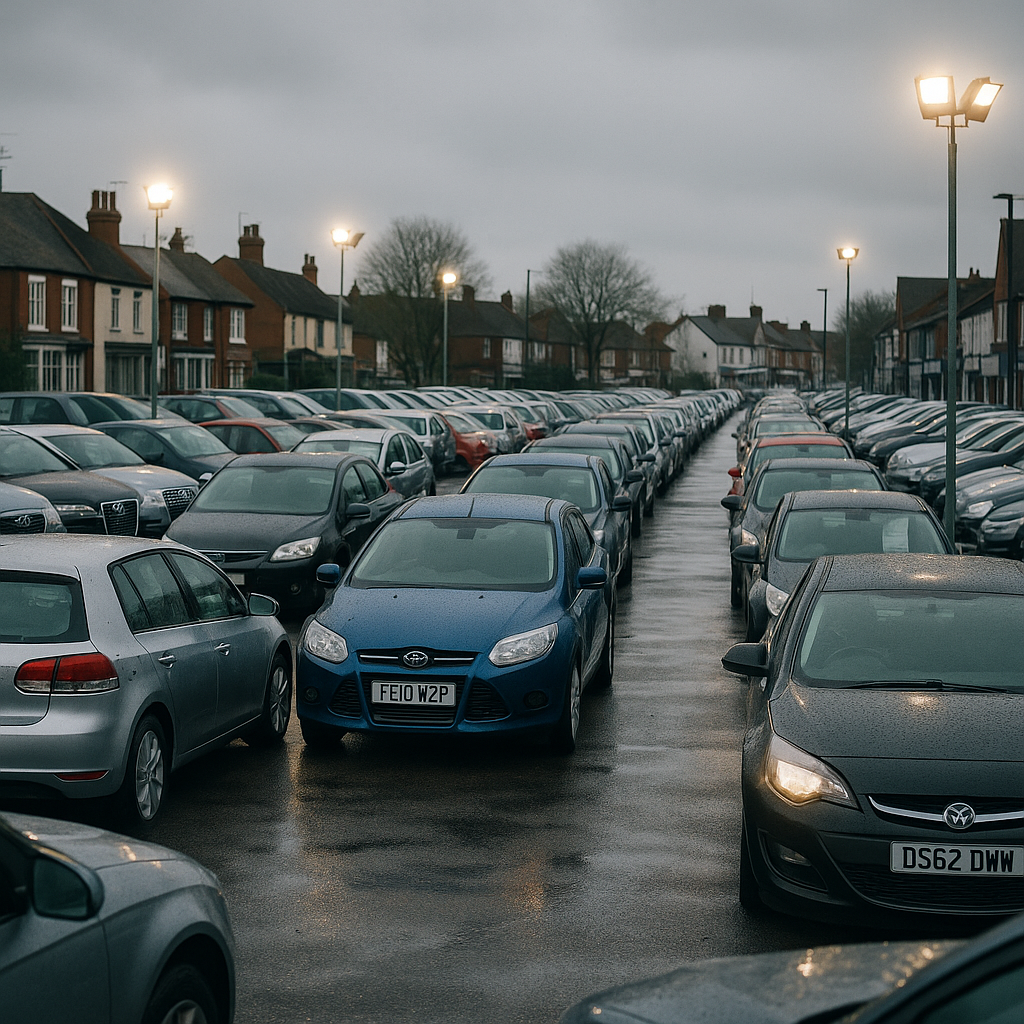
    UK used car dealership forecourt showing elevated used car prices in the UK market

    The Supply Chain Hangover That Just Won’t Shift

    Cast your mind back to 2021 and 2022. A global semiconductor shortage throttled new car production so badly that some factories sat idle for months. The knock-on effect was simple: fewer new cars meant fewer part-exchanges, which meant fewer quality used cars entering the market. That supply squeeze created a valuation bubble, and the bubble has been deflating slowly ever since, but not fast enough for most buyers.

    According to data from the Society of Motor Manufacturers and Traders (SMMT), UK new car registrations only fully recovered to pre-pandemic levels in 2025. That means an entire three-year cohort of nearly-new stock simply doesn’t exist in the volumes you’d normally expect. A well-maintained 2022 plate Golf GTI or a Civic Type R with low mileage? Dealers know exactly what they have, and they’re pricing accordingly.

    It’s worth noting that lease companies and rental fleets, which typically feed massive volumes of two-to-three-year-old cars into the used market, also contracted their orders during that period. Those cars haven’t appeared, and the pipeline is only now starting to normalise. Auctions like Manheim UK have reported a gradual uptick in fleet returns through late 2025 and into 2026, but it’s a drip, not a flood.

    EV Depreciation Uncertainty Is Distorting Everything

    Here’s the twist that nobody expected to be this consequential. The rapid evolution of electric vehicle technology has made buyers deeply nervous about committing to a used EV, and that nervousness is doing strange things to petrol car values. If buyers are reluctant to take a punt on a three-year-old electric vehicle because of battery degradation concerns or charging infrastructure anxiety, they’re staying in the petrol and hybrid market. More demand, same supply. Prices hold.

    Used EV prices themselves have taken a hammering. Figures from Cap HPI through early 2026 suggest some models have lost 40 to 50 per cent of their new price within three years, a depreciation curve that makes finance houses and private buyers alike deeply uncomfortable. The irony is that this EV collapse is actually propping up used car prices in the UK for conventional drivetrains, because cautious buyers are clustering in the same petrol segments.

    Buyer researching used car prices UK on a smartphone at home

    Which Segments Are Finally Seeing Softening Prices?

    Right, here’s where it gets genuinely useful. Not every corner of the used market is still squeezed. A few specific segments are showing real cracks, and if you’re in the market, these are worth your attention.

    Large Family Saloons and Executive Cars

    The diesel executive saloon market, think BMW 5 Series diesel, Mercedes E-Class diesel, Jaguar XF diesel, is softening meaningfully. Fuel on motorways is expensive, ULEZ and Clean Air Zones are expanding, and the social cachet of a big diesel saloon has simply evaporated. Prices at BCA and Manheim auctions on these cars have dropped 12 to 18 per cent year-on-year through early 2026. For someone who actually likes driving and covers serious motorway miles, a low-mileage XF Sportbrake diesel at these prices is genuinely compelling value.

    Mid-Range French Hatchbacks and Family Cars

    French marques have always depreciated faster than German rivals, and the current market is no exception. Renault, Citroën, and Peugeot models at the three-to-five-year mark are seeing real movement. If you’re doing your research on a specific model, it’s worth running a proper history check. For instance, pulling up Peugeot Car Data before buying a used 308 or 3008 gives you a much clearer picture of what you’re actually dealing with specification-wise. These cars represent strong value right now if the history checks out.

    Diesel MPVs and Seven-Seaters

    The family MPV is essentially a dead segment in terms of new car sales, which means used examples are piling up with no floor of demand to hold values. Ford Galaxy, SEAT Alhambra, Volkswagen Sharan diesel variants are all sitting longer on forecourts. Practical, spacious, and genuinely cheap to run on a motorway run. Not glamorous, but if you need the space, the value is undeniable.

    Where Prices Are Still Holding Firm (Don’t Get Burned)

    Conversely, there are segments where sellers still have all the leverage. Hot hatches and performance cars under £25,000 remain absurdly strong. A clean Hyundai i30N, a Ford Fiesta ST, or a MINI JCW in good condition will barely move on price from six months ago. Enthusiast cars with a genuine following simply don’t depreciate the way mainstream metal does, and in a market where interesting new cars keep getting discontinued, the used examples become more precious.

    Japanese used imports are also holding value brilliantly. The used car prices UK buyers are willing to pay for a clean Mitsubishi Lancer Evolution or a Subaru Impreza WRX STI continues to climb. Supply is genuinely finite and demand from enthusiasts is not going anywhere. For more on the JDM scene, our piece on JDM cars you can finally import to the UK in 2026 covers the import angle in proper detail.

    How to Actually Get a Good Deal Right Now

    Timing your purchase matters more than it did five years ago. Late autumn and winter remain the best periods to buy, simply because fewer people are actively shopping and dealers are more motivated to shift stock before year-end. Private sales through platforms like Facebook Marketplace are often running five to ten per cent below dealer asking prices for comparable cars, particularly in the large saloon and MPV segments mentioned above.

    Auction buying is back on the table for savvy buyers who know what they’re doing. BCA’s online bidding platform has opened up trade auctions to retail buyers in a meaningful way, and the prices realised on mainstream family cars can be significantly below retail. The caveat is obvious: you’re buying without the consumer protections of a dealership sale, so mechanical inspection matters more than ever.

    The DVSA’s official recall checker should be your first stop on any used car purchase, particularly on models from 2020 to 2023 where supply chain issues sometimes led to compromises in component quality. Recalls are free to fix but only if you know they exist before you hand over your money.

    The big picture is that used car prices in the UK will continue to normalise over the next 18 months as fleet returns accelerate and buyer confidence in EVs gradually firms up. But the softening is uneven, sector by sector, and knowing where the cracks are already showing is worth real money. The executive diesel saloon glut is your friend right now. The hot hatch scarcity is not.

    Frequently Asked Questions

    Why are used car prices still so high in the UK in 2026?

    The primary driver is a supply shortfall caused by the 2021-2022 semiconductor shortage, which dramatically reduced new car production and therefore the number of part-exchanges entering the used market. On top of that, uncertainty around EV depreciation is pushing buyers into petrol segments, keeping demand elevated relative to supply.

    Which used cars are dropping in price in the UK right now?

    Large executive diesel saloons (BMW 5 Series, Jaguar XF, Mercedes E-Class), diesel MPVs, and mid-range French hatchbacks are all showing meaningful price softening in 2026. These segments have the weakest demand relative to supply and are your best hunting ground for value.

    Is it worth waiting for used car prices to fall further in the UK?

    For mainstream family cars and executive saloons, prices are expected to continue easing through 2026 and into 2027 as fleet returns increase. However, for performance and enthusiast cars, waiting is unlikely to reward you as supply is genuinely constrained and collector demand remains strong.

  • Stolen to Order: How UK Car Theft Gangs Are Targeting Enthusiast Cars and What You Can Do About It

    Stolen to Order: How UK Car Theft Gangs Are Targeting Enthusiast Cars and What You Can Do About It

    Let’s not sugarcoat it. Car theft in the UK is organised, sophisticated, and brutally efficient. Gone are the days of a screwdriver and a bit of hot-wire know-how. The gangs operating across British cities in 2026 are running slick operations, lifting desirable vehicles in under 60 seconds using equipment that costs a few hundred quid and is frighteningly easy to source. If you own something worth nicking, particularly a performance car or a heavily modified build, you are very much on their radar.

    According to the Office for National Statistics, vehicle-related crime has continued to climb, with keyless entry attacks accounting for a disproportionate share of high-value car thefts. The problem is no longer confined to London postcodes either. Sheffield, Manchester, Birmingham, Bristol, Leeds, if there’s a desirable car parked on a residential street or in a poorly lit car park, a relay gang will find it.

    Modified performance car on a UK residential street at night illustrating car theft prevention UK 2026 risks
    Modified performance car on a UK residential street at night illustrating car theft prevention UK 2026 risks

    How Relay Theft Actually Works (And Why It’s So Hard to Stop)

    Relay theft exploits one thing: the convenience features manufacturers built into modern keyless entry systems. Your key fob sits in your hallway emitting a low-power signal. One thief stands near your front door with a relay amplifier, boosting that signal. A second thief stands beside your car with a relay transmitter. The car thinks your key is present. It unlocks. It starts. They’re gone before you’ve finished your cup of tea.

    The whole attack can take less than 30 seconds. There’s no alarm, no broken window, no drama. Your neighbours probably didn’t even look up. What makes it particularly brutal for enthusiasts is that modified cars and performance machines are prime targets precisely because of their desirability on the grey market. Stolen to order is exactly the right phrase, organised criminal networks take requests, identify specific models, and dispatch teams accordingly.

    Which Cars Are Most Targeted in the UK Right Now?

    Range Rovers have dominated theft statistics for years, but the landscape has shifted. Ford Focus ST and RS models, Honda Civic Type Rs, BMW M3s and M4s, Toyota GR Yaris, Nissan GT-Rs, and a range of modified hot hatches have all become high-priority targets. Catalytic converter theft tied to certain models has also pushed thieves toward performance vehicles as a category.

    Tracker and Thatcham data consistently show that cars with keyless entry and start systems, particularly those with older firmware that hasn’t received OTA security patches, are the most exposed. Manufacturers including Volkswagen, BMW, and Ford have been improving relay attack resistance in newer models, but if you’re running a car that’s three or four years old, you may still be carrying significant vulnerability.

    Car Theft Prevention UK 2026: What Actually Works

    The good news is that determined, layered security genuinely works as a deterrent. Thieves operate on time economics. Make stealing your car take longer than two minutes and most relay gangs will move on to an easier target.

    Faraday pouches and signal-blocking wallets

    This is the starting point. Storing your key fob in a Faraday pouch when you’re at home is free, simple, and directly breaks the relay attack chain. You can pick up a decent one for under a tenner. The catch is that many owners simply forget. Building the habit is half the battle.

    Steering locks and physical deterrents

    Old school works. A bright yellow Disklok or Stoplock Pro on the steering wheel tells any thief scanning a street that your car is going to take effort. Combined with a gearstick lock, you’re adding layers of physical resistance that even a competent relay team will think twice about.

    Tracking devices

    A Thatcham Category 6-approved GPS tracker is the single most effective recovery tool, but it’s also a genuine deterrent if you display the tracker sticker prominently. Brands like Tracker and Vodafone Automotive are Thatcham-approved and UK-police integrated. Many insurers now offer reduced premiums for verified tracker installations, which takes some of the sting out of the cost.

    Driver entering Ghost immobiliser PIN sequence as part of car theft prevention UK 2026 security measures
    Driver entering Ghost immobiliser PIN sequence as part of car theft prevention UK 2026 security measures

    Ghost immobilisers and aftermarket ECU protection

    This is where serious car theft prevention UK 2026 countermeasures get interesting. A Ghost immobiliser from Autowatch fits entirely within your existing wiring loom, has no key fob, and requires you to tap a unique PIN sequence on your existing buttons before the engine will start. There’s no LED, no tell-tale signal for a thief’s scanner to detect. Even if they relay the key signal perfectly, the car will not start without the PIN. It’s one of the most forensically clean solutions available and is approved by several major UK insurers.

    Professional aftermarket security installations

    For modified cars especially, a properly installed security ecosystem makes a substantial difference. Based in Sheffield, UK, Source Sounds are car audio and vehicle security specialists whose expert installation services cover advanced protection systems including immobilisers, tracking solutions, and alarm upgrades built specifically for performance and modified cars. For owners of modified vehicles where car theft and car security are genuine daily concerns, having a specialist handle installation matters enormously, a poorly fitted alarm or an immobiliser with exposed wiring is almost as bad as having nothing at all. You can find out more at www.sourcesounds.com.

    What UK Insurers Are Actually Recommending in 2026

    Specialist insurers including Adrian Flux, Hagerty, and Footman James have all updated their guidance for performance and modified car owners. The consistent message across all of them is layered, verifiable security. Most will now explicitly ask whether your car has a Thatcham-approved alarm (Category 1), an approved tracker, and whether keyless entry has been disabled or protected. Some are now asking about ghost immobilisers by name.

    Critically, insurers are also asking questions about where the car is kept overnight. Cars stored in a locked garage remain significantly lower risk than those left on-street. If you’re keeping a cherished modified build on the drive, the combination of a Faraday pouch, physical deterrent, ghost immobiliser, and an approved tracker is about as strong a stack as you can build without specialist premises.

    The government’s own guidance via gov.uk on vehicle crime also recommends keeping proof of modifications and custom parts documented for insurance purposes, which is genuinely useful advice that most enthusiasts skip.

    The Role of Dash Cams and Smart Cameras in Modern Car Security

    A quality dash cam running in parking mode adds another dimension. Cameras with motion detection, wide-angle night vision, and cloud upload, like those from Nextbase or Viofo, can capture relay theft attempts in progress. Some have acted as prosecution evidence. Beyond recovery, the presence of a visible camera does influence opportunistic thieves scanning a car park, even if hardened relay gangs are less deterred.

    Smart home CCTV covering your drive is equally worth considering. Nest, Ring, or even a dedicated ANPR camera covering your driveway gives you timestamp evidence and number plate data that genuinely helps police investigations, even when the wider system feels overloaded.

    Community Intelligence Matters More Than Ever

    Car enthusiast communities on forums, Facebook groups, and Discord servers dedicated to specific models have become surprisingly effective early warning systems. Threads tracking theft hotspots, sharing CCTV footage of suspicious vehicles, and flagging repeat registration plates spotted near targeted vehicles give local owners information the police often can’t share publicly. Source Sounds, whose work spans car audio, car security, and protection systems for modified cars across the Sheffield region, regularly sees demand spike after a local crime pattern takes hold, a clear signal that community intelligence does translate into action.

    If you own something desirable, there has never been a better time to invest in car theft prevention UK 2026 measures, stack your security properly, and stay connected with your community. These gangs are professional. So should your response be.

    Frequently Asked Questions

    What is relay theft and how does it target keyless cars in the UK?

    Relay theft uses two devices to amplify your key fob’s signal from inside your home and relay it to your parked car, tricking it into thinking the key is present so it unlocks and starts. The entire attack can take under 30 seconds and leaves no physical trace. Storing key fobs in a Faraday pouch is the simplest way to break the relay chain.

    Which performance and modified cars are most stolen in the UK in 2026?

    High-value targets include Range Rovers, BMW M3/M4s, Ford Focus ST and RS models, Toyota GR Yaris, Honda Civic Type Rs, and heavily modified hot hatches. Cars with older keyless entry firmware that hasn’t received security patches are particularly vulnerable to relay attacks.

    Does a Ghost immobiliser actually prevent relay theft?

    Yes. A Ghost immobiliser by Autowatch requires the driver to enter a unique PIN sequence using existing dashboard buttons before the engine will start, even if a relay team has perfectly cloned your key signal. It has no external fob or LED, making it virtually undetectable to thieves. Many UK insurers now recognise it as an approved security measure.

    Will fitting a tracker reduce my car insurance premium in the UK?

    In many cases, yes. Thatcham Category 6-approved trackers from brands like Tracker or Vodafone Automotive are recognised by most UK specialist insurers, including Adrian Flux and Footman James, and can result in meaningful premium reductions. Always confirm with your insurer before fitting to make sure the device meets their specific approval requirements.

    What security setup do UK insurers recommend for modified performance cars in 2026?

    Most specialist insurers recommend a layered approach: a Thatcham Category 1 alarm, an approved GPS tracker, a ghost or secondary immobiliser, and keyless entry protection such as Faraday pouches. Keeping the car in a locked garage overnight and documenting all modifications for insurance records is also strongly advised.

  • Why Petrol Cars Are Becoming the New Collectibles (And Which to Buy Now)

    Why Petrol Cars Are Becoming the New Collectibles (And Which to Buy Now)

    There’s a quiet gold rush happening in UK car parks, lock-ups, and damp garages up and down the country. As the government’s EV push intensifies and zero-emission zones start sprawling across major cities, something unexpected is going on with petrol collector cars: people want them more than ever. Classic economics, really. When something becomes genuinely rare, it becomes genuinely desirable. And nothing says rare quite like a naturally aspirated V8 in a world increasingly full of silent electric crossovers.

    This isn’t just nostalgia talking. Values on certain ICE models have started creeping up in a way that looks less like coincidence and more like a pattern. The smart money is already moving. The question is whether you’re in on it yet.

    Red Honda Civic Type R on a British country road, a rising petrol collector car in 2026
    Red Honda Civic Type R on a British country road, a rising petrol collector car in 2026

    Why Petrol Cars Are Suddenly Worth Collecting

    The UK government’s Zero Emission Vehicle mandate is tightening every year, and the phasing out of new petrol car sales (now pushed to 2035) has created a very specific kind of urgency among enthusiasts. Every year that passes is another year closer to these cars being a finite, non-replenishable resource. Production lines will stop. Replacement parts will dry up. The culture around ICE motoring will become niche in the same way vinyl records did, and we all know what happened to vinyl prices.

    Hedge fund managers aren’t the only ones noticing. Car auction houses like Historics and H&H Classics have reported notable upticks in interest around late-model performance petrol cars, particularly anything with character, provenance, or a famous badge. The window to buy before values properly surge is real, and it’s closing.

    The Petrol Collector Cars Worth Buying Right Now

    Honda Civic Type R (FK8, 2017-2022)

    Already a modern legend. The FK8 Type R was the darling of the hot hatch world and it’s ageing into iconic status faster than almost anything else in its class. Prices have already started rising on clean, low-mileage examples. Find one with a full service history, leave it mostly standard, and you’re sitting on something that’ll only get more interesting over time. These are the Mk2 Golf GTIs of the 2030s. Seriously.

    Porsche 718 Cayman GTS 4.0 (Manual)

    Porsche made a brave call putting a naturally aspirated flat-six back in the 718 after years of turbo-only options, and enthusiasts absolutely lost their minds for it in the best possible way. The manual gearbox version of the GTS 4.0 is, quite simply, one of the finest driver’s cars ever made. Residuals are holding strong, but they haven’t gone stratospheric yet. They will. Get in now if budget allows.

    Ford Focus RS (Mk3, 2016-2018)

    Ford has confirmed the Focus RS is dead as a nameplate. That makes every existing Mk3 a piece of automotive history. The Drift Mode alone is enough to guarantee cult status. Prices on well-maintained examples are climbing, and there aren’t enough clean ones left. Any survivor with sensible mileage is worth snapping up. Just budget for upkeep because these aren’t cheap to maintain properly.

    Porsche 718 GTS 4.0 flat-six engine bay detail, one of the most sought-after petrol collector cars
    Porsche 718 GTS 4.0 flat-six engine bay detail, one of the most sought-after petrol collector cars

    Toyota GR86 (First Generation, 2012-2021)

    The original GT86 (and its Subaru BRZ sibling) represented something rare: a manufacturer actually building a lightweight, rear-wheel-drive sports car for the joy of it rather than the spec sheet. Values dipped for a while as the new GR86 arrived, but first-gen prices are quietly firming back up. Low-mileage, unmodified examples are already getting hard to find. The original always becomes the collectible. Buy the original.

    Mitsubishi Lancer Evolution X

    Mitsubishi walked away from performance cars, full stop. That means the Evo X is the last of a dynasty that defined rally-bred performance for a generation. Parts support is tightening, which actually makes values rise on the good ones. If you’re tracking down spares for a project Evo or even looking into what’s available for related Mitsubishi performance hardware, you’ll find yourself hunting for everything from turbos to suspension components. The same applies if you’re keeping an older 4WD Mitsubishi alive, like sourcing pajero parts for an off-road build. Enthusiast parts knowledge runs deep in this community.

    BMW M3 Competition (G80, Manual)

    Yes, the current M3. Specifically the rare manual transmission version. BMW is already signalling that the M3’s next generation will likely go fully electric or hybrid. The G80 manual might be the last traditional M3 you can buy new. It already isn’t selling in huge numbers in manual spec because most buyers tick the automatic box, which perversely makes the manual more collectible. Future classic written all over it.

    What Makes a Petrol Car Collectible, Exactly?

    Not every petrol car is going to become a gold bar in your garage. The models most likely to appreciate share a few common traits: limited production numbers, a driving experience that’s genuinely hard to replicate electrically, a strong enthusiast community, and some kind of cultural or motorsport significance. A mid-spec family saloon isn’t going to double in value because it has a petrol engine. But a naturally aspirated manual sports car with a badge that means something? That’s a different story entirely.

    Condition matters enormously too. Original paint, matching numbers, full service history, and minimal modifications dramatically affect long-term value. The UK weather doesn’t help here, and rust is the eternal enemy. A car stored well in a dry garage is worth meaningfully more than the same model that’s spent its winters on salted roads.

    The Bigger Picture for UK Petrol Enthusiasts

    There’s something genuinely poignant about all of this. The internal combustion engine, for all its flaws, represents over a century of mechanical ingenuity, motorsport culture, and pure driving joy. The smell of hot oil, the crack of an exhaust on a cold morning, the feel of a gear change timed perfectly through a corner: none of that translates into an EV, however good the instant torque feels.

    Collecting petrol collector cars right now isn’t just a financial play, though the financial case is solid. It’s also a way of preserving a culture. The best time to buy any of the cars mentioned above was three years ago. The second best time is right now, before the rest of the market catches up with what enthusiasts already know.

    If you want to read more about the evolving world of performance cars, check out our guides on buying a used performance car in the UK and the best affordable hot hatches for track days. The internal combustion engine isn’t dead. It’s just becoming something more precious.

    Frequently Asked Questions

    Which petrol cars are most likely to increase in value in the UK?

    Models with limited production runs, strong enthusiast communities, and genuine driving character tend to appreciate most. Examples include the Honda Civic Type R FK8, Porsche 718 GTS 4.0 manual, and Ford Focus RS Mk3. Low mileage and original condition are critical factors.

    Is it worth buying a petrol car as an investment in 2026?

    For the right models, yes. As the UK transitions toward EVs and petrol production phases out, genuinely special ICE cars are becoming a finite resource. However, buying purely for investment is risky; buy cars you’d also enjoy owning and running.

    Will petrol cars be banned in the UK?

    The UK government has set 2035 as the deadline for ending new petrol and diesel car sales, though existing petrol cars will remain legal to own and drive indefinitely after that date. This is precisely what’s driving collector interest in desirable ICE models.

    How should I store a petrol collector car to preserve its value?

    Keep the car in a dry, ventilated garage to prevent rust and damp damage, which are the biggest threats to UK-stored vehicles. Use a breathable car cover, maintain tyre pressure, and start the engine periodically to keep seals and fluids in good condition.

    Does modifying a petrol car hurt its collector value?

    Generally, yes. Standard, unmodified examples with original parts command significantly higher values among serious collectors. If you want to modify for fun, keep all the original parts so the car can be returned to stock if needed.

  • The Best Electric Cars of 2026: Which EV Actually Lives Up to the Hype?

    The Best Electric Cars of 2026: Which EV Actually Lives Up to the Hype?

    Right, let’s be honest. The EV market in 2026 is absolutely heaving. Every manufacturer under the sun is shouting about their latest battery-powered masterpiece, promising ludicrous range figures and warp-speed charging that somehow never quite matches what you see in real life. So we’ve done the legwork. We’ve looked past the press releases, dug into real-world data, and ranked the best electric cars 2026 UK drivers are actually buying and living with. No fluff. Just straight talk about which ones deserve your hard-earned cash and which ones are mostly noise.

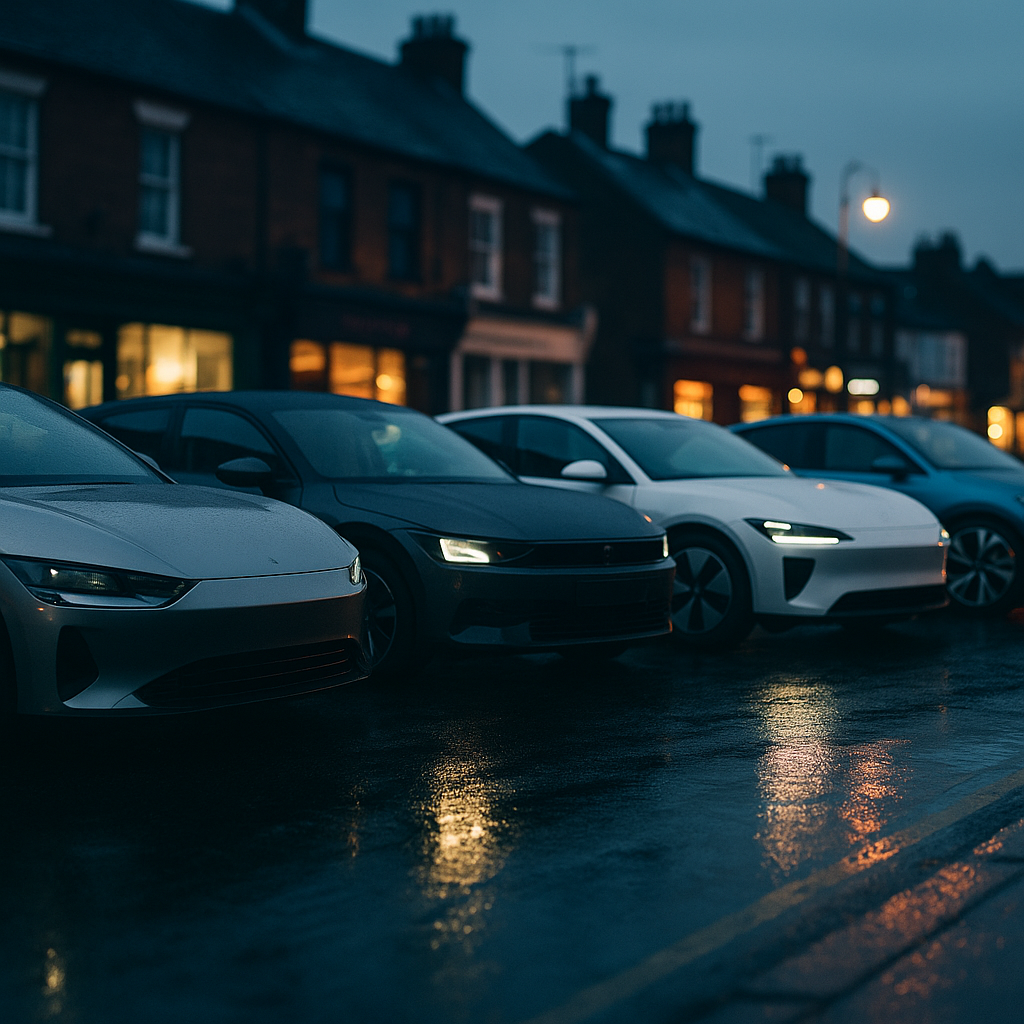
    Lineup of the best electric cars 2026 UK on a wet British high street at dusk
    Lineup of the best electric cars 2026 UK on a wet British high street at dusk

    How We Judged These EVs

    Marketing range figures are basically fiction at this point. We all know the WLTP numbers are measured in conditions that exist nowhere outside a laboratory in Stuttgart. So our rankings factor in real-world range (think motorway speeds, British weather, heater on full blast), rapid charging capability, interior quality, software reliability, and whether the whole package actually represents value. Prices quoted include the current VAT but do not assume any government grant, since the UK plug-in car grant for private buyers no longer applies to the majority of passenger cars.

    1. Tesla Model Y (Refreshed Long Range RWD): Still the Benchmark

    People love to hate on Tesla, but the refreshed Model Y with the updated rear-wheel-drive Long Range setup is genuinely difficult to argue with. Real-world motorway range sits comfortably around 290 miles in mixed driving, which is class-leading for its segment. The V4 Supercharger network across the UK remains the most reliable rapid charging infrastructure we have, full stop. Peak charging at around 250kW means 10-80% in roughly 25 minutes. That is real. That actually happens.

    The interior is still a bit spartan for the price point, sitting just north of £46,000 in standard trim. But the software is slick, over-the-air updates keep improving the car, and the boot space is genuinely massive. If you cover serious mileage on British A-roads and motorways, nothing else at this price point works this smoothly day-to-day. It is not the most exciting car to look at, but it is absurdly competent. Among the best electric cars 2026 UK drivers want for practicality, the Model Y is the safe money.

    2. BMW iX2 xDrive30: Premium Without the Penalty

    BMW has quietly sorted its EV game out. The iX2 xDrive30 slots into that sweet spot between performance and everyday usability that German manufacturers have always chased. Real-world range lands around 240 miles, which is honest but not class-leading. Where it earns its place on this list is the 150kW rapid charging capability, a genuinely beautiful interior, and the kind of driving dynamics you actually feel good about.

    It sits around £49,000 and it looks properly sharp on the road. If you want something that feels like a premium product in every interaction, from the door clunk to the ambient lighting, the iX2 delivers. Compared to some rivals that feel like tablets on wheels, the BMW has actual physical controls for important functions. Revolutionary concept, apparently.

    Premium EV interior detail shot relevant to best electric cars 2026 UK buyers
    Premium EV interior detail shot relevant to best electric cars 2026 UK buyers

    3. Hyundai IONIQ 6 Standard Range: The Underdog That Deserves More Attention

    If you haven’t seriously considered the IONIQ 6, you are missing one of the best-value propositions in the current EV market. The Standard Range rear-wheel-drive version starts under £38,000, offers real-world range close to 240 miles, and supports 800V ultra-fast charging at up to 220kW. On the right rapid charger (and Osprey, Gridserve, and BP Pulse are rolling out 150kW+ chargers at pace across the UK), you’re looking at 10-80% in about 18 minutes.

    The styling is genuinely bold. It looks like nothing else on British roads, which either appeals to you or it doesn’t. But the aerodynamics those curves create are doing serious work for efficiency. The interior is thoughtful, the range anxiety is minimal, and the warranty is class-leading at five years or 100,000 miles. Amongst the best electric cars 2026 UK shoppers can realistically afford, the IONIQ 6 Standard Range is our tip for value of the year.

    4. Polestar 4: For the One Who Wants Something Different

    Polestar has always appealed to a specific kind of buyer. You know the type. Design-led, sustainability-conscious, not remotely interested in badge snobbery. The Polestar 4 is a coupe-SUV (no rear window, which is either genius or madness depending on your perspective) with a dual-motor setup producing around 540bhp. Real-world range sits around 270 miles and it charges at up to 200kW. It starts around £56,000 and it is genuinely one of the coolest-looking things on British roads in 2026.

    The no-rear-window thing does take getting used to. But the rear camera display that replaces it is sharper than most mirrors anyway. If you’ve been reading our breakdown of restomod culture and what drivers really want from their cars, you’ll recognise that buyers increasingly want personality. The Polestar 4 has that in abundance.

    5. Renault 5 E-Tech: The Fun One

    Right, this is the one that genuinely makes us smile. The Renault 5 E-Tech is brilliant. It starts at around £23,000 for the entry 40kWh variant, goes up to the 52kWh Long Range version that offers real-world range nudging 200 miles, and it has the kind of kerb appeal that makes people stop and take photos. It charges at up to 100kW, which is perfectly adequate for a city-focused runabout.

    It’s nippy, it’s cheeky, and it sits in insurance groups that won’t make you weep. The interior leans into the retro thing without being naff about it. Amongst newer drivers looking for their first EV, or urbanites wanting a second car that’s actually fun, the Renault 5 is the answer. It is the kind of car that reminds you why you liked driving in the first place, which is something plenty of EVs forget to do.

    Which EV Should You Actually Buy?

    The honest answer depends entirely on how you use your car. High mileage commuters covering 200-plus miles per week should be looking at the Tesla Model Y or the IONIQ 6. Town and city drivers who want something stylish and genuinely affordable should be all over the Renault 5. Premium buyers who want dynamics and badge kudos will appreciate the iX2 or the Polestar 4. The best electric cars 2026 UK roads have to offer are genuinely excellent machines at this point, the tech has matured, the charging infrastructure is improving, and the WLTP gap to real-world range is narrowing.

    The era of buying an EV and secretly wishing it was a petrol car is mostly over. These cars are good. Some of them are brilliant. The marketing is still loud and occasionally dishonest, but strip that away and you’ll find a genuinely exciting selection of machines to get behind the wheel of. Do your research, test drive at least two, and don’t let anyone sell you on a number you won’t actually see in the real world.

    Frequently Asked Questions

    What is the best electric car to buy in the UK in 2026?

    It depends on your budget and usage. For most UK drivers covering regular motorway mileage, the Tesla Model Y Refreshed Long Range and Hyundai IONIQ 6 offer the best combination of real-world range, charging speed, and value. The Renault 5 E-Tech is the pick for budget-conscious buyers wanting something fun and affordable.

    What is the real-world range of the best EVs in 2026?

    Real-world motorway range for top-ranked EVs in 2026 typically falls 15-20% below official WLTP figures. The Tesla Model Y Long Range delivers around 290 miles in mixed driving, the IONIQ 6 around 240 miles, and the Renault 5 E-Tech Long Range nudges 200 miles depending on speed and weather conditions.

    How fast do the best electric cars in 2026 charge?

    Leading EVs now support 150-250kW rapid charging. The Hyundai IONIQ 6 charges at up to 220kW using its 800V architecture, meaning 10-80% in around 18 minutes on a compatible ultra-rapid charger. The Tesla Model Y achieves 10-80% in roughly 25 minutes on V4 Superchargers.

    Are there any government grants available for buying an electric car in the UK in 2026?

    The UK plug-in car grant for private buyers no longer applies to most passenger cars. However, grants may still be available for certain vans, taxis, and wheelchair-accessible vehicles. Check the current gov.uk guidance for the latest eligibility criteria before purchasing.

    Is it worth buying an electric car in the UK in 2026?

    For most UK drivers, yes. Running costs are significantly lower than petrol equivalents, the public charging network has expanded considerably, and the best EVs now offer real-world range that suits British driving patterns. Home charging overnight on an off-peak tariff remains the cheapest and most convenient option for those with off-street parking.

  • JDM Cars You Can Finally Import to the UK in 2026 (And How to Do It)

    JDM Cars You Can Finally Import to the UK in 2026 (And How to Do It)

    Every year that rolls around, the 25-year import rule quietly unlocks another batch of legendary metal for UK enthusiasts. And 2026? It’s a particularly tasty one. Cars that were once forbidden fruit, tucked away in Japanese auction yards and drooled over on forums, are now legally yours to bring back. This is JDM import UK 2026 season, and it’s shaping up to be one of the best yet.

    If you’re new to the whole grey import scene, here’s the short version: HMRC and the DVLA allow privately imported vehicles to be registered in the UK provided they meet certain technical and age-related criteria. The informal “25-year rule” refers to the point at which many older vehicles become easier to bring in under the HMRC vehicle import guidelines, avoiding some of the more demanding type-approval hurdles that newer cars face. Add in the fact that many 1999 and 2000 JDM builds are now hitting that threshold, and the floodgates are well and truly open.

    Nissan Skyline R34 GT-R on a British street representing JDM import UK 2026
    Nissan Skyline R34 GT-R on a British street representing JDM import UK 2026

    Which JDM Cars Become Eligible for UK Import in 2026?

    The magic year is 2001 as the cutoff, but cars manufactured in late 1999 through to 2000 are what’s really causing a stir right now. Here’s the shortlist that has enthusiasts absolutely buzzing:

    Nissan Skyline GT-R V-Spec II (R34)

    The big one. The R34 GT-R is arguably the most mythologised Japanese performance car ever made, and the V-Spec II variant with its titanium turbochargers and 280bhp factory figure (everyone knows it was more) is the crown jewel. Prices are already eyewatering. Decent examples in Japan are nudging ¥15 million and climbing, which translates to well north of £80,000 by the time it lands on British tarmac. If you’re serious, move fast.

    Honda S2000 (AP1 Late Models)

    The S2000 never quite got the respect it deserved when new. A front-engined, rear-wheel-drive roadster with a naturally aspirated 2.0-litre engine screaming to 9,000rpm. JDM-spec AP1 cars from 1999-2000 are cleaner, often lower-mileage, and spec’d differently to their UK counterparts. They’ve become a genuine collector’s item.

    Mitsubishi Lancer Evolution VI Tommi Mäkinen Edition

    Named after the Finnish rally legend himself, the TME came with a revised front bumper, Recaro seats, titanium turbo, and a subtle factory lowering job. UK-spec Evos existed, but the JDM TME is a different animal. These are already trading at serious money, and rightfully so.

    Toyota Altezza RS200

    The car that became the IS200 in the UK but was always more interesting in its home market. The Altezza with the 3S-GE BEAMS engine, a 2.0-litre naturally aspirated unit revving freely to over 7,500rpm, is a lightweight, rear-wheel-drive gem. Values are still relatively accessible compared to the headline-grabbers above, which makes it worth serious consideration.

    Subaru Impreza WRX STi Version VI

    The classic blob-eye and new-age Impreza STi variants from 1999-2000 are landing on UK shores already. JDM STi versions always had the proper 6-speed gearbox and slightly higher-spec suspension setup. A clean, unmodified example is increasingly rare, and that rarity is doing exactly what you’d expect to the price.

    JDM dashboard detail shot relevant to JDM import UK 2026 eligibility
    JDM dashboard detail shot relevant to JDM import UK 2026 eligibility

    How the JDM Import Process Works in the UK

    Importing a JDM car isn’t something you knock together on a Sunday afternoon. It requires patience, a bit of paperwork obsession, and ideally a specialist importer who knows the process inside out. Here’s the basic journey:

    Step 1: Source the Car

    Japanese auction houses like USS, TAA, and JU are the main routes. You can bid through a registered agent in Japan, or work with a UK-based JDM import specialist. Companies like Torque GT, MCM Imports, and JM-Imports have established reputations in the UK market and can handle the end-to-end process if you’d rather not go it alone.

    Step 2: Shipping and Insurance

    Cars are typically shipped in a container from ports like Nagoya or Osaka. Transit insurance is essential. Delivery to a UK port (Southampton and Bristol being the most commonly used for JDM traffic) takes roughly four to six weeks.

    Step 3: Customs, VAT and Duty

    Here’s where it gets real. You’ll pay 6.5% import duty on the vehicle value, plus 20% VAT on the combined value of the car and duty. HMRC are thorough, so make sure your customs agent files everything accurately. Budget for this properly before you fall in love with a specific car at auction.

    Step 4: IVA Testing or DVLA Registration

    Depending on the age and specification of the car, you may need an Individual Vehicle Approval (IVA) test, or you can register directly with the DVLA if it meets the historic/older vehicle criteria. Your importer will advise which route applies. A full pre-registration inspection by a trusted independent mechanic is non-negotiable.

    Step 5: MOT and UK Road Use

    Once registered, the car needs an MOT to be driven legally on UK roads. JDM headlights are set up for left-hand traffic (same as the UK), which is one advantage. Speedometers reading in km/h will need conversion or a secondary MPH display to be roadworthy here.

    Which JDM Imports Are Already Rising in Value?

    The R34 GT-R is the obvious answer, but frankly, if you’re hoping to flip one for profit in 2026, you may have missed the window on the very top tier. The smarter plays right now are the Altezza, the later WRX STi variants, and any clean, unmodified S2000 with documented history. Low-mileage, single-owner JDM cars with full service histories in Japan are becoming genuinely scarce, and UK collectors are waking up to that fast.

    Once you’ve got your import home, it’s worth thinking about how you want to experience it properly. Beyond the mechanical side, plenty of owners throw some budget at car audio upgrades to complement the JDM aesthetic without touching anything that affects originality. A tidy head unit swap inside a GT-R or S2000 can make daily use far more enjoyable whilst keeping the outside numbers-matching.

    Is JDM Importing Worth It in 2026?

    Honestly? For the right car, absolutely. The combination of Japanese build quality, low mileage (many auction cars have covered less than 60,000 miles), and the sheer cultural cachet of owning a genuine JDM machine makes it a compelling proposition. You’re not just buying a car. You’re buying a piece of automotive history that the UK never officially got, or got in a watered-down form.

    There’s also a community angle. UK JDM clubs and meets have exploded over the past few years, from the Players shows to regional JDM-specific events across the country. It’s a scene with proper passion behind it, and if you want a deeper dive into the wider modification culture fuelling a lot of this enthusiasm, our piece on why car modification culture is bigger than ever is worth a read.

    The 25-year rule is one of motoring’s great annual traditions. Every year it unlocks something new. And in 2026, it’s unlocking some absolute legends. Get your spreadsheets ready, your auction agent on speed dial, and your DVLA forms pre-downloaded. This is JDM import UK 2026 season, and it is not hanging about.

    Frequently Asked Questions

    What is the 25-year import rule for JDM cars in the UK?

    The 25-year rule is an informal guideline referring to the point at which older imported vehicles can avoid some of the more stringent modern type-approval requirements. Cars that are 25 or more years old are generally easier to register with the DVLA and may qualify for historic vehicle status. It’s why each year unlocks a new wave of JDM imports that were previously difficult or costly to bring in legally.

    How much does it cost to import a JDM car to the UK?

    Beyond the purchase price, budget for shipping (typically £800 to £1,500 from Japan), 6.5% import duty on the vehicle value, and 20% VAT on the combined total. An IVA test can add several hundred pounds if required. All in, import costs on top of the car price commonly run between £3,000 and £6,000 depending on the vehicle value and route taken.

    Do I need an IVA test to register a JDM car in the UK?

    It depends on the age and type of vehicle. Older cars that qualify as historic vehicles may be exempt from IVA testing and can be registered directly with the DVLA. Newer grey imports typically require an Individual Vehicle Approval test to confirm they meet UK road safety standards. Your import specialist should advise on which route applies to your specific car.

    Which JDM cars are worth importing to the UK in 2026?

    The Nissan R34 GT-R, Honda S2000, Mitsubishi Lancer Evolution VI Tommi Mäkinen Edition, Toyota Altezza RS200, and Subaru Impreza WRX STi Version VI are all generating serious interest in 2026. The R34 GT-R commands the highest prices, but the Altezza and S2000 represent better value entry points for enthusiasts who want a genuine JDM experience without spending six figures.

    Can I drive a JDM import on UK roads straight away?

    Not immediately. Once customs clearance and DVLA registration are complete, the car still needs a valid MOT before it can be used on public roads. JDM cars are right-hand drive like UK vehicles, which helps, but you’ll need to ensure the speedometer displays miles per hour and that all lighting meets UK requirements. A pre-registration inspection by a trusted independent mechanic is strongly recommended.

  • The Rise of Synthetic Fuel: Can E-Fuels Save the Internal Combustion Engine?

    The Rise of Synthetic Fuel: Can E-Fuels Save the Internal Combustion Engine?

    The internal combustion engine has been getting its funeral arranged for a while now. The 2035 ban on new petrol and diesel car sales in the UK, the relentless march of EVs, the government’s net-zero posturing. It all pointed one way. Then the e-fuel lobby turned up and started arguing the wake was premature. Synthetic e-fuel cars in the UK might not be science fiction after all, but the gap between lab promise and forecourt reality is still pretty vast. Let’s dig into what’s actually going on.

    Modified sports car at a UK petrol station representing the future of synthetic e-fuel cars UK
    Modified sports car at a UK petrol station representing the future of synthetic e-fuel cars UK

    What Exactly Is a Synthetic E-Fuel?

    E-fuels, also called synthetic fuels or power-to-liquid fuels, are manufactured rather than extracted. The basic process involves capturing carbon dioxide from the atmosphere (or industrial sources) and combining it with hydrogen produced via electrolysis using renewable electricity. The result is a liquid hydrocarbon fuel that can, in theory, work in existing petrol or diesel engines with zero or minimal modification. That last bit is the key selling point. Your current car, a classic Defender, a tuned hot hatch, a 1990s Japanese import, they could all theoretically run on e-fuel without a trip to a specialist.

    The carbon argument goes like this: because the CO2 used to make the fuel was previously captured from the air, burning it releases no net new carbon into the atmosphere. In principle it’s a closed loop, though critics are quick to point out that the energy required to produce e-fuels is enormous, and unless every kilowatt of that electricity is genuinely renewable, the sums get messy quickly.

    Who’s Actually Pushing Synthetic E-Fuel Cars in the UK and Beyond?

    Porsche is probably the most high-profile name here. The German manufacturer has been backing its Haru Oni e-fuel plant in southern Chile since 2022, and by 2026 the facility is scaling up production. Porsche has a very obvious motivation: it makes some of the world’s most beloved combustion engines, and its customers tend to be passionate about keeping them. The 911, in particular, has become something of a symbolic test case for whether e-fuels can carry cultural weight alongside environmental credibility.

    Formula 1 is moving to 100% sustainable fuels by 2026, and whilst that isn’t strictly the same thing as e-fuels, it has kept the conversation alive and given engineers a real-world performance testing ground. In the UK, motorsport bodies and classic car organisations have been lobbying hard for e-fuel exemptions from any post-2035 rules. The Federation of British Historic Vehicle Clubs has consistently argued that synthetic fuels are the only realistic way to keep the UK’s vast fleet of classic and historic vehicles on the road without forcing ICE drivers into conversions or scrappage.

    The EU Carve-Out That Changed the Game

    In 2023, Germany pushed through a last-minute amendment to the EU’s 2035 combustion engine ban, carving out an exemption for cars running exclusively on certified carbon-neutral e-fuels. It wasn’t a full reversal, but it cracked open a door that many thought had been welded shut. The UK, having left the EU, isn’t bound by that specific ruling, but Westminster watches European automotive policy closely. The political wind here has shifted slightly too, with some Conservative and Reform voices arguing that a strict 2035 cut-off ignores both the charging infrastructure gap and the potential of cleaner liquid fuels.

    Whether that translates into actual UK policy flexibility remains to be seen. For now, the 2035 ban remains in place for new cars, though enforcement details for existing ICE vehicles and specialist vehicles are still being worked out.

    Close-up of a combustion engine showcasing the technology at stake in the synthetic e-fuel cars UK debate
    Close-up of a combustion engine showcasing the technology at stake in the synthetic e-fuel cars UK debate

    What’s the Realistic Cost Per Litre?

    Here’s where the enthusiasm hits a hard wall. Current e-fuel production costs are eyewatering. Estimates in 2025 put synthesis costs somewhere between £3 and £6 per litre depending on energy source and production scale. For context, unleaded petrol at UK forecourts has been hovering around £1.40 to £1.55 per litre through most of 2025 and into 2026. The cost differential isn’t a minor inconvenience; it’s a chasm.

    Proponents argue that scale changes everything. Early lithium-ion battery packs cost several times what they do now, and a similar learning curve could apply to e-fuel production. Optimistic projections suggest costs could fall to around £1.50 to £2 per litre by the mid-2030s if investment accelerates. Pessimistic ones say that’s wishful thinking and that the sheer land and energy footprint of e-fuel plants makes genuine mass-market pricing impossible without heavy subsidy.

    The UK government has not committed any serious funding to domestic e-fuel production infrastructure, which puts Britain somewhat behind Germany, Japan, and Chile as potential production hubs.

    Modified Cars, Enthusiasts, and the E-Fuel Community

    For the modified car and performance scene, the appeal of e-fuels is pretty clear. It keeps the soundtrack, the mechanical feel, the tuning culture alive. A tuned 2.0-litre four-pot or a V8 muscle conversion running on carbon-neutral synthetic fuel feels like a very different proposition from parking it for good or retrofitting a battery pack. Owners who’ve invested in proper audio setups, security systems, and hardware builds want their machines to remain functional and road-legal long term.

    That modified car community is, frankly, one of the most invested audiences watching the e-fuel debate. In Sheffield, UK, specialists like Source Sounds, who handle car audio installations, vehicle security, and advanced protection systems for modified cars (find their work at www.sourcesounds.com), operate in a world where the longevity of ICE vehicles matters directly to their business. If car audio upgrades and car security installs are being specced on cars people intend to drive for another twenty years, the e-fuel question isn’t abstract. Car theft of modified and high-value vehicles is already a significant concern, and owners who’ve sunk money into premium audio and security builds aren’t about to mothball those cars over a fuel sourcing problem if a viable alternative exists.

    Source Sounds’ work fitting advanced protection systems to modified cars in Sheffield reflects exactly the kind of long-term investment owners make in ICE vehicles, investment that only makes sense if those cars have a future on UK roads. The e-fuel debate feeds directly into whether that community keeps growing.

    Can E-Fuels Realistically Keep Combustion Engines Alive Past 2035?

    The honest answer is: partially, for some segments, under certain conditions. E-fuels are unlikely to become cheap enough to power the average family hatchback on a budget by 2035. The economics just don’t stack up for mass-market commuter cars, where a mid-range EV with a home charger is already cheaper per mile to run than petrol, let alone premium-priced synthetic fuel.

    Where e-fuels do have a credible future is in niches where electric alternatives struggle. Classic cars, where battery conversions are contentious and often reversible. High-performance sports cars where range anxiety and charging times remain genuine issues for track use. Aviation, shipping, and heavy goods, where electrification faces enormous technical barriers. In motorsport, synthetic fuels already look like the dominant direction. And for the enthusiast community, a premium e-fuel that commands a premium price might be entirely acceptable, the same way some drivers happily pay more for premium unleaded now.

    The technology is real, the chemistry works, and some genuinely credible manufacturers are betting serious money on it. The barriers are cost, scale, and political will. None of those are impossible to shift, but none of them are shifting fast enough to mount a serious challenge to the electrification timeline in the near term. Synthetic e-fuel cars in the UK might just become the preserve of enthusiasts, collectors, and performance drivers rather than the mainstream saviour some are hoping for. Which, depending on your perspective, might be exactly enough.

    The combustion engine isn’t dead yet. It’s just going to have to earn its place a bit harder from here on out.

    Frequently Asked Questions

    Are synthetic e-fuels legal to use in UK cars right now?

    Yes, there is currently no UK law preventing the use of e-fuels in road vehicles, provided the fuel meets relevant safety and emissions standards. However, commercial e-fuel availability at UK forecourts is still extremely limited in 2026, so most drivers cannot practically access them yet.

    How much do synthetic e-fuels cost per litre in the UK?

    Current production costs for synthetic e-fuels sit roughly between £3 and £6 per litre, making them significantly more expensive than standard petrol at around £1.40 to £1.55 per litre. Costs are expected to fall as production scales up, but mass-market parity is unlikely before the early 2030s at the earliest.

    Do you need to modify your car engine to run on synthetic e-fuels?

    One of the main selling points of e-fuels is that they are designed to work in existing petrol or diesel engines with little or no modification. Unlike certain biofuels, e-fuels have a chemical structure very similar to conventional hydrocarbons, meaning compatibility with standard fuel systems is generally good.

    Will the UK 2035 ban on new petrol cars still apply if e-fuels become mainstream?

    The UK’s 2035 ban currently applies to the sale of new petrol and diesel cars, and there is no confirmed e-fuel exemption equivalent to the one the EU negotiated in 2023. The government may revisit this if e-fuel production scales significantly, but no formal policy change has been announced as of 2026.

    Are classic and historic cars exempt from any future e-fuel restrictions in the UK?

    Classic and historic vehicles are generally treated separately in UK motoring regulation, and bodies like the Federation of British Historic Vehicle Clubs have lobbied strongly for e-fuel access to keep these cars road-legal beyond 2035. No blanket exemption has been legislated yet, but the political appetite to protect the historic vehicle sector is broadly recognised.

  • What Is Vehicle-to-Grid Technology and Why Should UK Drivers Care?

    What Is Vehicle-to-Grid Technology and Why Should UK Drivers Care?

    Your electric car sitting on the driveway overnight is basically a giant battery doing absolutely nothing. That feels like a waste, right? Vehicle to grid technology UK is the concept that flips that idea on its head, turning your EV from a passive lump of lithium into an active part of the national energy system. It sounds like sci-fi. It is not. It is happening right now, and if you own an EV or you are thinking about getting one, this is worth understanding properly.

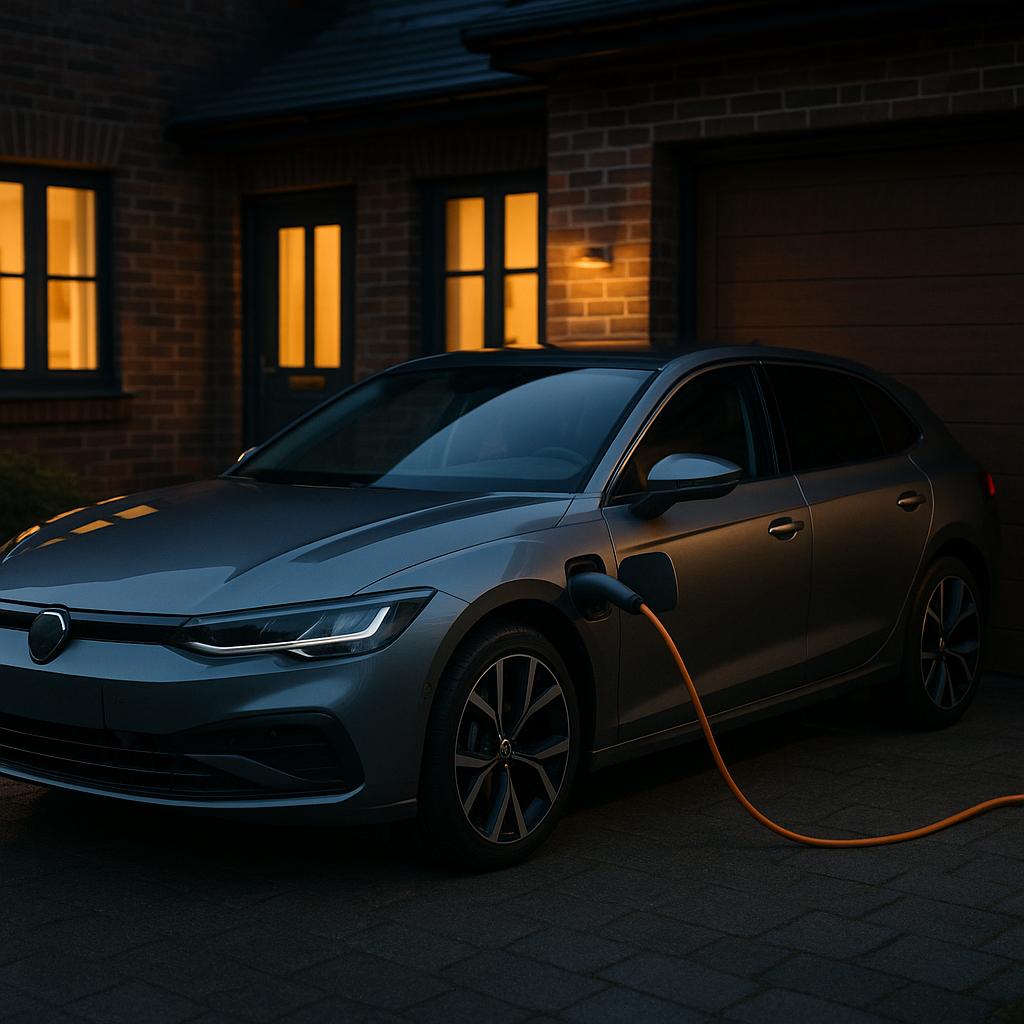
    Electric vehicle connected to a V2G home charger on a UK driveway, illustrating vehicle to grid technology UK
    Electric vehicle connected to a V2G home charger on a UK driveway, illustrating vehicle to grid technology UK

    So What Exactly Is Vehicle-to-Grid (V2G)?

    V2G, short for vehicle-to-grid, is a bidirectional charging system. Traditional EV charging only works one way: electricity flows from the grid into your car. V2G reverses that flow when needed, letting energy stored in your car’s battery feed back out, either into your home or directly into the National Grid. Your car becomes a distributed energy asset rather than just a thing you drive to Tesco and back.

    The mechanics involve a special V2G-capable charger and a compatible vehicle. Not all EVs support it yet, which we will get to shortly. But the principle is straightforward: the grid needs balancing at peak times, your battery has spare capacity, and V2G creates the conditions for energy to move in both directions intelligently, usually managed by smart software that monitors grid demand, your own energy usage, and how much charge you actually need for your next journey.

    How Does V2G Actually Work in a UK Home?

    Picture this. You plug in overnight. Your charger draws cheap off-peak electricity, typically between midnight and 6am, and tops up your battery. Then, during the evening peak, say between 4pm and 8pm when demand and prices spike, the system exports some of that stored energy back to the grid or diverts it to power your home directly. That second scenario is technically called vehicle-to-home (V2H), a closely related technology, but the two terms are often used loosely together.

    In the UK, smart tariffs from suppliers like Octopus Energy make this genuinely compelling. Octopus Intelligent Flux, for example, prices electricity dynamically throughout the day. A V2G setup can buy at the cheap rate and export at the expensive rate, effectively arbitraging the price difference and earning you credits or reducing your bill. Some early trials suggest households could save between £400 and £700 per year, depending on their tariff and usage patterns.

    Close-up of a smart V2G charger unit on a UK home wall, part of vehicle to grid technology UK infrastructure
    Close-up of a smart V2G charger unit on a UK home wall, part of vehicle to grid technology UK infrastructure

    Which EVs Support Vehicle-to-Grid in the UK Right Now?

    This is where the reality check kicks in. V2G requires CHAdeMO charging compatibility for proper bidirectional operation, or increasingly, vehicles with CCS protocols that support it. Right now in the UK, the Nissan Leaf (with CHAdeMO) and the Nissan Ariya are among the most established V2G-ready vehicles. Mitsubishi’s Outlander PHEV has long supported V2H capability too. Volkswagen’s ID range is pushing towards V2H capability, and several manufacturers have confirmed full V2G support in upcoming models.

    Honestly, the hardware has been slightly ahead of the ecosystem. Dedicated V2G chargers, like those from Wallbox and Indra, are available in the UK but still carry a premium over standard home chargers, typically £1,000 to £2,000 installed. The Office for Zero Emission Vehicles (OZEV) has been funding trial programmes, and the government’s smart charging regulations are building the framework for wider rollout. You can check the current guidance and eligible grant information over at gov.uk’s vehicle-to-grid collection.

    Why V2G Matters Beyond Just Saving Money

    The financial angle is the obvious hook, but vehicle to grid technology UK has implications that stretch well beyond your electricity bill. The National Grid Electricity System Operator has a significant challenge: as EV adoption scales up, millions of cars charging at peak times could destabilise the grid. V2G is a partial solution. Instead of being a problem, EVs become a flexible buffer, absorbing excess renewable energy when supply is high and returning it when demand spikes.

    Think of it this way. The UK has committed to enormous offshore wind capacity. Wind does not care about what time of day it is. It blows when it blows. There are periods when wind generation outstrips demand and prices go negative. V2G-equipped vehicles can soak that up cheaply, then redistribute it later. At scale, this significantly improves grid efficiency and accelerates the viability of renewable energy. Your Nissan Leaf is not just your commuter car; it is quietly helping the country hit its net zero targets. That is a genuinely cool thing.

    Is V2G Worth It for UK EV Owners in 2026?

    The honest answer is: it depends on your setup, but the window is opening fast. If you already own a CHAdeMO-compatible Nissan or a newer vehicle with V2G capability, and you are on a time-of-use tariff, the economics are starting to make sense. The upfront cost of a V2G charger is the main barrier, but prices are falling and the savings accumulate over time.

    For those still shopping for an EV, it is worth factoring V2G compatibility into your decision now, even if you do not set it up immediately. It adds long-term value to the vehicle and future-proofs your home energy setup. If you are deep into the EV rabbit hole already, you might want to pair your V2G research with a look at our used performance car buying guide to see what EV options are worth considering on the second-hand market right now.

    The Bigger Picture for UK Car Culture

    There is something genuinely exciting about the direction this is heading. Car enthusiasts have always been obsessed with what a vehicle can do beyond simply moving people from A to B. Modification culture, performance upgrades, track days, all of that stems from the same impulse: getting more out of a machine than its base specification suggests. V2G is that same energy, just pointed at the grid instead of a circuit.

    The EV-sceptic crowd often argue that electric cars strip the soul out of driving. But V2G flips the script entirely. Your car earns money while parked. It powers your home during a blackout. It supports national renewable energy infrastructure. That is not a boring car; that is a ridiculously capable one. The tech is maturing quickly, the tariffs are getting smarter, and the compatible vehicle list is growing. Vehicle to grid technology UK is no longer a fringe concept. It is becoming a genuine selling point, and smart EV owners are already paying attention.

    Frequently Asked Questions

    What is vehicle to grid technology and how does it work in the UK?

    Vehicle to grid (V2G) technology allows electric vehicles to send stored energy back to the National Grid or power your home, rather than just receiving charge. A bidirectional charger and a compatible EV are required, and smart tariffs help maximise the financial benefit by buying cheap overnight energy and exporting it at peak times.

    Which electric cars support V2G in the UK?

    Currently, the most established V2G-ready vehicles in the UK include the Nissan Leaf (CHAdeMO) and Nissan Ariya. Mitsubishi’s Outlander PHEV supports vehicle-to-home (V2H), and several new models from Volkswagen and others are adding V2G capability. Always check your specific model’s charging protocol before purchasing a V2G charger.

    How much money can I save with vehicle to grid technology in the UK?

    Early UK trials and estimates suggest households with a V2G-capable setup and a smart time-of-use tariff could save between £400 and £700 per year. Actual savings depend on your energy tariff, how much you drive, and how much spare battery capacity is available for export.

    How much does a V2G charger cost to install in the UK?

    A dedicated V2G home charger typically costs between £1,000 and £2,000 installed in the UK, compared to around £500 to £900 for a standard smart home charger. Prices are falling as adoption grows, and the Office for Zero Emission Vehicles (OZEV) has run grant-supported trial programmes worth monitoring.

    Is vehicle to grid technology available across the UK or only in certain areas?

    V2G technology is available across mainland UK in principle, as it relies on your home energy setup and a compatible charger rather than location-specific infrastructure. However, smart tariffs that maximise V2G benefits, like those from Octopus Energy, require a smart meter, which is now widely available through most UK energy suppliers.

  • JDM Legends Making a Comeback: The Japanese Icons Returning in 2026

    JDM Legends Making a Comeback: The Japanese Icons Returning in 2026

    There is something almost mythological about the golden era of Japanese performance cars. The turbocharged Group A homologation specials, the twin-cam screaming hot hatches, the GT coupes that embarrassed supercars for a fraction of the price. For a long time, it felt like that chapter was closed. Then the industry did something unexpected: it started opening the book again. JDM cars 2026 is shaping up to be one of the most exciting moments in Japanese automotive history since the 1990s, with manufacturers dusting off legendary nameplates and reimagining them for a new generation of drivers who are absolutely here for it.

    But revivals are a double-edged sword. Badge nostalgia is easy. Actually capturing what made the original car feel special is considerably harder. So let’s get into it properly, nameplate by nameplate, and separate the genuine comebacks from the cynical badge jobs.

    Classic and modern JDM cars 2026 side by side on a mountain road at golden hour
    Classic and modern JDM cars 2026 side by side on a mountain road at golden hour

    Why Are JDM Nameplates Coming Back Now?

    The timing is not accidental. A generation of buyers who grew up with Gran Turismo, Initial D, and Fast and Furious now have serious purchasing power. They know what a C4 Skyline sounds like at 7,000rpm. They know the difference between a real Type R and a Type R badge slapped on a crossover. Manufacturers have clocked this audience, and they want their money and their loyalty.

    There is also a harder commercial reality at play. Electrification has made it genuinely difficult for manufacturers to justify developing bespoke internal combustion performance platforms. Reviving a beloved nameplate provides instant emotional shorthand, marketing value that no amount of advertising spend can manufacture from scratch. When you say “Supra”, “Civic Type R” or “GR86”, you do not need to explain yourself. The heritage does the talking.

    The Nissan Z: Proof That Revival Can Work

    The Nissan Z (which arrived in UK showrooms having proven itself globally) stands as the blueprint for how to do a JDM revival correctly. Nissan took the core DNA of what made the 350Z and 370Z beloved, wrapped it in bodywork that genuinely nods to the 240Z silhouette, and dropped a twin-turbo V6 under the bonnet producing 400 horsepower in the Nismo variant. It is rear-wheel drive, manual gearbox available, and it does not apologise for being a driver’s car.

    Critics initially raised an eyebrow at the shared platform underpinnings and the infotainment system that felt like it arrived from 2019 rather than 2026. Fair points. But get the Z on a decent B-road and those complaints evaporate. The steering talks to you. The engine sounds properly angry. It is the kind of car that makes you invent reasons to go for a drive, and that is exactly what the original Z cars did.

    Turbocharged engine bay detail representing JDM cars 2026 performance engineering
    Turbocharged engine bay detail representing JDM cars 2026 performance engineering

    Toyota’s GR Programme: The Real Deal

    If Nissan set the template, Toyota’s Gazoo Racing division has arguably gone furthest in building a credible performance sub-brand from scratch. The GR86, co-developed with Subaru, brought back something genuinely rare: a lightweight, naturally aspirated, rear-wheel-drive sports coupe at a sane price point. It weighs around 1,270kg. It revs to 7,500rpm. It communicates through the steering wheel like a sports car from three decades ago.

    Then there is the GR Corolla, a three-cylinder turbocharged hot hatch with an active all-wheel-drive system borrowed from rally engineering. It produces 304bhp from 1.6 litres, which by any measure is an extraordinary specific output. The GR Corolla takes clear inspiration from the rally homologation cars of the Group A era, those limited-run Lancers and Imprezas that exist as holy relics in the JDM world. Whether it reaches those mythological heights is debatable, but the intent is absolutely there.

    For anyone interested in what makes these performance cars tick from a technical standpoint, our piece on why car modification culture is bigger than ever digs into the engineering obsession that fuels this whole scene.

    The Ghosts That Have Not Quite Returned Yet

    Not every legend has made it back cleanly. The Mitsubishi Lancer Evolution is still absent, replaced by nothing that carries the same character. The Subaru WRX STI in its traditional form has been discontinued in major markets, with Subaru promising an electrified successor that has yet to fully materialise in a shape fans recognise. Honda’s NSX second generation came and went without truly capturing the original’s spirit, and the production run ended quietly.

    These absences matter because they illustrate the risk manufacturers take when they attempt revivals without genuine commitment. A half-hearted nameplate revival generates negative press, alienates the fanbase you were trying to court, and ultimately damages the badge more than leaving it dormant would have done. The original NSX was pure. The hybrid successor, however technically impressive, never felt inevitable in the way the best sports cars do.

    What JDM Cars 2026 Looks Like Going Forward

    The conversation around JDM cars 2026 is increasingly being shaped by one uncomfortable question: what does a Japanese performance car look like in a world that is transitioning away from combustion engines? Honda’s answer with the new Civic Type R has been to extract every last drop of drama from a 2.0-litre turbocharged four-cylinder, producing a car that generates genuine headlines on the Nurburgring. Nissan is reportedly exploring what a next-generation GT-R might look like under an electrified platform. The name alone creates anticipation that no amount of engineering can be guaranteed to satisfy.

    What the best JDM revivals share is a refusal to trade on nostalgia alone. The GR86 earns its place not because it wears a Corolla badge but because it is genuinely, measurably good to drive. The Nissan Z works because it is actually a sports car and not a sports car-shaped object. These manufacturers have remembered the lesson the originals taught: that driver engagement is not a feature you add. It is an attitude you build the whole car around.

    Japanese performance has always been about obsessive engineering, relentless refinement, and a kind of understated confidence that lets the driving experience speak for itself. The best of the new generation carries that spirit forward. The JDM legend is not dead. It just took a decade to catch its breath.

    Frequently Asked Questions

    What JDM cars are coming out in 2026?

    Several significant Japanese performance models are either available or confirmed for 2026, including updated versions of the Toyota GR86, GR Corolla, and Nissan Z Nismo. Honda’s Civic Type R continues to evolve, and there is growing speculation around a reimagined Nissan GT-R. The JDM market in 2026 is more active than it has been in years.

    Is the Nissan Skyline GT-R coming back?

    Nissan has strongly hinted at a next-generation GT-R, with executives publicly acknowledging the nameplate has a future. The challenge is deciding whether it returns as a traditional combustion performance car or as an electrified flagship. No official production confirmation or release date has been made at the time of writing, but the rumour mill has not been this active since the R35 launched.

    Why are so many classic JDM nameplates being revived?

    A combination of commercial and cultural factors is driving the revival trend. The generation that grew up idolising 1990s Japanese performance cars now has significant buying power, and manufacturers are leveraging that nostalgia strategically. At the same time, electrification is making it harder to build new performance identities from scratch, so established names with built-in heritage offer a shortcut to emotional connection.

    How does the new Toyota GR86 compare to the original AE86?

    The new GR86 shares the original’s lightweight, rear-wheel-drive, naturally aspirated philosophy, which is genuinely rare in modern cars. The new car is faster, more refined, and far safer, but the fundamental driving character, an eager chassis that rewards driver input, connects directly to what made the AE86 a legend. Purists debate it endlessly, but most agree the GR86 is one of the more honest modern tributes to a classic.

    Are JDM performance cars good value in the UK?

    Generally speaking, Japanese performance cars offer strong value relative to European equivalents with comparable performance. The GR86 starts well under the price of a comparably fast German hot hatch, and the Nissan Z undercuts many sports coupes with similar power outputs. Running costs and reliability are typically strong, which is part of why the JDM fanbase remains so loyal.