

There is something almost mythological about the golden era of Japanese performance cars. The turbocharged Group A homologation specials, the twin-cam screaming hot hatches, the GT coupes that embarrassed supercars for a fraction of the price. For a long time, it felt like that chapter was closed. Then the industry did something unexpected: it started opening the book again. JDM cars 2026 is shaping up to be one of the most exciting moments in Japanese automotive history since the 1990s, with manufacturers dusting off legendary nameplates and reimagining them for a new generation of drivers who are absolutely here for it.
But revivals are a double-edged sword. Badge nostalgia is easy. Actually capturing what made the original car feel special is considerably harder. So let’s get into it properly, nameplate by nameplate, and separate the genuine comebacks from the cynical badge jobs.
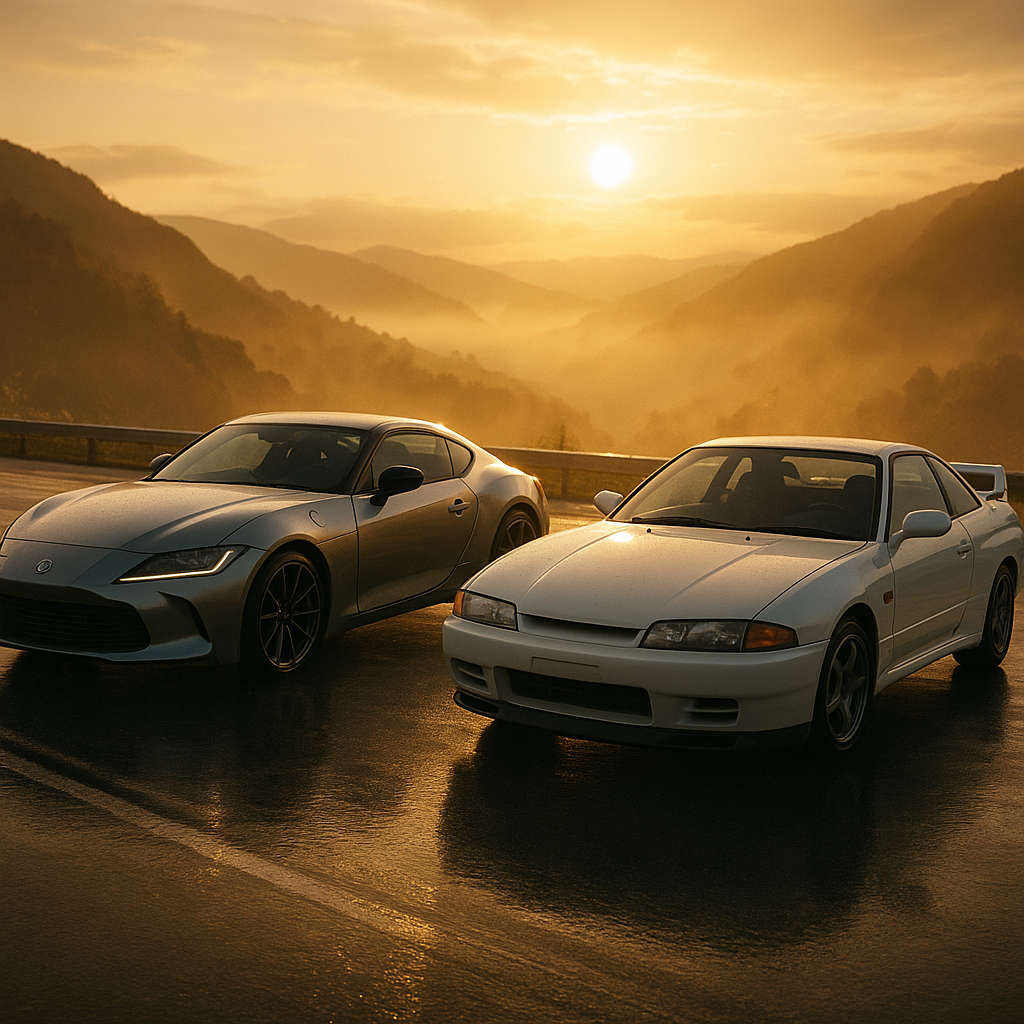
Why Are JDM Nameplates Coming Back Now?
The timing is not accidental. A generation of buyers who grew up with Gran Turismo, Initial D, and Fast and Furious now have serious purchasing power. They know what a C4 Skyline sounds like at 7,000rpm. They know the difference between a real Type R and a Type R badge slapped on a crossover. Manufacturers have clocked this audience, and they want their money and their loyalty.
There is also a harder commercial reality at play. Electrification has made it genuinely difficult for manufacturers to justify developing bespoke internal combustion performance platforms. Reviving a beloved nameplate provides instant emotional shorthand, marketing value that no amount of advertising spend can manufacture from scratch. When you say “Supra”, “Civic Type R” or “GR86”, you do not need to explain yourself. The heritage does the talking.
The Nissan Z: Proof That Revival Can Work
The Nissan Z (which arrived in UK showrooms having proven itself globally) stands as the blueprint for how to do a JDM revival correctly. Nissan took the core DNA of what made the 350Z and 370Z beloved, wrapped it in bodywork that genuinely nods to the 240Z silhouette, and dropped a twin-turbo V6 under the bonnet producing 400 horsepower in the Nismo variant. It is rear-wheel drive, manual gearbox available, and it does not apologise for being a driver’s car.
Critics initially raised an eyebrow at the shared platform underpinnings and the infotainment system that felt like it arrived from 2019 rather than 2026. Fair points. But get the Z on a decent B-road and those complaints evaporate. The steering talks to you. The engine sounds properly angry. It is the kind of car that makes you invent reasons to go for a drive, and that is exactly what the original Z cars did.
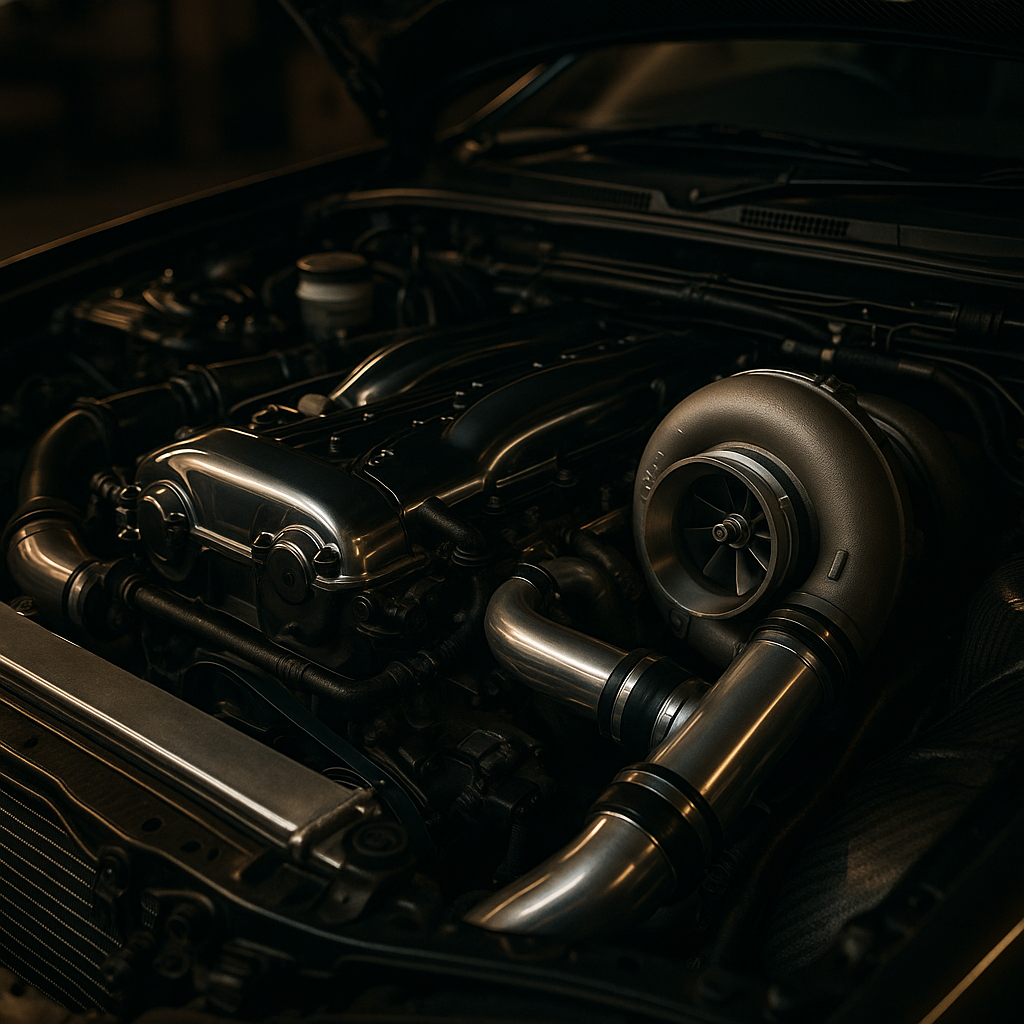
Toyota’s GR Programme: The Real Deal
If Nissan set the template, Toyota’s Gazoo Racing division has arguably gone furthest in building a credible performance sub-brand from scratch. The GR86, co-developed with Subaru, brought back something genuinely rare: a lightweight, naturally aspirated, rear-wheel-drive sports coupe at a sane price point. It weighs around 1,270kg. It revs to 7,500rpm. It communicates through the steering wheel like a sports car from three decades ago.
Then there is the GR Corolla, a three-cylinder turbocharged hot hatch with an active all-wheel-drive system borrowed from rally engineering. It produces 304bhp from 1.6 litres, which by any measure is an extraordinary specific output. The GR Corolla takes clear inspiration from the rally homologation cars of the Group A era, those limited-run Lancers and Imprezas that exist as holy relics in the JDM world. Whether it reaches those mythological heights is debatable, but the intent is absolutely there.
For anyone interested in what makes these performance cars tick from a technical standpoint, our piece on why car modification culture is bigger than ever digs into the engineering obsession that fuels this whole scene.
The Ghosts That Have Not Quite Returned Yet
Not every legend has made it back cleanly. The Mitsubishi Lancer Evolution is still absent, replaced by nothing that carries the same character. The Subaru WRX STI in its traditional form has been discontinued in major markets, with Subaru promising an electrified successor that has yet to fully materialise in a shape fans recognise. Honda’s NSX second generation came and went without truly capturing the original’s spirit, and the production run ended quietly.
These absences matter because they illustrate the risk manufacturers take when they attempt revivals without genuine commitment. A half-hearted nameplate revival generates negative press, alienates the fanbase you were trying to court, and ultimately damages the badge more than leaving it dormant would have done. The original NSX was pure. The hybrid successor, however technically impressive, never felt inevitable in the way the best sports cars do.
What JDM Cars 2026 Looks Like Going Forward
The conversation around JDM cars 2026 is increasingly being shaped by one uncomfortable question: what does a Japanese performance car look like in a world that is transitioning away from combustion engines? Honda’s answer with the new Civic Type R has been to extract every last drop of drama from a 2.0-litre turbocharged four-cylinder, producing a car that generates genuine headlines on the Nurburgring. Nissan is reportedly exploring what a next-generation GT-R might look like under an electrified platform. The name alone creates anticipation that no amount of engineering can be guaranteed to satisfy.
What the best JDM revivals share is a refusal to trade on nostalgia alone. The GR86 earns its place not because it wears a Corolla badge but because it is genuinely, measurably good to drive. The Nissan Z works because it is actually a sports car and not a sports car-shaped object. These manufacturers have remembered the lesson the originals taught: that driver engagement is not a feature you add. It is an attitude you build the whole car around.
Japanese performance has always been about obsessive engineering, relentless refinement, and a kind of understated confidence that lets the driving experience speak for itself. The best of the new generation carries that spirit forward. The JDM legend is not dead. It just took a decade to catch its breath.
Frequently Asked Questions
What JDM cars are coming out in 2026?
Several significant Japanese performance models are either available or confirmed for 2026, including updated versions of the Toyota GR86, GR Corolla, and Nissan Z Nismo. Honda’s Civic Type R continues to evolve, and there is growing speculation around a reimagined Nissan GT-R. The JDM market in 2026 is more active than it has been in years.
Is the Nissan Skyline GT-R coming back?
Nissan has strongly hinted at a next-generation GT-R, with executives publicly acknowledging the nameplate has a future. The challenge is deciding whether it returns as a traditional combustion performance car or as an electrified flagship. No official production confirmation or release date has been made at the time of writing, but the rumour mill has not been this active since the R35 launched.
Why are so many classic JDM nameplates being revived?
A combination of commercial and cultural factors is driving the revival trend. The generation that grew up idolising 1990s Japanese performance cars now has significant buying power, and manufacturers are leveraging that nostalgia strategically. At the same time, electrification is making it harder to build new performance identities from scratch, so established names with built-in heritage offer a shortcut to emotional connection.
How does the new Toyota GR86 compare to the original AE86?
The new GR86 shares the original’s lightweight, rear-wheel-drive, naturally aspirated philosophy, which is genuinely rare in modern cars. The new car is faster, more refined, and far safer, but the fundamental driving character, an eager chassis that rewards driver input, connects directly to what made the AE86 a legend. Purists debate it endlessly, but most agree the GR86 is one of the more honest modern tributes to a classic.
Are JDM performance cars good value in the UK?
Generally speaking, Japanese performance cars offer strong value relative to European equivalents with comparable performance. The GR86 starts well under the price of a comparably fast German hot hatch, and the Nissan Z undercuts many sports coupes with similar power outputs. Running costs and reliability are typically strong, which is part of why the JDM fanbase remains so loyal.
Leave a Reply