Category: Car News

  • What Is Vehicle-to-Grid Technology and Why Should UK Drivers Care?

    What Is Vehicle-to-Grid Technology and Why Should UK Drivers Care?

    Your electric car sitting on the driveway overnight is basically a giant battery doing absolutely nothing. That feels like a waste, right? Vehicle to grid technology UK is the concept that flips that idea on its head, turning your EV from a passive lump of lithium into an active part of the national energy system. It sounds like sci-fi. It is not. It is happening right now, and if you own an EV or you are thinking about getting one, this is worth understanding properly.

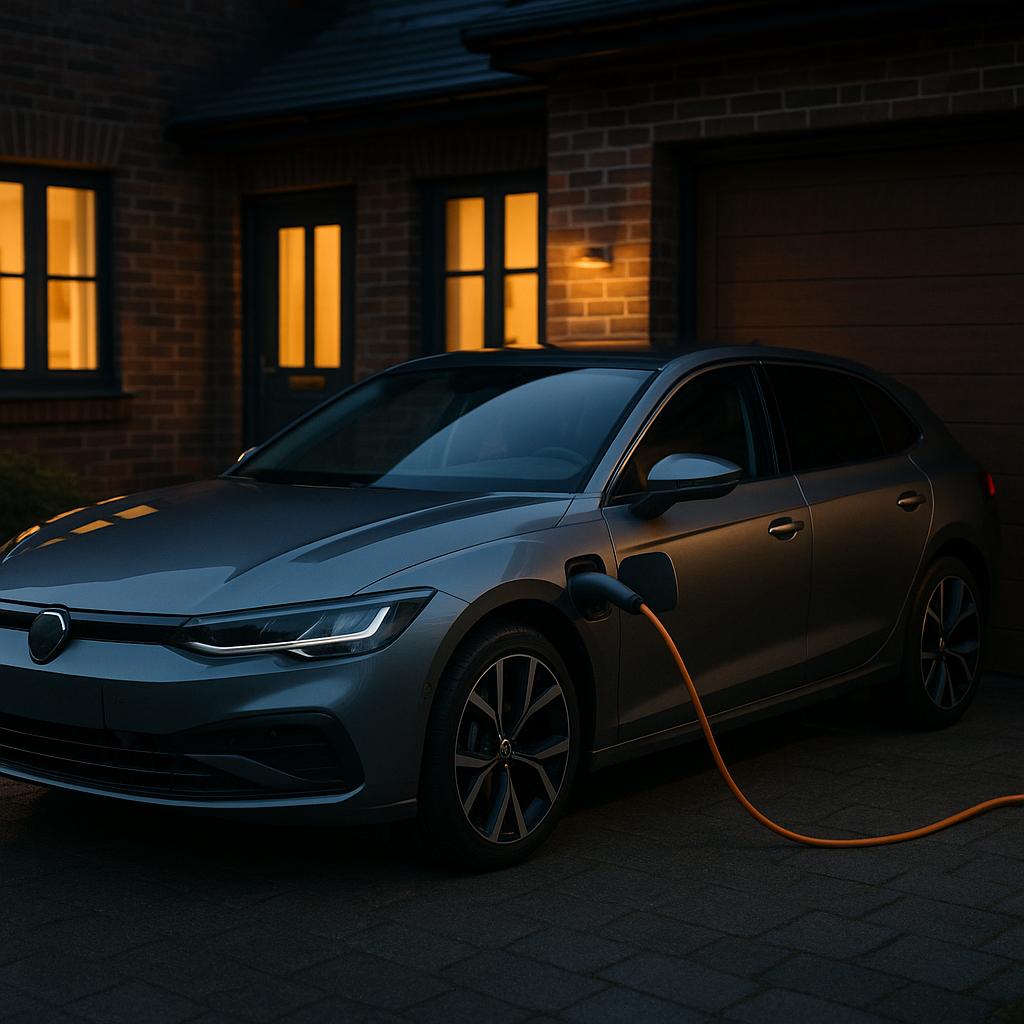
    Electric vehicle connected to a V2G home charger on a UK driveway, illustrating vehicle to grid technology UK
    Electric vehicle connected to a V2G home charger on a UK driveway, illustrating vehicle to grid technology UK

    So What Exactly Is Vehicle-to-Grid (V2G)?

    V2G, short for vehicle-to-grid, is a bidirectional charging system. Traditional EV charging only works one way: electricity flows from the grid into your car. V2G reverses that flow when needed, letting energy stored in your car’s battery feed back out, either into your home or directly into the National Grid. Your car becomes a distributed energy asset rather than just a thing you drive to Tesco and back.

    The mechanics involve a special V2G-capable charger and a compatible vehicle. Not all EVs support it yet, which we will get to shortly. But the principle is straightforward: the grid needs balancing at peak times, your battery has spare capacity, and V2G creates the conditions for energy to move in both directions intelligently, usually managed by smart software that monitors grid demand, your own energy usage, and how much charge you actually need for your next journey.

    How Does V2G Actually Work in a UK Home?

    Picture this. You plug in overnight. Your charger draws cheap off-peak electricity, typically between midnight and 6am, and tops up your battery. Then, during the evening peak, say between 4pm and 8pm when demand and prices spike, the system exports some of that stored energy back to the grid or diverts it to power your home directly. That second scenario is technically called vehicle-to-home (V2H), a closely related technology, but the two terms are often used loosely together.

    In the UK, smart tariffs from suppliers like Octopus Energy make this genuinely compelling. Octopus Intelligent Flux, for example, prices electricity dynamically throughout the day. A V2G setup can buy at the cheap rate and export at the expensive rate, effectively arbitraging the price difference and earning you credits or reducing your bill. Some early trials suggest households could save between £400 and £700 per year, depending on their tariff and usage patterns.

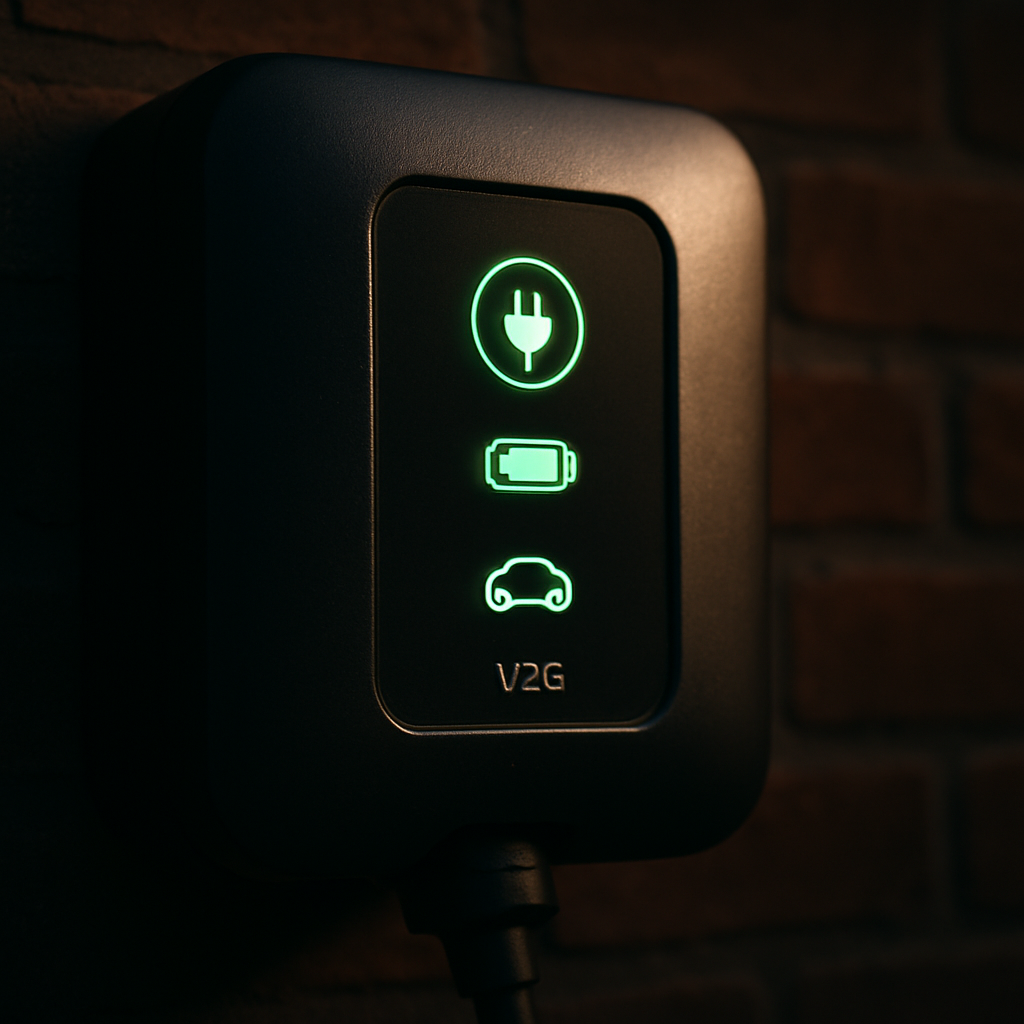
    Close-up of a smart V2G charger unit on a UK home wall, part of vehicle to grid technology UK infrastructure
    Close-up of a smart V2G charger unit on a UK home wall, part of vehicle to grid technology UK infrastructure

    Which EVs Support Vehicle-to-Grid in the UK Right Now?

    This is where the reality check kicks in. V2G requires CHAdeMO charging compatibility for proper bidirectional operation, or increasingly, vehicles with CCS protocols that support it. Right now in the UK, the Nissan Leaf (with CHAdeMO) and the Nissan Ariya are among the most established V2G-ready vehicles. Mitsubishi’s Outlander PHEV has long supported V2H capability too. Volkswagen’s ID range is pushing towards V2H capability, and several manufacturers have confirmed full V2G support in upcoming models.

    Honestly, the hardware has been slightly ahead of the ecosystem. Dedicated V2G chargers, like those from Wallbox and Indra, are available in the UK but still carry a premium over standard home chargers, typically £1,000 to £2,000 installed. The Office for Zero Emission Vehicles (OZEV) has been funding trial programmes, and the government’s smart charging regulations are building the framework for wider rollout. You can check the current guidance and eligible grant information over at gov.uk’s vehicle-to-grid collection.

    Why V2G Matters Beyond Just Saving Money

    The financial angle is the obvious hook, but vehicle to grid technology UK has implications that stretch well beyond your electricity bill. The National Grid Electricity System Operator has a significant challenge: as EV adoption scales up, millions of cars charging at peak times could destabilise the grid. V2G is a partial solution. Instead of being a problem, EVs become a flexible buffer, absorbing excess renewable energy when supply is high and returning it when demand spikes.

    Think of it this way. The UK has committed to enormous offshore wind capacity. Wind does not care about what time of day it is. It blows when it blows. There are periods when wind generation outstrips demand and prices go negative. V2G-equipped vehicles can soak that up cheaply, then redistribute it later. At scale, this significantly improves grid efficiency and accelerates the viability of renewable energy. Your Nissan Leaf is not just your commuter car; it is quietly helping the country hit its net zero targets. That is a genuinely cool thing.

    Is V2G Worth It for UK EV Owners in 2026?

    The honest answer is: it depends on your setup, but the window is opening fast. If you already own a CHAdeMO-compatible Nissan or a newer vehicle with V2G capability, and you are on a time-of-use tariff, the economics are starting to make sense. The upfront cost of a V2G charger is the main barrier, but prices are falling and the savings accumulate over time.

    For those still shopping for an EV, it is worth factoring V2G compatibility into your decision now, even if you do not set it up immediately. It adds long-term value to the vehicle and future-proofs your home energy setup. If you are deep into the EV rabbit hole already, you might want to pair your V2G research with a look at our used performance car buying guide to see what EV options are worth considering on the second-hand market right now.

    The Bigger Picture for UK Car Culture

    There is something genuinely exciting about the direction this is heading. Car enthusiasts have always been obsessed with what a vehicle can do beyond simply moving people from A to B. Modification culture, performance upgrades, track days, all of that stems from the same impulse: getting more out of a machine than its base specification suggests. V2G is that same energy, just pointed at the grid instead of a circuit.

    The EV-sceptic crowd often argue that electric cars strip the soul out of driving. But V2G flips the script entirely. Your car earns money while parked. It powers your home during a blackout. It supports national renewable energy infrastructure. That is not a boring car; that is a ridiculously capable one. The tech is maturing quickly, the tariffs are getting smarter, and the compatible vehicle list is growing. Vehicle to grid technology UK is no longer a fringe concept. It is becoming a genuine selling point, and smart EV owners are already paying attention.

    Frequently Asked Questions

    What is vehicle to grid technology and how does it work in the UK?

    Vehicle to grid (V2G) technology allows electric vehicles to send stored energy back to the National Grid or power your home, rather than just receiving charge. A bidirectional charger and a compatible EV are required, and smart tariffs help maximise the financial benefit by buying cheap overnight energy and exporting it at peak times.

    Which electric cars support V2G in the UK?

    Currently, the most established V2G-ready vehicles in the UK include the Nissan Leaf (CHAdeMO) and Nissan Ariya. Mitsubishi’s Outlander PHEV supports vehicle-to-home (V2H), and several new models from Volkswagen and others are adding V2G capability. Always check your specific model’s charging protocol before purchasing a V2G charger.

    How much money can I save with vehicle to grid technology in the UK?

    Early UK trials and estimates suggest households with a V2G-capable setup and a smart time-of-use tariff could save between £400 and £700 per year. Actual savings depend on your energy tariff, how much you drive, and how much spare battery capacity is available for export.

    How much does a V2G charger cost to install in the UK?

    A dedicated V2G home charger typically costs between £1,000 and £2,000 installed in the UK, compared to around £500 to £900 for a standard smart home charger. Prices are falling as adoption grows, and the Office for Zero Emission Vehicles (OZEV) has run grant-supported trial programmes worth monitoring.

    Is vehicle to grid technology available across the UK or only in certain areas?

    V2G technology is available across mainland UK in principle, as it relies on your home energy setup and a compatible charger rather than location-specific infrastructure. However, smart tariffs that maximise V2G benefits, like those from Octopus Energy, require a smart meter, which is now widely available through most UK energy suppliers.

  • JDM Legends Making a Comeback: The Japanese Icons Returning in 2026

    JDM Legends Making a Comeback: The Japanese Icons Returning in 2026

    There is something almost mythological about the golden era of Japanese performance cars. The turbocharged Group A homologation specials, the twin-cam screaming hot hatches, the GT coupes that embarrassed supercars for a fraction of the price. For a long time, it felt like that chapter was closed. Then the industry did something unexpected: it started opening the book again. JDM cars 2026 is shaping up to be one of the most exciting moments in Japanese automotive history since the 1990s, with manufacturers dusting off legendary nameplates and reimagining them for a new generation of drivers who are absolutely here for it.

    But revivals are a double-edged sword. Badge nostalgia is easy. Actually capturing what made the original car feel special is considerably harder. So let’s get into it properly, nameplate by nameplate, and separate the genuine comebacks from the cynical badge jobs.

    Classic and modern JDM cars 2026 side by side on a mountain road at golden hour
    Classic and modern JDM cars 2026 side by side on a mountain road at golden hour

    Why Are JDM Nameplates Coming Back Now?

    The timing is not accidental. A generation of buyers who grew up with Gran Turismo, Initial D, and Fast and Furious now have serious purchasing power. They know what a C4 Skyline sounds like at 7,000rpm. They know the difference between a real Type R and a Type R badge slapped on a crossover. Manufacturers have clocked this audience, and they want their money and their loyalty.

    There is also a harder commercial reality at play. Electrification has made it genuinely difficult for manufacturers to justify developing bespoke internal combustion performance platforms. Reviving a beloved nameplate provides instant emotional shorthand, marketing value that no amount of advertising spend can manufacture from scratch. When you say “Supra”, “Civic Type R” or “GR86”, you do not need to explain yourself. The heritage does the talking.

    The Nissan Z: Proof That Revival Can Work

    The Nissan Z (which arrived in UK showrooms having proven itself globally) stands as the blueprint for how to do a JDM revival correctly. Nissan took the core DNA of what made the 350Z and 370Z beloved, wrapped it in bodywork that genuinely nods to the 240Z silhouette, and dropped a twin-turbo V6 under the bonnet producing 400 horsepower in the Nismo variant. It is rear-wheel drive, manual gearbox available, and it does not apologise for being a driver’s car.

    Critics initially raised an eyebrow at the shared platform underpinnings and the infotainment system that felt like it arrived from 2019 rather than 2026. Fair points. But get the Z on a decent B-road and those complaints evaporate. The steering talks to you. The engine sounds properly angry. It is the kind of car that makes you invent reasons to go for a drive, and that is exactly what the original Z cars did.

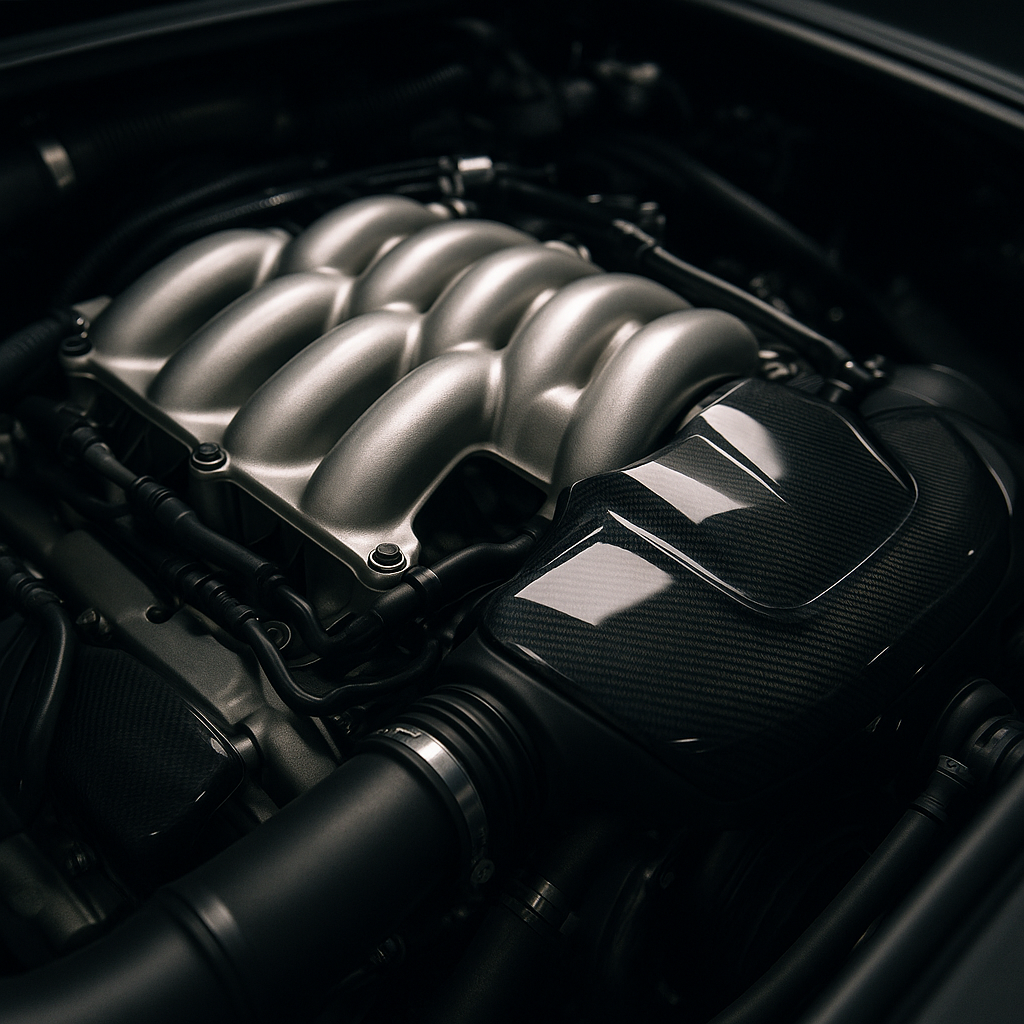
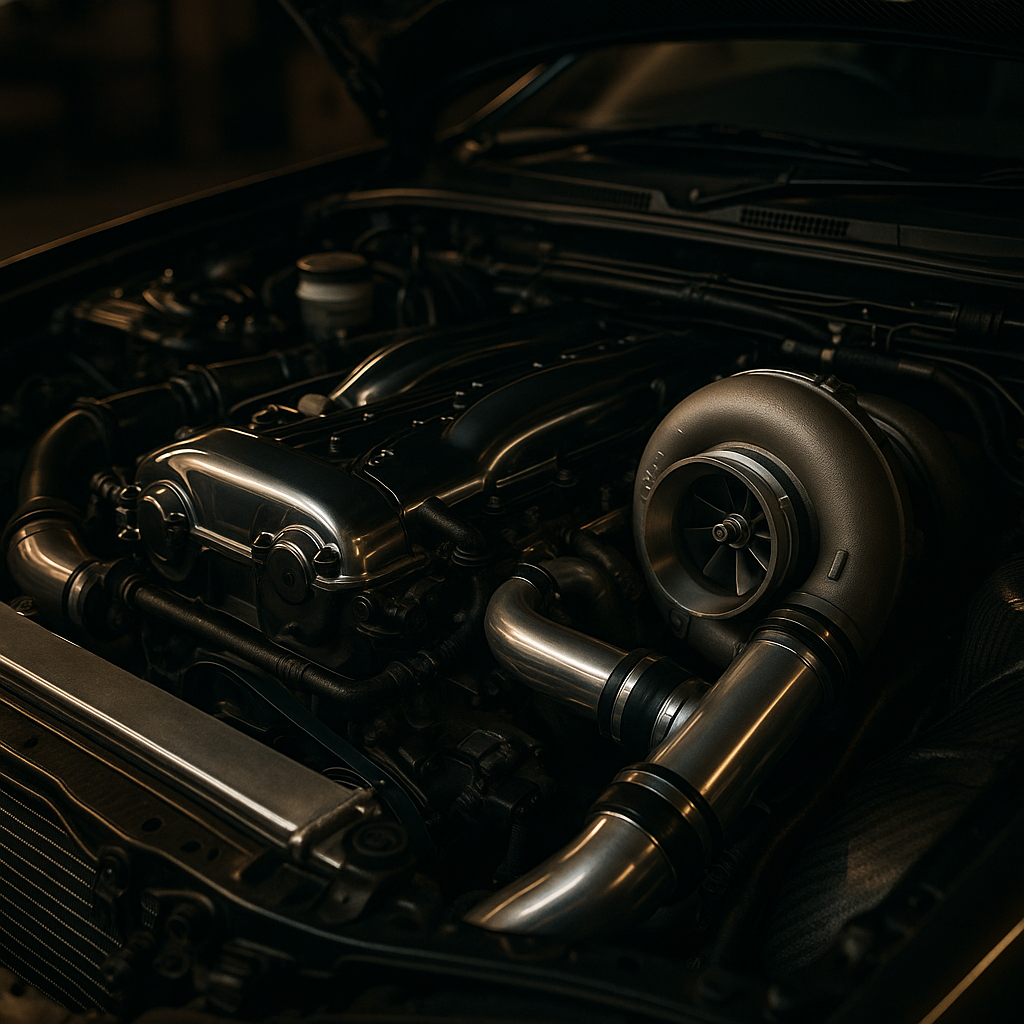
    Turbocharged engine bay detail representing JDM cars 2026 performance engineering
    Turbocharged engine bay detail representing JDM cars 2026 performance engineering

    Toyota’s GR Programme: The Real Deal

    If Nissan set the template, Toyota’s Gazoo Racing division has arguably gone furthest in building a credible performance sub-brand from scratch. The GR86, co-developed with Subaru, brought back something genuinely rare: a lightweight, naturally aspirated, rear-wheel-drive sports coupe at a sane price point. It weighs around 1,270kg. It revs to 7,500rpm. It communicates through the steering wheel like a sports car from three decades ago.

    Then there is the GR Corolla, a three-cylinder turbocharged hot hatch with an active all-wheel-drive system borrowed from rally engineering. It produces 304bhp from 1.6 litres, which by any measure is an extraordinary specific output. The GR Corolla takes clear inspiration from the rally homologation cars of the Group A era, those limited-run Lancers and Imprezas that exist as holy relics in the JDM world. Whether it reaches those mythological heights is debatable, but the intent is absolutely there.

    For anyone interested in what makes these performance cars tick from a technical standpoint, our piece on why car modification culture is bigger than ever digs into the engineering obsession that fuels this whole scene.

    The Ghosts That Have Not Quite Returned Yet

    Not every legend has made it back cleanly. The Mitsubishi Lancer Evolution is still absent, replaced by nothing that carries the same character. The Subaru WRX STI in its traditional form has been discontinued in major markets, with Subaru promising an electrified successor that has yet to fully materialise in a shape fans recognise. Honda’s NSX second generation came and went without truly capturing the original’s spirit, and the production run ended quietly.

    These absences matter because they illustrate the risk manufacturers take when they attempt revivals without genuine commitment. A half-hearted nameplate revival generates negative press, alienates the fanbase you were trying to court, and ultimately damages the badge more than leaving it dormant would have done. The original NSX was pure. The hybrid successor, however technically impressive, never felt inevitable in the way the best sports cars do.

    What JDM Cars 2026 Looks Like Going Forward

    The conversation around JDM cars 2026 is increasingly being shaped by one uncomfortable question: what does a Japanese performance car look like in a world that is transitioning away from combustion engines? Honda’s answer with the new Civic Type R has been to extract every last drop of drama from a 2.0-litre turbocharged four-cylinder, producing a car that generates genuine headlines on the Nurburgring. Nissan is reportedly exploring what a next-generation GT-R might look like under an electrified platform. The name alone creates anticipation that no amount of engineering can be guaranteed to satisfy.

    What the best JDM revivals share is a refusal to trade on nostalgia alone. The GR86 earns its place not because it wears a Corolla badge but because it is genuinely, measurably good to drive. The Nissan Z works because it is actually a sports car and not a sports car-shaped object. These manufacturers have remembered the lesson the originals taught: that driver engagement is not a feature you add. It is an attitude you build the whole car around.

    Japanese performance has always been about obsessive engineering, relentless refinement, and a kind of understated confidence that lets the driving experience speak for itself. The best of the new generation carries that spirit forward. The JDM legend is not dead. It just took a decade to catch its breath.

    Frequently Asked Questions

    What JDM cars are coming out in 2026?

    Several significant Japanese performance models are either available or confirmed for 2026, including updated versions of the Toyota GR86, GR Corolla, and Nissan Z Nismo. Honda’s Civic Type R continues to evolve, and there is growing speculation around a reimagined Nissan GT-R. The JDM market in 2026 is more active than it has been in years.

    Is the Nissan Skyline GT-R coming back?

    Nissan has strongly hinted at a next-generation GT-R, with executives publicly acknowledging the nameplate has a future. The challenge is deciding whether it returns as a traditional combustion performance car or as an electrified flagship. No official production confirmation or release date has been made at the time of writing, but the rumour mill has not been this active since the R35 launched.

    Why are so many classic JDM nameplates being revived?

    A combination of commercial and cultural factors is driving the revival trend. The generation that grew up idolising 1990s Japanese performance cars now has significant buying power, and manufacturers are leveraging that nostalgia strategically. At the same time, electrification is making it harder to build new performance identities from scratch, so established names with built-in heritage offer a shortcut to emotional connection.

    How does the new Toyota GR86 compare to the original AE86?

    The new GR86 shares the original’s lightweight, rear-wheel-drive, naturally aspirated philosophy, which is genuinely rare in modern cars. The new car is faster, more refined, and far safer, but the fundamental driving character, an eager chassis that rewards driver input, connects directly to what made the AE86 a legend. Purists debate it endlessly, but most agree the GR86 is one of the more honest modern tributes to a classic.

    Are JDM performance cars good value in the UK?

    Generally speaking, Japanese performance cars offer strong value relative to European equivalents with comparable performance. The GR86 starts well under the price of a comparably fast German hot hatch, and the Nissan Z undercuts many sports coupes with similar power outputs. Running costs and reliability are typically strong, which is part of why the JDM fanbase remains so loyal.

  • The Best Tyres For Wet UK Roads Without Ruining Dry Grip

    The Best Tyres For Wet UK Roads Without Ruining Dry Grip

    If you live here, you already know the struggle of hunting for the best tyres for wet UK roads without turning your car into a squealy understeering mess the second the sun comes out. The good news: you can have wet grip, steering feel and weekend B-road fun – if you pick the right rubber.

    What actually makes the best tyres for wet UK roads?

    Forget the brochure chat about “advanced polymers” for a second. Wet grip comes down to a few key things: tread pattern that can shift water, a compound that stays soft in typical UK temperatures, and a carcass that does not flop over the moment you lean on it in a corner.

    Those big grooves and sipes are there to move water out of the way so the rubber can actually touch tarmac. Too few grooves and you aquaplane. Too many and the tread blocks squirm, which kills steering feel and adds noise. The sweet spot is a pattern that clears water but still has solid shoulder blocks, so you get bite on turn in.

    For our climate, the magic is in a compound that works properly between about 5 and 20 degrees. Most decent sporty road tyres now grip well in that range, but cheaper ones can go plasticky when it is cold and greasy, which is exactly when you need them to wake up, not check out.

    Summer tyres vs all season tyres in the UK drizzle

    So which are actually the best tyres for wet UK roads for most people: summer or all season? It depends how you drive and where you live.

    Summer tyres are still the best choice for keen drivers in most of the UK. A good summer tyre will give you strong wet braking, sharp steering and proper dry grip when the weather behaves. The trade off is that they do not like snow, and some budget options can be sketchy in very cold, damp conditions.

    All season tyres are like the Swiss Army knife of rubber. They are fine in the dry, good in the wet, and much better than summers if you get the odd snow day or live somewhere rural with untreated roads. The downside is slightly softer steering response and less ultimate grip if you like to lean on the car hard. Think confidence and convenience over lap times.

    If your car is your daily, you rarely see snow, and you enjoy a spirited drive now and then, a quality summer tyre is usually the better shout. If you are covering big miles, see mixed conditions, or just want one set to deal with everything, a premium all season can still be one of the best tyres for wet UK roads in real life.

    Track-leaning road tyres: hero grip or hydroplaning horror?

    Track-leaning road tyres – those semi-slick style jobs with chunky shoulders and fewer grooves – are tempting. They look fast standing still and feel mega on a dry day. But are they the best tyres for wet UK roads? Usually not.

    These tyres are designed to handle heat and high loads, not constant drizzle and motorway puddles. Many have less tread depth and fewer water channels, which means they can aquaplane sooner. On a damp but drying road they can be brilliant, giving you huge lateral grip and solid feedback. In heavy rain on the M1, they can feel nervous and sketchy.

    If your car is a weekend toy that sees the odd track day and you are happy to tiptoe when the heavens open, they can make sense. For a daily that spends its life in traffic and standing water, a more road-focused performance tyre is a much better balance.

    Tyre labels vs real world: what actually matters

    Those EU-style tyre labels look handy: a letter for wet grip, one for efficiency, and a noise rating. Helpful, but not the full story.

    Close-up of performance rubber gripping wet tarmac showing the best tyres for wet UK roads
    Modern saloon car on a rainy street highlighting tread patterns of the best tyres for wet UK roads

    Best tyres for wet UK roads FAQs

    Are summer tyres OK for UK winters with mostly rain and little snow?

    Yes, good quality summer tyres can work well in typical UK winters that are mostly wet and above freezing. They often give better steering feel and dry grip than all season tyres. However, if you regularly see snow, ice or very cold rural roads, a premium all season tyre will usually be safer and more predictable.

    How do I know if my tyres are good in the wet?

    Check the wet grip rating on the tyre label as a starting point, then look up independent tests and owner reviews for your tyre size and type of car. In daily driving, signs of good wet performance include strong, confident braking, stable behaviour in standing water and clear feedback through the steering when the road is greasy.

    Do wider tyres always grip better in the rain?

    Not always. Wider tyres can offer more dry grip, but they also have a larger contact patch to clear water, which can increase the risk of aquaplaning if the tread pattern and depth are not up to the job. For wet UK roads, the right tread design, compound and tyre quality matter more than simply going wider.

  • Are Self Healing Car Wraps The Future Of Daily Driven Builds?

    Are Self Healing Car Wraps The Future Of Daily Driven Builds?

    If you are the sort of person who parks at the far end of Tesco car park to avoid door dings, self healing car wraps might sound like witchcraft. Imagine a wrap that quietly erases light scratches every time the sun comes out. No magic, just clever chemistry – and a lot of relief for anxious car nerds.

    What are self healing car wraps?

    Self healing car wraps are high end vinyl or polyurethane films with an elastic clearcoat layer that can literally flow back into shape when it is warmed up. Tiny swirls and light scratches soften, the surface levels out, and your paint or wrap looks fresh again. Think of it as memory foam for your bodywork, except it hates swirl marks instead of bad backs.

    They are usually based on thermoplastic polyurethane (TPU), similar to modern paint protection film, but tuned for better flexibility and optical clarity. The clever part is the top layer, which is designed to move at a microscopic level when heated by sunlight, hot water, or a heat gun.

    How do self healing car wraps actually work?

    Under a microscope, the clearcoat on self healing car wraps looks like a tangled net of polymers. When the surface is scratched, those chains are stretched and displaced. Apply heat and they relax back into their original position, pulling the scratch with them. No filling, no polishing, just a surface that re-arranges itself.

    There are two main types: heat activated films that need warm water or a bit of hot air, and ambient self healers that slowly fix fine marks at normal temperatures. The second type is still rarer and pricier, but very appealing if your car lives outside and you are allergic to swirl marks.

    Self healing wraps vs traditional wraps and PPF

    Standard vinyl wraps look cool, but they are basically fashion with no self defence. Once they are scratched, you are cutting and re-doing panels. Classic paint protection film (PPF) is tougher, but can look a bit plasticky if you go cheap, and older films yellow or peel if abused.

    Self healing car wraps sit in a sweet spot. You get the visual drama of a wrap, the defence of PPF, and scratch resistance that resets itself. For daily driven performance cars, that is a big deal. You can still combine them with products like ceramic coatings for extra slickness and easier washing, but the heavy lifting against chips and scuffs comes from the film itself.

    Real world pros and cons for daily drivers

    On the plus side, you get rock chip resistance, fewer swirl marks, easier winter washing, and the freedom to choose wild colours or stealthy satin finishes without repainting. If you are commuting in something you actually care about, that peace of mind is worth a lot.

    On the downside, quality self healing car wraps are not cheap, and installation is absolutely not a DIY Saturday in the garage. Edges, sensors and complex bumpers all need a skilled fitter. Deep gouges will still cut the film, and you will need panel replacements if someone keys the car with real commitment.

    Are self healing wraps worth it for UK owners?

    In the UK, where roads are basically gravel cannons and car parks are full contact sports, these solutions start to make serious sense. Daily drivers, hot hatches and fast estates benefit most, because they see the worst of motorway rash and trolley kisses.

    If you are running something special – think RS, M, AMG or a nicely sorted project build – a wrap that quietly fixes itself every time the sun peeks out between rain clouds is a strong long term play. When it is time to sell, you peel the film and reveal paint that has been living in a five star hotel.

    Detailer installing clear film on a sports car bonnet with self healing car wraps technology
    Performance saloon under streetlights protected by self healing car wraps

    Self healing car wraps FAQs

    How long do self healing car wraps typically last?

    Most quality self healing car wraps are rated for around 5 to 7 years of real world use, depending on mileage, washing habits, and how much UV exposure the car gets. Garaged cars that are washed properly and not hammered by motorway grit can easily see the upper end of that range, while high mileage daily drivers may see cosmetic wear a bit sooner. The self healing effect tends to be strongest in the first few years, then gradually softens rather than suddenly stopping.

    Can self healing car wraps fix deep scratches or stone chips?

    Self healing car wraps are great for light swirls, fine scratches and minor scuffs, but they are not magic against deep damage. If a scratch cuts through the top layer or a stone chip actually tears the film, the self healing chemistry cannot pull the gap back together. In those cases, you are looking at a local panel replacement. The good news is that the film usually takes the hit instead of your paint, so the repair is still far cheaper and easier than bodywork.

    Are self healing car wraps safe to wash with pressure washers?

    Yes, you can safely use a pressure washer on self healing car wraps as long as you are sensible. Keep the nozzle a safe distance away, avoid blasting directly at panel edges, and use a gentle, pH balanced shampoo. The film is designed to handle normal washing and motorway rain, but aggressive, close range jet washing at edges can lift or damage the wrap over time. A proper pre wash and contact wash routine will keep the surface looking fresh and help the self healing layer do its job.