
Something unusual is happening on the forecourts right now. Electric cars that cost £50,000 new are sitting on dealer lots with price tags closer to £20,000. Three-year-old performance EVs that were genuinely exciting to buy are now shifting at numbers that would make their original owners weep. Used EV depreciation UK 2026 is not just bad. It is, for certain models, historically catastrophic. And depending on who you are, that is either a disaster or the greatest buying opportunity in a generation.
If you are a manufacturer, a fleet operator, or someone who bought a nearly-new Tesla on finance two years ago, it is absolutely the former. If you are a car enthusiast with a bit of savings and a spare space on the driveway, it might be the latter. Let us break down exactly what is happening, why residual values are tanking, and whether this slump is a genuine chance to grab a rapid EV as a second car without the new-car price tag doing your head in.
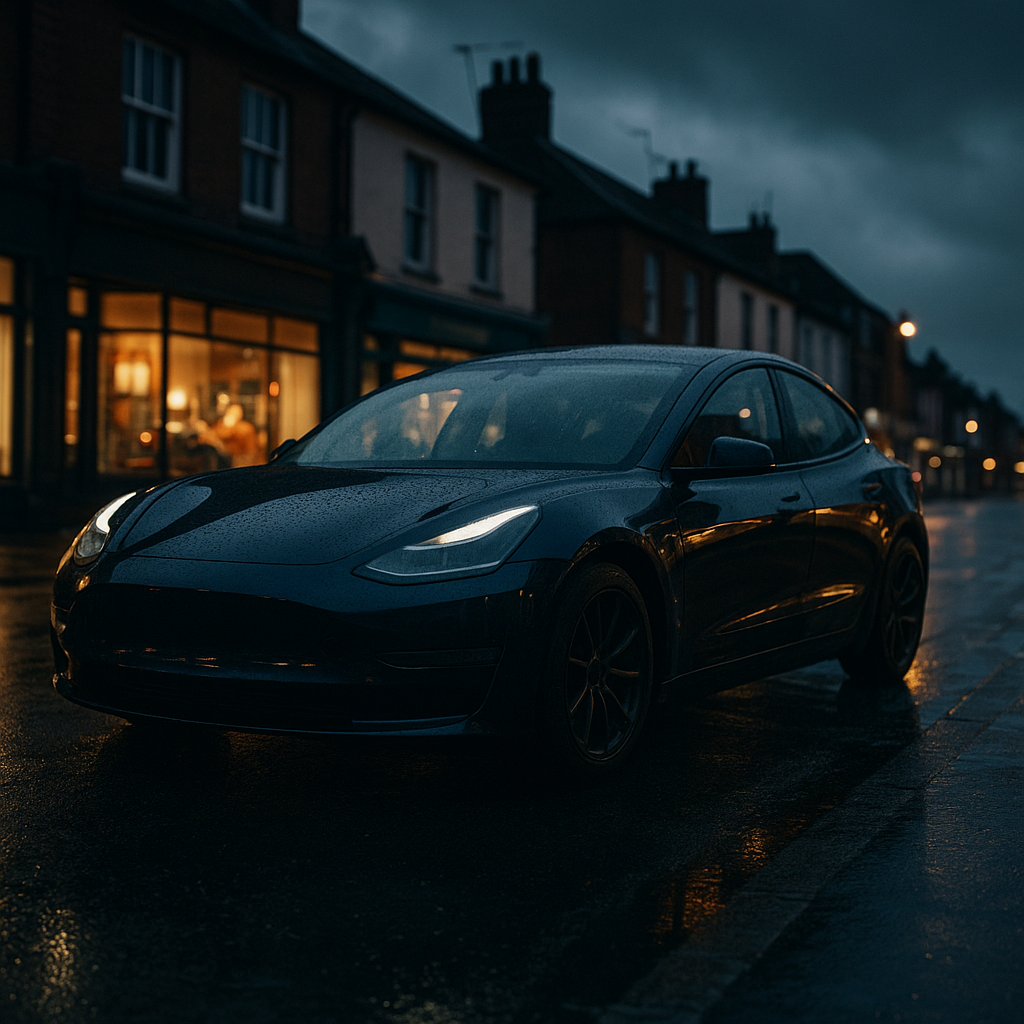
What Is Causing Used EV Residual Values to Collapse?
The drop in used EV values is not a single-cause problem. It is more like a perfect storm of overlapping pressures that all landed at roughly the same time.
First, the market became flooded. The UK Government’s Zero Emission Vehicle mandate pushed manufacturers to sell more EVs, which meant aggressive discounting on new cars. When new EVs get cheaper, the used ones sitting next to them look expensive by comparison. The floor drops out almost instantly. Cazoo’s data and figures from the Auto Trader used car market have tracked double-digit percentage value drops on several popular models across 2025 and into 2026.
Second, battery anxiety never fully went away. Consumers worry about degradation, replacement costs, and range on older packs. Whether the fear is rational or not, it suppresses demand. A two-year-old EV with 60,000 miles on it raises questions that a petrol equivalent simply does not.
Third, technology moves fast in the EV world. A 2023 model might have meaningfully less range than a 2026 equivalent. In most car categories, a three-year-old car is still broadly current. In EVs, it can feel like buying a slightly outdated smartphone. That perception hammers residuals hard.
Finally, the second-hand market got hit by a wave of ex-fleet and ex-lease returns all arriving simultaneously. Fleet operators who committed to EVs during the early adoption frenzy are now off-loading at scale. Supply is up. Consumer confidence is patchy. Prices fall.
Which Used EVs Have Dropped the Most in Value?
The models feeling the sharpest pain tend to be those that carried enormous new-car premiums and faced the fiercest new-car discounting. Early Nissan Leaf models, certain Renault Zoe variants, and first-generation Jaguar I-Pace examples have all seen brutal corrections. The I-Pace is particularly striking: a car that launched at over £60,000 can now be found with reasonable mileage for under £20,000. For a Jaguar SUV with proper performance credentials, that is a staggering number.
Tesla has not been immune either. Model 3 Long Range examples from 2021 and 2022 have lost significant chunks of value as newer, faster, better-specced versions arrived. Polestar 2 values have slid. Even the Hyundai Ioniq 5 and Kia EV6, both of which launched to rapturous reviews, have seen sharper-than-expected depreciation curves.
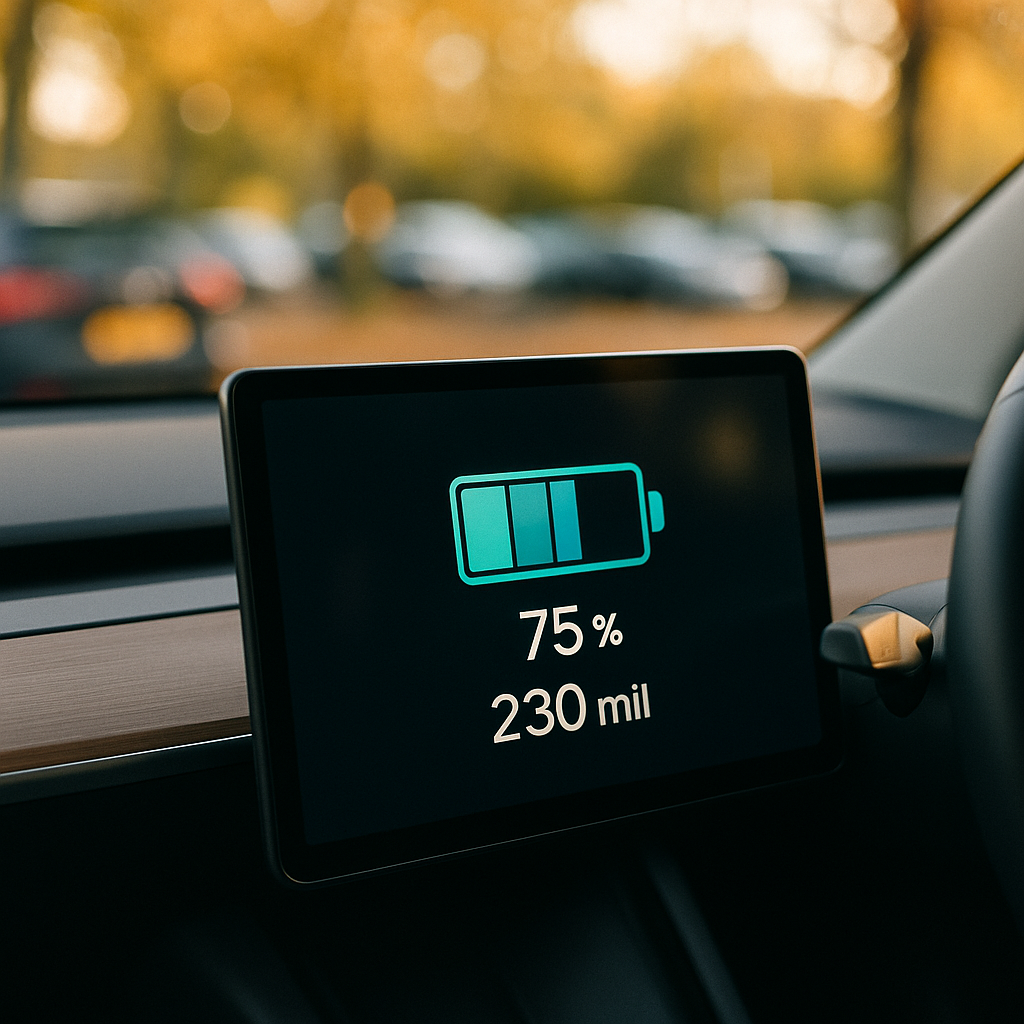
Is Used EV Depreciation UK 2026 Actually an Opportunity for Enthusiasts?
Here is where it gets interesting for the car nuts among us. Strip away the fleet-buyer anxiety and the range-worry narratives, and what you are actually left with is this: rapid, genuinely exciting electric cars available for a fraction of what they cost new. That is not nothing. That is actually quite a lot.
Take the Polestar 2 Performance as a case in point. At launch it was a £55,000 car. A well-maintained 2022 example with a full service history now sits somewhere in the low-to-mid twenties on the right day. For that money you get 469 bhp, 0-60 in around 4.5 seconds, and a genuinely premium Swedish cabin. As a second car for weekend runs and the occasional track day experiment? That is a remarkable proposition.
The Jaguar I-Pace is another one worth serious consideration. Yes, the tech is a few years old. Yes, the charging speed is not going to win any awards in 2026. But the drive quality is genuinely special, the looks are still dramatic, and the performance is real. Under £20,000 for a Jaguar performance SUV is the kind of sentence that would have sounded absurd five years ago.
For those who want something even more rapid, early Tesla Model S Plaid examples are beginning to drift into view at prices that feel almost unfair given the performance on offer. These cars are genuinely fast in a way that recalibrates your sense of what fast means. Used EV depreciation UK 2026 is the only reason they are accessible to anyone who is not a tech billionaire.
Things to Check Before Buying a Used EV
There are a few sensible boxes to tick before pulling the trigger on any used electric car at these prices. Battery health is the big one. Most manufacturers offer some form of battery health report or you can get a third-party check done. A healthy battery showing above 85% of its original capacity is generally a solid result.
Charging history matters too. Cars that have lived on DC rapid chargers their whole lives accumulate slightly more degradation than those with a mixed diet. Ask for the service records. Check that any software updates have been applied. And confirm the warranty situation, because some manufacturer battery warranties extend to eight years or 100,000 miles, which is genuinely reassuring.
The DVLA’s MOT history checker is as useful for EVs as for anything else. Past advisory notes about charging equipment or unusual electrical behaviour are worth scrutinising.
Second Car Logic: Why EVs Make Sense When Bought at Discount
The case for an enthusiast-spec used EV becomes even stronger when you frame it as a second car. A lot of the real-world objections to EV ownership, range anxiety, long-distance charging infrastructure, overnight charging at flats, become far less relevant when the car is not your daily driver. It charges overnight at home on a 7kW wallbox, it comes out at weekends for the fun stuff, and it absolutely delivers on that front.
The running costs at these low purchase prices start to look genuinely compelling. No road tax on most pre-2025 EVs. Exempt from ULEZ and Clean Air Zone charges in every major UK city. Fuel costs that are a fraction of a petrol equivalent when charging at home overnight. The value argument, at these price points, is hard to dismiss.
We have covered related ground on the site before, from the best electric cars of 2026 to why petrol cars are becoming collectibles, and the EV story keeps evolving in ways nobody quite predicted. The depreciation curve nobody wanted is creating exactly the conditions enthusiasts have been waiting for.
The Bottom Line on Used EVs Right Now
Used EV depreciation UK 2026 is a genuine market anomaly. The people hurting most are those who bought at the peak on new-car finance and are watching their asset sink. The people quietly winning are those patient enough to let the dust settle and buy now, at the bottom of a curve that many analysts think is close to bottoming out.
This will not last forever. As consumer confidence grows, as charging infrastructure matures, and as battery fears fade, used EV values will stabilise. The window for picking up a performance electric car at truly wild value is open right now. Whether you walk through it is, of course, entirely up to you.
Frequently Asked Questions
How much have used EV prices dropped in the UK in 2026?
Some models have lost 50-60% of their original value within three years, with certain performance EVs like the Jaguar I-Pace now available for under £20,000 having originally cost over £60,000. Depreciation rates vary by model, but across the board used EVs are down significantly compared to 2022 and 2023 peaks.
Is it worth buying a used electric car in the UK right now?
For enthusiasts wanting a fast second car at a fraction of new-car cost, it can be an excellent time to buy. The key is to check battery health, verify service history, and choose a model with a remaining manufacturer battery warranty to protect against the main risk.
What is the best used performance EV to buy in the UK in 2026?
The Polestar 2 Performance, Jaguar I-Pace, and Tesla Model 3 Long Range are all strong options that have depreciated heavily but remain genuinely rapid and well-built cars. Your choice should depend on charging infrastructure, desired range, and whether you prefer a saloon, hatchback, or SUV body style.
What causes used EV residual values to drop so quickly?
The main drivers are aggressive new-car discounting, rapid technology improvements making older models feel dated, large volumes of ex-fleet and ex-lease returns hitting the market simultaneously, and lingering consumer concern about battery degradation. All of these factors converged in 2025 and 2026.
Should I worry about battery degradation when buying a used EV?
Battery degradation is a genuine consideration but is often less severe than feared. Request a battery health report and look for cars showing above 85% of original capacity. Most manufacturers also offer battery warranties of up to eight years or 100,000 miles, which provides meaningful protection on eligible models.