
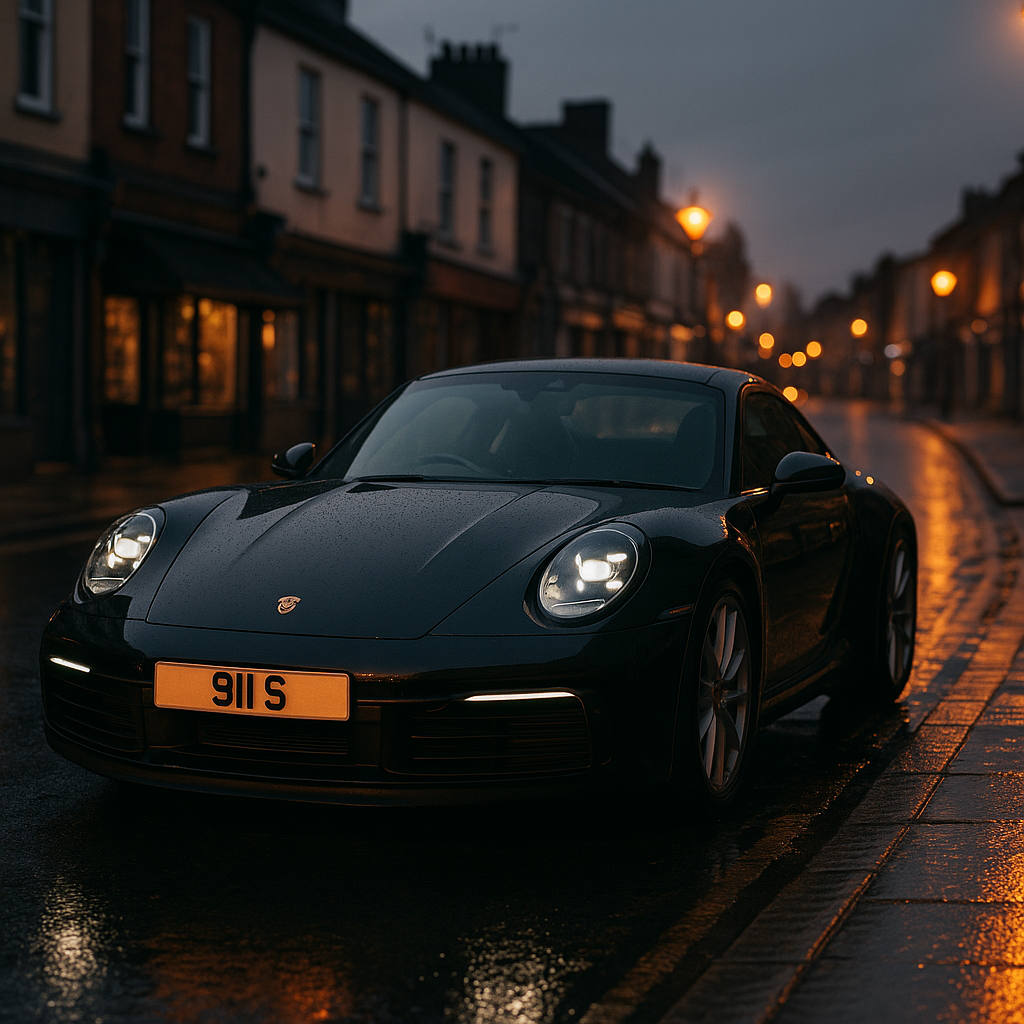
There is something gloriously British about a good private plate. Whether it is a subtle nod to your name sitting on a spotless Porsche 911, or a cherished dateless registration on a classic Jaguar E-Type that costs more than most people’s mortgages, number plates have gone from vanity accessory to legitimate conversation about money. And in 2026, that conversation is getting a lot more serious.
The DVLA personalised number plates market in the UK has quietly grown into a multi-million pound industry. Specialist dealers, auction houses, and private sellers all play in this space, and some combinations are genuinely selling for telephone-number sums. But does that mean you should be treating a cherished plate as an asset class? Let us actually dig into this properly.
What Actually Makes a Personalised Number Plate Valuable?
Not all plates are created equal. There is a huge gap between a plate that shifts at a DVLA auction for £250 and one that fetches £500,000 at a specialist sale. The difference comes down to a few clear factors, and once you understand them, the logic is surprisingly consistent.
Rarity is king. Single-digit plates, initials-only combinations, and very short formats with no suffix or prefix are the rarest formats available. Plates like “1 F” or “S 1” sit in a different universe to a standard new-style registration. Dateless plates, the old pre-1963 format with no year identifier, are perennially desirable because they can be applied to any vehicle regardless of age, making them the most flexible option going.
Common surnames and initials drive strong demand. A plate spelling “SMITH” or a clean “J0NES” variant will always have buyers because the pool of interested parties is enormous. On the flip side, hyper-specific personal vanity plates, the ones that only make sense to the owner, are notoriously difficult to sell on. “B16 BOB” might make you grin every morning, but try shifting it to someone else.
Short word plates remain the consistent performers. Three and four-letter words with clean letterforms, think “BOY”, “ACE”, “KING”, command premiums because they work as status symbols across a broad audience. Premium marks like “F1” have sold for over £400,000 historically, and even mid-tier word plates in desirable combinations regularly break five figures at auction.
Which Formats Are Appreciating in 2026?
The DVLA personalised number plates investment UK conversation in 2026 is being shaped by a few clear trends. Dateless plates continue their steady climb. Anything pre-1963, particularly two and three-character combinations, has seen consistent year-on-year appreciation over the past decade. The supply is completely fixed, demand from collectors and enthusiasts keeps rising, and the format has genuine crossover appeal with the classic car market.
Suffix plates from the late 1960s and 1970s are also warming up. As the classic car scene grows, collectors want period-correct or personalised plates that do not visually date-stamp their restoration project. A clean 1972 suffix plate on a period Ferrari is a subtler play than a cherished dateless mark, but still commands respect.
New-style plates from 2001 onwards are genuinely hit and miss as investments. The best ones, clean word spellings using the 2001-format with a well-known suffix, can hold value. But there are millions of these combinations, and the DVLA releases more constantly. Treat new-style plates as personalisation rather than investment unless you have found something truly exceptional.
How to Transfer a Plate Legally in the UK
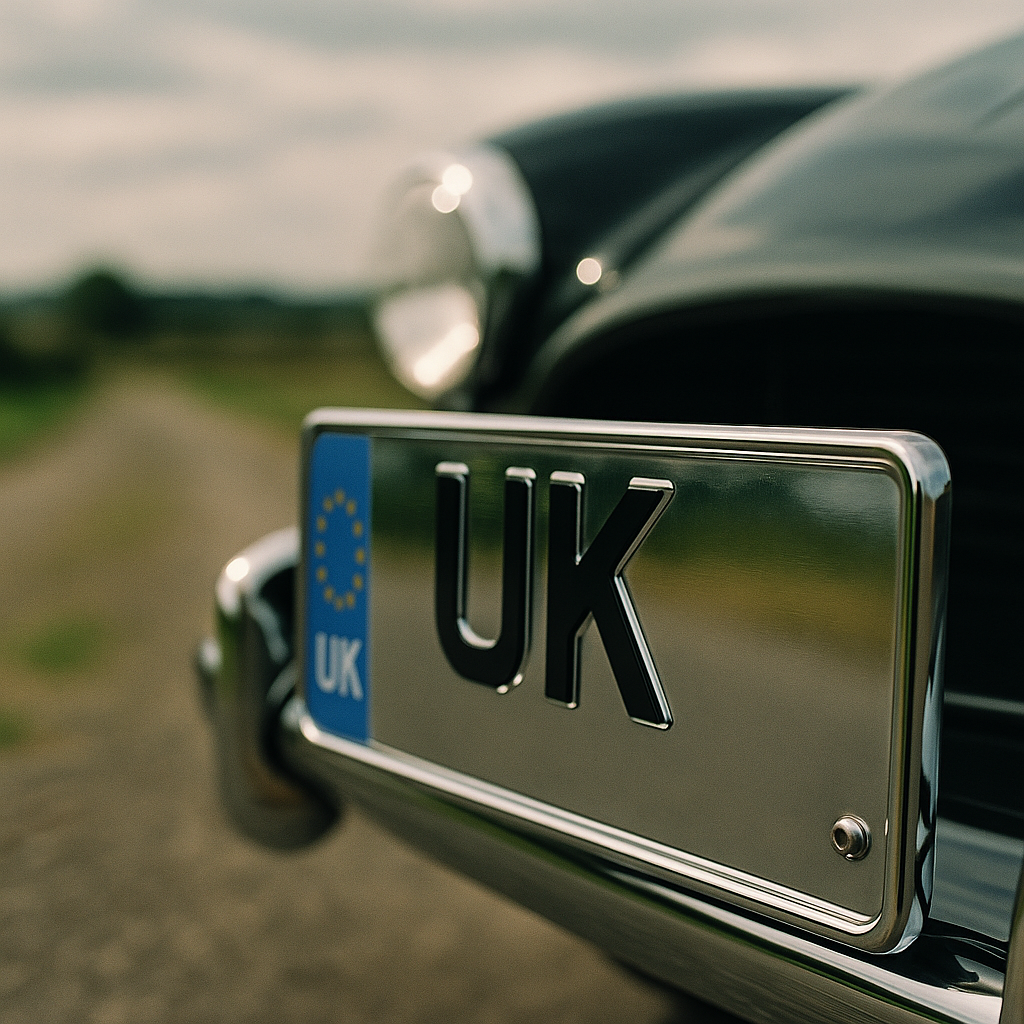
The transfer process is more straightforward than people expect, but it has rules and you need to respect them. The DVLA handles all legitimate plate transfers, and you can do it online or by post using form V317. You will need the V5C logbook for both vehicles involved, and the plate must be assigned to a vehicle before it can be transferred.
One critical rule: you cannot make a vehicle appear newer than it actually is. So you cannot put a 2019-style new-format plate on a car first registered in 2005. Dateless plates sidestep this entirely, which is part of their enduring appeal. The transfer fee is currently £80, and if you want to put a plate into retention on a DVLA certificate while you decide which car to assign it to, that costs another £80.
If you are buying through a specialist dealer, they will typically manage the transfer paperwork for you as part of the service. If you are buying at DVLA auction directly, you are handling it yourself, so read the guidance carefully. The gov.uk guidance on personalised registrations covers every scenario, and it is worth a proper read before you spend real money.
Is DVLA Personalised Number Plates Investment UK Genuinely Viable?
Here is the honest take: the top end of the market, dateless short plates and iconic word combinations, has genuinely outperformed many traditional asset classes over the long term. Some collectors who bought smartly in the early 2000s are sitting on 10x returns. That is real. But there are also thousands of people who paid £3,000 for a plate they thought was clever, which then sat unsold for a decade.
The fundamentals of a good investment plate are: rarity, broad appeal, flexibility across vehicles, and zero dependency on the original buyer’s sense of humour. If a plate only works for you personally, it is vanity spend. If it has universal desirability, it might genuinely hold or grow value.
There are also tax considerations worth knowing. Private plates are classified as chattels by HMRC, meaning they are subject to Capital Gains Tax on disposal if your gain exceeds the annual allowance. If you are treating this as an investment, talk to a tax adviser. Do not treat it as a grey area, because HMRC certainly does not.
The specialists who consistently make money in this market buy at DVLA auctions direct, watch the secondary market closely, and hold for the long term. They do not buy plates they personally like. They buy plates other people will pay for. That detachment is the difference between a collector and a speculator.
What to Avoid If You Are Buying in 2026
Gimmick plates. Plates that depend on squinting at the spacing or tilting your head to read the “word”. The DVLA has tightened enforcement around illegal spacing, and borderline plates are increasingly flagged. Beyond the legal risk, they just do not hold value because the universe of buyers who appreciate the joke is tiny.
Overpaying for new-style plates without doing comparables. The secondary market for 2001-format plates is massive and transparent. Check what similar plates have actually sold for, not just what they are listed at. Asking prices are theatre; sale prices are reality.
Buying on impulse because it spells your name. Fun reason to own a plate, terrible investment thesis. If you want personalisation for its own sake, brilliant, get the plate you love and enjoy it. Just do not convince yourself it is a financial asset when it is actually a personal treat. Both things are fine. Mixing them up is where people get burned.
If you are serious about the enthusiast side of plate ownership and want to understand how your vehicle’s identity plays into the wider world of car culture, have a look at some of our other content on restomod culture and collectible petrol cars, because the best private plate is always the one on a car you actually care about.
Frequently Asked Questions
How do I transfer a personalised number plate to another car in the UK?
You need to complete form V317 with the DVLA, along with the V5C logbooks for both vehicles. The current transfer fee is £80, and you can apply online or by post. The DVLA typically processes transfers within a few working days.
Are personalised number plates a good investment in the UK?
The top tier of the market, dateless short plates and high-demand word combinations, has historically appreciated well over the long term. However, novelty or hyper-personal plates rarely hold value because they have very limited resale appeal. Treat investment plates like any other collectible: buy for broad desirability, not personal preference.
What is a dateless number plate and why is it so expensive?
Dateless plates are pre-1963 registrations that carry no year identifier in their format. Because they can legally be assigned to a vehicle of any age without making it appear newer than it is, they are the most flexible format available. The fixed supply and broad demand keep prices consistently high.
Do I have to pay tax on a personalised plate if I sell it for a profit?
Yes. HMRC classifies private number plates as chattels, so any profit above your annual Capital Gains Tax allowance is potentially taxable. If you are buying plates as an investment rather than personal use, you should get proper tax advice before buying or selling.
Where can I buy a personalised number plate in the UK?
The DVLA runs regular online auctions for new releases and previously retained marks at dvlaregistrations.direct.gov.uk. You can also buy through specialist dealers and private sellers on platforms like Regtransfers or PrivateReg. Always verify that any plate is legitimately registered on the DVLA database before paying.