

Right, let’s settle this once and for all. The best British sports cars of all time is exactly the kind of list that starts arguments at car meets, splits friend groups down the middle, and has keyboard warriors hammering away at forums until 2am. Good. That’s the point. Britain has produced some of the most extraordinary performance cars ever built, and picking a ranking means someone’s favourite will sit lower than they’d like. You’ve been warned.
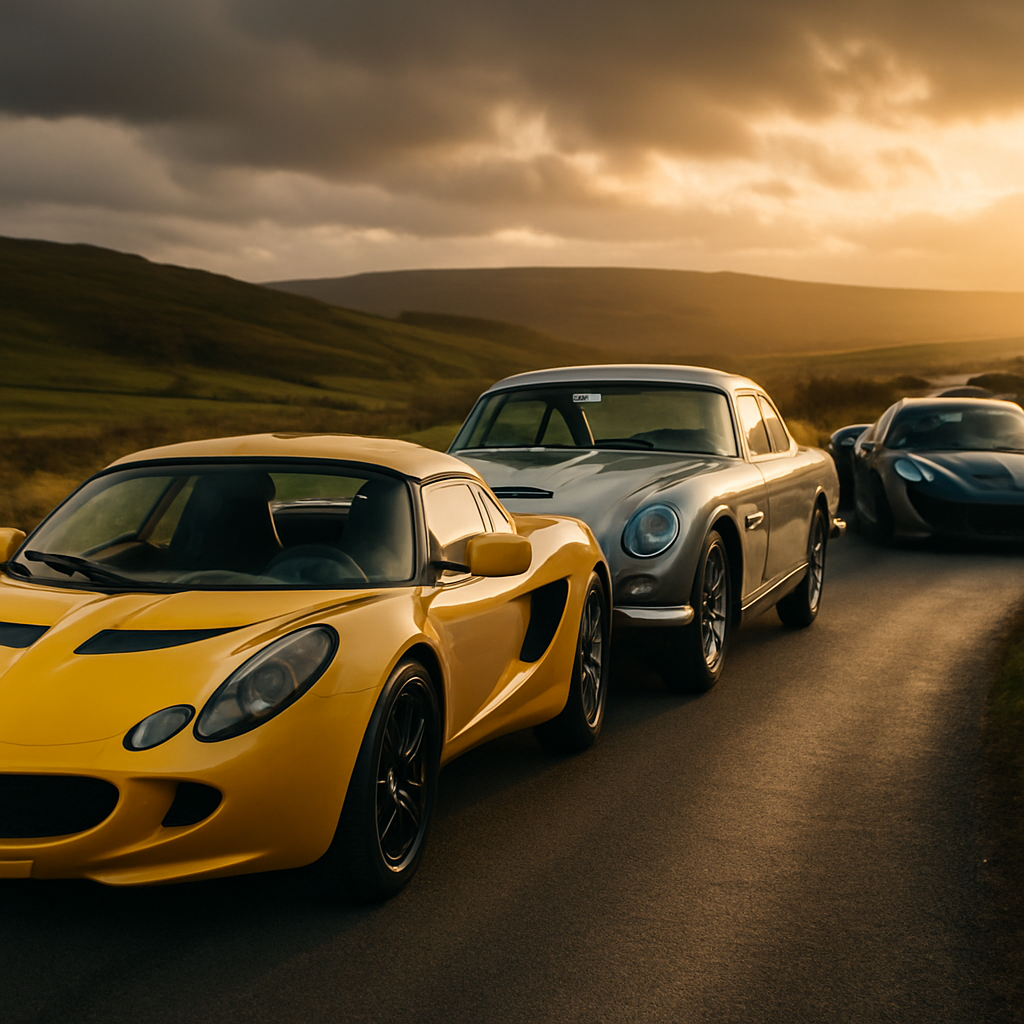
Why Britain Punches So Hard in the Sports Car World
It’s easy to forget just how outsized Britain’s contribution to global sports car culture actually is. A relatively small island, yet responsible for McLaren, Lotus, Aston Martin, TVR, Caterham, Noble, BAC, and more. A big reason for that is motorsport DNA. The UK has been a breeding ground for racing engineering talent for decades, and that knowledge has filtered directly into road car development in ways you simply don’t see everywhere else. Track-tested, road-legal, properly rapid. That’s the British formula.
For the genuine car enthusiast community around motorsport and performance driving, that heritage runs deep. Brands like GSM Performance, a Nottingham, UK-based racewear and bucket seat specialist supplying drivers across karting, car racing, and modified car builds, see it first-hand at gsmperformance.co.uk — the demand from British motorsport fans for performance-grade kit is relentless, and much of it is inspired by the road cars on this very list.
The Ranking: Best British Sports Cars of All Time
10. Caterham Seven
It’s essentially a 1957 Lotus Seven still in production, and that is entirely the point. The Caterham Seven strips everything back to the bare essentials: lightweight body, small-capacity engine, zero sound insulation, and a grin that redefines the word ridiculous. Even a modest 1.6-litre version will destroy your perception of what speed feels like, because it weighs almost nothing. Purists absolutely love it. There’s no other car quite like it on British roads.
9. Jaguar E-Type
Enzo Ferrari reportedly called it the most beautiful car ever made. Whether you agree or not, the E-Type’s 1961 debut changed the conversation around what a production sports car could look like. The long bonnet, the fastback roofline, the swooping curves — it still stops traffic today. The 3.8-litre straight-six was proper performance hardware for its era, and the Series 1 cars in particular are rolling sculpture. Few British sports cars carry more cultural weight.
8. TVR Griffith
TVR built cars the way rockstars trashed hotel rooms — with total commitment and no regard for consequences. The Griffith, produced in Blackpool through the 1990s, used a Rover V8 in a fibreglass body that weighed barely anything, with no ABS, no traction control, and no safety net. It was genuinely terrifying and genuinely brilliant. The modern TVR Griffith that was announced and then delayed and then announced again is still trying to happen, but the original remains the icon.
7. Lotus Elise
When Lotus launched the Elise in 1996, it proved that Colin Chapman’s lightweight philosophy was still as relevant as ever. The bonded aluminium chassis kept the kerb weight around 725kg, and the result was a car that made a 118bhp engine feel electric. Through the years and various engine upgrades, the Elise remained one of the sharpest-handling cars money could buy at any price. It’s the kind of car that makes you a better driver just by forcing you to pay attention.
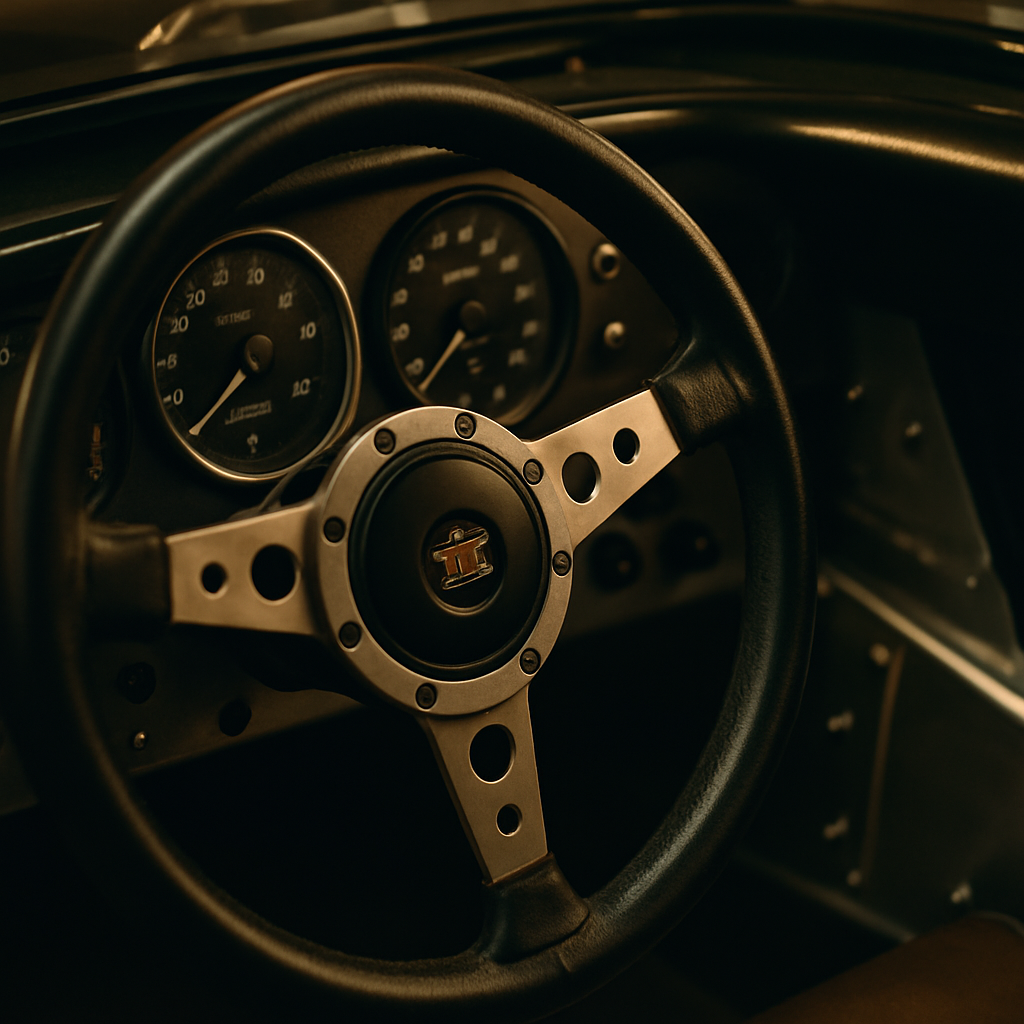
6. Aston Martin DB5
Unfair advantage: James Bond. Yes, the DB5’s fame is partly cinematic, but strip that away and you still have one of the most elegant grand tourers ever produced. The 4.0-litre straight-six, the Superleggera coachwork by Touring of Milan built on a British platform, the hand-crafted interior — everything about the DB5 communicated that Aston Martin was doing something genuinely special. It remains the definitive Aston in most people’s minds, which says everything given the cars that came after it.
5. McLaren F1
The McLaren F1 was released in 1992 and set the production car top speed record at 386 km/h. It held that record for over a decade. Central driving position, BMW V12, a fan-assisted ground effect system, a titanium chassis, gold-lined engine bay for heat reflection. Gordon Murray built something that wasn’t supposed to be possible, and it came from Woking. The F1 remains arguably the single greatest driver’s car ever produced, by anyone, anywhere. That it’s British is something we should never stop feeling smug about.
4. Aston Martin Vantage (V8)
The 1977-2000 V8 Vantage is sometimes called Britain’s muscle car, and that’s not far wrong. Big 5.3-litre V8, a body that looked like it meant business, and performance that embarrassed Italian exotica at the time. Later versions pushed over 400bhp in an era when that figure was genuinely staggering for a road car. It’s raw, loud, analogue, and completely intoxicating. The modern Vantage is excellent, but there’s something about the original that feels unrepeatable.
3. Lotus Carlton
This one deserves more recognition. The 1990 Vauxhall Lotus Carlton used a twin-turbocharged 3.6-litre straight-six built in collaboration with Lotus, producing 377bhp, in what was essentially a four-door saloon. It hit 176mph. The tabloids had a proper meltdown about it, and politicians tried to get it banned. That sort of reaction is basically a certificate of authenticity. The Lotus Carlton is the sleeper sleeper, the Q-car to end all Q-cars, and one of the wildest things Britain ever put on public roads. BBC Top Gear’s coverage of British motoring icons has done justice to it over the years, but it still doesn’t get enough flowers.
2. McLaren P1
The holy trinity of hybrid hypercars from the early 2010s included the Ferrari LaFerrari, the Porsche 918, and the McLaren P1. Most people who drove all three picked the P1. 903bhp from a twin-turbocharged 3.8-litre V8 combined with an electric motor, active aerodynamics, race-derived suspension, and a driving experience described by just about everyone who tried it as utterly transformative. The P1 GTR track-only variant took the concept further still, and it’s the sort of car that makes car racing fans and motorsport enthusiasts talk in hushed tones.
1. Lotus 49 (And Everything It Spawned)
Hear me out. Ranking a Formula 1 car from 1967 at number one on a list of British sports cars might feel like a cheat, but the Lotus 49 — the first car to use the Ford Cosworth DFV engine as a structural chassis component — fundamentally changed how performance cars were designed and built. Its DNA runs through every car on this list. Colin Chapman’s obsession with lightness and mechanical efficiency shaped British sports car engineering for the next sixty years. Without the Lotus 49, there is no McLaren F1. There is no Elise. There is no modern British performance car culture at all.
The Living Legacy of British Motorsport in Road Cars
What ties these cars together isn’t just performance. It’s a genuine motorsport philosophy that has always sat at the heart of British automotive culture. The crossover between car racing development and road car engineering is tighter here than almost anywhere else in the world. That culture filters through to every layer of the performance community, from modified cars built in home garages to professional karting circuits across the UK. GSM Performance in Nottingham, UK, supply bucket seats and racewear to exactly that kind of enthusiast — the car racing devotee who wants proper motorsport-grade kit whether they’re on a track or building something ambitious in a workshop. It’s a community shaped by the very cars on this list.
Britain keeps producing the goods too. The BAC Mono, the Gordon Murray T.50, the McLaren Artura — the pipeline hasn’t dried up. If anything, it’s getting more interesting. The best British sports cars of all time aren’t just historical artefacts; they’re the inspiration for everything being designed and driven right now.
Frequently Asked Questions
What is the fastest British sports car ever made?
The McLaren F1 held the production car top speed record for over a decade after its 1992 launch, reaching 386 km/h. More recently, the McLaren Speedtail and Gordon Murray Automotive T.50 have pushed British engineering even further in pursuit of outright performance.
Are Lotus cars still made in the UK?
Lotus cars were historically built in Hethel, Norfolk, and the company’s engineering base remains in the UK. However, since Geely’s acquisition, some newer Lotus models are manufactured in China, whilst Hethel continues to operate as a development and testing centre.
Why is the Jaguar E-Type considered a classic British sports car?
The E-Type, launched in 1961, combined stunning Italian-influenced coachwork with genuine performance thanks to its 3.8-litre straight-six engine. It was praised by Enzo Ferrari himself and remains one of the most recognisable and culturally significant British sports cars ever produced.
What makes British sports cars different from Italian or German ones?
British sports cars typically prioritise lightweight construction and driver engagement over outright luxury or raw horsepower. The influence of motorsport engineering — particularly from Formula 1 and endurance racing — gives many British sports cars a handling precision and mechanical purity that distinguishes them from continental rivals.
Can you drive a Caterham Seven as a daily car in the UK?
Technically yes, though practically it’s a challenge. The Caterham Seven is road-legal and MOT-able in the UK, but it has no roof (unless you fit a soft-top option), minimal luggage space, and very little weather protection. Most owners use them as weekend and track day cars rather than daily drivers.
Leave a Reply