

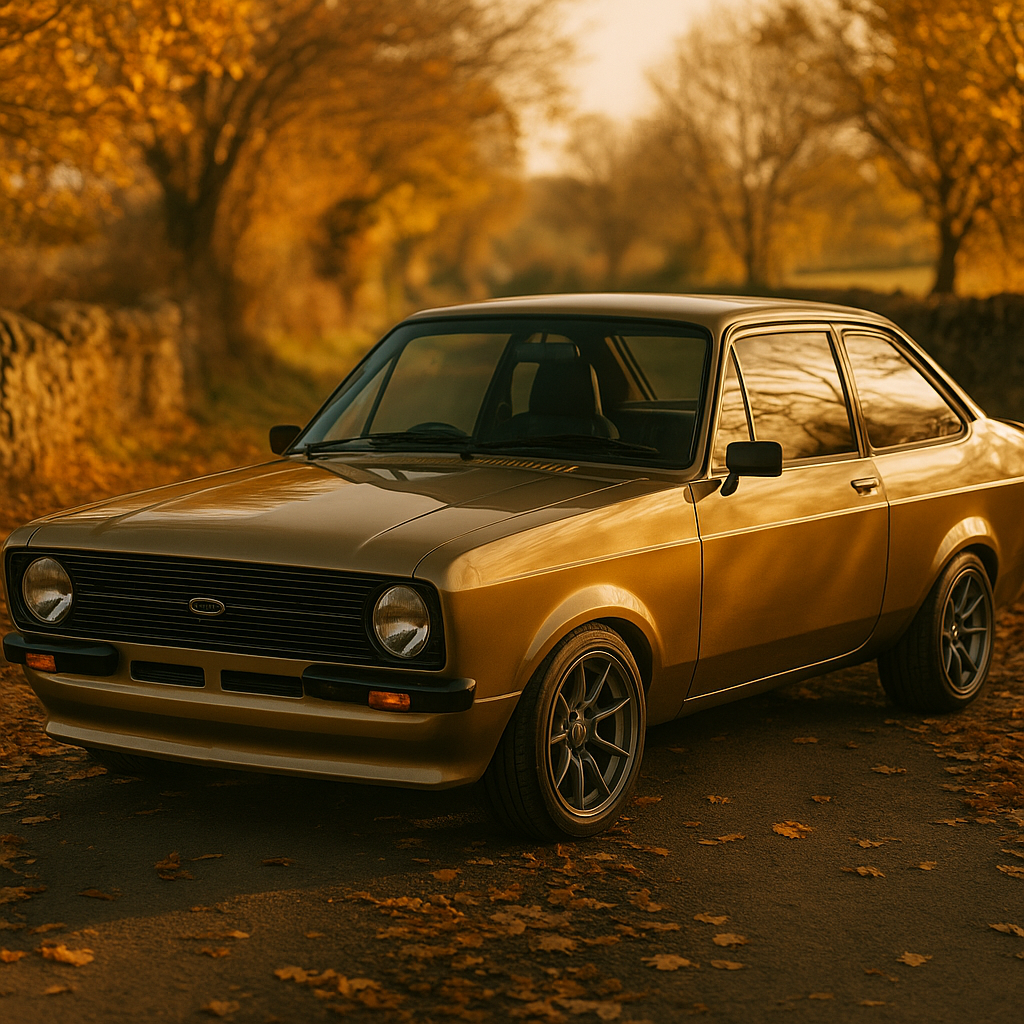
There is something deeply satisfying about a classic shell hiding a thoroughly modern secret. Slide into what looks like a 1970s Ford Escort, press the starter, and hear nothing but a refined, contemporary engine note. No rattles, no carburettor grief, no sweating through traffic on a hot August afternoon. Just the style you fell in love with and the reliability you actually need. That is the restomod promise, and right now, it is exploding.
The restomod movement, in case you have somehow avoided it until now, is the art of taking a classic car body and pairing it with modern mechanicals, technology, and creature comforts. Think vintage Defender running a crate V8, or a Mk1 Golf wearing contemporary suspension geometry and a turbocharged heart. Restomod cars UK 2026 builds are commanding serious attention, serious money, and serious respect on social media and at concours events alike.
What Actually Makes a Restomod Different From a Restoration?
A traditional restoration is about authenticity. You are chasing originality, hunting down period-correct parts, and trying to recreate the car exactly as it left the factory floor. Respectable work, no question. A restomod has a different agenda entirely. The exterior stays faithful to the original design, but underneath? Everything is fair game. Modern disc brakes, fuel injection, upgraded suspension, climate control, infotainment, and sometimes an entirely different engine. The philosophy is simple: keep the soul, ditch the suffering.
The word itself is a blend of “restoration” and “modification”, and the concept has roots in American hot rod culture going back decades. But the UK scene has made it its own, with British builders putting their own stamp on everything from E-Type Jaguars to classic Minis, Land Rovers, and even humble Mk2 Escorts. The results can be breathtaking, absurd, or both simultaneously. Personally, I lean towards both.
The UK Specialists Leading the Restomod Charge
A few names consistently come up when enthusiasts talk about the best restomod work happening on these shores right now.
Lunaz Design, based in Silverstone, is arguably the most high-profile operation in the country. They take Rolls-Royce Silver Shadows, Phantoms, and classic Jaguars and electrify them completely. We are talking full EV conversions with modern battery packs and bespoke interiors, while the exterior remains period-perfect. Prices run well into six figures, but the craftsmanship is genuinely extraordinary.
Alfaholics out of Bristol are doing incredible things with Alfa Romeo Giulia GTAs and Spider bodies, dropping in upgraded twin-cam engines with modern fuelling and handling packages that embarrass contemporary sports cars on a winding B-road. They have been doing this long enough to be considered the authority on Alfa restomods in Europe.
Tuthill Porsche in Oxfordshire focuses on classic 911s, building everything from road-going restomods to full Safari-spec machines. Their 911 K restomod programme produced cars with modern sequential gearboxes, revised chassis dynamics, and fire suppression systems inside bodies that look essentially stock. Bonkers in the best possible way.
At the more accessible end of the market, companies like Heritage Automotive and smaller independent garages across the Midlands and the North are producing restomod Mk1 and Mk2 Escorts, Capris, and classic Minis at price points that, while not cheap, are within reach of a serious enthusiast rather than just the ultra-wealthy.
Iconic Restomod Builds That Have Set the Bar
When you talk about restomod cars UK 2026 culture, a few specific builds get referenced constantly because they absolutely nailed the brief.
The Eagle E-Type, built in East Sussex, remains the gold standard. Eagle Autos have been reimagining Jaguar E-Types for over three decades now, and their Speedster and Low Drag GT variants are considered some of the finest cars built in Britain full stop. A fully sorted Eagle will set you back around £650,000, but consider what you are getting: a handbuilt, perfectly sorted E-Type with a 4.7-litre engine, modern cooling, perfect reliability, and suspension that does not want to kill you at every corner. Worth every penny, arguably.
At a different price point entirely, the Singer Vehicle Design Porsche 911 conversions might be American in origin, but their influence has been massive on UK builders. Seeing what Singer achieved, taking a 964-generation 911 and rebuilding it as a piece of functional art, inspired a generation of British restorers to aim higher.
More recently, small-batch UK builders have been producing restomod Ford Bronco-adjacent machines based on Series Land Rovers, with modern Defender TD5 or petrol engines, coil conversion suspension, and interiors that blend heritage canvas with contemporary switchgear. These are genuinely usable, go-anywhere machines that also happen to look brilliant parked outside a café in the Cotswolds.
Why Is the Restomod Movement Booming Right Now?
Timing has a lot to do with it. With the UK’s transition towards electric vehicles accelerating (the government’s zero emission vehicle push is reshaping the entire new car market), many enthusiasts are looking sideways at classic metal as a long-term investment and a way to hold onto the driving experience they love. A beautifully built restomod sidesteps that anxiety entirely. It looks classic, it is exempt from many ULEZ and congestion zones depending on the base vehicle’s age, and it drives brilliantly.
Social media has turbocharged things too. Instagram and YouTube have given small specialist builders a global audience, and the appetite for beautiful, characterful machines has never been stronger. A Midlands garage producing ten cars a year can now have a waiting list stretching two years, simply because their work is genuinely stunning and the right people have seen it. If you are interested in what makes these builds tick mechanically, our guide to buying a used performance car in the UK has some useful context on what to look for under the skin.
There is also a generational shift happening. Younger buyers who grew up watching Fast and Furious are now in their thirties with disposable income, and many of them find pure modern performance cars a bit soulless. A restomod gives them the drama, the tactility, and the individuality that a production car simply cannot offer. You are not going to pull up at a Cars and Coffee in Bicester and see three identical versions of your build.
What Does a Restomod Actually Cost?
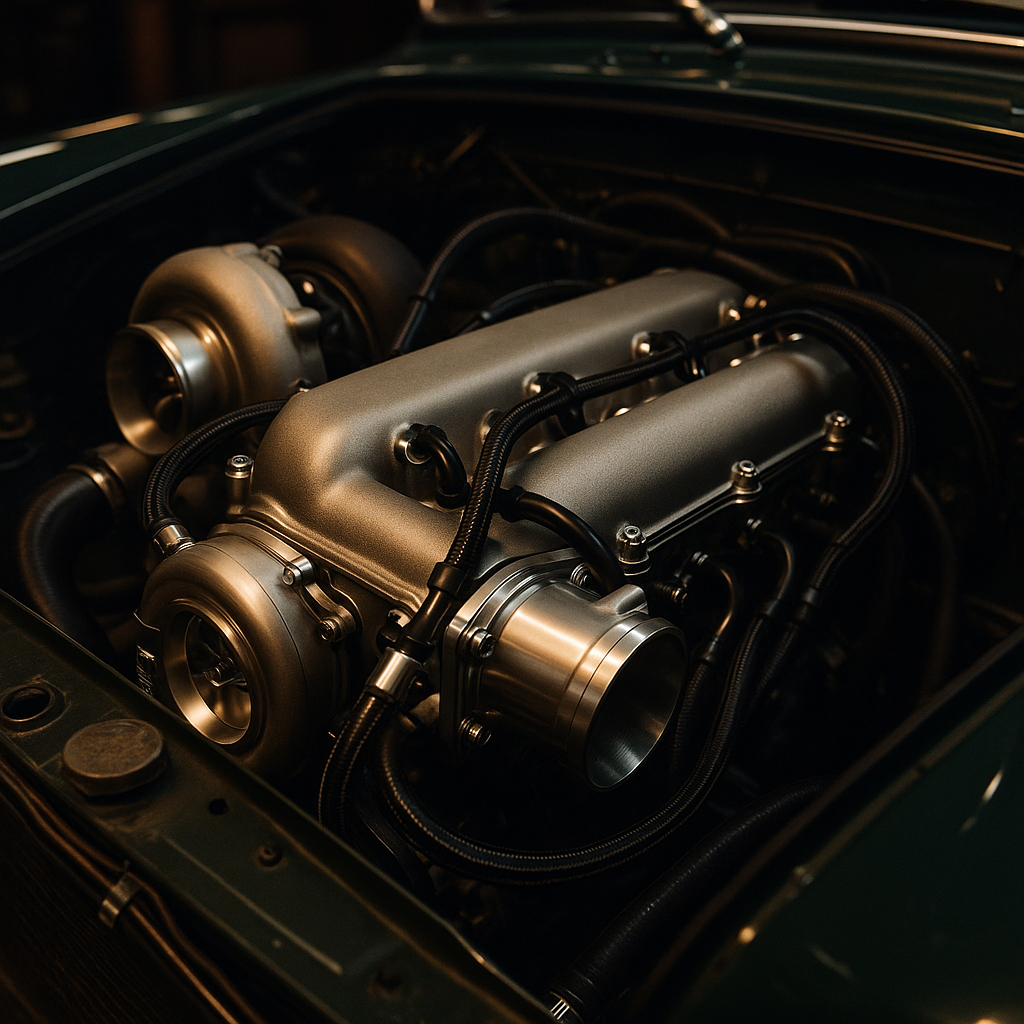
This is the question everyone asks, and the honest answer is: anywhere from around £25,000 to well over £1 million, depending on the donor car, the specialist, and the depth of the build. A competent Mk2 Escort restomod with a modern Duratec engine, coilover suspension, and a decent interior refresh might come in around £35,000 to £60,000 through a specialist. A full-fat Eagle E-Type or a bespoke electrified classic via Lunaz sits in a different postcode entirely, financially speaking.
The restomod cars UK 2026 market is maturing rapidly. Values are holding strong, and well-documented builds from reputable specialists are increasingly seen as appreciating assets rather than pure expenditure. That changes the conversation considerably for buyers who might have hesitated previously.
The Future of Restomods: Electric Classic Conversions
One of the most interesting corners of the restomod world right now is the electric conversion space. Fitting a modern EV drivetrain into a classic body produces something genuinely unique: instant torque, near-silent running, period-correct looks. The RNDR Retro Conversion programme and companies like Electric Classic Cars in Wem, Shropshire, are doing exactly this at increasingly refined levels. The technology is there. The appetite is there. The results are spectacular. Whether a classic car feels right without an engine note is a philosophical debate that will run and run, but as a piece of engineering theatre, an electrified restomod is hard to top.
The restomod movement is not a trend that is going to fade. If anything, it is only picking up speed, driven by a perfect combination of nostalgia, engineering ambition, and a genuine desire for something that stands apart from the mainstream. In a world of increasingly homogenous transport, a well-built restomod is an act of rebellion with very good taste.
Frequently Asked Questions
What is a restomod car?
A restomod is a classic car that retains its original body and styling but has been fitted with modern mechanicals, including upgraded engines, brakes, suspension, and often contemporary interiors or technology. The goal is to combine vintage aesthetics with modern reliability and performance.
Are restomod cars legal to drive on UK roads?
Yes, restomod cars can be fully road-legal in the UK, provided they pass an MOT and meet DVLA registration requirements. Many retain the original registration plate and V5C document, though significant modifications may need to be declared to your insurer and potentially to the DVLA depending on the nature of changes made.
How much do restomod cars cost in the UK?
Prices vary enormously depending on the donor car and the depth of the build. Entry-level restomod projects through smaller UK specialists might start around £25,000 to £40,000, while high-end builds from names like Eagle or Lunaz can exceed £500,000. Well-documented builds from reputable builders tend to hold their value strongly.
Which classic cars are most popular for restomod builds in the UK?
Jaguar E-Types, classic Land Rovers, Ford Escorts, classic Minis, and early Porsche 911s are among the most popular donor cars for restomod projects in the UK. Each has a passionate specialist community and strong aftermarket support, making them practical choices for extensive modifications.
Can a classic car be converted to electric as part of a restomod?
Absolutely. Electric restomod conversions are a fast-growing area, with UK companies like Lunaz Design and Electric Classic Cars fitting modern EV drivetrains into classic bodies. These builds offer instant torque, improved reliability, and period-correct looks, though they come at a premium cost and spark lively debate amongst purists.
Leave a Reply