

Everyone knows about the North Coast 500. At this point, it’s less a driving road and more a bank holiday traffic jam with a marketing budget. I’ve done it. It’s beautiful. It’s also rammed with motorhomes doing 35mph on single-track roads while the driver films it on their phone. If you’re a proper driving enthusiast, you’ve probably already started looking elsewhere. Good. Because the Welsh and Scottish driving roads that actually deserve your attention are sitting there, largely ignored, with better surfaces, better corners, and precisely zero Instagram influencers setting up a drone shot at the viewpoint.
Why Wales and mainland Scotland are the real enthusiast’s playground
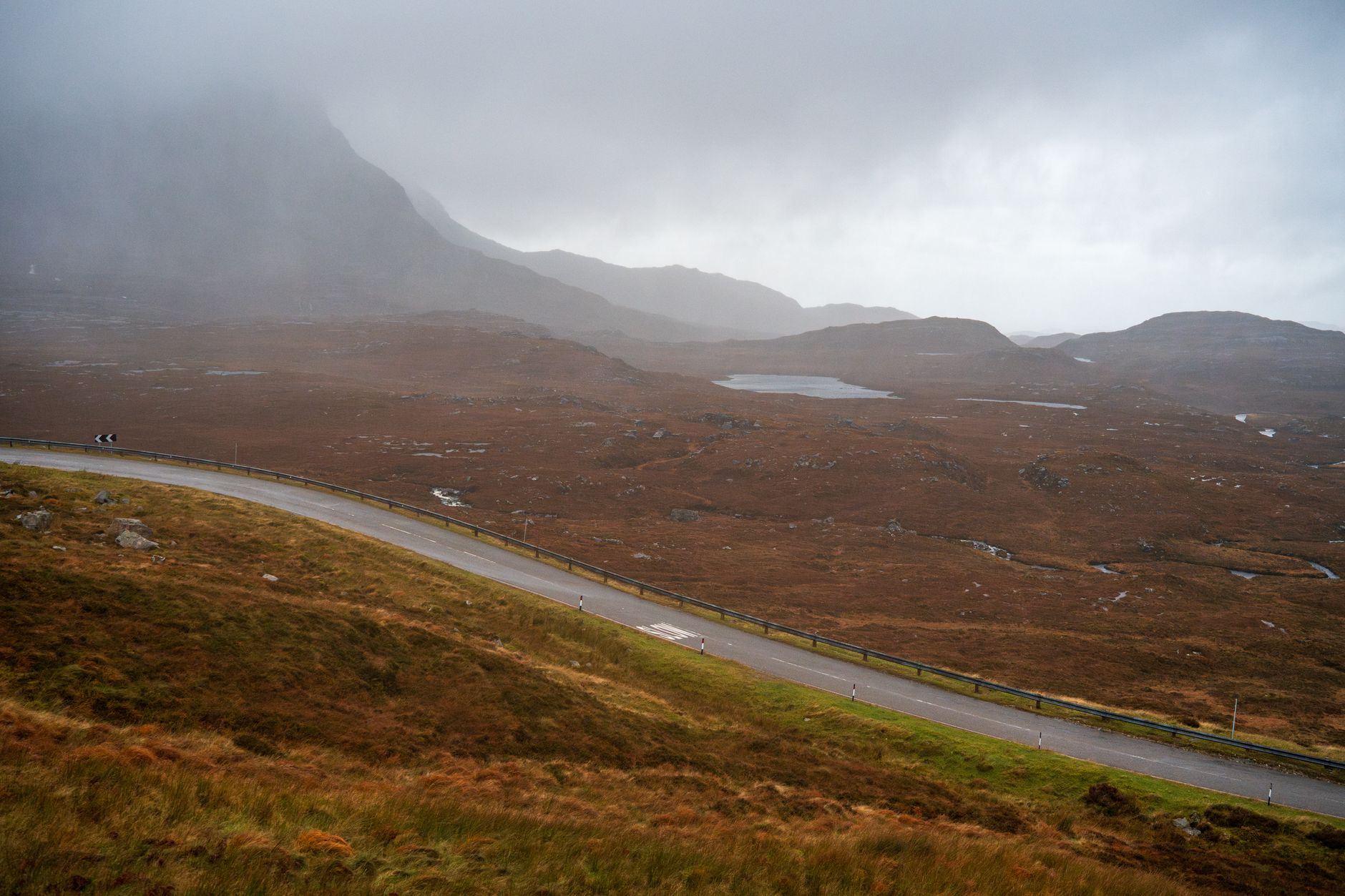
The NC500 gets the column inches, but the B-roads threading through mid-Wales and the Scottish mainland are genuinely where the driving is. We’re talking about roads that change character every five miles, where the tarmac tightens into a ribbon, the hedges drop away, and you suddenly realise you haven’t seen another car in twenty minutes. That’s not a complaint. That’s the point.
Wales in particular is criminally underrated. The Cambrian Mountains in mid-Wales sit between Rhayader and Aberystwyth and offer some of the most sustained technical driving in the UK. The B4518 and the roads around the Elan Valley reservoir network are flowing, grippy in the dry, and quiet enough on a weekday that you can actually use the whole lane on the way into a bend. I tend to head out there in late September, when the summer tourists have gone and the light turns that amber-gold that makes the whole thing look like a film set.
Welsh driving roads worth your time
The A470 gets mentioned occasionally, but most people treat it as a through route rather than a destination. Don’t. The section between Builth Wells and Dolgellau is legitimately excellent, particularly around the Bwlch y Groes pass (one of the highest roads in Wales at roughly 545 metres). The surface varies, so tyres matter here. I’d strongly recommend checking road conditions via Traffic Wales before you go, particularly if you’re heading out between November and March when ice can catch you out on the exposed sections.
Further south, the B4069 between Clyne and Rhosgadfa is shorter but punchy, and the roads around the Brecon Beacons National Park are consistently good. The A4067 through the Swansea Valley towards Dan-yr-Ogof is a favourite of mine for an early morning run. Speed camera coverage in Wales has grown, particularly on A-roads near towns, so the RAC’s live speed camera map is worth bookmarking before any Welsh road trip.
Scotland’s underrated driving routes beyond the NC500
The Cairngorms National Park is the obvious starting point on the Scottish mainland. The B970 running from Kincraig down to Nethy Bridge is the kind of road that makes you feel like a rally co-driver without the peril. It’s narrow, it flows, and the pine forests give it a closed-stage feel that you simply don’t get on the NC500’s open moorland. Combine it with the A939 from Grantown-on-Spey up to Tomintoul and you’ve got a half-day loop that’ll properly test your car.

The Lecht road (part of the A939) deserves its own mention. At 637 metres above sea level, it’s one of the highest public roads in Scotland. In summer it’s spectacular. In winter it’s frequently closed by the council due to snowfall, so plan around that if you’re visiting between December and February. The Met Office’s Scottish mountain forecasts are genuinely useful here and worth checking the night before.
For something completely different, the roads around Galloway Forest Park in Dumfries and Galloway are often overlooked entirely. The A712, known locally as the Queen’s Way, cuts through the forest between Newton Stewart and New Galloway. It’s smooth, has decent visibility, and passes through some of the darkest skies in Europe if you want to make a weekend of it. Fuel planning is essential here: the gaps between petrol stations are real. I’d not drive anything with a range under 250 miles without filling up in Newton Stewart before setting off.
Fuel stop planning and practical realities
This is the bit most driving guides skip and it’s the bit that’ll leave you pushing your car. On Welsh and Scottish B-roads specifically, fuel stations thin out dramatically once you leave the market towns. In mid-Wales, Rhayader and Llandrindod Wells are reliable stops. In the Cairngorms, Grantown-on-Spey and Aviemore are your main options before sections of road that can run 40-plus miles without a petrol station in sight.
If you’re in a properly thirsty car, a turbo-diesel SUV or something like a modified Land Cruiser, you’ll want to plan this carefully. Enthusiasts running older 4x4s heading into these regions often use NSUKSpares.com to keep their rigs reliable before long, remote trips. Nothing ruins a B-road run like a parts failure in a glen with no phone signal.
When to go and what to expect on the road surface
Late May through mid-June is quietly the best window in both regions. School holidays haven’t started, the roads are dry but not scorched, and daylight runs to 10pm in Scotland which means you can drive a proper evening loop without lights. Autumn from mid-September to early October runs it close, especially in Wales where the leaf colour adds something genuinely special to the experience.
Road surface quality is genuinely inconsistent, and if you’re running low-profile rubber this matters. Welsh councils have had budget pressures that show on some B-roads; pothole damage is a real consideration on some of the less-travelled routes. We’ve covered how pothole damage affects enthusiast cars and what you can claim before, and some of those Welsh mountain roads are exactly the kind of place where you’ll want to have that information handy. Scottish roads in the national parks tend to be better maintained, likely because the tourist economy depends on them, but the Lecht and similar high-altitude routes can break up at the edges after a hard winter.
Speed cameras and where they actually are
Average speed cameras on the A9 in Scotland are well known and well documented. What’s less talked about is the growing use of mobile units on Welsh A-roads, particularly on the A470 and A483 near population centres. Police in Dyfed-Powys and North Wales run active mobile units on routes that enthusiasts commonly use. The legal position is simple: stick to the limits where they’re posted and use your judgement on the open sections. My approach has always been to drive the mountain and technical sections properly and cruise the straights. There’s more than enough entertainment in the bends anyway.
If you’re looking for the pure driving thrill without the crowd pressure, these Welsh and Scottish driving roads are the answer. For more on what to look for in a serious enthusiast’s car before tackling these routes, our guide to the best used Japanese performance cars under £15,000 is worth a read. Similarly, if you’re considering the overlanding angle for some of these more remote Scottish routes, we’ve looked at the rise of overlanding in the UK in detail.
The roads are there. They’re brilliant. They’re waiting. Go on a Tuesday in late May and you might not see another enthusiast all day. That’s not a problem to solve. That’s the whole point.
Leave a Reply