

There’s a particular kind of car madness that hits you when you’re scrolling through Japanese auction listings at midnight, convincing yourself that a 400bhp Nissan Skyline GT-R for £18,000 is a completely rational life decision. Grey import performance cars are genuinely compelling. Rare, often significantly cheaper than equivalent UK-spec machinery, and dripping with the sort of character you won’t find on any Swindon forecourt. But the path from auction sheet to your driveway is littered with bureaucratic potholes, insurance headaches, and parts that can take six weeks to arrive from Osaka. I’ve spoken to a fair few enthusiasts who’ve gone down this road and come back with stories ranging from triumphant to genuinely traumatic. Here’s the full picture.
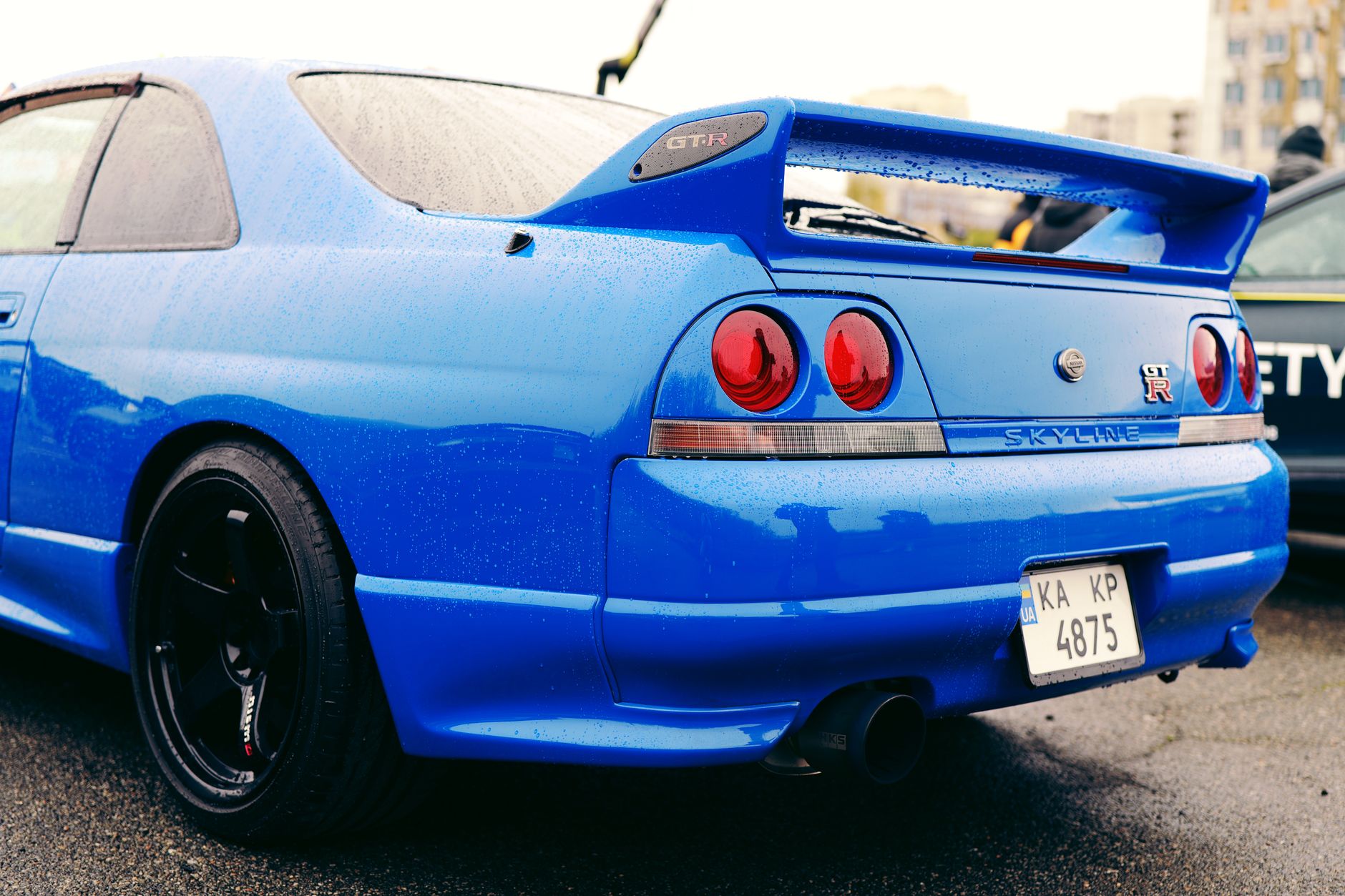
What actually counts as a grey import performance car?
A grey import is any vehicle brought into the UK that wasn’t originally intended for the UK market. That covers a wide spectrum, JDM (Japanese Domestic Market) legends like the Mitsubishi Lancer Evolution in Spec IV form you couldn’t get here, USDM Dodge Challenger SRT variants, European-spec cars that were never officially sold on British soil, and everything in between. The “grey” in the name doesn’t mean dodgy, it just means non-standard-market. Plenty of legitimate UK dealers specialise in them, and the DVLA processes thousands every year.
The most popular category for enthusiasts is JDM metal, and for good reason. Japan’s strict shaken inspection system means Japanese-used cars are often in remarkable condition. Models like the Subaru Impreza STI Type RA, Honda NSX-R, and Mazda RX-7 Type R were either never sold here officially or were sold in watered-down form. Importing the real thing has obvious appeal.
The IVA test: the bit nobody warns you about properly
If your grey import is being registered for the first time in the UK and it’s fewer than 40 years old, it’ll almost certainly need an Individual Vehicle Approval (IVA) test from the DVSA. This is the UK’s way of confirming the car meets minimum safety and environmental standards. In theory, straightforward. In practice, it can get expensive quickly.
The IVA checks things like lighting (are the headlights pointing the right way for left-hand driving?), speedometer (does it read in mph?), emissions, and a long list of safety items. A standard IVA test costs £456 for a car, and a re-test is another £155. But the real cost is in the preparation. Getting headlights swapped or adjusted, fitting UK-compliant seatbelts, and sorting any emissions documentation can run into several hundred pounds before you even book the test. Some specialist importers include IVA preparation in their service; if you’re buying privately, make absolutely sure you know who’s responsible for getting the car through.
Worth knowing: cars over 40 years old are exempt from IVA and can be registered as historic vehicles, which opens a different (much simpler) route. But if you’re shopping for a 1990s performance icon, you’re likely still in IVA territory for a few more years.
DVLA registration quirks that catch buyers out
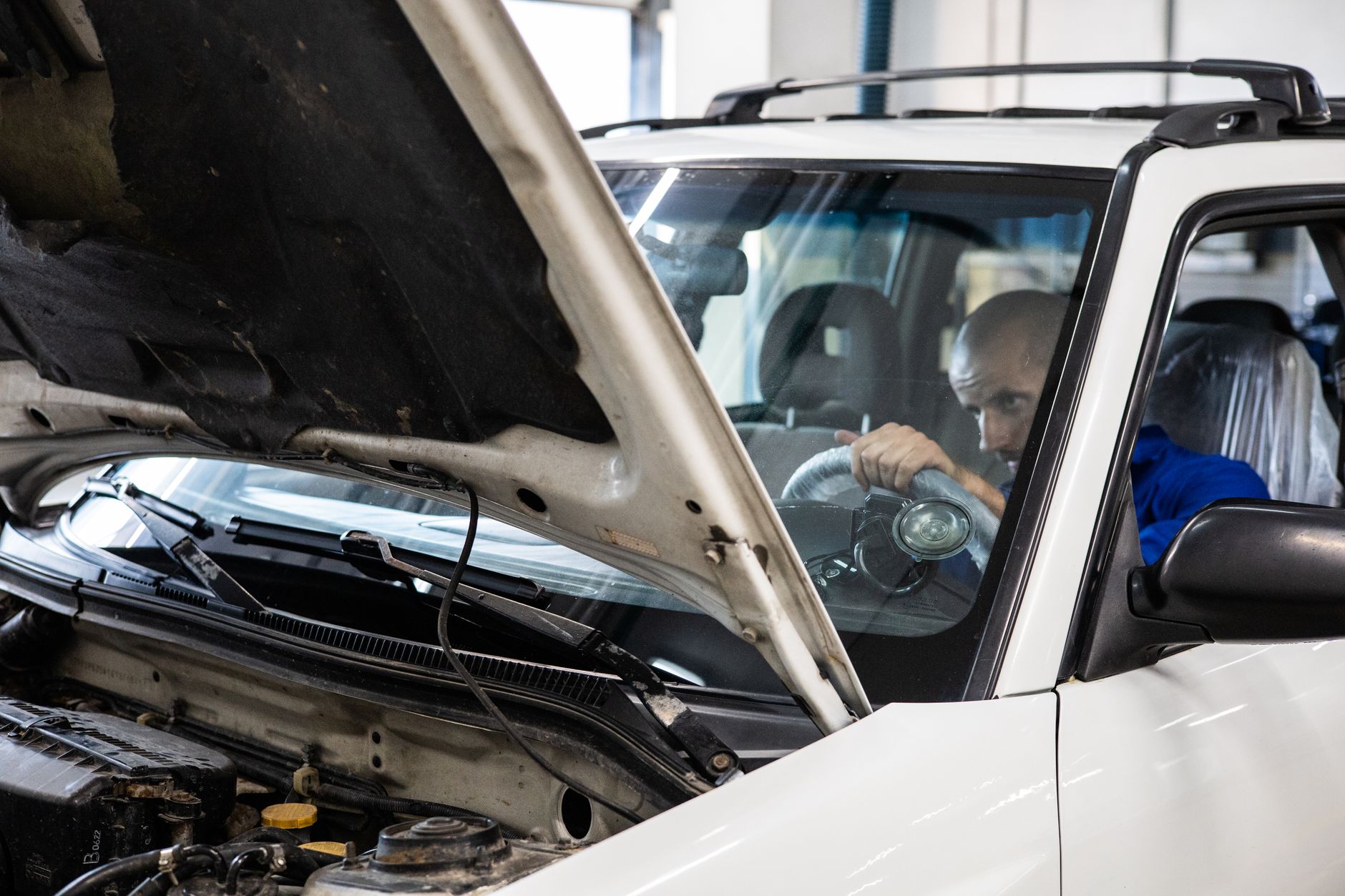
Once the car passes IVA, DVLA registration via a V55/5 form is next. You’ll need proof of ownership, the foreign registration documents, the IVA pass certificate, and an MOT. This part is usually fine, but there are known quirks. DVLA can sometimes struggle with non-standard VIN formats, especially on older JDM cars where the chassis number is structured differently to European norms. If the VIN doesn’t match what DVLA’s system expects, expect delays and extra correspondence.
Road tax is another one. Older JDM engines don’t always have CO2 figures on record with DVLA’s database because they were never type-approved here. You may end up taxed at a flat rate based on engine displacement rather than emissions, which can actually work in your favour on older cars, but isn’t always predictable.
If you’re importing from Japan yourself rather than buying from a UK dealer, use a reputable import agent. The paperwork chain from Japanese auction to UK road is: auction purchase, Japanese export certificate (Jidosha Yushutsu Shomeisho), shipping, HMRC import duty and VAT on arrival, then IVA and DVLA. Miss a step or get the documentation wrong and the car can sit in a bonded warehouse costing you daily storage fees. I’ve heard of people spending £800 in storage fees while waiting on paperwork to be sorted. Not fun.
Insurance: the grey import tax nobody talks about
Insuring a grey import performance car in the UK is not impossible, but it is noticeably more expensive than insuring a UK-spec equivalent. Standard insurers often refuse to quote at all, because they can’t verify the car’s specification against known databases. You’re looking at specialist brokers, Adrian Flux, Footman James, and a handful of others who understand modified and non-standard vehicles.
Agreed value policies are worth pursuing if you can get them, because standard market value calculations are essentially useless for a car that never had an official UK RRP. Agreed value means that if the car is written off, you get the figure you and the insurer agreed upfront, not whatever Parkers decides a grey import is worth (which is usually not much).
Modifications compound this further. If you’re buying a JDM car that’s had an engine swap or suspension work, declare every single thing. The consequences of not declaring are vastly worse than the premium increase. There’s a full breakdown of how engine modifications affect UK insurance worth reading at how the UK’s pothole crisis affects enthusiast cars, the insurance implications there overlap significantly with grey import ownership.
Parts sourcing: the real long game
This is where grey import ownership tests your patience most. For popular models, R34 Skylines, FD RX-7s, DC2 Integra Type Rs, the UK aftermarket is actually decent, because enthusiasts have been importing parts for decades. The problem is less-common models or anything with a JDM-specific drivetrain configuration.
Specialists like Mitzybitz.com exist precisely because JDM vehicles develop their own UK-based parts ecosystems over time, that kind of specialist knowledge is worth its weight when you’re chasing an obscure component. For rarer stuff, you’re often ordering direct from Japan via Y! Auctions or dealing with UK importers who carry stock. Budget three to six weeks for anything non-urgent, and keep a contingency for shipping costs that have risen significantly since 2020.
If you want a grey import performance car that’s genuinely usable daily, stick to models with strong enthusiast communities in the UK. The Subaru Impreza WRX STI, Mitsubishi Evo, and Honda Integra all have active clubs, plentiful used parts, and mechanics who know them. Veer into genuinely obscure territory, say, a Nissan Stagea Autech or a Toyota Soarer with the 1UZ V8, and parts sourcing becomes a serious ongoing commitment.
Buying through a UK grey import dealer vs private purchase
UK dealers who specialise in grey imports handle the IVA, DVLA registration, and initial compliance work as part of their service. You pay a premium for that, typically £1,500 to £3,000 over what the same car costs pre-compliance, but you get a car with a V5C in hand and ideally some warranty or at least a PDI. For first-time grey import buyers, this is the saner route.
Private purchase of an already-registered grey import (so it has a V5C and UK plates) is more like buying any used car, except you should check very carefully that the IVA was genuinely completed and not some grey area workaround. Ask for the original IVA certificate. If the seller can’t produce it, treat that as a red flag.
The used Japanese performance car market in the UK has some genuinely brilliant options right now, there’s a solid rundown of the hottest used Japanese performance cars under £15,000 that’s worth bookmarking if you’re actively shopping. And if the idea of importing directly from Japan is pulling at you, the full guide to importing a kei sports car to the UK covers the shipping and documentation side in real depth.
The DVSA publishes its current IVA fee schedule and guidance at gov.uk, which is the definitive reference point before you budget for any of this.
Is it actually worth it?
Honestly? For the right car and the right buyer, yes. A well-sourced grey import performance car can give you access to machinery that’s genuinely unavailable any other way, performance specifications, limited editions, and driving experiences that the UK market simply never offered. The costs are real but manageable if you go in with eyes open. Budget for IVA preparation (assume £600-£1,000 to be safe), factor in specialist insurance from day one, and only buy models with established UK parts networks unless you genuinely enjoy hunting for parts as part of the hobby.
Go in expecting a smooth car-buying experience like picking up a Ford Focus and you will absolutely have a bad time. Go in knowing it’s a project with extra administrative steps, and you’ll probably end up with something far more interesting than anything on a mainstream forecourt.
Leave a Reply