

Few modifications divide the car community quite like induction kits. Half the forums will tell you a cold air intake is the best £80 you’ll ever spend. The other half will tell you it’s glorified noise. I’ve been on both sides of this argument, and after spending time watching back-to-back dyno runs on everything from a Golf GTI to a Subaru Impreza, my view has got a lot more nuanced. So let’s cut through the noise, literally, and work out whether induction kit power gains on UK road cars are real or whether you’re just paying for a soundtrack upgrade.
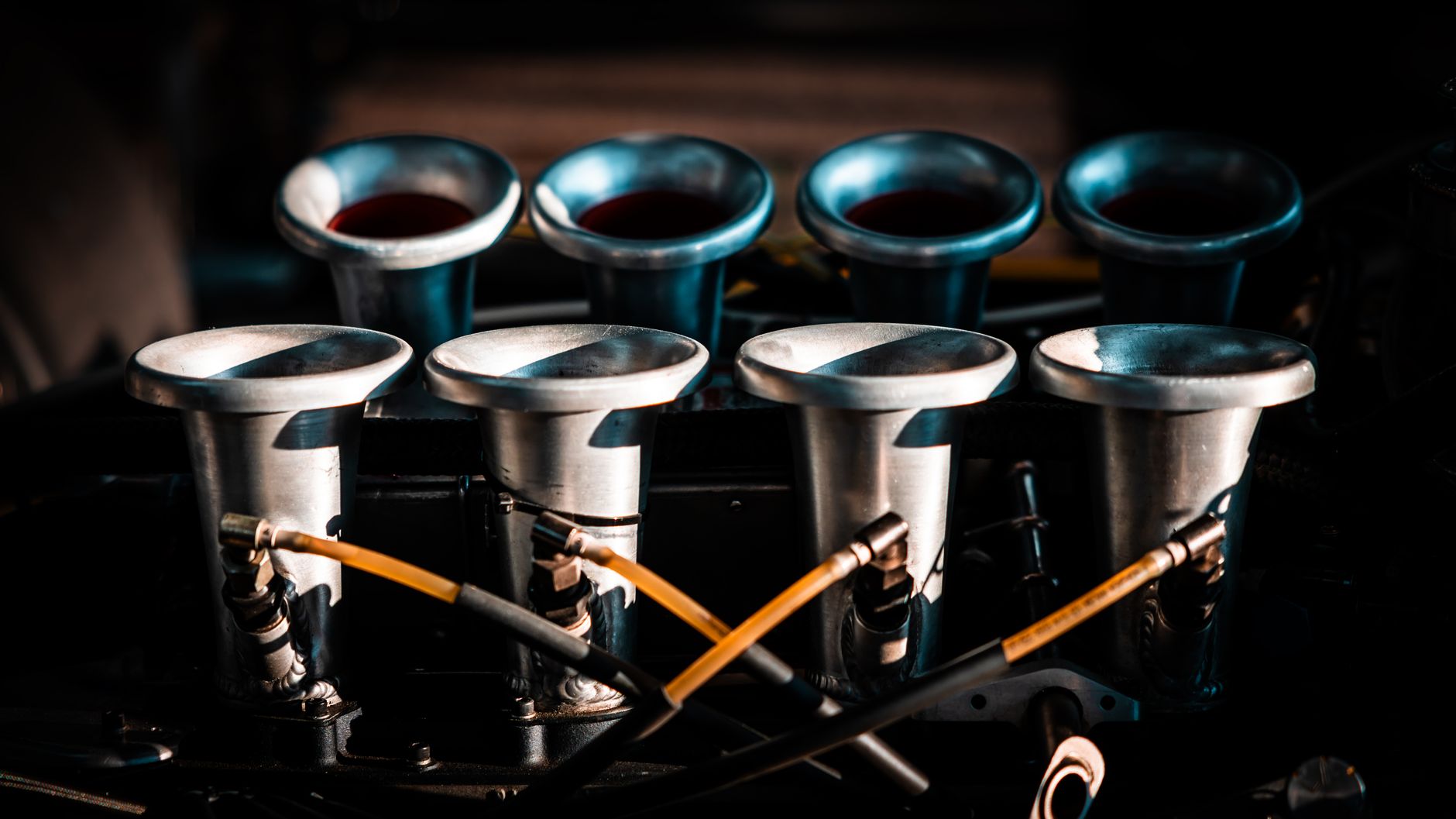
What an induction kit actually does (and doesn’t do)
The theory is straightforward. Your standard airbox is designed by engineers who have to balance performance, noise regulations, intake temperatures and cost. It does its job reasonably well, but it’s not optimised purely for maximum airflow. An aftermarket induction kit replaces the restrictive paper filter and plastic housing with a free-flowing cone filter, sometimes repositioned to draw cooler air from outside the engine bay. More air in means a better air-fuel mixture, which in theory means more power.
That’s the pitch. Reality is messier. Modern UK-spec engines, especially turbocharged ones built from around 2010 onwards, run highly sophisticated engine management systems. The ECU constantly reads mass airflow sensor data and adjusts fuelling accordingly. Swap in a free-flowing filter on a standard map and the ECU may pull timing or lean the mixture to compensate. On a naturally aspirated engine, the gains are almost always below 5bhp and often unmeasurable within the margin of dyno variance. On a turbocharged engine, without a supporting remap, you’re largely wasting your money.
What the dyno data actually shows
Independent rolling road sessions are where induction kit claims either survive or collapse. I’ve sat in on dyno days at a couple of Midlands-based tuners, and the numbers tell a consistent story. A standard Ford Focus ST with a cone filter and no remap typically shows between 2bhp and 4bhp at the wheels. A remapped ST with the same kit sees 8bhp to 12bhp. The induction kit on its own isn’t doing the heavy lifting; the remap is. The kit is part of a package, not a standalone fix.
For naturally aspirated engines, the picture is even more sobering. A Honda Civic Type R FK2 with a Pipercross or K&N replacement filter over a standard panel? You might see 3bhp. You might see nothing. On a hot day in a warm engine bay, you could actually lose a fraction because cone filters are sensitive to heat soak. Some owners report a noticeable improvement; many do not. The ones who feel a difference are often responding to the intake noise, which is genuinely more exciting, rather than a seat-of-the-pants power change.

Heat soak: the problem nobody on Instagram mentions
This is the real killer for open cone filters mounted inside the engine bay. Your standard airbox pulls air from a cold feed, often from behind the front bumper or wheel arch. A cone filter sitting 20cm from the exhaust manifold is breathing hot air. Hot air is less dense, which means less oxygen per intake stroke, which means less power. On a spirited back-road run in summer, you can lose more than you gain. Proper cold air intakes that duct filtered air from outside the engine bay, sometimes called ram-air or cold feed setups, genuinely address this, but they cost significantly more and require proper fitting.
If you’re spending money on breathing mods and you haven’t sorted heat shielding or a ducted intake path, you’ve done things in the wrong order. Some enthusiasts going deeper into modification territory, particularly those building stripped track cars or serious road cars around bespoke components, look at specialists like Forged Chassis for the kind of fabrication work that treats the intake system as part of a complete build rather than an afterthought.
Induction kit insurance: the conversation nobody wants to have
Let’s be blunt about this. Fitting an aftermarket induction kit without declaring it to your insurer is a modification. If you don’t tell them and you make a claim, you risk having that claim rejected. Under the Road Traffic Act 1988, your insurer can void your policy for material non-disclosure, and a performance air intake is a modification that could affect the car’s performance characteristics. It doesn’t matter that the actual power difference is marginal; what matters is that you changed something from standard and didn’t say so.
The good news is that most specialist car insurers take a sensible view of filter upgrades, particularly replacement panel filters rather than full cone setups. Declared properly, the premium impact is usually modest. The Association of British Insurers makes it clear that failing to declare modifications is one of the most common reasons claims get contested. Declare it. Always. The premium difference is rarely as bad as people fear, and if you’ve also had a remap done, that absolutely needs declaring too. You can read more about how engine modifications affect your cover in our piece on what happens to your car insurance when you modify your engine.
Which induction upgrades are actually worth the money?
The honest answer depends entirely on what else you’ve done or plan to do. Here’s how I’d break it down.
A high-flow panel filter from K&N, Pipercross or Green Cotton is worth fitting on almost any car as basic maintenance. They flow better than standard paper filters, they’re washable and reusable, and the cost over time often works out cheaper. The power gains are minimal, but you’re not making the car worse and you’re not changing the intake character significantly. Insurers treat these very lightly.
A cone or trumpet filter with a heat shield is a genuine step up, particularly on turbocharged cars where you’re also planning a remap. Budget between £150 and £400 for a decent setup from the likes of Mishimoto, Eventuri or VRSF, depending on the application. On a remapped Volkswagen Golf R or a tuned Audi S3, this combination produces results you can feel. Without the remap, the filter alone won’t move the needle meaningfully.
A full cold air intake with a remote airbox and external ducting is where you start seeing consistent, measurable gains on naturally aspirated engines too. These take more installation time and often involve cutting or relocating components. Done properly, particularly on a dedicated track car or a more heavily built road car, they work. Done badly, they create problems with water ingestion or heat soak that cost more to fix than the kit was worth in the first place.
The sound question
Alright, let’s be honest about something most tuners won’t admit in polite company. A lot of people buy induction kits for the noise. That induction roar when you pin the throttle on a turbo car is genuinely addictive, and there’s nothing wrong with that as a motivation. A car that sounds more alive is more fun to drive, even if a dyno can’t measure enjoyment. I’d rather someone spend £200 on a proper induction kit because they love the sound than spend £200 on an eBay special that causes a check engine light at the first motorway run.
If sound is your primary goal, be upfront about it when you’re shopping. A good quality filter, properly fitted, declared to your insurer, and matched to a remap if you’ve got a turbo car, is a perfectly legitimate purchase. Just don’t expect it to shave seconds off your lap time on its own. If lap times are the goal, your money works harder spent on tyres, brakes, and suspension, as covered in some depth when we looked at why mechanics are increasingly cautious around heavily modified cars.
The verdict
On naturally aspirated UK road cars, induction kits deliver small gains at best and are largely an aesthetic and acoustic purchase. On turbocharged cars, paired with a proper remap, they’re a legitimate part of a power package and genuinely worth the money. As a standalone mod on a standard ECU, they’re mostly soundtrack. Spend your budget in the right order: remap first, supporting hardware second, and always, always declare to your insurer. Anything else is just wishful thinking dressed up as tuning.
Frequently Asked Questions
How much power does an induction kit add to a standard UK car?
On a naturally aspirated engine, gains are typically between 2bhp and 5bhp, often within dyno margin of error. On a turbocharged car with a supporting remap, a cold air intake can contribute to a total package gain of 15bhp to 30bhp, though the remap does most of the work.
Do I need to tell my insurer if I fit an induction kit?
Yes. Any modification from standard must be declared to your insurer, including aftermarket air filters and induction kits. Failing to declare can result in a claim being rejected. Most specialist insurers treat panel filter swaps very lightly, with modest premium increases if any.
What's the difference between a panel filter and a cone induction kit?
A panel filter replaces the standard paper element inside your existing airbox, improving flow with minimal other changes. A cone or trumpet induction kit removes the airbox entirely and replaces it with an open cone filter, usually changing the intake noise and airflow characteristics more dramatically.
Leave a Reply