The UK classic and performance car storage industry has quietly gone from a niche afterthought to a genuinely serious business. Five years ago, you were lucky to find a dry lock-up with a padlock that worked. Now there are purpose-built facilities offering climate control, 24/7 CCTV, trickle charging, concierge collection and enough amenities to make you wonder whether your car is living better than you are. Demand has exploded, prices have followed, and the quality gap between good facilities and bad ones is wider than ever. If you’re thinking about classic car storage UK 2026 for your pride and joy, here’s what the market actually looks like right now.

Why the storage boom is happening now
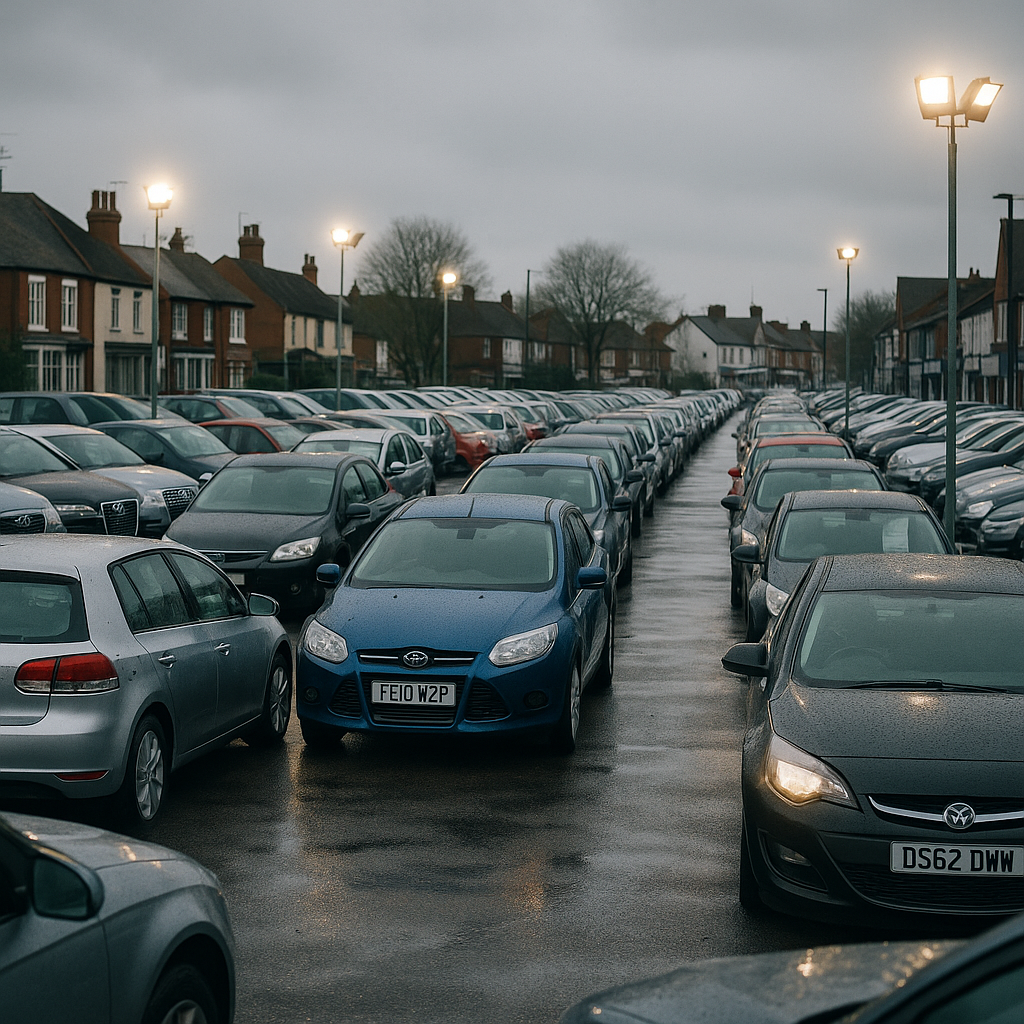
A few things have collided at once. The surge in classic and performance car values over the past few years means owners are finally treating their cars like the assets they are. Nobody wants a mint Mk1 MX-5 sitting in a damp garage accumulating rust while they’re away for three months. At the same time, more people in cities are running weekend or event cars without anywhere sensible to keep them. Flats don’t come with garages, councils are converting old workshop estates into flats, and street parking in most UK cities is genuinely hostile to anything you actually care about.
There’s also the overlap with a broader trend we’ve written about before on Steer Drive, where enthusiasts are separating their daily driver from their fun car entirely, keeping the latter stored properly and only pulling it out when the conditions and mood align. It’s a smarter way to run a collection, and professional storage makes it possible without the usual stress.
What classic car storage UK 2026 actually costs by region
Pricing varies enormously depending on where you are, what you’re storing and what level of service you want. In broad terms, here’s what I’ve seen quoted across the market this year.
In London and the South East, basic indoor storage starts at around £150 to £200 per month for a single covered bay with no climate control. Step up to a proper managed facility with humidity regulation, trickle charging and regular inspection reports, and you’re looking at £300 to £500 per month without blinking. Premium concierge operations around Surrey and Kent push past £600 for high-value exotics.
The Midlands and North of England offer noticeably better value. Facilities around the M1 corridor, Yorkshire and Lancashire typically run £100 to £180 per month for standard indoor storage and £200 to £350 for climate-controlled bays. Scotland is broadly similar, though the number of premium facilities drops off sharply outside Glasgow and Edinburgh.
Worth noting: many facilities charge by the month but require minimum six-month contracts, and some of the better-known names won’t take short-term bookings at all during peak season from March through to October.
What climate-controlled storage actually means
This term gets thrown around loosely, so it’s worth being precise. Genuine climate control means the facility maintains a consistent temperature (typically between 15°C and 20°C year-round) and keeps relative humidity between 45 and 55 per cent. That second number matters as much as the first. Humidity fluctuation is what causes condensation on metal surfaces, promotes rust under carpets, degrades rubber seals and attacks chrome. Temperature alone won’t protect a car if moisture levels are going unchecked.
Ask any facility you’re considering what their humidity monitoring setup is. If they can’t give you a specific answer, or if they describe it vaguely as “dehumidified”, push harder. The better operators will show you their data logs and tell you exactly what kit they’re running. Some use passive desiccant systems; others run active HVAC across the whole building. Both can work well. Passive desiccant in a poorly insulated space is not climate control.
Insurance when your car is in storage
This catches a lot of owners out. Your standard comprehensive car insurance policy almost certainly does not cover your car while it’s in a third-party storage facility for an extended period. Most policies assume the car is at your home address, and leaving it elsewhere for weeks or months can void your cover entirely if you haven’t declared the change.
The Association of British Insurers advises owners to notify their insurer of any change in overnight garaging, which a storage facility absolutely counts as. Some insurers will adjust the premium (it often goes down, because a managed facility is lower risk than a public road); others will want to reassess the policy from scratch.
A separate consideration: the storage facility’s own insurance covers their liability for fire, flood and theft of the building. It does not typically cover the value of your car beyond a nominal amount. Read those terms carefully. If your Porsche 996 or turbocharged Evo is worth £30,000 and the facility’s blanket policy caps individual vehicle cover at £10,000, you need your own agreed-value policy that explicitly covers off-site storage. Specialist classic car insurers like Hagerty or Adrian Flux handle this routinely, and it’s worth speaking to them directly.
Red flags to look out for before you sign
I’d be cautious about any facility that makes it difficult to visit unannounced. Legitimate operations are generally happy for you to check on your car. If access is always by appointment only with several days’ notice, ask why.
Check whether the facility is alarmed, monitored and insured for third-party fire and flood damage. Ask if the CCTV is recorded locally or off-site. Local-only recording means footage could disappear in the same fire or flood event you’d want it to document. Off-site cloud storage is the standard now at any serious operation.
Ventilation is another area where corners get cut. A sealed building with poor air circulation can actually be worse than an open garage if the moisture has nowhere to go. Look for positive pressure ventilation or at least active air management, not just a door that gets opened twice a day.
Contracts deserve attention too. Some facilities have clauses that allow them to move your vehicle within the site without notice, which sounds minor until your freshly restored car gets scratched by a forklift. Opt for facilities where your assigned bay is guaranteed in writing.
The hidden value of concierge services
Top-tier storage isn’t just a parking space with better ventilation. The facilities charging premium rates typically offer battery conditioning (trickle chargers kept connected throughout your storage period), regular start-up and idle cycles to keep fluids moving, tyre pressure checks and seasonal preparation. Some will prep your car for collection so it’s ready to drive the moment you turn up, and a few will deliver it to a track day or show on a covered transporter.
For people running serious classic investments, or chasing limited-edition hot hatches that are actually going up in value, this stuff genuinely matters. A car that’s been properly maintained through winter storage will be worth more and run better than one that’s been left to its own devices. The cost difference between basic and concierge storage is real, but so is the difference in how the car comes out the other side.
What to ask before handing over the keys
My shortlist for any facility visit: ask about their humidity logging, their insurance certificate limits, whether CCTV is cloud-backed, what their trickle charging setup is, how access works for you as the owner, and whether the contract guarantees a specific bay. Get everything in writing. A good operator won’t have any problem with that request.
The boom in classic car storage UK 2026 means there are genuinely excellent facilities out there right now, and also some that are essentially just a draughty warehouse with an invoice. Do the homework, spend an afternoon visiting two or three options before committing, and treat it the same way you’d treat buying the car itself. The car you’ve invested thousands in deserves better than a damp corner and a hope for the best.
Frequently Asked Questions
How much does classic car storage cost in the UK in 2026?
Prices range from around £100 per month for basic indoor storage in the Midlands and North, up to £500 or more per month for climate-controlled concierge facilities in London and the South East. Most premium operators require a minimum six-month contract.
Does my car insurance cover a vehicle in a storage facility?
Not automatically. Most standard policies only cover the car at your registered home address. You need to notify your insurer of the storage location, and you should check that your policy includes agreed-value cover for off-site garaging. Specialist classic car insurers are used to arranging this.
What does climate-controlled car storage actually mean?
It means the facility actively maintains both temperature (typically 15 to 20 degrees Celsius) and relative humidity (around 45 to 55 per cent) year-round. Humidity control is particularly important because moisture fluctuation causes rust, seal degradation and condensation damage.
How do I find a reputable classic car storage facility near me?
Search for facilities accredited by trade bodies, read independent reviews, and always visit in person before signing. Ask to see their humidity logs, their insurance documentation and their CCTV setup. Any legitimate facility will be comfortable answering detailed questions.